How Long Does Building a Pool Take?
Building an in-ground pool typically takes one to three months of construction, though the full process from first contact to first swim is often longer once design and permitting are included. The timeline depends on the pool type, the complexity, the weather, and permitting. Understanding the phases helps you plan realistically. Here’s what the process looks like and what affects the timeline.
Design and Planning
Before any digging, there’s a design and planning phase, meeting with the builder, finalizing the design, size, features, and finishes, and producing plans. This can take weeks, especially for a custom pool with complex features. Taking time here is worthwhile, since the design is largely permanent, but it does add to the overall timeline before construction begins. The more custom and detailed the pool, the longer this upfront phase typically takes. Good planning here prevents costly changes later. (For more on this, see Common Pool Construction Mistakes and How to Avoid Them.) Before any digging begins, call 811 — the free national before-you-dig service — to have underground utilities located and marked.
Permitting
Pool construction requires permits, and the permitting process, submitting plans, waiting for approval, and any required revisions, can take anywhere from days to many weeks depending on your local jurisdiction. This is often outside the builder’s direct control and can be a significant, variable part of the timeline. In some areas permitting is quick; in others it’s a major wait. Factor permitting time into your expectations, since construction can’t begin until permits are approved. It’s a common source of timeline uncertainty.
Construction Phases
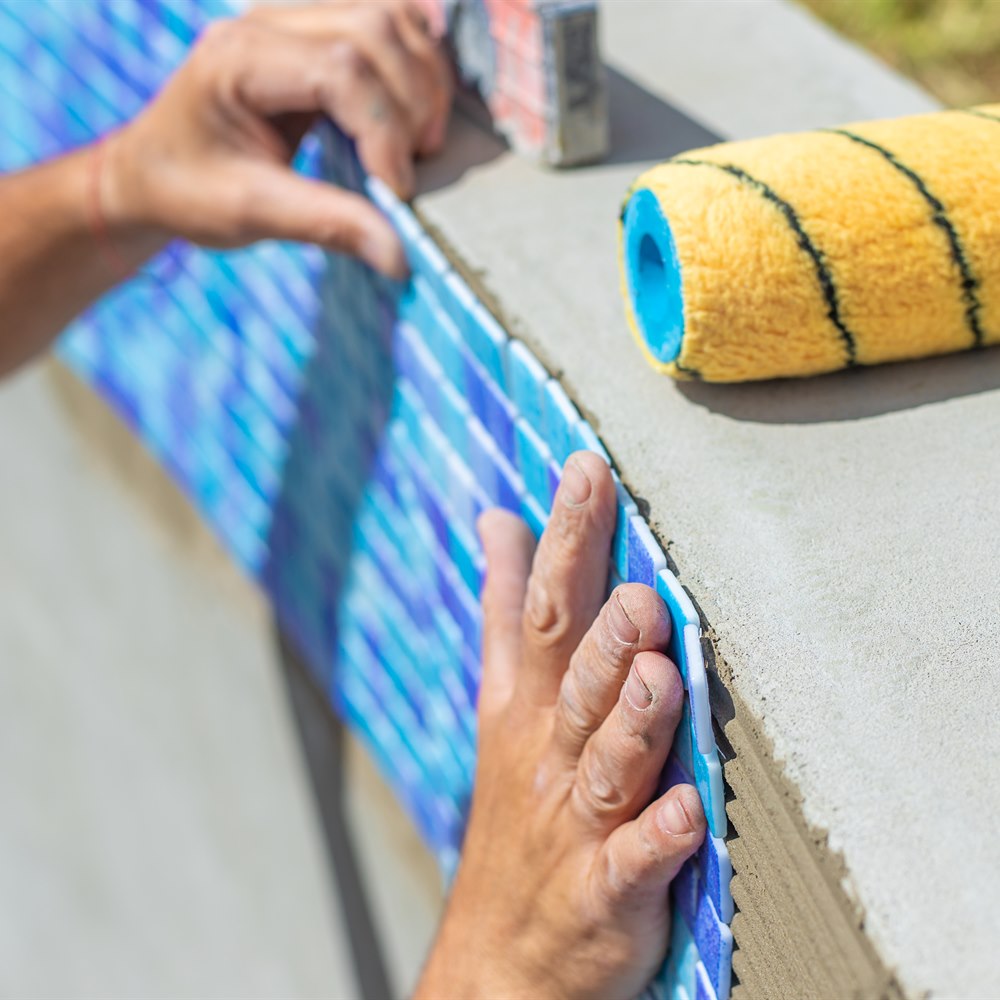
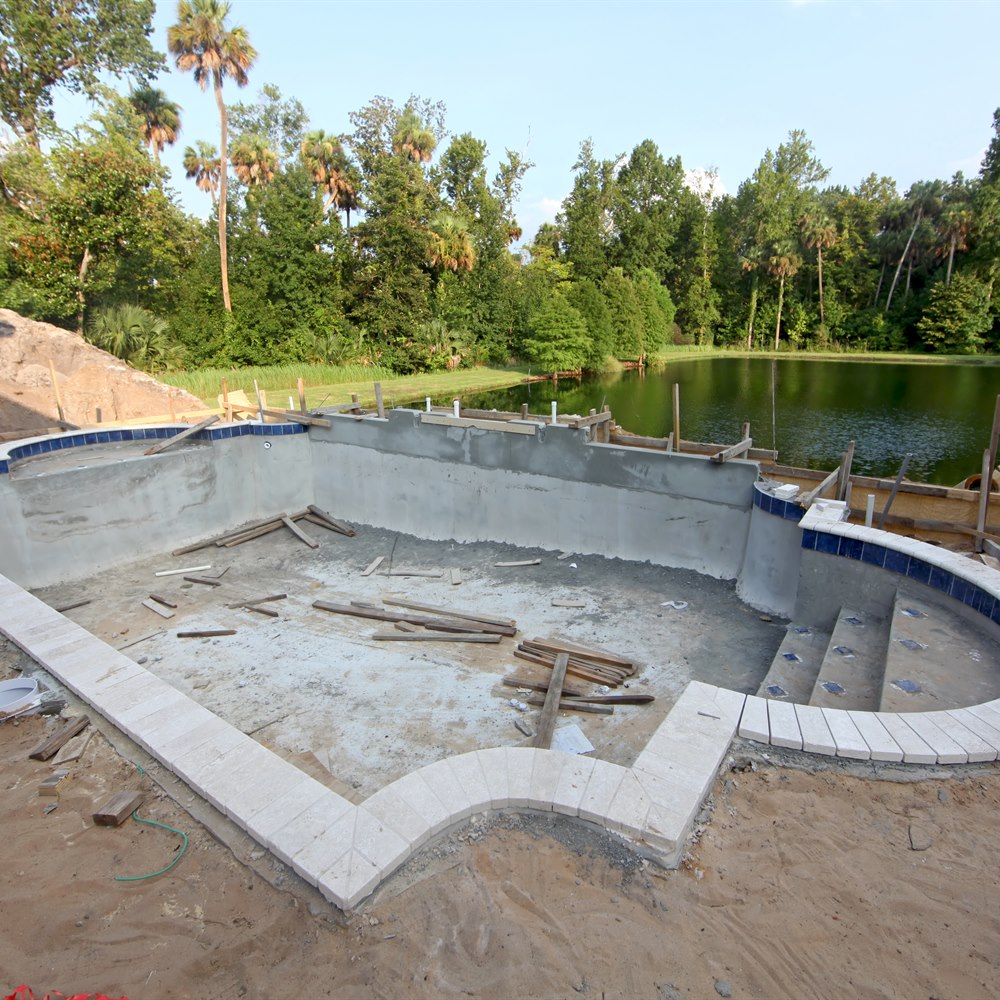
Once permitted, construction proceeds through phases: excavation, installing the shell or forming and spraying gunite, plumbing and electrical, adding equipment, applying the finish, and installing decking and coping. Each phase takes time, and some (like gunite curing) require waiting periods. Fiberglass is fastest since the shell drops in as one piece; gunite takes longest due to the build-up and curing of the concrete and finish. Vinyl falls in between. The construction phase is where the one-to-three-month range mostly applies.
What Affects the Timeline
Several factors lengthen or shorten the build. Pool type matters (fiberglass fast, gunite slow). Complexity and features add time. Weather can cause delays, rain, freezing temperatures, and poor conditions halt certain phases. Site surprises like rock or a high water table slow excavation. Permitting speed varies by area. And the builder’s schedule and workload affect when they can start and how continuously they work. Any of these can stretch the timeline, so build in buffer rather than counting on the fastest case. (For more on this, see When Is the Best Time to Build a Pool?.)
Finishing Touches
After the pool itself is built, there’s often additional time for surrounding work, decking, fencing, landscaping, and final equipment setup, plus filling and balancing the water before first swim. These finishing elements complete the backyard and are part of the real timeline to an enjoyable, finished pool, even though the pool shell may be done earlier. Account for this final stretch when planning around a target date, since the pool isn’t truly ready until the surroundings and water are complete.
The Full Journey vs. Construction Time, and Managing the Disruption
Homeowners often anchor on the one-to-three-month construction figure and are surprised the whole journey takes longer, so it helps to think in terms of the complete timeline from first contact to first swim. Before excavation ever begins, there’s the design phase (weeks, more for custom pools), the quoting and builder-selection process, and permitting, which alone can range from days to many weeks depending on your jurisdiction and is largely outside the builder’s control. Stacked together, these pre-construction phases can equal or exceed the build itself, which is why a pool you want ready for summer realistically needs to be started the previous fall or winter. (For more on this, see How Much Does It Cost to Build a Pool?.)
It’s also worth preparing for the disruption the build brings to your property. Excavation and construction turn a backyard into a work site: heavy equipment, spoil piles from the dig, materials, crews, and mud or dust for weeks. Access to parts of your yard may be limited, and neighbors may notice the activity. None of this is a problem, it’s simply part of building a pool, but going in aware of it sets realistic expectations and helps you plan around it, scheduling the disruption for a season when it matters least and understanding that the pristine finished backyard comes only after a genuinely messy middle. Knowing both the true full timeline and the reality of the construction period lets you plan sensibly rather than being caught off guard by either.
Planning Around the Timeline
Expect one to three months of construction, plus design, permitting, and finishing, so the full process often spans several months. Fiberglass is quickest, gunite longest, and weather, site conditions, and permitting all add variability. Starting the process well ahead of when you want to swim, and building in buffer, is the realistic approach. When you’re ready to begin, connect with a local pro below.
Frequently Asked Questions
Construction typically takes one to three months, but the full process from first contact to first swim is often longer once design, permitting, and finishing are included, spanning several months. Fiberglass is fastest (the shell drops in as one piece), gunite is slowest (concrete build-up and curing), and vinyl falls in between.
Fiberglass. Because the shell is pre-manufactured off-site and lowered into the excavated hole in one piece, the shell installation is much quicker than forming and spraying gunite or building a vinyl pool on-site. Gunite takes the longest due to the concrete build-up and curing plus finish work. Vinyl falls in between.
Because pool construction can't begin until permits are approved, and the permitting process, submitting plans, waiting for approval, and any revisions, can take days to many weeks depending on your local jurisdiction. It's often outside the builder's control and a significant, variable part of the timeline, so factor it into your expectations.
Weather (rain, freezing temperatures halt certain phases), site surprises like rock or a high water table that slow excavation, permitting delays, complex features that add time, and the builder's schedule and workload. Any of these can stretch the timeline, so build in buffer rather than counting on the fastest-case scenario.
Start well ahead, several months before you want to swim, since the full process (design, permitting, one-to-three-month construction, and finishing) often spans several months, and weather, site conditions, and permitting add variability. Building in buffer and beginning early is the realistic approach to having a finished pool ready by a target date.