What Drives Pool Construction Costs?
Building a pool runs from about $35,000 to $130,000 or more, and where you land depends on the pool type, size and depth, features, finishes, and your site conditions. Understanding these factors helps you plan a pool that fits your budget. Here’s what moves the number.
The Pool Type
The construction method is a primary driver. Vinyl-liner is the most affordable, fiberglass sits in the middle with faster installation and lower maintenance, and gunite (concrete) is the premium, fully custom option that costs the most. This single choice sets the base range for your project. Each has trade-offs in cost, customization, durability, maintenance, and installation time, and it’s the first decision that shapes your whole budget. Choosing the type is where pool budgeting begins.
The Size and Depth
A bigger, deeper pool costs more, more excavation, more material, more water, more surrounding deck, and higher ongoing operating costs. A modest pool is far cheaper to build and run than a large one. Depth matters too: a deep end for diving requires more excavation and material than a uniformly shallow pool. The dimensions you choose scale the cost directly, so sizing the pool to your actual needs (rather than maxing it out) is a major budget lever. (For more on this, see How Much Does It Cost to Build a Pool?.)
The Features
Features add up fast. An integrated spa, a tanning ledge, a vanishing (infinity) edge, water features and fountains, custom lighting, automation, and premium finishes each add to the cost, sometimes substantially. A simple rectangular pool is far cheaper than a custom shape loaded with features. Deciding which features genuinely matter to you, versus which are nice-to-haves, is one of the biggest ways to control the budget, since features are where custom pools escalate toward six figures.
The Finishes
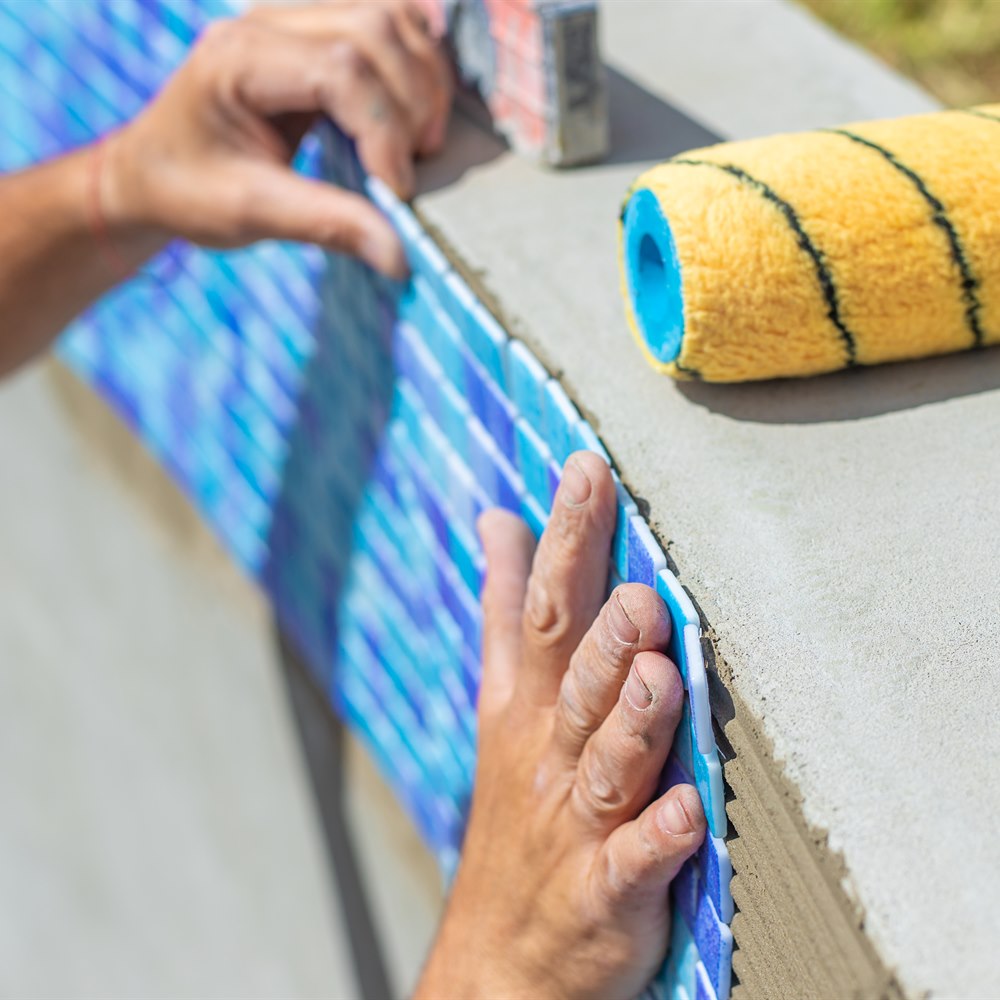
Interior and surrounding finishes shape both cost and look. Basic plaster is the standard gunite finish; upgraded aggregate, pebble, or tile finishes cost more but last longer and look more premium. Waterline tile, coping, and the decking material (from basic concrete to natural stone or pavers) range widely in price. The finishes you choose, inside and around the pool, significantly affect the total, and premium materials are a major cost driver.
The Site Conditions
Your specific site can add or save thousands. Easy, flat, accessible ground with good soil keeps excavation straightforward. Rock, a high water table, unstable soil, steep slopes, difficult equipment access, or the need for retaining walls all raise the cost, sometimes significantly. Site conditions are partly unknown until digging begins, which is why builders assess the site and why a contingency is wise. Your yard’s characteristics are a real and sometimes unpredictable cost factor. Before any digging begins, call 811 — the free national before-you-dig service — to have underground utilities located and marked.
Equipment and Heating
The equipment package affects both build and operating cost. A basic pump and filter is the baseline; adding a heater, salt-chlorine generator, automation, and advanced lighting increases the upfront cost and, for heating especially, the ongoing operating cost. A heater dramatically extends the usable season but adds expense to run. The equipment you choose shapes the project cost and your long-term bills, so decide based on how you’ll actually use the pool.
How Choices Compound and Where to Economize
What makes pool budgeting tricky is that the cost factors compound rather than simply adding up. Choosing gunite over vinyl doesn’t just raise the base price, it also opens the door to custom shapes, greater depth, and premium finishes that each add more, so an ambitious material choice tends to pull the rest of the spec upward with it. Similarly, adding a spa isn’t just the spa’s cost; it’s additional plumbing, a heater sized for it, extra finish and tile, and more equipment complexity. Understanding that features and upgrades cascade helps explain how a project can drift from a planned figure toward something much larger, one reasonable-sounding addition at a time.
Knowing this, the smartest place to economize is in the decisions made early, before the compounding starts. Right-sizing the pool to actual use rather than maxing out the lot, choosing a simpler shape that costs less to build and finish, and being disciplined about which features genuinely earn their place all keep the whole project anchored. It’s far easier to control cost by making the base plan sensible than by trying to trim after every premium choice has already pulled the budget up. The homeowners who stay on budget are usually the ones who prioritized ruthlessly at the design stage, distinguishing the elements that will genuinely improve their years of pool use from the ones that merely sounded appealing in the showroom. (For more on this, see What to Know Before Building a Pool: A Homeowner Checklist.)
Getting an Accurate Price
Because pool type, size, features, finishes, site conditions, and equipment all move the number, an accurate quote depends on your specific plans and yard. A modest vinyl pool with basic finishes on an easy site sits at the low end; a large custom gunite pool with a spa, premium finishes, features, and full decking runs well into six figures. Get detailed quotes from multiple builders. When you’re ready, connect with a local pro below. (For more on this, see How to Design the Right Pool for Your Yard.)
Cost figures on this page were checked against published pricing on September 2, 2026. How we source cost data.
Frequently Asked Questions
The pool type, vinyl-liner (most affordable), fiberglass (mid-range, low maintenance), or gunite/concrete (premium, fully custom, costs the most). This single choice sets the base range for your project before size, features, finishes, and site conditions adjust it. Choosing the type is where pool budgeting begins.
Yes, directly. A bigger, deeper pool means more excavation, material, water, and surrounding deck, plus higher ongoing operating costs. Depth matters too, a diving-depth end requires more excavation than a uniformly shallow pool. Sizing the pool to your actual needs rather than maxing it out is a major budget lever.
An integrated spa, tanning ledge, vanishing (infinity) edge, water features, custom lighting, automation, and premium finishes each add substantially, this is where custom pools escalate toward six figures. A simple rectangular pool is far cheaper than a feature-loaded custom shape. Deciding which features genuinely matter is a big way to control the budget.
Significantly, and sometimes unpredictably. Flat, accessible ground with good soil keeps excavation simple, while rock, a high water table, unstable soil, steep slopes, difficult access, or needed retaining walls raise the cost. Some conditions aren't known until digging begins, which is why builders assess the site and a contingency is wise.
Yes, both upfront and ongoing. A basic pump and filter is the baseline; adding a heater, salt system, automation, and advanced lighting raises the build cost and, for heating especially, the operating cost. A heater greatly extends the usable season but adds expense to run. Choose equipment based on how you'll actually use the pool.