
How Long Does Solar Installation Take?
The physical installation of solar panels usually takes just 1 to 3 days, but the full process, from signing to a switched-on system, typically spans several weeks to a few months, largely because of permitting and utility approval. Understanding the real timeline, not just the installation days, sets accurate expectations. Here’s what to expect from start to finish.
The Physical Installation: 1 to 3 Days
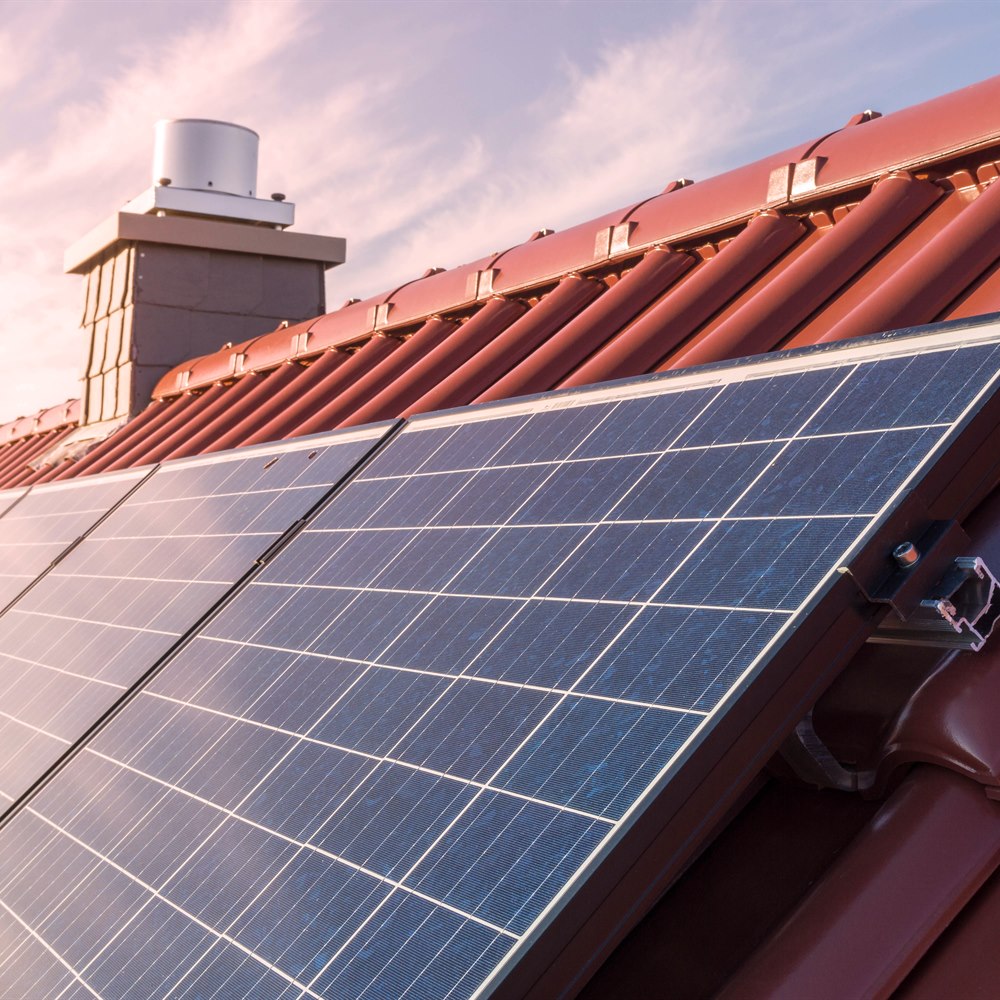
The actual installation, mounting the panels, wiring the system, and installing the inverter, is usually quick, often just one to three days depending on the system size and roof complexity. A larger system or a complex roof takes a bit longer, but the hands-on installation is the shortest part of the process. This is the visible, active work, and it’s why people are often surprised that the whole journey takes much longer, the installation itself is fast, but it’s bookended by longer administrative phases before and after.
Design and Site Assessment: Days to Weeks
Before installation, there’s a design phase: the installer assesses your roof, energy usage, and goals, then designs the system. This includes a site assessment and sometimes engineering review, and it can take days to a couple of weeks. Getting the design right, correct sizing, optimal panel placement, and the right equipment, is important, and this upfront phase lays the groundwork. While not the longest phase, the design and assessment step is a necessary precursor to permitting and installation, and it’s part of why solar isn’t instant. (For more on this, see Hidden Costs of Solar Panel Installation.) The Department of Energy’s Homeowner’s Guide to Going Solar walks through site suitability, financing options, and what to ask an installer.
Permitting: Weeks
Permitting is often the longest phase. Solar requires permits from your local jurisdiction, and the approval process can take weeks, varying widely by location, some jurisdictions are fast, others slow. This administrative step is largely outside the installer’s control, depending on the local permitting office’s timeline. Permitting is frequently the biggest source of delay in a solar project, which is why the full process takes far longer than the installation. Understanding that permitting can take weeks helps set realistic expectations for when your system will actually be operational. (For more on this, see Going Solar: The Installation Process Step by Step.)
Installation Scheduling
Once permits are approved, the installation is scheduled, which depends on the installer’s availability. A busy installer may have a wait before they can install, adding time. After the quick physical installation, the system isn’t quite ready to switch on, there’s still an inspection and utility approval to come. Scheduling the installation around permitting and the installer’s calendar is part of the overall timeline, and a highly sought-after installer’s backlog can extend the wait, though it may be worth it for quality.
Inspection and Utility Approval: Weeks
After installation, the system typically needs a local inspection to confirm it meets code, and then utility approval (interconnection) to connect to the grid and switch on, called permission to operate. These final steps can take additional weeks, again varying by jurisdiction and utility. Frustratingly, the system may be fully installed but sit unused while awaiting this final approval. This post-installation phase is a real part of the timeline, the system isn’t producing power for you until the inspection passes and the utility grants permission to operate.
Why the Timeline Varies and How to Set Expectations
The wide range in solar timelines, from several weeks to a few months, comes down mostly to factors outside the installer’s direct control, which is worth understanding so you can set realistic expectations. Permitting timelines vary enormously by jurisdiction: some local permitting offices process solar applications quickly, while others take many weeks, and there’s little the installer can do to speed a slow office. Similarly, utility interconnection, the approval to connect your system to the grid and switch it on, depends on the utility’s own process and backlog, which can add weeks after installation. Because these administrative steps dominate the timeline and vary by location, the same installer can complete one project in a few weeks and another in a few months based purely on the local permitting and utility environment.
Knowing this helps you plan and avoid frustration. If you want solar operational by a particular time, starting the process well in advance is wise, since the permitting and utility phases can’t be rushed and are the main determinants of when your system actually switches on. It also helps to ask your installer for a realistic estimate of the full timeline for your specific location, including their read on the local permitting office and utility, rather than assuming the quick physical installation reflects the whole journey. A good installer manages the permitting and interconnection paperwork on your behalf and can give you a grounded expectation. Understanding that the fast installation is bookended by administrative phases whose length depends on your local jurisdiction and utility, not the installer’s speed, lets you plan around a realistic timeline and avoid the common surprise of a fully installed system sitting idle while it awaits final approval to operate. (For more on this, see Questions to Ask a Solar Installer.)
Planning Around the Timeline
Expect the physical installation to take just 1 to 3 days, but the full journey, design, permitting, scheduling, installation, inspection, and utility approval, to span several weeks to a few months, with permitting and utility approval the main sources of delay. Planning for the full timeline, not just the quick installation, sets realistic expectations. When you’re ready to start the process, connect with a local pro below.
Frequently Asked Questions
The physical installation usually takes just 1 to 3 days, but the full process, from signing to a switched-on system, typically spans several weeks to a few months. The longer timeline is largely due to permitting and utility approval (interconnection), which are administrative steps outside the installer's direct control and vary widely by location.
Usually just 1 to 3 days, depending on system size and roof complexity, for mounting the panels, wiring the system, and installing the inverter. A larger system or complex roof takes a bit longer, but the hands-on installation is the shortest part of the process, bookended by longer administrative phases (design, permitting, inspection, utility approval) before and after.
Because the physical installation is bookended by longer administrative phases: design and site assessment (days to weeks), permitting (often the longest phase, weeks, and outside the installer's control), installation scheduling, and post-installation inspection plus utility approval to connect to the grid (weeks). Permitting and utility approval are the main sources of delay.
Permitting is often the longest phase, taking weeks and varying widely by location, since it depends on the local permitting office's timeline and is largely outside the installer's control. Utility approval (interconnection) after installation can also add weeks. These administrative steps, not the quick 1-to-3-day installation, are what make the full process take months.
Not immediately. After the physical installation, the system typically needs a local inspection to confirm it meets code, then utility approval (interconnection), called permission to operate, to connect to the grid and switch on. These final steps take additional weeks. Frustratingly, the system may be fully installed but sit unused while awaiting this final approval before it produces power for you.