
What Hidden Costs Come With Solar Installation?
The system quote you’re given covers the panels and installation, but several less-obvious costs can push the real total higher, and understanding them upfront keeps your solar budget realistic. Because solar ties into your roof, your electrical system, and utility and permitting processes, a few costs regularly catch homeowners off guard. Here’s what to plan for beyond the headline system price.
Roof Repairs or Replacement
The biggest surprise is often the roof. Solar panels are meant to last decades, so if your roof is aging, worn, or nearing the end of its life, it should be repaired or replaced before installation, since removing and reinstalling panels later to redo the roof is costly. A reputable installer assesses the roof’s condition and may recommend roof work first. This can add significant cost that isn’t part of the solar quote itself. Before committing to solar, factor in your roof’s age and condition, since installing on a roof that will soon need replacement is a costly mistake. (For more on this, see Common Solar Installation Mistakes and How to Avoid Them.) The Department of Energy’s Homeowner’s Guide to Going Solar walks through site suitability, financing options, and what to ask an installer.
Electrical Panel Upgrades
Your home’s electrical panel (the main service panel) may need upgrading to safely accommodate the solar system, especially in older homes with limited capacity. An electrical panel upgrade is a real added cost that isn’t always included in the base solar quote. Whether you need one depends on your existing panel’s capacity and condition. A thorough installer evaluates this upfront, but it’s a common add-on that homeowners don’t anticipate, so ask whether a panel upgrade is needed and factor its cost into your budget when planning a solar installation.
Permitting and Interconnection
Solar requires permits and utility interconnection approval (permission to connect the system to the grid), which involve fees and a process that takes time, sometimes weeks. While permitting is often included in a full installation quote, the timeline and any associated fees or utility requirements can add cost or delay. Some utilities have specific interconnection requirements or fees. Understanding that solar isn’t just installed and switched on, there’s a permitting and utility-approval process, sets realistic expectations for both timeline and any additional costs beyond the physical installation. (For more on this, see How Much Does Solar Panel Installation Cost?.)
Ongoing Maintenance and Monitoring
While solar is low-maintenance, it’s not zero-maintenance. Panels may need occasional cleaning to maintain output, especially in dusty areas or after storms. The inverter, a key component, typically has a shorter lifespan than the panels and may need replacement at some point during the system’s life, a notable future cost. Monitoring systems help track performance. These ongoing and eventual costs are modest relative to the savings solar produces, but they’re part of the true long-term cost of ownership that the upfront quote doesn’t capture, so factor them into your expectations.
The Battery Decision and Its Cost
Many homeowners underestimate the cost of adding battery storage, which at $8,000 to $15,000 or more is a significant expense on top of the solar system. If backup power or energy independence matters to you, the battery is a real cost to plan for, and it’s easy to focus on the panel system while overlooking the substantial add-on a battery represents. Deciding upfront whether you want storage, now or later, and budgeting for it accordingly, prevents the sticker shock of discovering that the backup power you want costs nearly as much as a meaningful portion of the solar system itself.
Panel Removal for Roof Work and End-of-Life Costs
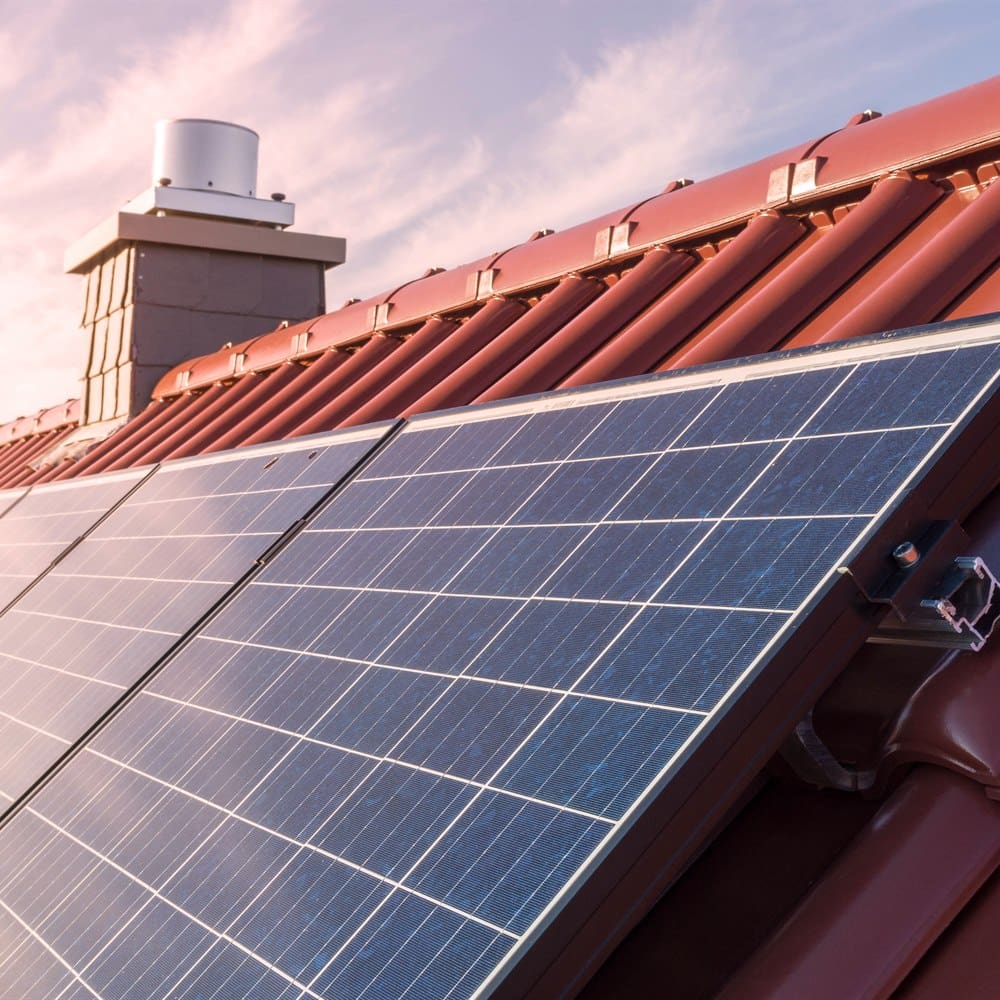
A cost few homeowners think about at purchase is what happens if the roof ever needs work after the panels are installed. Because panels are physically mounted to the roof, any future roof repair or replacement requires removing the array, doing the roof work, and reinstalling the panels, a genuinely expensive process that can run into the thousands. This is precisely why installers stress addressing roof condition before installation: getting decades of life out of the roof first avoids this costly removal-and-reinstall down the road. If you install on a roof that later fails, you effectively pay for the roof work plus the panel removal and reinstallation, a hidden cost created entirely by not sequencing the roof correctly.
Looking further out, there are end-of-life considerations too. Solar panels are durable and long-lived, but not permanent, and at some point far in the future, the system will reach the end of its productive life and need decommissioning or replacement. The inverter, with its shorter lifespan, will almost certainly need replacing at least once during the system’s decades of operation, a real mid-life cost worth anticipating. None of these long-horizon costs undermine solar’s value, which is built on years of energy savings, but a complete picture of solar ownership includes the eventual inverter replacement, the possibility of panel removal for roof work, and the far-off end-of-life stage. Budgeting with these in mind, rather than treating the upfront quote as the total lifetime cost, gives you a realistic view of what owning solar involves over its full life. (For more on this, see How Do Solar Panels Work? A Homeowner’s Guide.)
Keeping Costs Predictable
The way to avoid surprises is to assess your roof’s condition before installing, check whether an electrical panel upgrade is needed, understand the permitting and interconnection process, budget for eventual inverter replacement and occasional maintenance, and decide knowingly about battery storage. A thorough installer discusses these upfront. When you’re ready for a complete, honest assessment, connect with local pros below.
Ranges here are national ballpark figures, not quotes. Actual pricing varies by region, home condition, materials, and contractor. How we source cost data.
Frequently Asked Questions
Roof repairs or replacement. Since panels last decades, an aging or worn roof should be repaired or replaced before installation, because removing and reinstalling panels later to redo the roof is costly. A reputable installer assesses the roof and may recommend roof work first, which adds significant cost outside the solar quote. Factor in your roof's age and condition before committing.
Sometimes. Your home's main electrical panel may need upgrading to safely accommodate the solar system, especially in older homes with limited capacity. It's a real added cost not always included in the base quote, and whether you need one depends on your panel's capacity and condition. Ask whether a panel upgrade is needed and factor its cost into your budget.
Yes. Solar requires permits and utility interconnection approval (permission to connect to the grid), involving fees and a process that takes time, sometimes weeks. Permitting is often included in a full quote, but the timeline and any utility requirements or fees can add cost or delay. Solar isn't just installed and switched on, there's a permitting and utility-approval process.
It's low-maintenance but not zero. Panels may need occasional cleaning to maintain output, especially in dusty areas or after storms. The inverter typically has a shorter lifespan than the panels and may need replacement at some point, a notable future cost. These are modest relative to solar's savings but are part of the true long-term cost of ownership.
It can catch people off guard. Adding battery storage costs $8,000 to $15,000 or more, a significant expense on top of the solar system. If backup power or energy independence matters, it's a real cost to plan for, and it's easy to focus on the panels while overlooking the substantial battery add-on. Decide upfront whether you want storage and budget accordingly.