How Do You Find a Quality Wallpaper Installer?
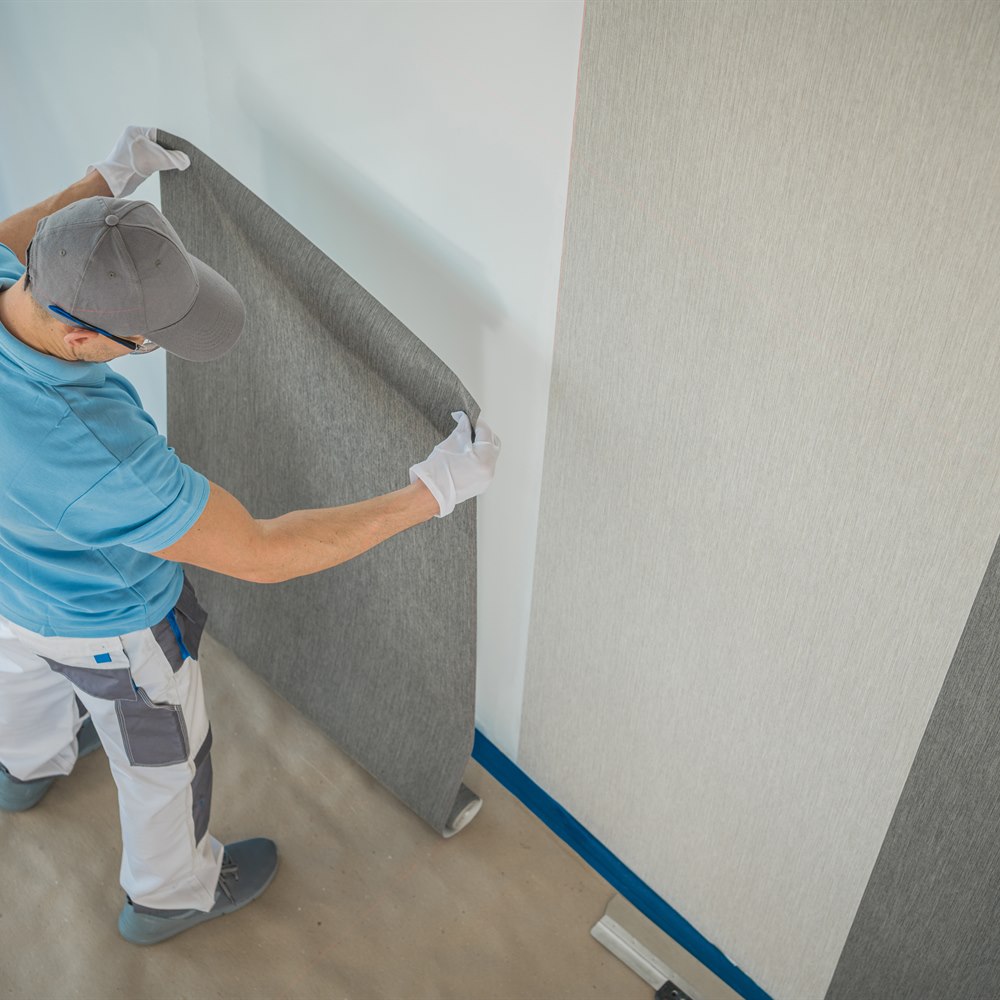
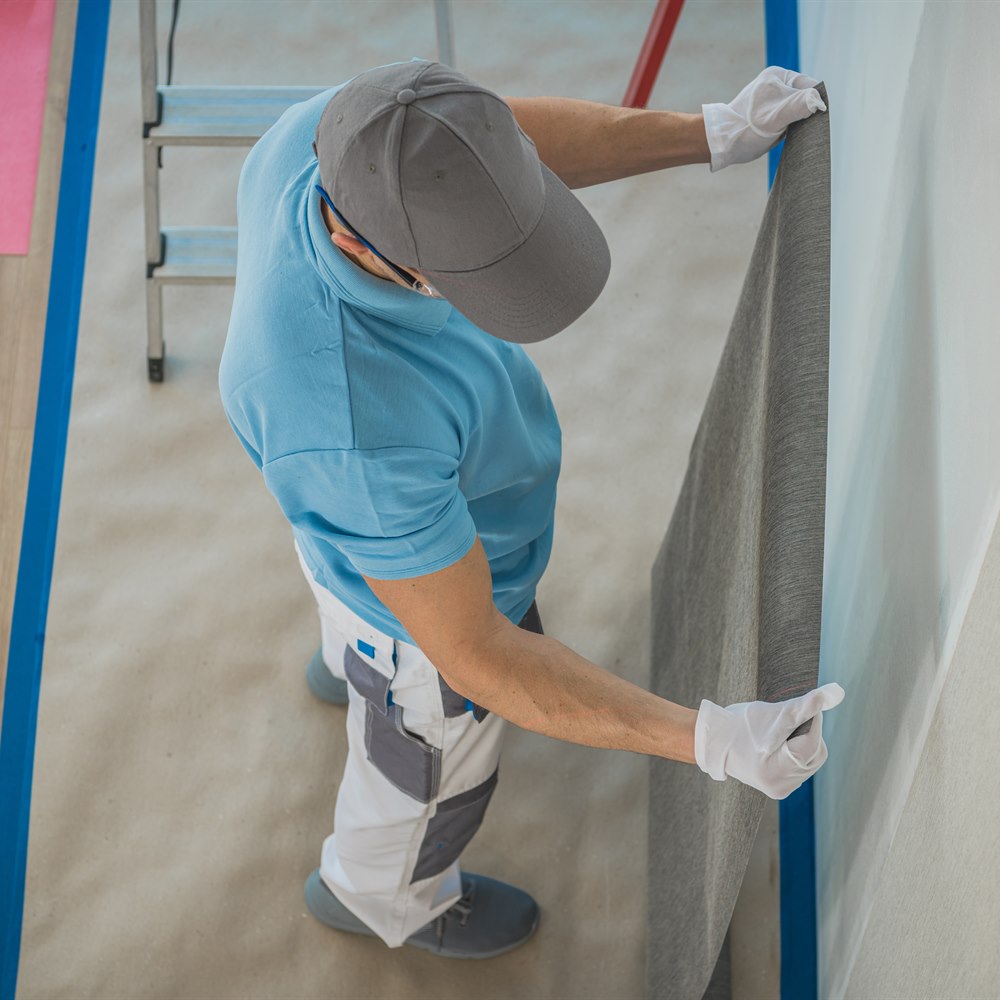
Hire on wall preparation and experience with your exact material — grasscloth, murals, and natural fibers are far less forgiving than vinyl. Wallpaper installation is one of the most technically demanding interior finishing trades, and the difference between an experienced installer and an inexperienced one is visible in every seam and corner. Ask how they prep and prime the walls, and check their portfolio for pattern matching at the seams.
Verify Experience with Your Specific Material
Vinyl wallpaper: the most forgiving material, appropriate for an installer with moderate experience. Grasscloth and natural fiber: requires significantly more skill to install (the seams are always visible, the material cannot be easily repositioned once applied, and the natural fiber can be permanently damaged by excess paste or incorrect technique). Fabric-backed or commercial-grade wallcovering: also requires specialist skill. Mural or panoramic wallpaper (where multiple panels must be precisely aligned to form a continuous image): a specialized skill that not all wallpaper installers have. Confirm the installer has experience specifically with your wallpaper material type before hiring. (For more on this, see How to Install Wallpaper: What to Expect.)
Ask About Wall Preparation
“How do you prepare the walls before installing wallpaper?” A quality answer describes: inspecting for and repairing surface defects, applying a wallpaper primer (not standard interior paint primer), and confirming the surface is completely dry before installation. An installer who says “we install directly on existing paint” without describing a priming step: is either installing without primer (which reduces adhesion and complicates future removal) or assuming the existing paint functions as adequate priming (which is not always true).
(For more on this, see How Much Does Wallpaper Installation Cost?.)
Check Portfolio for Pattern Matching Quality
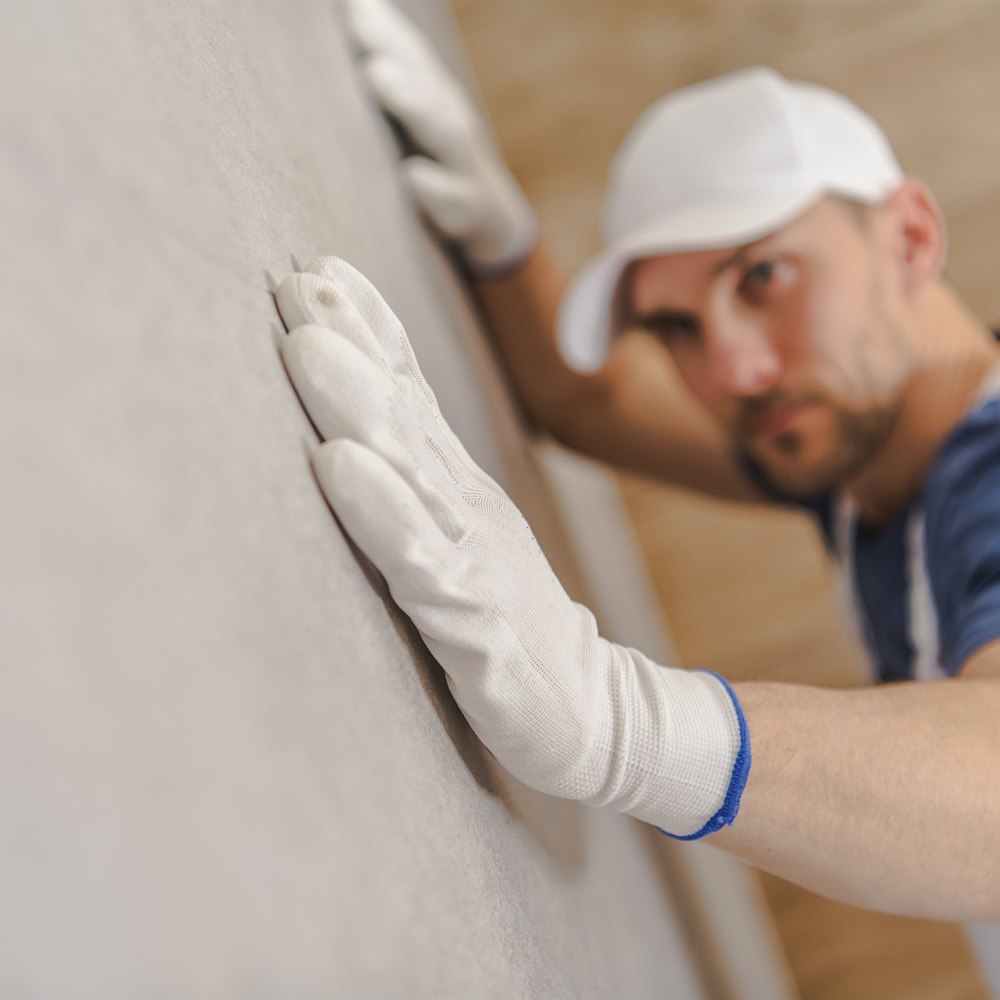
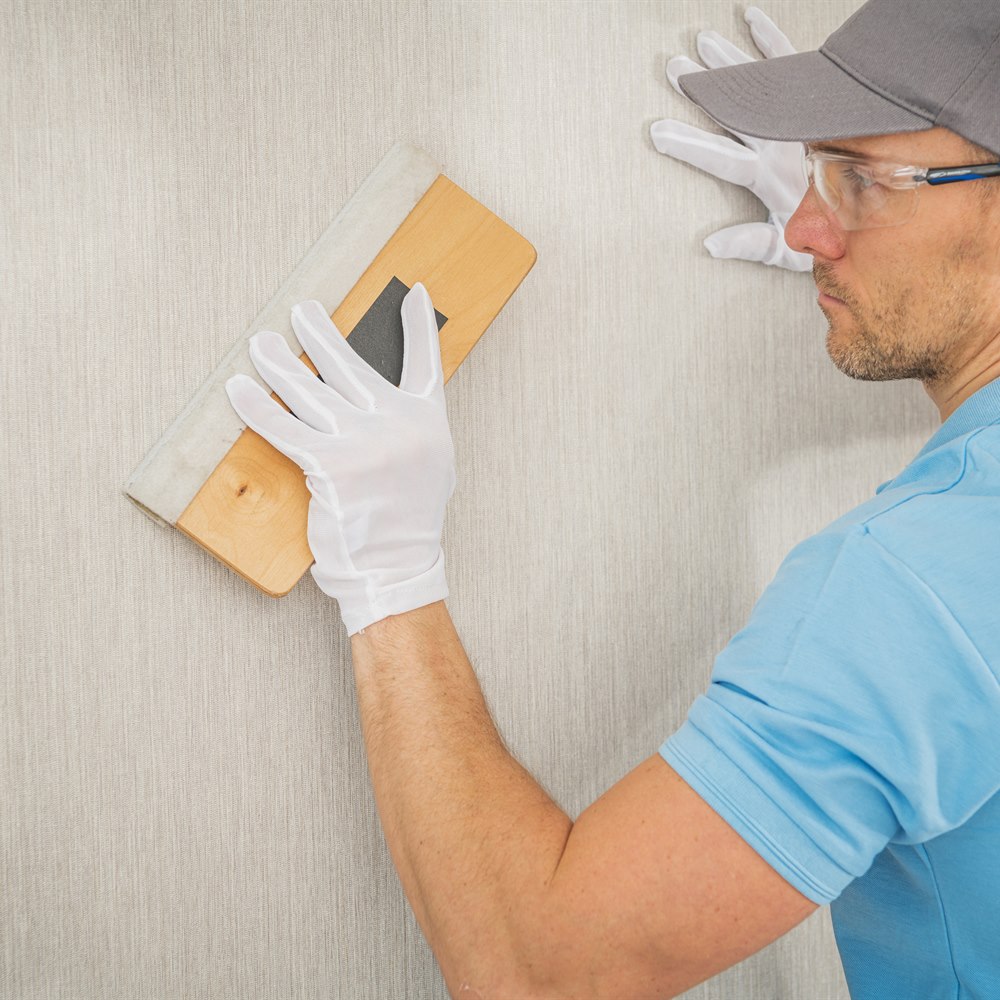
Ask to see photos of completed wallpaper installations. Specifically look for: pattern matching at the seams (the pattern should continue without interruption across the seam — visible pattern misalignment is the most common wallpaper quality defect). Smooth surface with no bubbles (small bubbles present during installation typically relax as the paste dries, but large bubbles indicate inadequate smoothing). Clean trim at ceilings, baseboards, and corners. A portfolio with 10 to 20 photos from completed projects provides more confidence than a limited portfolio. (For more on this, see Questions to Ask a Wallpaper Installer.)
Working With a Contractor on This Project
Getting the right outcome on any home services project starts before the work begins. A few consistent practices make the difference between a smooth project and a frustrating one.
Get at least two or three quotes. A single quote gives you no basis for comparison. Two or three quotes reveal the market rate for the work, expose scope differences between bidders, and let you assess contractor communication quality before any commitment is made. The lowest bid is not automatically the best value if the scope is thin or the materials are underspecified.
Ask for licenses and insurance before work starts. Verify current general liability insurance and, for any work involving workers on your property, workers compensation coverage. Licensing requirements vary by state and trade; confirm the specific requirements in your jurisdiction. A licensed contractor who carries appropriate insurance protects both parties if something goes wrong during the project.
Get the scope in writing. A written proposal that specifies materials, labor scope, timeline, what is included (permits, cleanup, disposal), and warranty terms is the foundation of a professional engagement. Verbal agreements on any of these points invite misunderstanding. For any project over $500, written scope is non-negotiable.
Clarify the payment schedule upfront. A reasonable payment schedule ties major payments to project milestones: a deposit at signing, a payment at material delivery or project start, and a final payment at completion after a walkthrough confirms satisfaction. A contractor who requires full payment upfront before work begins is a red flag in any trade.
Making a Confident Decision
The information in this article is designed to help you ask better questions of the professionals you work with, evaluate their answers with more confidence, and understand the decisions involved in this type of home services project. It is not a substitute for professional assessment of your specific home.
Every home is different. Roof slopes, local weather, tree exposure, soil conditions, and existing system condition all affect what the right solution is for your specific situation. The general principles here apply broadly, but a professional who assesses your home in person will give you guidance that accounts for the details that general articles cannot.
When you are ready to move forward, getting at least two or three quotes from licensed, insured, local contractors is the most important practical step. It lets you compare approaches, assess contractor quality, and confirm that the solution proposed matches your specific situation and budget.
Wallpaper Cost at a Glance
Wallpaper material: $25 to $50 per double roll (budget); $50 to $100 per double roll (mid-range residential); $100 to $300+ per double roll (designer or specialty). A double roll covers about 56 sq ft on the bolt, roughly 50 sq ft after pattern repeat waste; a single roll covers 28 to 30 sq ft. Professional installation labor: $3 to $8 per sq ft of wall surface. Total installed cost: $4 to $10 per sq ft for mid-range wallpaper. Accent wall (100 sq ft): $400 to $1,000 installed. Powder room (80 to 120 sq ft, all four walls): $500 to $1,800 installed. Standard bedroom (400 sq ft of wall surface): $1,600 to $4,000 fully installed.
Old wallpaper removal: $1 to $4 per sq ft additional before new installation. Peel-and-stick wallpaper: $1 to $6 per sq ft in material, DIY-installable, less durable than paste-up. Always order one extra roll from the same dye lot as the calculated quantity for future repairs.
Cost figures on this page were checked against published pricing on August 29, 2026. How we source cost data.
Frequently Asked Questions
Do you have experience with [my specific wallpaper type -- grasscloth, vinyl, mural]? Walk me through your wall preparation process. Do you prime the walls before installation? Can I see photos of recently completed projects? Get a written quote that specifies what is included (wall prep, primer, labor, cleanup) and does not include wallpaper material (confirm you are purchasing the material separately based on the installer's quantity recommendation).
Pattern matching at seams (the pattern should continue without interruption across seams). Smooth, bubble-free surface (small bubbles present at installation typically relax within 24 to 48 hours as the paste dries). Clean, precise trim at the ceiling, baseboard, and corners. Seams are not visibly raised or gapped. The walls were primed before installation (ask -- this is critical for future removal without wall damage).
Usually not -- most professional wallpaper installers work with homeowner-supplied material (the homeowner purchases the wallpaper based on the installer's quantity recommendation). The installer quotes for labor only. The installer should confirm the quantity needed before you order -- they will calculate based on the room dimensions, the wallpaper's pattern repeat, and any waste factors specific to the installation.
A professional installer should warranty their workmanship (seam quality, pattern matching, surface smoothness) for at least 30 to 90 days after installation. Defects that appear after drying (seams that open, bubbles that do not relax): are workmanship issues. Wallpaper that peels due to inadequate surface preparation: a more complex warranty question (was the wall properly primed? was the wall dry at installation?). The Wallcovering Installers Association (WIA) provides professional standards that reputable installers should be familiar with.
Some painters offer wallpaper installation, but wallpaper hanging is a distinct trade requiring different skills and tools (paste tray, seam roller, smoothing brush, straightedge, and specialized knowledge of booking time, pattern matching, and material-specific installation requirements). A painter with occasional wallpaper experience: may be adequate for simple vinyl wallpaper in a low-visibility location. For premium wallpaper materials (grasscloth, fabric-backed, designer prints) in a high-visibility room: hire a dedicated wallpaper installer.