The Real Cost of Spray Foam Insulation for Your Home
Investing in spray foam insulation for your walls and attic is a significant step toward enhancing your home's energy efficiency. However, as crucial as it is, understanding the costs involved can often be confusing. This blog post aims to demystify the expenses associated with hiring an insulation company to spray foam your home. Whether you're renovating or building anew, knowing the financial implications will help you make an informed decision that benefits both your comfort and your wallet.
What Is Spray Foam Insulation?
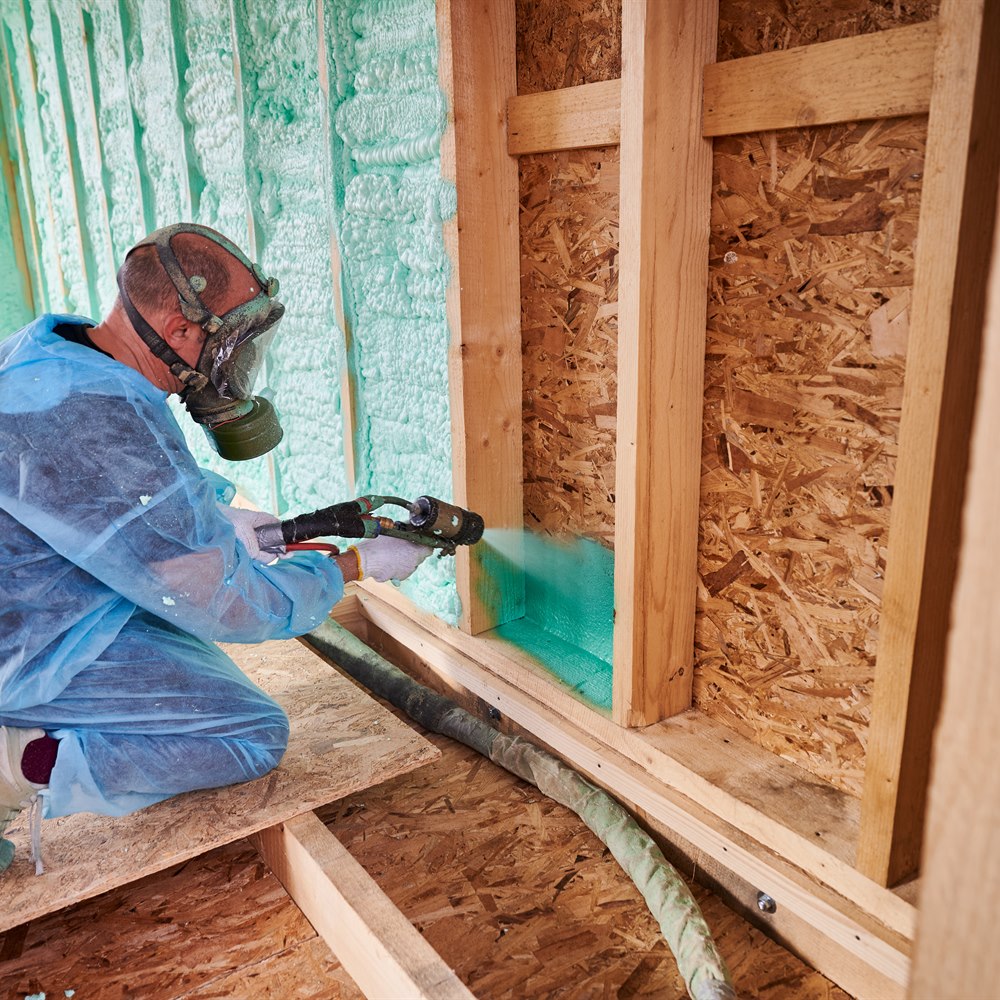
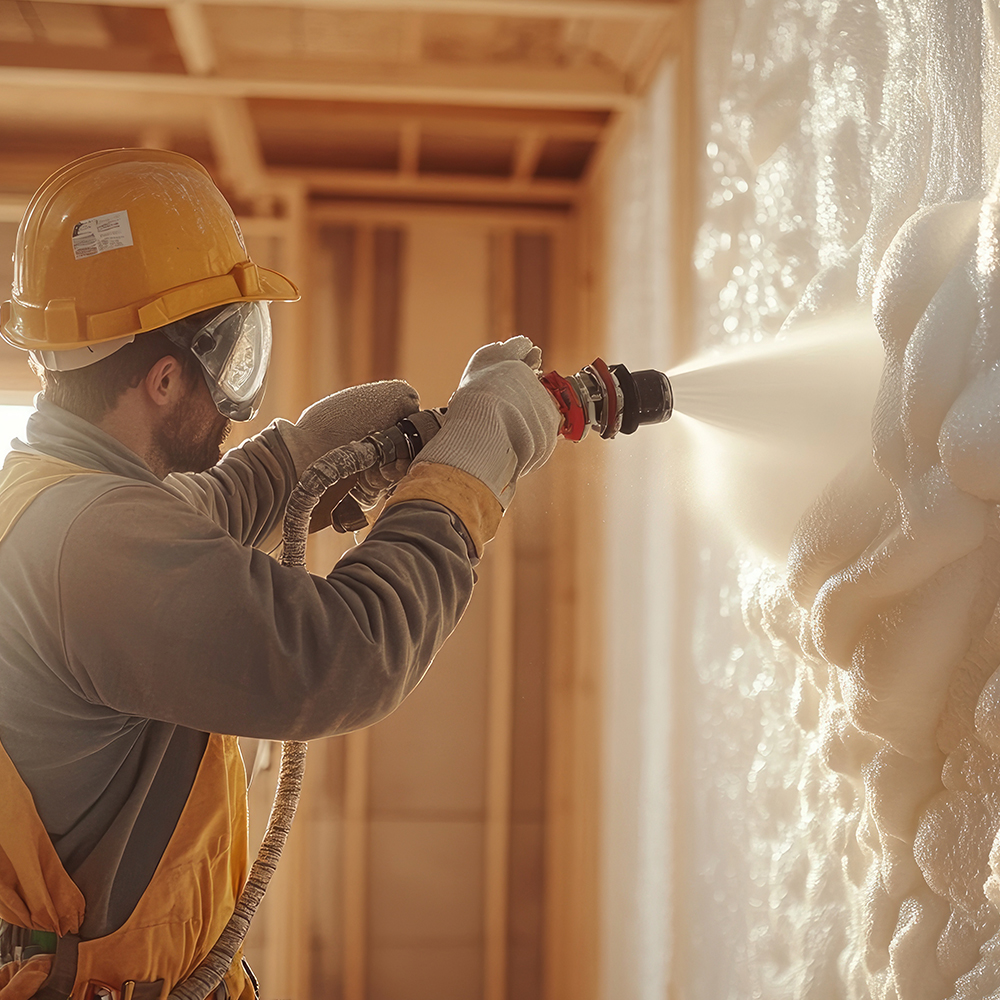
Spray foam insulation costs $2,000 to $12,000 installed for one area of a house, such as an attic, a roof deck, or a crawl space, including materials, labor, and prep work. Closed-cell foam runs $1.15 to $2.00 per board foot installed and open-cell $0.44 to $0.65, a board foot being one square foot of area at one inch of depth. The foam goes in as a liquid that expands and hardens into a solid barrier, sealing the gaps, cracks, and voids that leak air and undercut thermal performance.
Factors Influencing Spray Foam Insulation Costs
Several factors determine the cost of having spray foam insulation installed in your home. Firstly, the size of the area to be insulated plays a significant role. Larger spaces require more material and labor, increasing overall costs. Secondly, the type of spray foam used — open-cell or closed-cell — can impact the price. Closed-cell foam is denser and provides better insulation but comes at a higher cost. Lastly, the complexity of the installation process, including accessibility and existing conditions, can affect pricing. (For more on this, see How Much Does Spray Foam Insulation Cost?.)
Average Cost Breakdown
On average, homeowners can expect to pay between $2,000 and $12,000 for professionally installed spray foam on one area of a house, and insulation contractors commonly hold a minimum charge near $2,000, so a small job does not buy a small price. An attic or roof deck runs $2,970 to $12,000, a crawl space $2,100 to $3,600, and rim joists $2,100 to $2,800, each quoted as its own job. A whole-house retrofit that does the walls and the attic together runs $10,800 to $26,300. This estimate includes the cost of materials, labor, and any necessary preparation work. It’s important to note that prices may vary depending on your location and the specific requirements of your project. To get an accurate quote, it’s advisable to consult with reputable insulation companies in your area.
Material Costs
Installed spray foam typically runs $0.44 to $0.65 per board foot for open-cell foam and $1.15 to $2.00 per board foot for closed-cell foam. These are installed rates with labor already inside them, not material-only prices. A board foot is a unit of measurement that represents a one-foot by one-foot square with a thickness of one inch. The total material cost will depend on the volume of foam required for your project.
Labor Costs
Labor is not billed separately on residential spray foam work. Installers price the job by the board foot, and the per-board-foot rates above are installed rates with the labor already inside them, so there is no hourly charge to add on top. What changes the labor share is the size of the job, how accessible the cavity is, and how much prep the space needs before spraying. It’s essential to choose a reputable and experienced insulation contractor to ensure the installation is done correctly and efficiently.
Additional Expenses
In addition to material and labor costs, there may be other expenses to consider. These can include preparation work, such as removing existing insulation or repairing damaged areas, as well as any necessary permits or inspections. It’s crucial to discuss these potential additional costs with your chosen insulation company to avoid any surprises during the project.
Long-Term Savings
While the initial cost of spray foam insulation may seem significant, it’s essential to consider the long-term savings it can provide. Spray foam insulation offers superior thermal performance, reducing energy consumption and lowering utility bills. Additionally, it can enhance indoor comfort by maintaining consistent temperatures and reducing drafts. The energy savings and increased home value can offset the upfront investment over time. (For more on this, see How Long Does Spray Foam Insulation Last?.)
Comparing Open-Cell and Closed-Cell Foam
When choosing spray foam insulation, homeowners must decide between open-cell and closed-cell foam. Open-cell foam is more affordable and provides good insulation for typical residential applications. It is also more flexible and can expand to fill irregular spaces. On the other hand, closed-cell foam is denser and offers higher R-values, making it ideal for areas requiring maximum insulation, such as basements and crawl spaces.
DIY vs. Professional Installation
While some homeowners may consider a DIY approach to save costs, professional installation is highly recommended for spray foam insulation. Proper installation requires specialized equipment and expertise to ensure complete coverage and avoid issues such as gaps and uneven application. Hiring a professional insulation company guarantees a high-quality installation and maximizes the benefits of spray foam insulation.
Choosing the Right Insulation Company
Selecting the right insulation company is crucial to a successful spray foam insulation project. Look for experienced and licensed contractors who have a track record of delivering quality work. Reading customer reviews and asking for references can help you gauge the company’s reputation. Additionally, obtain multiple quotes to compare pricing and services offered by different companies.
Getting a Custom Quote
To get an accurate estimate for your spray foam insulation project, it’s essential to obtain a custom quote from reputable insulation companies. Most companies offer free consultations and assessments, during which they will evaluate your home’s specific needs and provide a detailed cost breakdown. Be sure to ask about any potential additional costs and inquire about warranty options for added peace of mind. (For more on this, see Spray Foam Insulation vs. Blown-In: Which Is Right for Your Home?.)
Benefits Beyond Cost Savings
Apart from energy savings, spray foam insulation offers several other benefits that make it a worthwhile investment. It acts as a barrier against moisture, reducing the risk of mold and mildew growth. It also enhances the structural integrity of your home by adding rigidity to walls and roofs. Additionally, spray foam insulation can improve indoor air quality by reducing the infiltration of outdoor pollutants and allergens.
Environmental Impact
Spray foam insulation is an environmentally friendly option for homeowners looking to reduce their carbon footprint. The energy savings achieved by improved insulation translate to lower greenhouse gas emissions. Additionally, many spray foam products are made from renewable and recycled materials, making them a sustainable choice for eco-conscious homeowners.
Conclusion
Investing in spray foam insulation for your walls and attic is a smart decision that can lead to significant energy savings, increased comfort, and improved home value. While the initial cost may vary based on factors such as the size of the area, type of foam, and labor expenses, the long-term benefits far outweigh the investment. By understanding the costs involved and choosing the right insulation company, you can make an informed decision that enhances the efficiency and sustainability of your home. The Department of Energy publishes recommended R-values by climate zone and where insulation pays back fastest.
Cost figures on this page were checked against published pricing on September 2, 2026. How we source cost data.
Frequently Asked Questions
Spray foam runs $2,000 to $12,000 installed for one area of a house, such as an attic, a roof deck, or a crawl space, including materials, labor, and prep work, and $10,800 to $26,300 for a whole-house retrofit doing the walls and the attic together.
Closed-cell foam is denser and insulates better but costs more, running $1.15 to $2.00 per board foot installed versus $0.44 to $0.65 for open-cell.
The main drivers are the area size, the foam type (open or closed cell), and installation complexity like accessibility and existing conditions.
Labor is not billed separately — installers price by the board foot and those rates already include labor, so job size, access, and prep work are what move the total.
It expands to seal gaps, cracks, and voids, forming a solid barrier that stops air leakage and delivers excellent thermal insulation.