What Hidden Costs Come With Stair Lifts and Elevators?
The advertised price of a stair lift or elevator is rarely the whole story. Beyond the unit itself, there are installation, electrical, permit, and ongoing costs that homeowners don’t always anticipate. Knowing them keeps your access project on budget. Here’s what to plan for.
Electrical Work
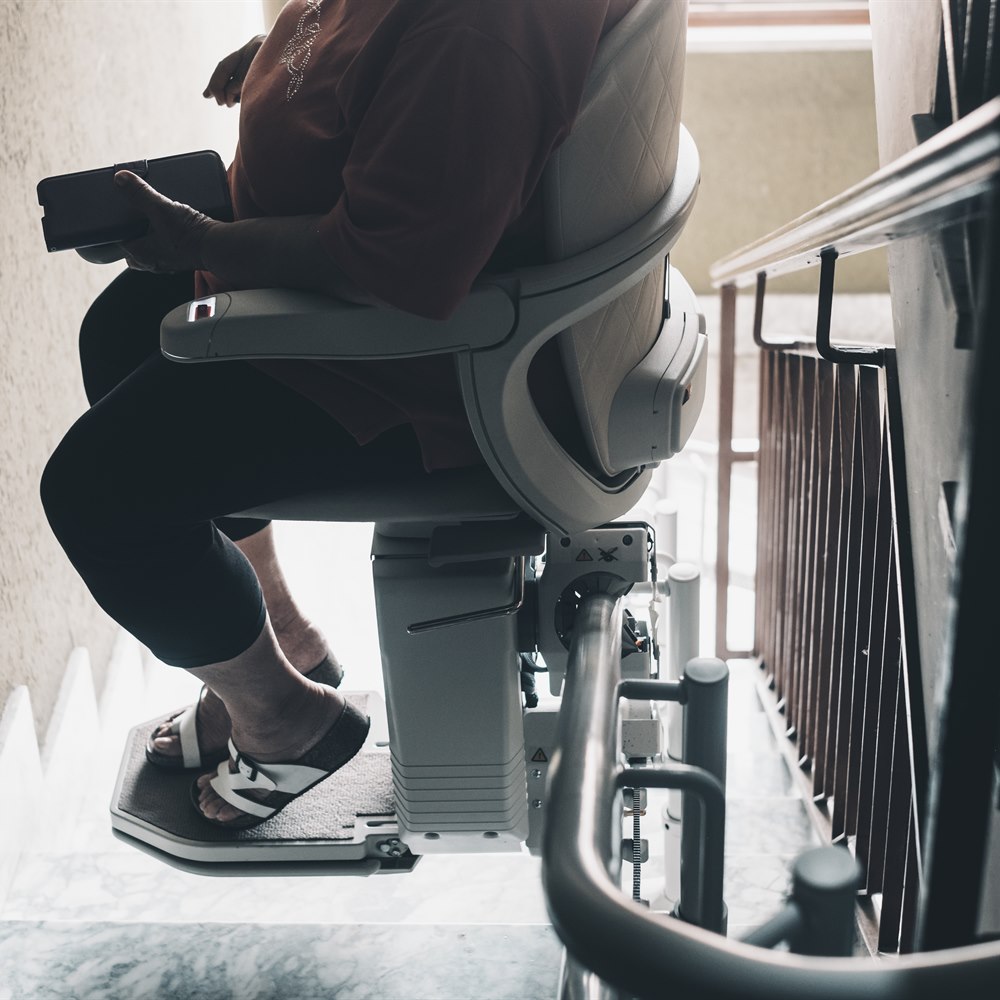
Both stair lifts and elevators need power. A stair lift plugs into a standard outlet to charge its battery, but if there’s no outlet conveniently located near the staircase, an electrician may need to add one, a modest but real added cost. An elevator has far more substantial electrical requirements, often needing dedicated circuits and proper wiring for its motor, controls, and safety systems. The electrical work to support the equipment is a cost beyond the unit price, more significant for elevators than for stair lifts. For a stair lift specifically, the electrical need is usually modest, the unit trickle-charges its battery from a standard household outlet, so the only electrical cost arises when no outlet sits near the top or bottom of the stairs and an electrician has to run one, whereas an elevator’s motor, controls, lighting, and safety systems typically call for dedicated circuits installed to code. (For more on this, see The Drawbacks of Stair Lifts and Home Elevators.)
Shaft or Structural Construction (Elevators)
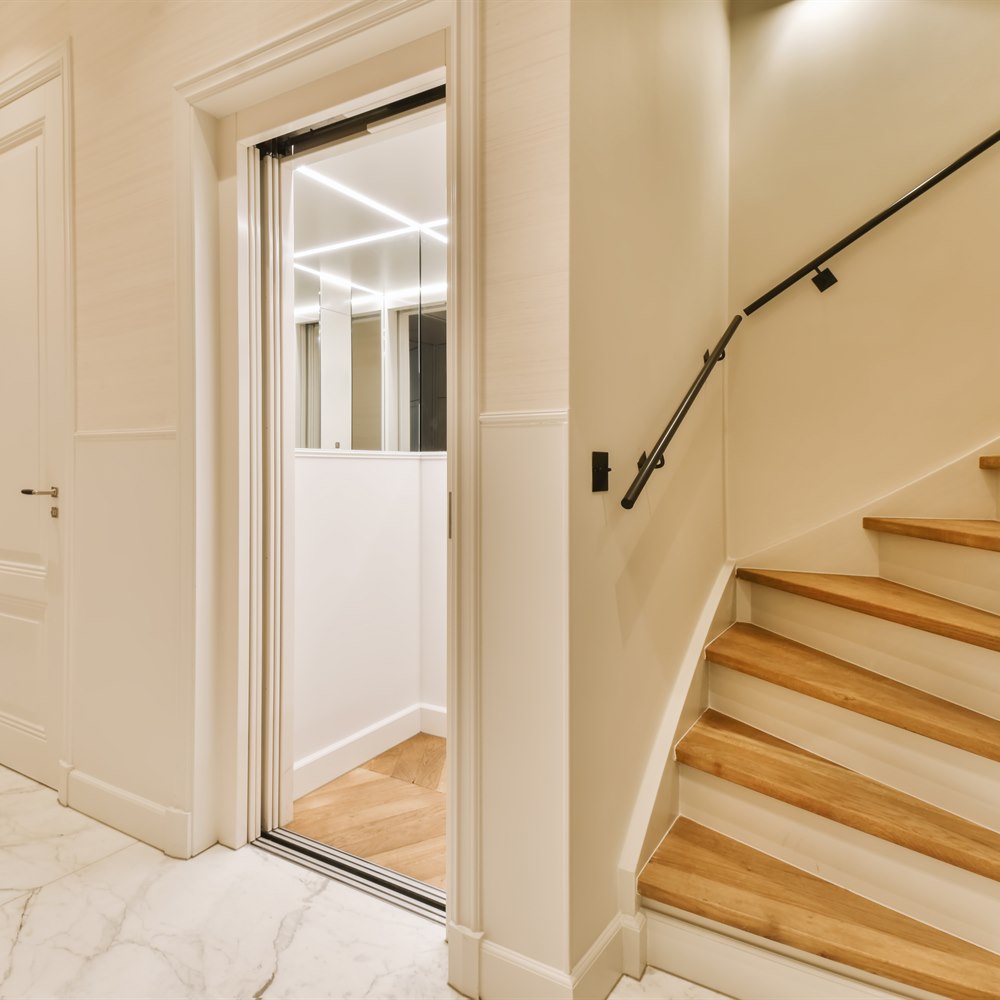
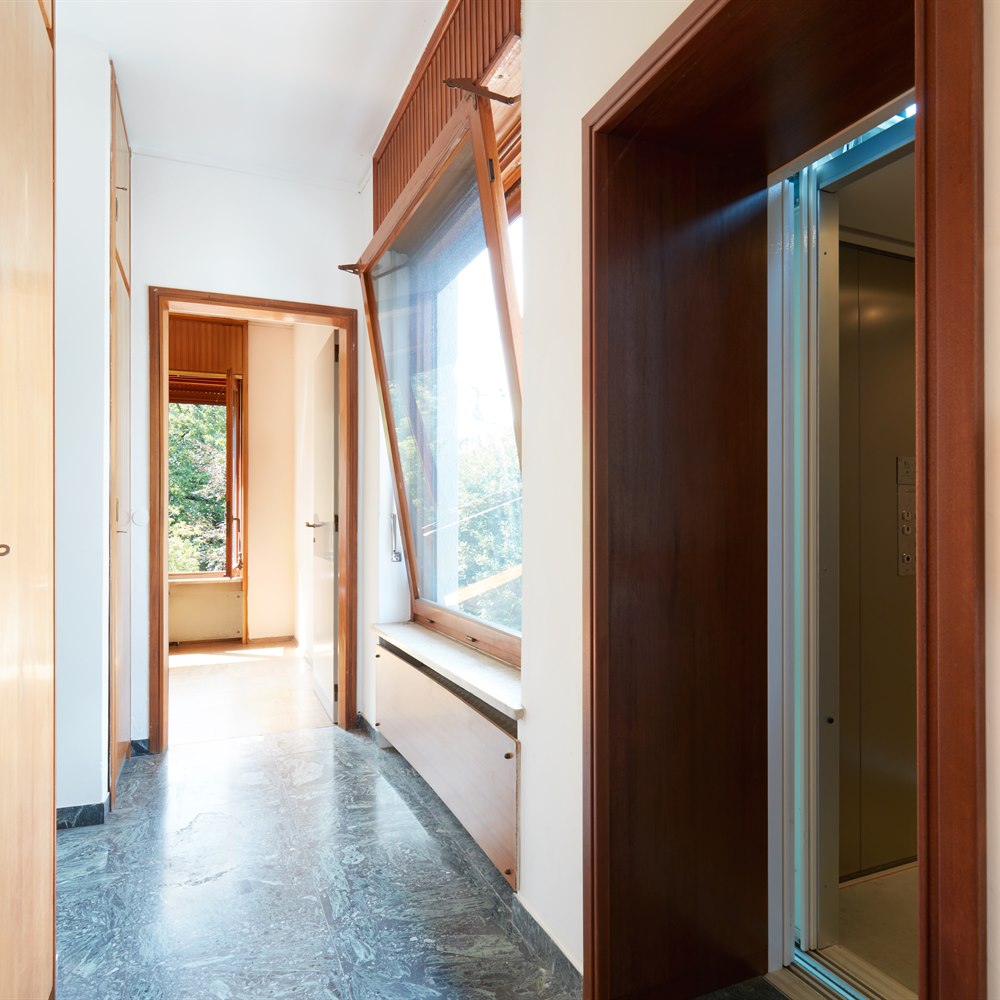
This is the big one for elevators. A residential elevator needs a shaft or dedicated vertical space, and creating that, cutting through floors, building the hoistway, framing the space, can be a major construction cost on top of the elevator equipment itself. In an existing home not designed for an elevator, this construction can rival or exceed the cost of the elevator unit. If you’re adding an elevator, the space and construction to house it is often the largest hidden cost. The hoistway itself has requirements beyond simply being an opening, it needs to be framed to specific dimensions, fire-rated in many jurisdictions, and built with the clearances the elevator’s mechanical type demands, so in an existing home the carpentry, framing, and finishing to create a compliant shaft is a substantial project in its own right, quite apart from the elevator equipment.
Permits and Inspections
Elevators, and sometimes stair lifts depending on the installation, require permits and inspections, elevators especially, given the structural work and safety systems involved. Permit fees and inspection time add to the total. This is essential (elevators have serious safety requirements), but a quote for just the equipment may not include it. Confirm permitting is accounted for, particularly for an elevator’s construction. Because elevators carry people and involve significant mechanical and structural systems, they’re subject to safety inspection in most areas, both at installation and sometimes periodically thereafter, so the permitting isn’t a formality but a genuine safety check, and factoring in both the permit fees and the time the inspection process adds to the project gives a more realistic timeline and budget. (For more on this, see How to Budget and Pay for a Stair Lift or Elevator.)
Ongoing Maintenance and Servicing
Access equipment needs regular maintenance to stay safe and reliable, and that’s an ongoing cost beyond the purchase. Stair lifts benefit from annual servicing; elevators require more intensive, regular professional maintenance given their complexity and safety systems. Budgeting for a service plan or periodic maintenance is part of the true cost of ownership. The purchase price is the beginning, not the end, of what access equipment costs over its life. A practical way to plan for this is to ask the provider about a service plan at the time of purchase, since regular professional servicing keeps the equipment safe and reliable and often preserves the warranty, and knowing the annual maintenance cost upfront lets you budget for the full cost of ownership rather than being surprised by it later.
Battery Replacement (Stair Lifts)
A stair lift runs on a rechargeable battery (which also provides backup during power outages), and that battery has a finite lifespan and will eventually need replacing. It’s a modest, periodic cost, but a real one over the years you own the lift. Factoring in eventual battery replacement, along with general servicing, gives a realistic picture of stair-lift ownership costs beyond the initial purchase. The same battery that eventually needs replacing is what makes the lift usable in a power outage, it stores enough charge for a number of trips even with the household power out, so maintaining a healthy battery isn’t only about longevity but about keeping that outage protection working, which is one more reason periodic replacement is a sensible planned cost rather than an optional one.
Removal or Modification Later
Worth knowing: a stair lift can be removed relatively easily with minimal damage if no longer needed, but an elevator is a permanent installation, removing it or converting the space back is a significant undertaking. This isn’t an upfront cost, but it’s a consideration in the long-term picture, especially for resale or if needs change. An elevator’s permanence is part of its true cost profile. (For more on this, see Stair Lift vs. Residential Elevator: Which Is Right?.)
Keeping Costs Predictable
The way to avoid surprises is to account for the full picture: electrical work to power the equipment, shaft construction for an elevator (often the largest hidden cost), permits and inspections, ongoing maintenance, eventual battery replacement for a stair lift, and the long-term implications of an elevator’s permanence. A reputable installer will explain these upfront. When you’re ready for a complete, honest quote, connect with local pros below.
Frequently Asked Questions
Electrical work if no outlet is near the staircase, ongoing servicing (annual is beneficial), and eventual battery replacement (the rechargeable battery has a finite lifespan). The unit price is the beginning, not the end, of ownership costs.
The shaft or structural construction. An elevator needs a dedicated vertical space, and cutting through floors, building the hoistway, and framing it can rival or exceed the cost of the elevator unit itself in a home not designed for one.
Elevators generally do, given their structural work and safety systems, and sometimes stair lifts depending on the installation. Permit fees and inspections add to the total. Confirm permitting is accounted for, particularly for an elevator's construction.
Yes. Stair lifts benefit from annual servicing; elevators require more intensive, regular professional maintenance given their complexity and safety systems. Budgeting for a service plan or periodic maintenance is part of the true cost of ownership.
A stair lift can be removed relatively easily with minimal damage if no longer needed. An elevator is a permanent installation, removing it or converting the space back is a significant undertaking, which matters for resale or changing needs.