What Hidden Costs Come With New Cabinets and Countertops?
The cabinet and countertop prices are the headline numbers, but a kitchen cabinet and counter project’s real cost can include several less-obvious expenses, and understanding them upfront keeps your budget realistic. Because replacing cabinets and counters involves removal, plumbing, and finishing, a few costs regularly catch homeowners off guard. Here’s what to plan for beyond the cabinets and countertops themselves.
Removing the Old Cabinets and Counters
A common hidden cost is removing and disposing of your existing cabinets and countertops. Tearing out old cabinets and counters, and hauling them away, takes labor and adds cost, and countertops (especially heavy stone) can be labor-intensive to remove. This demolition and disposal is separate from installing the new cabinets and counters, and it’s easy to forget when focused on the new materials. If your project involves replacing existing cabinets and countertops, factor in the removal, which is a real cost, especially for heavy or built-in existing units. (For more on this, see What Makes Cabinets and Countertops Cost More (or Less)?.)
Plumbing and Sink Work
Replacing countertops (and cabinets) usually involves disconnecting and reconnecting the sink, faucet, and plumbing, which adds cost. The sink must be removed for countertop replacement and reinstalled (or a new sink installed), the faucet reconnected, and the plumbing hooked back up, and if you’re changing the sink location or type, additional plumbing work is needed. This plumbing and sink work, necessary whenever countertops are replaced, is a real cost beyond the counters themselves. A garbage disposal, dishwasher connection, or water line for a fridge may factor in too. Budgeting for the plumbing work gives a realistic picture.
Countertop Fabrication and Installation
For stone and solid-surface countertops, the fabrication and installation are significant costs beyond the material. Stone countertops must be templated (precisely measured), fabricated (cut, edged, and finished), and professionally installed, often as separate steps requiring skilled work. The material price per square foot doesn’t include this fabrication and installation, which are substantial for stone. Edge profiles, cutouts (for the sink and cooktop), and seaming all factor in. Understanding that stone countertop costs include fabrication and installation, not just the slab, helps you budget accurately for a countertop project beyond the raw material. (For more on this, see Cabinet and Countertop Installation: What to Expect.)
Modifications and Adjustments
New cabinets and counters may require modifications that add cost. If the new layout differs from the old, electrical (for outlets, under-cabinet lighting), plumbing relocation, or wall work may be needed. New cabinets may reveal or require wall repairs. Appliances may need adjusting to fit. Backsplash work often accompanies a counter replacement. These modifications and adjacent work, while varying by project, are real potential costs that a cabinet and counter project can trigger, especially if the layout changes. Factoring in possible modifications helps you budget for the complete project, not just the cabinets and counters in isolation.
Hardware, Backsplash, and Finishing
Finishing details add cost. Cabinet hardware (knobs, pulls) is often a separate cost, and quality hardware for many cabinets adds up. A backsplash, frequently updated with new counters, adds material and labor. Trim, filler pieces, toe kicks, and finishing complete the installation. These finishing elements, easy to overlook when focused on the cabinets and counters, are part of a complete, polished result and add to the total. Understanding that hardware, backsplash, and finishing are real costs helps you budget for the finished kitchen you’re envisioning, not just the bare cabinets and countertops.
Why the Countertop Fabrication Process Adds Cost You Might Not Expect
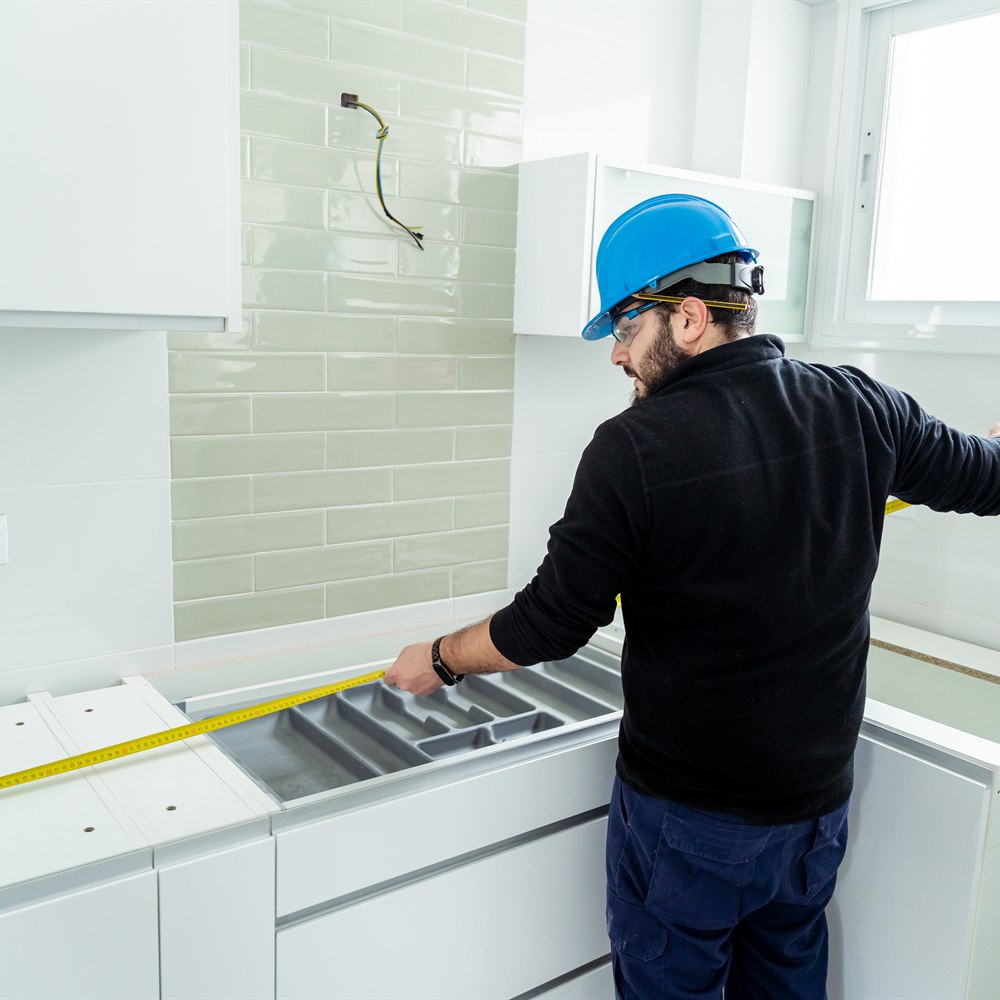
One aspect of countertop cost that regularly surprises homeowners is how much of the price for stone and quartz counters comes from the fabrication process rather than the raw material, and understanding this helps you budget realistically and interpret quotes. When you see a per-square-foot price for a granite or quartz slab, that figure often represents just the material, while the finished, installed cost includes several additional steps that require skilled labor and add substantially to the total. The stone must be templated (a precise measurement of your installed cabinets, often digital and exacting), then fabricated, which involves cutting the slab to size, creating cutouts for the sink and cooktop, shaping and polishing the edges to your chosen profile, and finishing the surface, and finally professionally installed, which for heavy stone requires expertise and often multiple people. Each of these steps adds cost beyond the raw slab.
This is why a stone countertop’s installed cost can be considerably more than a quick material-price calculation suggests, and why understanding the fabrication process helps you avoid budget surprises. The edge profile you choose affects the cost, more elaborate edges require more fabrication work, as do the number and complexity of cutouts and any seams (larger counters may need seaming, which requires skilled matching). When comparing countertop quotes, it’s important to understand whether the price includes the full fabrication and installation or just the material, since a low material price doesn’t reflect the finished cost. A quote for stone counters should cover templating, fabrication, edge work, cutouts, and installation, and understanding that these fabrication steps are a significant, legitimate part of the cost, not markup, helps you appreciate why quality stone counters cost what they do and budget accordingly. Recognizing that the value and cost of a stone countertop lie substantially in the skilled fabrication and installation, not just the slab, is key to budgeting realistically for this premium kitchen element and understanding what you’re paying for when you invest in stone counters.
Keeping Costs Predictable
The way to avoid surprises is to factor in old cabinet and counter removal, account for plumbing and sink work, understand countertop fabrication and installation costs, plan for possible modifications, and budget for hardware, backsplash, and finishing. A good contractor discusses these upfront. When you’re ready for a complete, honest quote, connect with local pros below. (For more on this, see How Long Does a Cabinet and Countertop Installation Take?.)
Frequently Asked Questions
Removing and disposing of your existing cabinets and countertops. Tearing out old cabinets and counters and hauling them away takes labor and adds cost, and countertops (especially heavy stone) can be labor-intensive to remove. This demolition and disposal is separate from installing the new materials and easy to forget, so if your project involves replacing existing cabinets and counters, factor in the removal cost.
Yes. Replacing countertops usually involves disconnecting and reconnecting the sink, faucet, and plumbing, which adds cost. The sink must be removed and reinstalled (or a new one installed), the faucet reconnected, and the plumbing hooked back up, with additional work if you change the sink location or type. A garbage disposal or dishwasher connection may factor in too. This plumbing and sink work is a real cost beyond the counters themselves.
Yes. For stone and solid-surface countertops, the fabrication and installation are significant costs beyond the material. Stone must be templated (precisely measured), fabricated (cut, edged, finished), and professionally installed, often as separate skilled steps. The material price per square foot doesn't include this. Edge profiles, cutouts for the sink and cooktop, and seaming all factor in, so stone countertop costs include fabrication and installation, not just the slab.
Yes. New cabinets and counters may require modifications, if the layout differs from the old, electrical (outlets, under-cabinet lighting), plumbing relocation, or wall work may be needed. New cabinets may reveal or require wall repairs, appliances may need adjusting to fit, and backsplash work often accompanies a counter replacement. These modifications and adjacent work are real potential costs, especially if the layout changes, so factor them into the budget.
Often, yes. Cabinet hardware (knobs, pulls) is frequently a separate cost, and quality hardware across many cabinets adds up. A backsplash, often updated with new counters, adds material and labor, and trim, filler pieces, and finishing complete the installation. These finishing elements, easy to overlook, are part of a complete, polished result, so budgeting for hardware, backsplash, and finishing gives a realistic picture of the finished kitchen.