Basement Waterproofing
Keep Your Basement Dry for Good
A wet basement is more than a nuisance, it fuels mold, damages belongings, and can signal water working against your foundation. Waterproofing addresses the source, keeping your basement dry and protecting both your home's structure and the space's usability.
The right approach depends on your situation. A good pro assesses whether interior solutions like drainage and sump pumps, exterior membranes, or a combination will actually solve your water problem, rather than applying a one-size-fits-all fix.
Abode connects you with local waterproofing specialists. Compare pros, understand the cost, and reclaim a dry, usable basement.

Did You Know?
A persistently damp basement is one of the most common triggers for household mold, which can begin growing within 24 to 48 hours of water intrusion.
Basement Waterproofing Cost. How Much Do Projects Cost?
Most projects run between $6,000 and $15,000. The average price is typically around $10,000. The $6,000 to $15,000 summary describes a full interior perimeter drain tile system with a sump pump, the most common whole-basement fix, priced at $60 to $120 per linear foot of wall. Exterior waterproofing is a different job at $15,000 to $35,000, and targeted repairs like a sump pump alone or a crack injection run $600 to $2,500, so both sit outside the summary range.
Typical duration: 1 day to 1 week
| Cost Factor | Typical Range | Notes |
|---|---|---|
| Interior perimeter drain tile and sump | $6,000-$15,000 installed | A full basement perimeter at $60-$120 per linear foot of wall, discharging to a sump basin and pump |
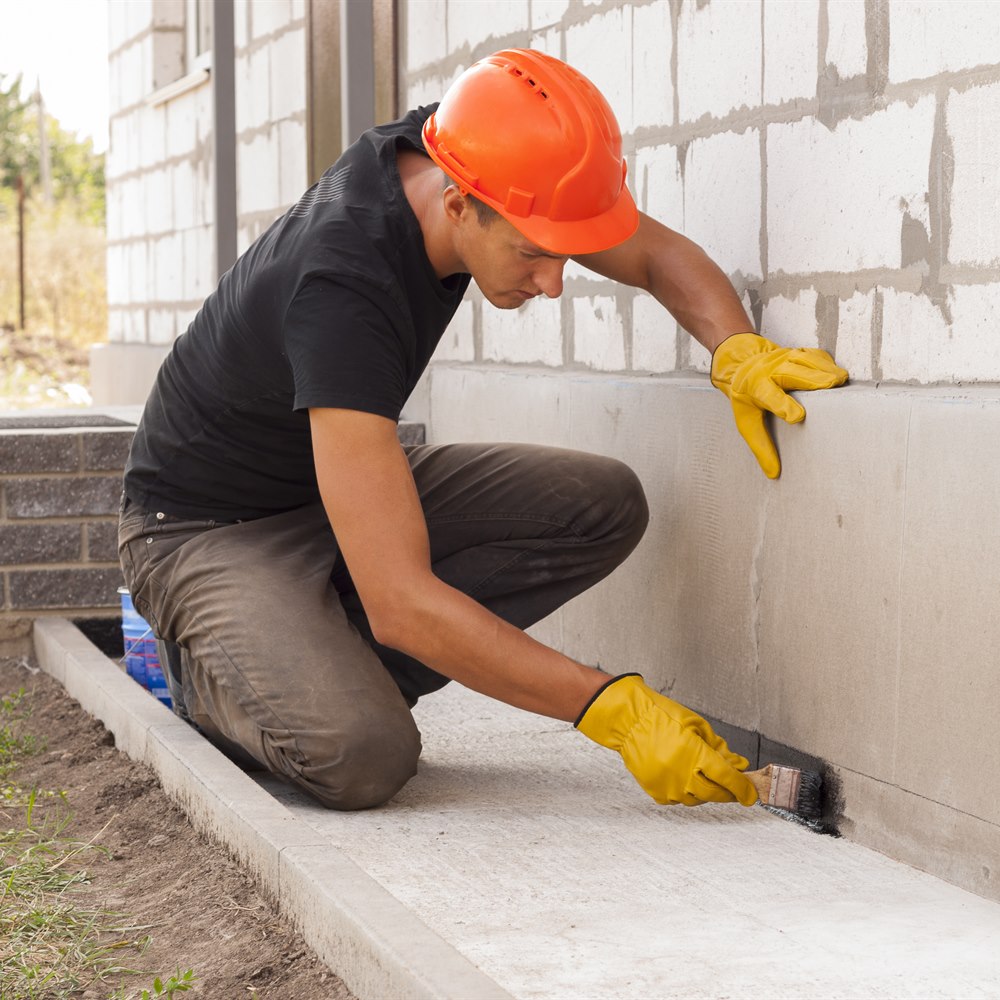
| Interior sealing or coating only | $1,000-$3,000 | Sealer and coating on the walls; it handles minor dampness, not water under pressure |
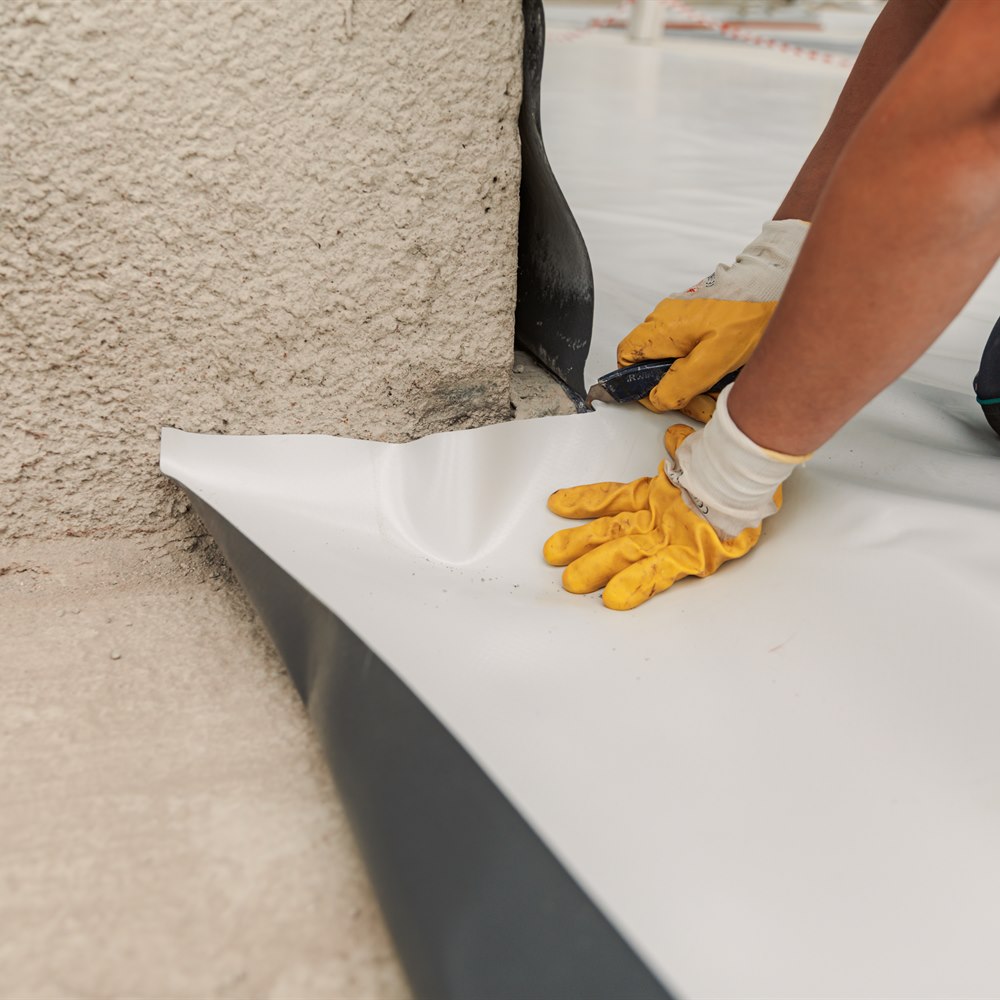
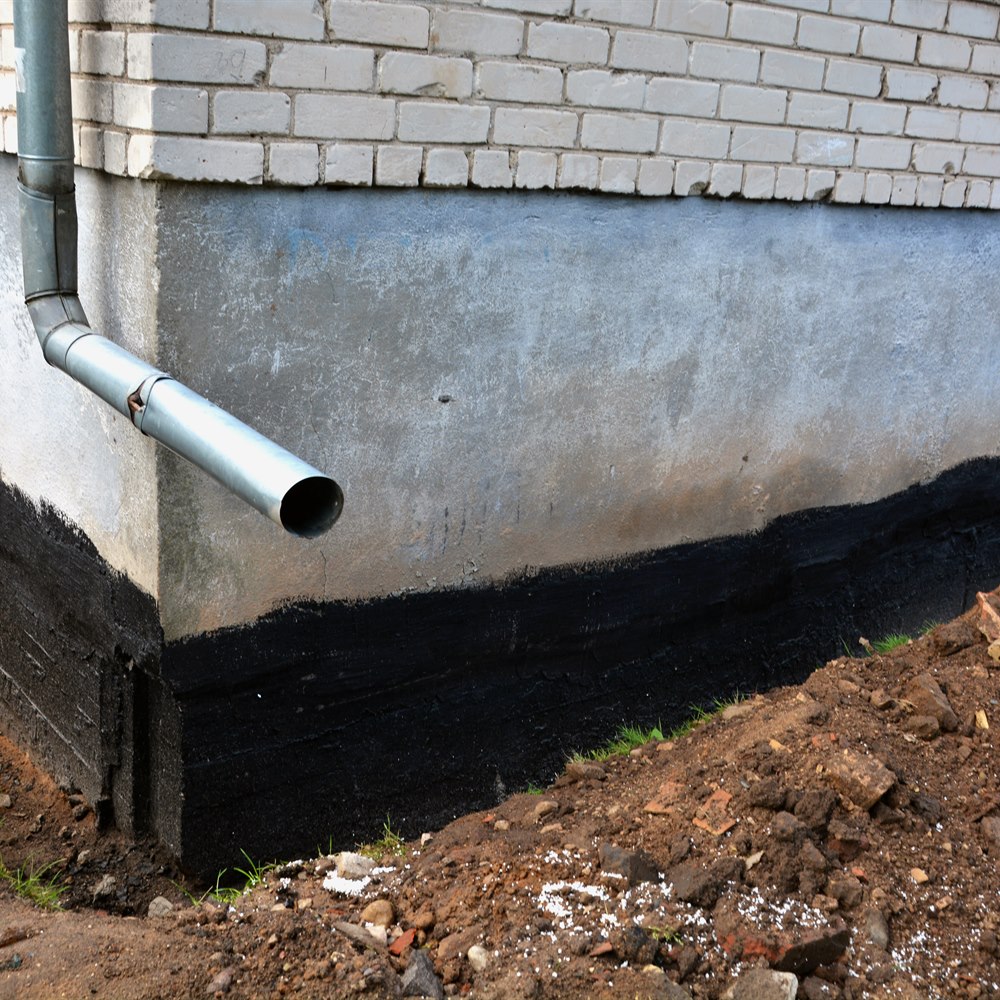
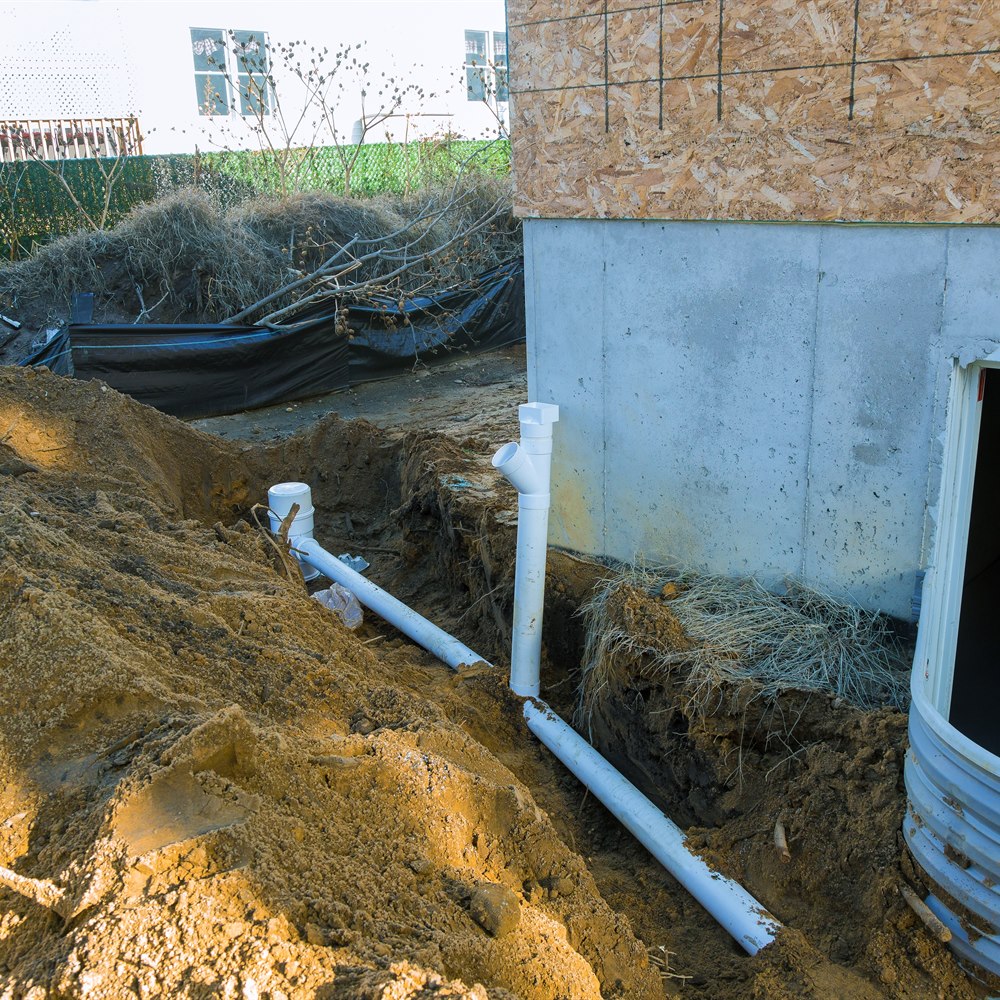
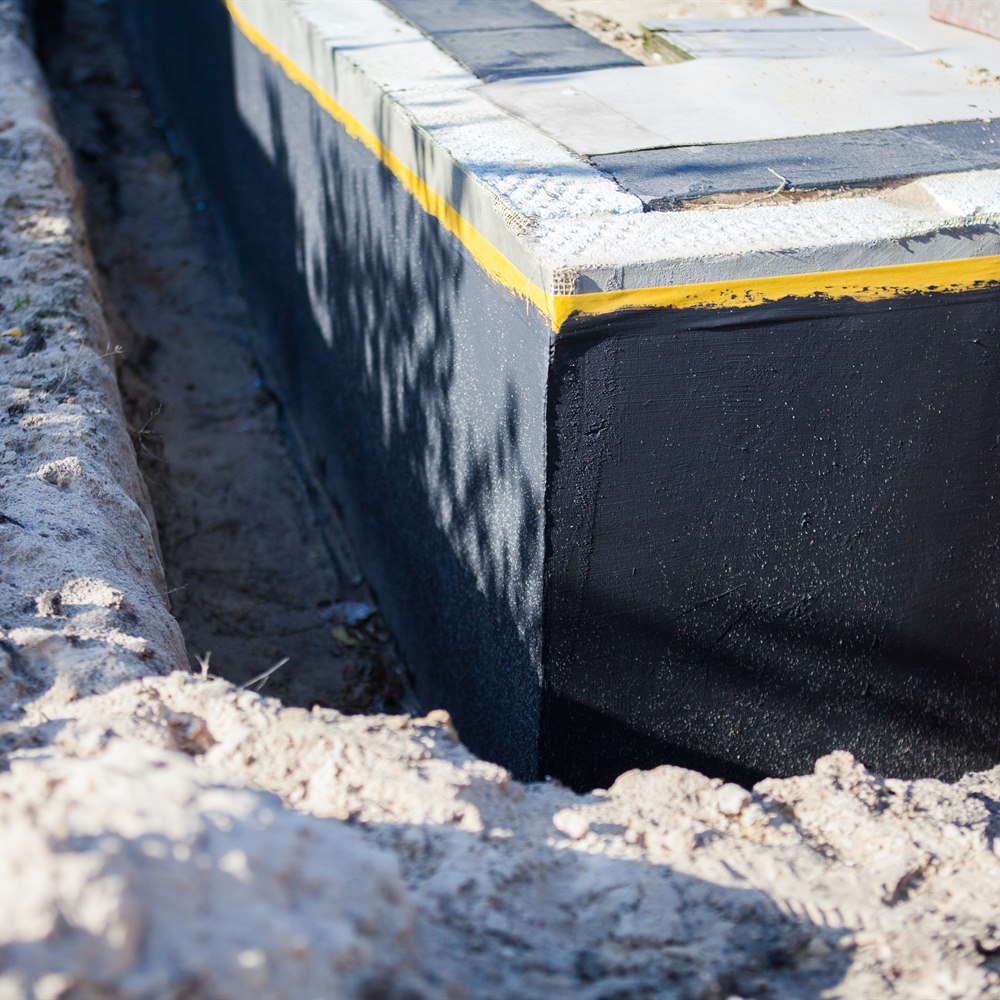
| Exterior excavation and membrane | $15,000-$35,000 installed | Digging to the footing around the full perimeter at $100-$300 per linear foot; $6,000-$12,000 buys one wall, not a whole house |
| Sump pump or crack sealing | $600-$2,500 | Targeted fixes for specific issues |
Cost data verified August 25, 2026. How we source cost data.
08/25/2026
Signs You Need Basement Waterproofing
- Water or dampness in the basement
- Musty odors or visible mold
- Efflorescence (white residue) on walls
- Cracks letting in water
- Pooling after heavy rain
Is It Right For You?
Who It's For
- Homeowners with a wet or damp basement
- Anyone protecting a foundation from water intrusion
Who It's Not For
- Dry basements with no moisture issues
- Structural foundation problems needing repair first
What to Watch Out For
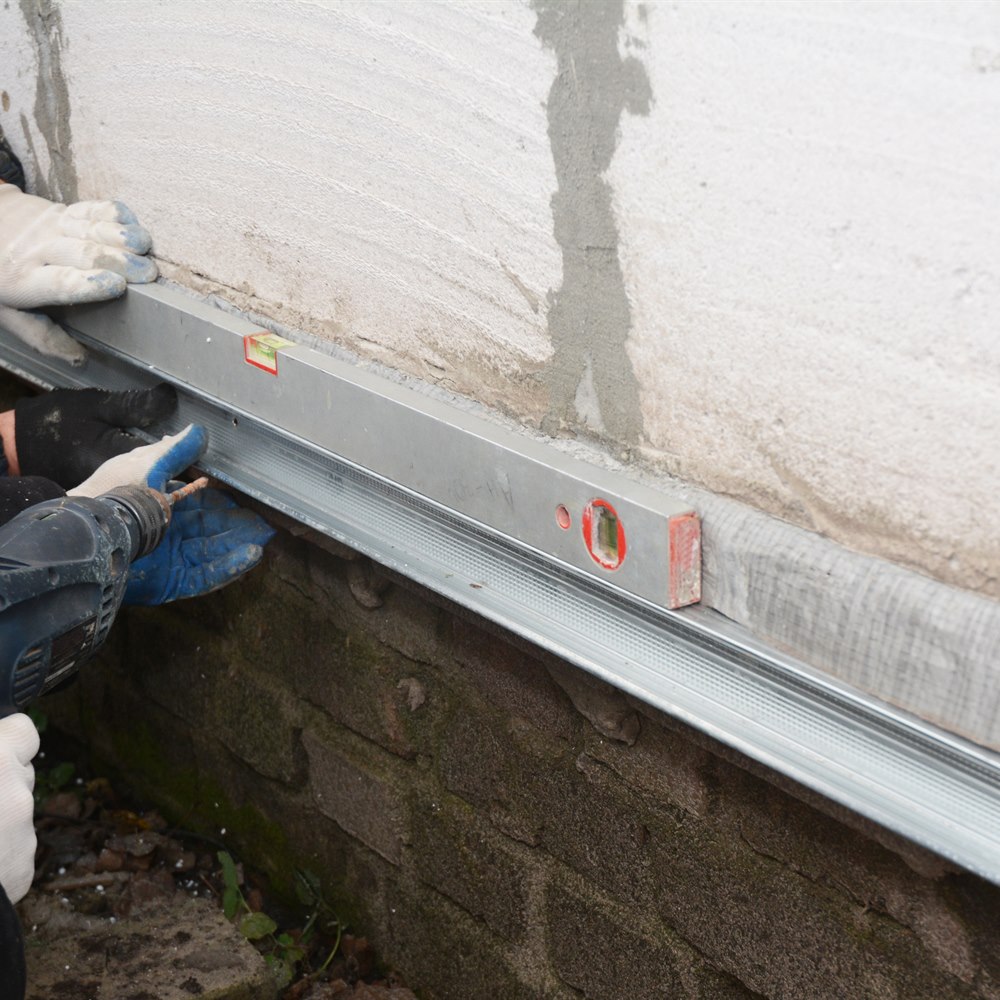
They require excavation around the home's perimeter
Existing water damage and mold need remediation before waterproofing
Alternatives to Consider
| Alternative | Better When | Worse When |
|---|---|---|
| Dehumidifier only | Cheap for minor dampness | Won't stop active water intrusion |
| Interior sealer paint | Low cost | Only helps with minor dampness, not water under pressure |
Is It Worth It?
Basement waterproofing is worth it for any home with water intrusion, preventing mold, structural damage, and lost living space that cost far more to fix.
Questions to Ask Your Pro
- Is interior, exterior, or a combination best for my situation?
- What's causing the water, and will you address the source?
- Is there a warranty, and is it transferable?
Frequently Asked Questions
A full interior perimeter drain tile system with a sump pump runs $6,000 to $15,000, or $60 to $120 per linear foot of wall. Exterior excavation and membrane runs $15,000 to $35,000, and targeted fixes like a sump pump alone or a crack injection run $600 to $2,500.
Interior methods like drainage and sump pumps manage water that enters, while exterior methods use excavation and membranes to prevent water from reaching the foundation. An interior system typically costs 30 to 50 percent less than exterior excavation.
Common causes are poor drainage, hydrostatic pressure from groundwater, foundation cracks, and grading that directs water toward the home.
Yes. Existing water damage and mold should be remediated first, since waterproofing is a preventative measure, not a cleanup.
A pro assesses your foundation type, water source, and severity to recommend interior, exterior, or a combination approach.