
When Should You Upgrade Your Home Security System?
Home security technology has changed significantly in the last decade. Here are the signals that your current system is not providing adequate protection.
The System Is More Than 10 Years Old
Systems installed more than 10 years ago typically lack smartphone integration, cellular backup, HD cameras, and smart home compatibility. A decade-old system may not have been updated with the software and hardware improvements that modern systems include. Control panels that require physical keypad entry (no app access), cameras with sub-720p resolution, and sensors without two-way communication are reliable indicators of a system overdue for replacement. Technology in the security category has improved substantially a modern mid-grade system significantly outperforms a top-tier system from 2015. (For more on this, see How Much Does a Home Security System Cost?.)
The System Relies on Landline Communication
Systems that communicate with the monitoring center over a phone landline are vulnerable to landline disruption (which many homeowners no longer have) and are the most easily defeated by simply cutting the phone line. If your monitoring contract specifies landline communication as the primary channel: the system requires upgrading to cellular. Cellular backup where the system automatically switches to a cellular network if the primary communication method fails is the minimum standard for effective professional monitoring today. (For more on this, see DIY vs. Professional Home Security Systems.)
No Remote Access or Smart Home Integration
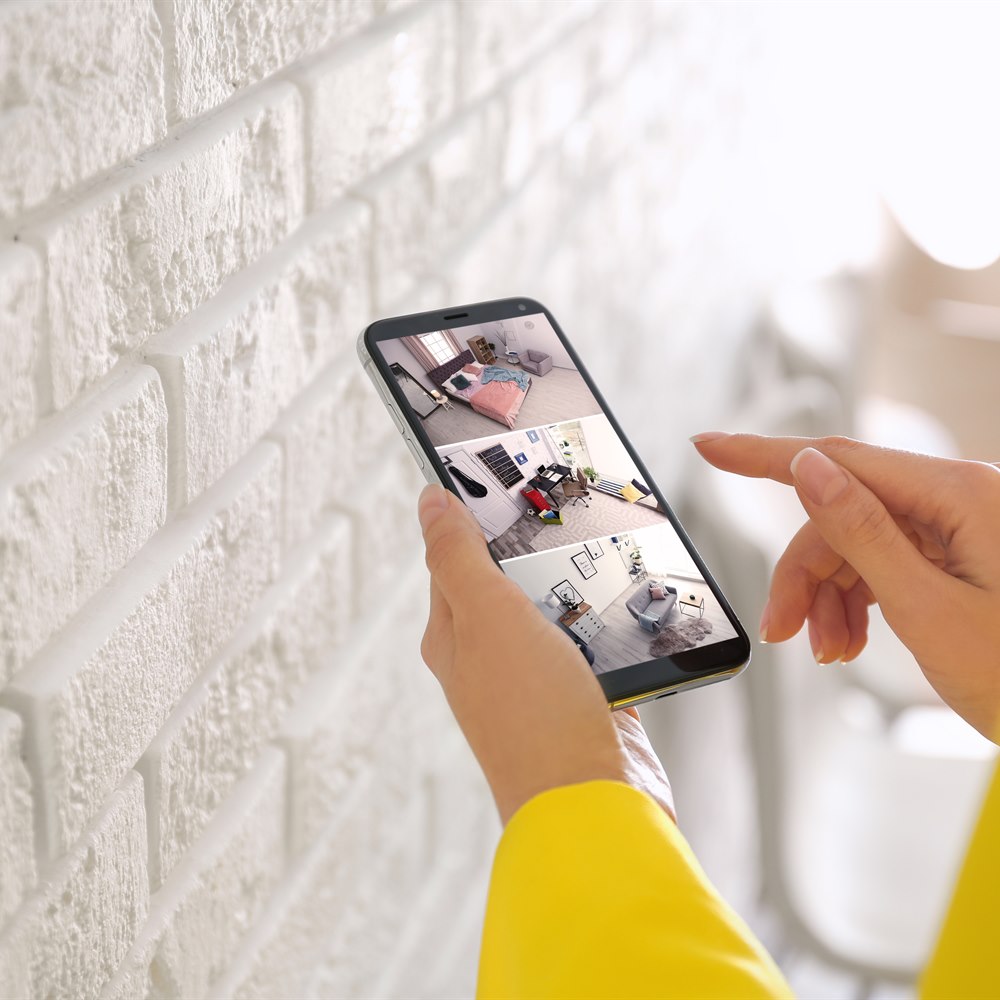
A system you can only control from the keypad in your home provides zero remote visibility. Remote arm/disarm, live camera access, and event notifications via smartphone app are baseline features of modern systems. If you cannot check your home’s security status or see a camera feed while traveling: your system is not using its full potential as a security tool. Smart home integration (connecting the security system with smart locks, lights, and thermostats) adds convenience and automation value beyond basic alarm function.
Working With a Contractor on This Project
Getting the right outcome on any home services project starts before the work begins. A few consistent practices make the difference between a smooth project and a frustrating one.
Get at least two or three quotes. A single quote gives you no basis for comparison. Two or three quotes reveal the market rate for the work, expose scope differences between bidders, and let you assess contractor communication quality before any commitment is made. The lowest bid is not automatically the best value if the scope is thin or the materials are underspecified.
Ask for licenses and insurance before work starts. Verify current general liability insurance and, for any work involving workers on your property, workers compensation coverage. Licensing requirements vary by state and trade; confirm the specific requirements in your jurisdiction. A licensed contractor who carries appropriate insurance protects both parties if something goes wrong during the project.
Get the scope in writing. A written proposal that specifies materials, labor scope, timeline, what is included (permits, cleanup, disposal), and warranty terms is the foundation of a professional engagement. Verbal agreements on any of these points invite misunderstanding. For any project over $500, written scope is non-negotiable.
Clarify the payment schedule upfront. A reasonable payment schedule ties major payments to project milestones: a deposit at signing, a payment at material delivery or project start, and a final payment at completion after a walkthrough confirms satisfaction. A contractor who requires full payment upfront before work begins is a red flag in any trade.
Making a Confident Decision
The information in this article is designed to help you ask better questions of the professionals you work with, evaluate their answers with more confidence, and understand the decisions involved in this type of home services project. It is not a substitute for professional assessment of your specific home.
Every home is different. Roof slopes, local weather, tree exposure, soil conditions, and existing system condition all affect what the right solution is for your specific situation. The general principles here apply broadly, but a professional who assesses your home in person will give you guidance that accounts for the details that general articles cannot.
When you are ready to move forward, getting at least two or three quotes from licensed, insured, local contractors is the most important practical step. It lets you compare approaches, assess contractor quality, and confirm that the solution proposed matches your specific situation and budget.
Home Security System Cost at a Glance
Here is a quick reference for home security system costs by system type and installation method. All ranges below include equipment; installation cost and monthly monitoring are noted separately. (For more on this, see How to Find the Best Home Security Company.)
| Cost Factor | Typical Range | Notes |
|---|---|---|
| Basic DIY kit (self-installed) | $100 to $300 in equipment | Includes essential door and window sensors, a hub, a keypad, and basic motion detection. Self-monitoring with camera recording runs about $10 a month, and professional monitoring is optional at $14.99 to $39.99 per month with no long-term contract for most DIY platforms. |
| Professional system with installation | $99 to $1,000 upfront | equipment minimums of $269 to $369 plus a $99 installation fee, or $99 all-in on a promotional install. Cellular backup included. Monitoring is a separate recurring charge of $25 to $60 per month, typically on a 2 to 3-year contract, with an early termination fee of 75 percent of the monthly charges remaining on the term. |
| Comprehensive smart-home security system | $1,200 to $2,500 installed | in equipment and professional installation Includes cameras at every entry point, smart locks, video doorbell, glass break sensors, smoke and CO detectors, and full smart-home integration. Professional monitoring at $40 to $60 per month, billed separately. |
Cost figures on this page were checked against published pricing on September 2, 2026. How we source cost data.
Monthly monitoring costs are ongoing and add significantly to the total cost of ownership over a 3 to 5-year period. Compare total cost including monitoring when evaluating system options.