What Drives Tree Planting Costs?
Tree planting runs from about $100 to $1,300 per tree for nursery container stock, and where you land depends on the tree’s size, its species, your site conditions, and any extras. Here’s what moves the number.
The Tree’s Size
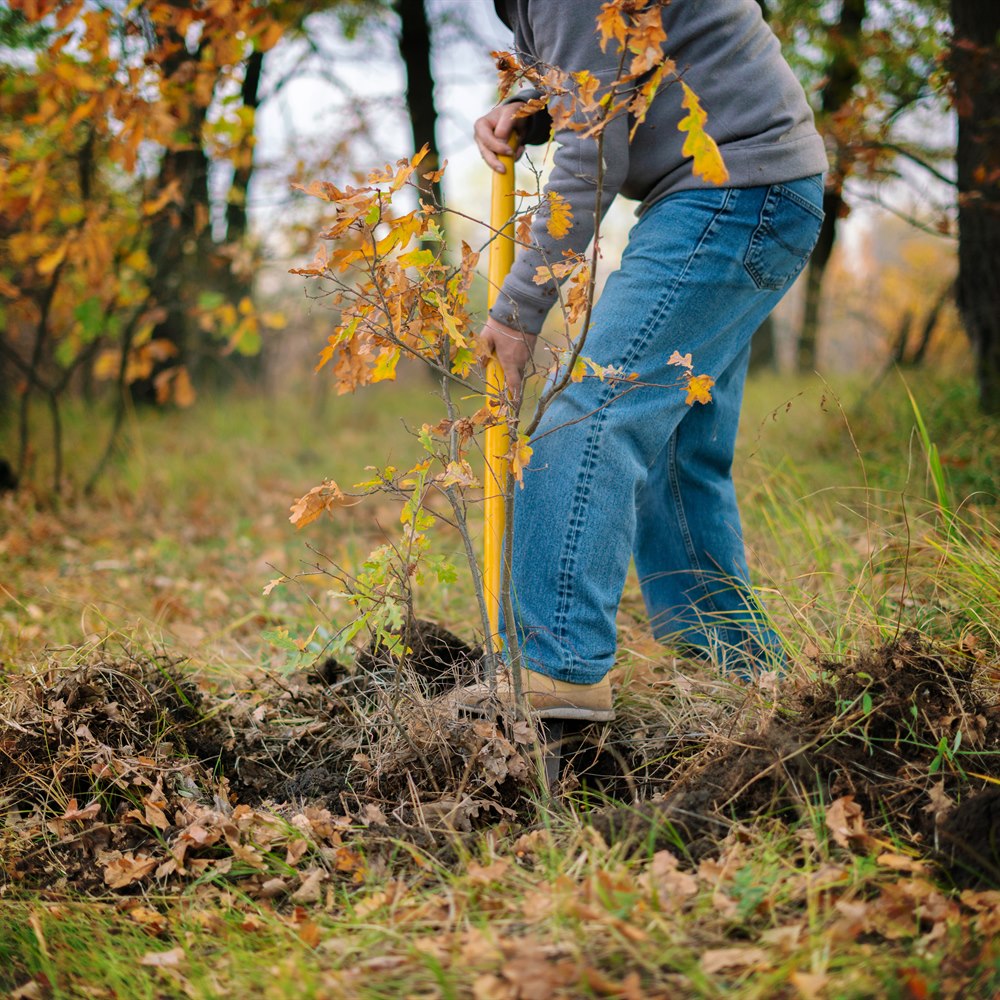
Size is the biggest driver. A small sapling ($100-$300) is cheap to buy and quick to plant; a medium tree ($300-$700) costs more for larger stock and labor; a large container tree ($400-$1,300 installed) is expensive to buy and requires equipment and careful handling, a balled-and-burlapped or large-caliper specimen is dearer still at about $400 per diameter inch delivered and planted, or $840 to $3,200 all in, and relocating a tree you already own is a different job again at $300 to $700, up to $5,000 for an extra-large specimen. The size of the tree you plant is the single largest factor in the cost. Small saplings are affordable; large trees are a premium. The cost climbs with size on every front at once, a bigger tree carries a higher nursery price for the years of growing it represents, a heavier root ball that needs equipment to move, and a larger hole that takes longer to dig, so unlike many purchases where size adds cost gradually, tree size drives price, handling, and labor together, which is why the gap between a sapling and a specimen is so wide. (For more on this, see Tree Planting ROI: How Trees Add Home Value.) The Arbor Day Foundation details correct planting depth and technique for bare-root and containerized stock.
The Species and Type
The tree species affects the price. Common, fast-growing trees are inexpensive; rare, slow-growing, specimen, or specially-cultivated trees cost more to buy. A common shade tree costs far less than a rare ornamental or a mature specimen. The species and its availability influence the tree’s cost. Rarer or specimen trees carry a premium. Availability and growth rate drive the species premium, a common, vigorous shade tree is mass-produced by nurseries and cheap to buy, while a slow-growing, specially-grafted, or hard-to-find ornamental represents far more years and care to produce and so commands a higher price, meaning two trees of identical size can differ substantially in cost purely on which species you’ve chosen.
The Site Conditions
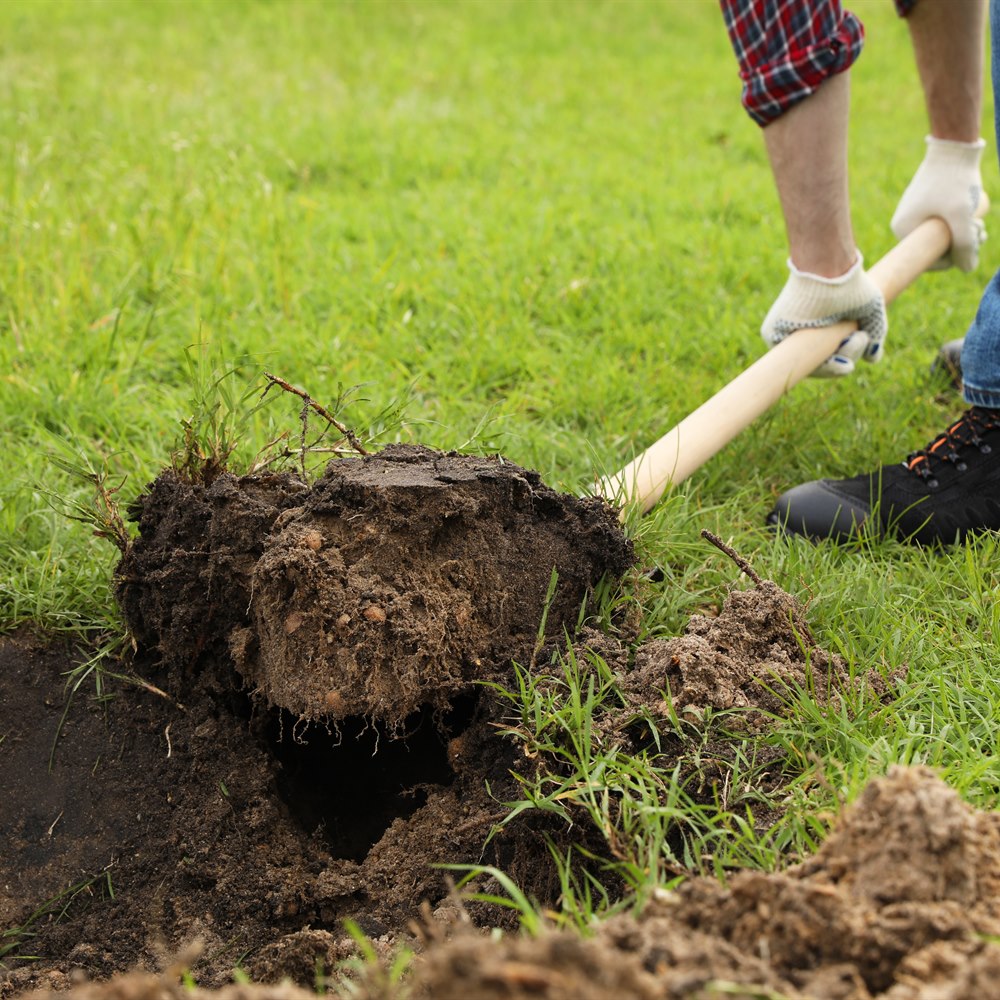
Your site affects the planting cost. Easy-to-dig soil in an open, accessible spot is cheapest. Hard, rocky, or compacted soil is harder to dig; poor soil may need amendment; and a difficult-access site (for a large tree needing equipment) adds cost. Your specific site conditions affect the labor and any soil work needed. Difficult sites cost more to plant in. Site difficulty shows up as extra labor at every step, digging a hole in rocky or heavy clay soil is slow and sometimes needs mechanical help, poor soil may require loosening a wide area to give roots a chance, and a tight or sloped spot complicates both the digging and any equipment, so the same tree can cost noticeably more to plant on a challenging site than in open, workable ground. (For more on this, see How Much Does Tree Planting Cost?.) Before any digging begins, call 811 — the free national before-you-dig service — to have underground utilities located and marked.
Equipment Needs
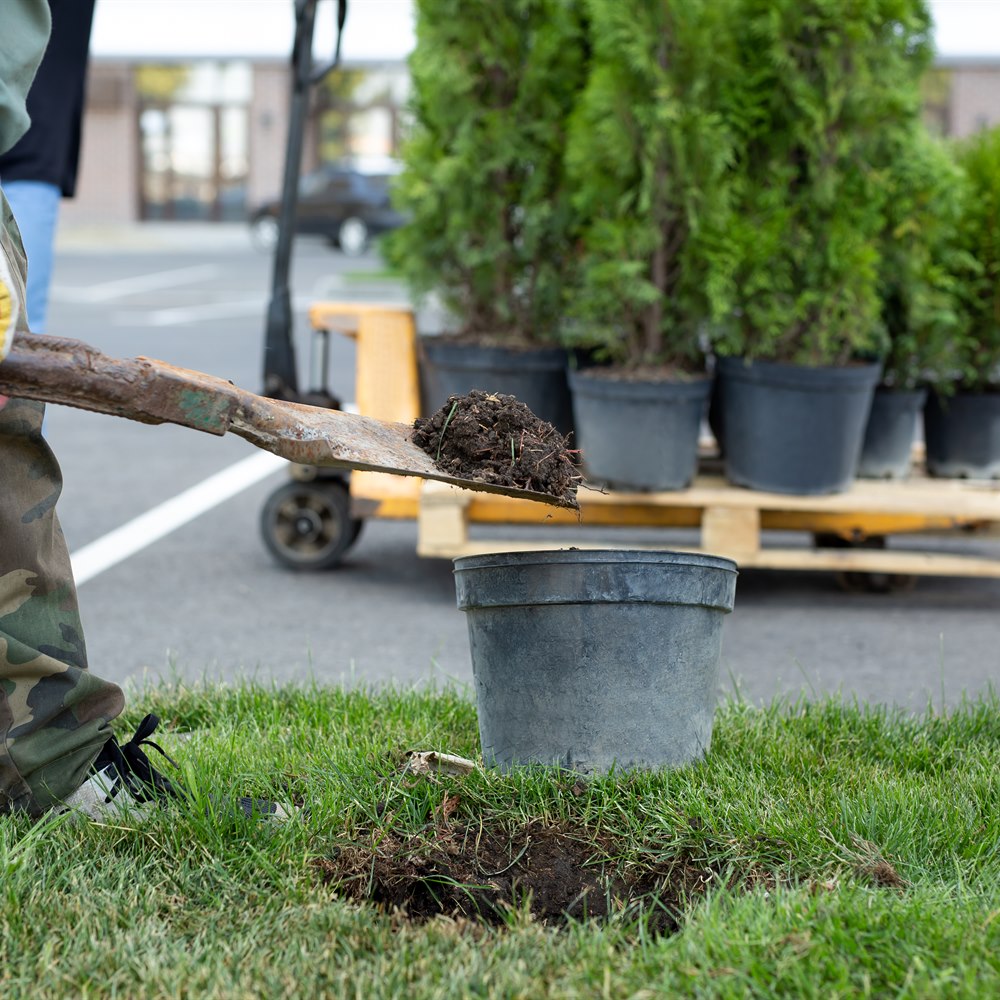
Large trees require equipment, a machine to move and set a heavy tree or large root ball, which adds cost. A small tree is planted by hand; a large one may need a crane, tree spade, or other equipment. The equipment a larger tree requires is a cost factor. Bigger trees mean equipment, and equipment means cost. The threshold where equipment becomes necessary is a real cost step, a tree small enough to lift and set by hand skips machinery entirely, but once the root ball is too heavy to move manually, the job requires a tree spade, crane, or skid-steer plus the operator and the access to bring it in, which is a substantial jump beyond hand labor and part of why large trees cost so much more to install.
The Number of Trees
How many trees you’re planting affects the per-tree cost. Planting several trees at once is often more cost-effective per tree than a single planting, since the service is on-site with everything ready. Bundling multiple trees can lower the per-tree price. For a larger planting project, per-tree cost may drop. Volume can improve the per-tree economics. The savings on multiple trees come from spreading the fixed costs of a visit, the crew’s travel, setup, and equipment mobilization happen once whether they plant one tree or ten, so those overheads divide across more trees, and a larger order may also earn better pricing on the stock itself, which is why a windbreak or an orchard planted together costs meaningfully less per tree than the same trees planted one at a time. (For more on this, see How to Budget and Pay for Tree Planting.)
Extras and Aftercare
Extras like soil amendment, staking, mulching, an establishment-care or watering plan, or a survival warranty add to the base cost. A bare planting is cheaper than a full-service planting with soil work, support, and a guarantee. Which extras you include, for the tree’s health and your peace of mind, affects the total. Aftercare and guarantees add cost but protect your investment. These extras are worth weighing as insurance rather than frills, because soil work, staking, and mulching materially improve the odds a tree survives its first vulnerable years, and a survival warranty shifts the risk of loss onto the service, so while a bare planting is cheaper upfront, the modest added cost of proper establishment care and a guarantee can be the difference between a thriving tree and paying twice to replace a dead one.
Getting an Accurate Price
Because size, species, site, equipment, quantity, and extras all move the number, an accurate quote depends on your specific trees and site. A small sapling in easy soil is at the low end; a large specimen in difficult soil is at the top. When you’re ready for an assessment, connect with a local pro below.
Cost figures on this page were checked against published pricing on September 2, 2026. How we source cost data.
Frequently Asked Questions
The tree's size. A small sapling ($100-$300) is cheap to buy and quick to plant, a medium tree ($300-$700) costs more for larger stock and labor, and a large container tree ($400-$1,300 installed) is expensive to buy and requires equipment and careful handling. Size is the single largest cost factor.
Yes. Common, fast-growing trees are inexpensive; rare, slow-growing, specimen, or specially-cultivated trees cost more to buy. A common shade tree costs far less than a rare ornamental or mature specimen. The species and its availability influence the tree's cost, rarer or specimen trees carry a premium.
Yes. Easy-to-dig soil in an open, accessible spot is cheapest. Hard, rocky, or compacted soil is harder to dig, poor soil may need amendment, and a difficult-access site (for a large tree needing equipment) adds cost. Your specific site conditions affect the labor and any soil work needed.
Often, yes. Planting several trees in one visit is usually more cost-effective per tree than a single planting, since the service is on-site with everything ready. Bundling multiple trees can lower the per-tree price. For a larger planting project, the per-tree cost may drop, volume improves the economics.
Yes. Extras like soil amendment, staking, mulching, an establishment-care or watering plan, or a survival warranty add to the base cost. A bare planting is cheaper than a full-service planting with soil work, support, and a guarantee. These protect your investment but add to the total.