What Drives Flooring Costs?
Flooring costs, typically $3 to $25 per square foot installed, are driven by the material you choose, the room size, the condition of your subfloor, the installation complexity, and any old flooring removal. Understanding these factors helps you make sense of a quote and control your cost. Here’s what moves the number.
The Material
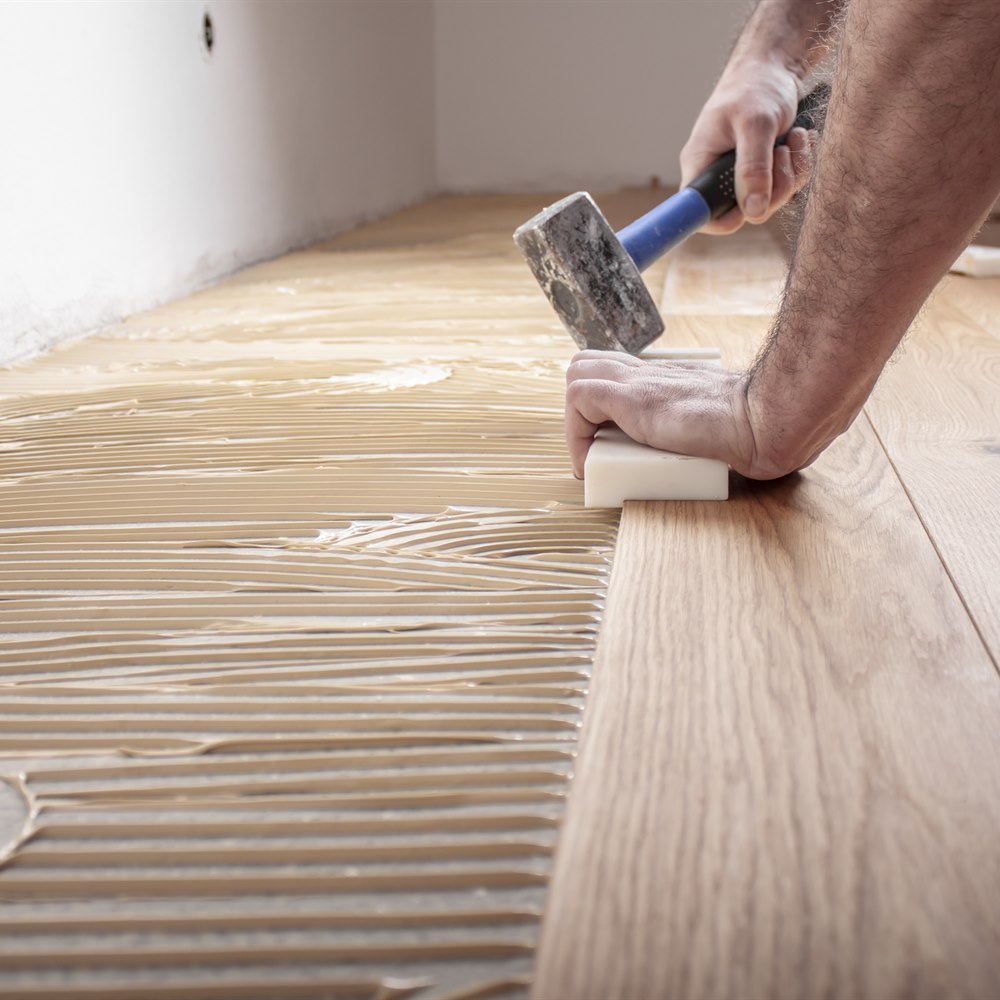
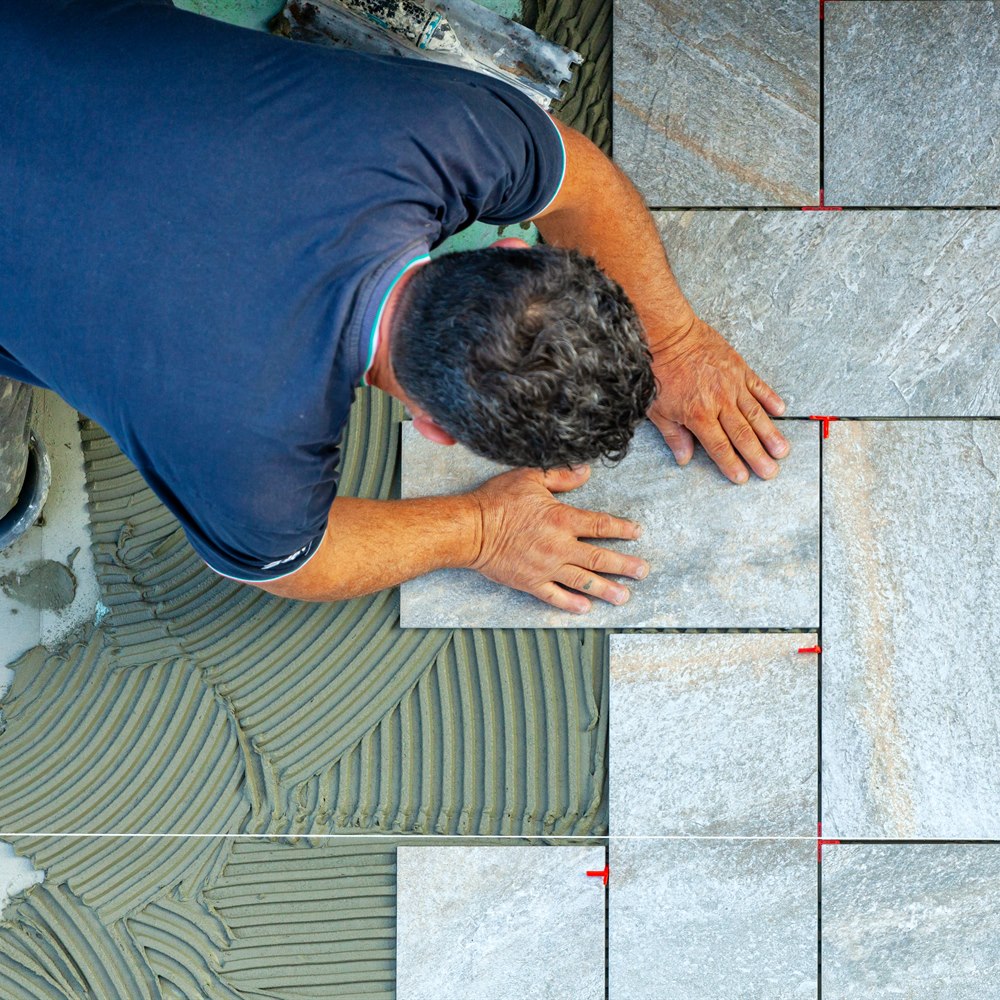
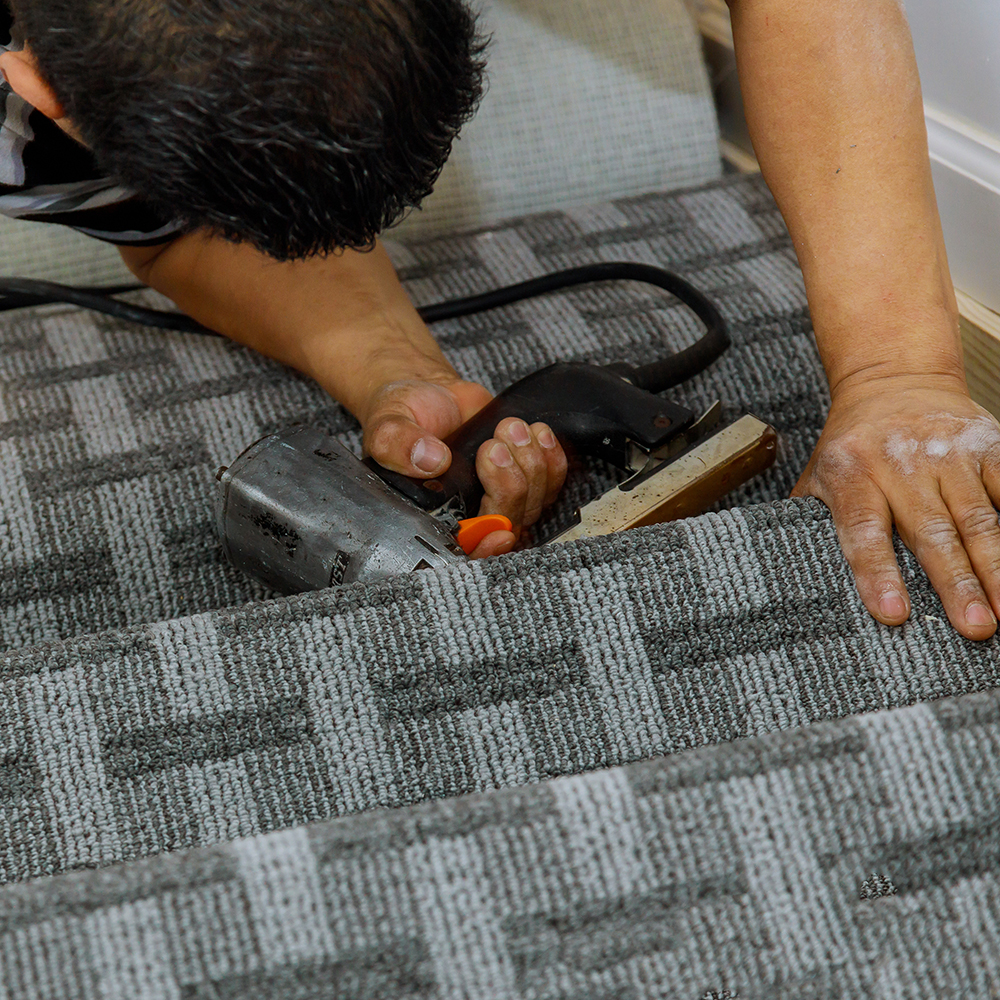
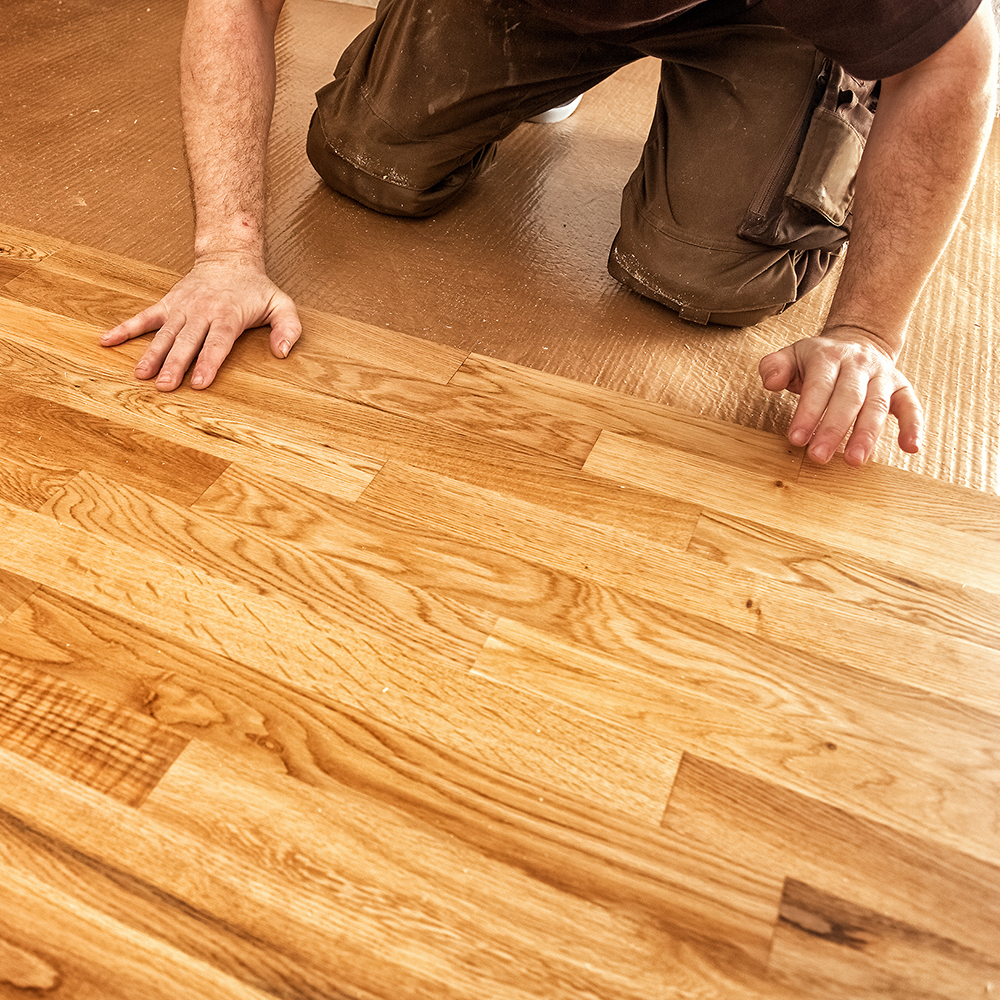
Material is the biggest single driver, spanning from budget vinyl and laminate ($2 to $13) through carpet ($3 to $10, with premium wool and heavy nylon to $15) to premium hardwood and tile ($8 to $25). Within each category, quality tiers create a wide range, basic vinyl versus premium luxury vinyl, or economy carpet versus high-end. Your material choice essentially sets the per-square-foot base cost, and it’s the first and most impactful decision, balancing your budget against durability, appearance, and where the floor is going. The material largely determines which part of the overall range your flooring project lands in. (For more on this, see How to Budget and Pay for New Flooring.)
The Room Size
Since flooring is priced per square foot, the room size directly drives the total, a larger area costs proportionally more. The square footage multiplied by the material’s per-foot cost is the core of the price. A small room costs far less than a large open area of the same material. The size of the space (or spaces) you’re flooring is a straightforward but major cost factor. While you can’t change a room’s size, understanding that area directly multiplies the cost helps you gauge the project’s scale and, where you’re flooring multiple rooms, understand how the total adds up across the square footage.
The Subfloor Condition
The condition of your subfloor affects the cost, sometimes significantly and unpredictably. A sound, level subfloor is ready for new flooring, while a damaged, uneven, or deteriorated one needs repair or leveling before installation, adding cost. Because subfloor problems are often hidden until the old flooring is removed, this can be an unexpected cost that surfaces mid-project. A good installer checks and discusses the subfloor, but some issues only appear once demolition begins. The subfloor condition is a real, sometimes surprising factor, which is why budgeting a contingency for possible subfloor work is wise. Older homes may contain asbestos; the EPA advises leaving suspect material undisturbed and testing before demolition.
Old Flooring Removal
Removing existing flooring affects the cost. If you’re replacing old flooring, tearing it out and disposing of it adds labor, and some materials are far more labor-intensive to remove than others, glued-down or mortared flooring versus floating floors or carpet. The removal cost varies with the existing material and how it’s attached. For a project over bare subfloor or new construction, there’s no removal; for a replacement, it’s a real added cost. Understanding that removing the old flooring is a distinct cost, varying by material, helps explain why replacement projects cost more than the flooring alone. (For more on this, see Hidden Costs of Installing New Flooring.)
Installation Complexity
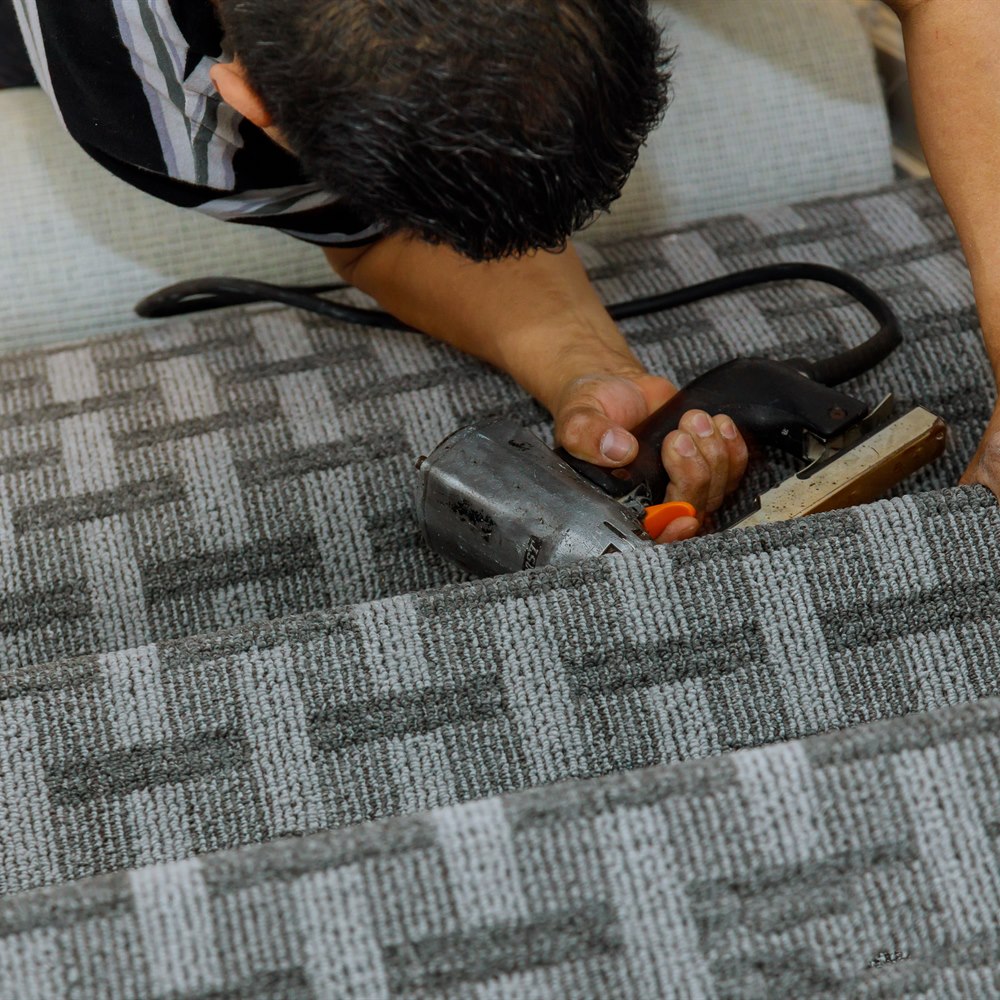
The complexity of the installation affects labor cost. A simple, rectangular room with straightforward installation is most economical, while intricate patterns (herringbone, diagonal, borders), stairs, many transitions, tight cuts, or difficult layouts add labor. Some materials also require more skilled, time-consuming installation than others, tile and hardwood versus click-together vinyl. The more complex the installation, in pattern, layout, or material, the higher the labor cost. Your choices about the installation, and the material’s installation demands, are a real factor beyond the material price itself, affecting the total labor.
Local Labor Rates
Where you live affects the cost through local labor and material rates. Flooring installation costs vary by region, so the same project can cost more in a high-cost area than a lower-cost one. Local competition among installers also affects pricing. While you can’t change your location, understanding that part of the cost is local rates helps explain variation and reminds you to compare a few local providers, since prices and included services differ even within the same area. (For more on this, see How Long Does Flooring Installation Take?.)
How to Get an Accurate Flooring Estimate
Because a flooring project’s cost depends on several factors that vary by situation, the reliable way to understand your real cost is to get quotes from a few installers based on your specific project, and knowing how to approach this helps you get accurate, comparable estimates. The most accurate quotes come when installers can assess your actual space, the rooms, the existing flooring, the visible subfloor conditions, and the layout, so they can account for the real removal, prep, and installation your project requires. Providing accurate measurements or having installers measure, and being clear about the material you want and the full scope (removal, all rooms, finishing), lets them quote the real project rather than a rough guess. The more accurately the installer understands your specific situation, the more reliable their estimate will be.
When comparing quotes, attention to what each includes is essential, because flooring quotes can differ significantly in scope in ways that make a raw price comparison misleading. One quote might include old flooring removal, subfloor assessment, underlayment, and finishing trim, while another, seemingly cheaper, covers only the flooring and basic installation, leaving removal and finishing as extras. Asking each installer to itemize their quote, the flooring material, removal, subfloor work, underlayment, installation, trim and transitions, and cleanup, lets you compare like with like and spot where a low bid achieves its price by omitting elements you’ll end up paying for anyway. It’s also worth asking each installer how they’d handle subfloor problems discovered during the job, since this common source of added cost is handled differently by different installers. By getting quotes based on your specific project from a few installers, ensuring each covers the full scope, and comparing them in detail, you get both a realistic sense of your flooring’s real cost and the ability to choose an installer offering genuine value rather than just the lowest headline number that may not reflect the complete job. This careful, apples-to-apples comparison is the surest path to understanding and controlling your flooring cost.
Getting an Accurate Price
Because material, room size, subfloor condition, old flooring removal, installation complexity, and local rates all move the number, an accurate cost depends on your specific project. Budget vinyl in a simple room with a good subfloor sits at the low end; premium tile with complex installation and subfloor repair runs toward the top. When you’re ready for an estimate, connect with a local pro below.
Cost figures on this page were checked against published pricing on September 2, 2026. How we source cost data.
Frequently Asked Questions
The material. It spans from budget vinyl and laminate ($2-$13/sq ft) through carpet ($3-$10, premium wool to $15) to premium hardwood and tile ($8-$25), with quality tiers creating a wide range within each category. Your material choice essentially sets the per-square-foot base cost, making it the first and most impactful decision, balancing budget against durability, appearance, and location, and largely determining which part of the range your project lands in.
Yes, directly. Since flooring is priced per square foot, room size drives the total, a larger area costs proportionally more, with the square footage multiplied by the material's per-foot cost forming the core of the price. A small room costs far less than a large open area of the same material. The size of the space you're flooring is a straightforward but major cost factor that directly multiplies the cost.
Sometimes significantly and unpredictably. A sound, level subfloor is ready for new flooring, while a damaged, uneven, or deteriorated one needs repair or leveling first, adding cost. Because subfloor problems are often hidden until the old flooring is removed, this can be an unexpected cost that surfaces mid-project. The subfloor condition is a real, sometimes surprising factor, which is why budgeting a contingency for possible subfloor work is wise.
Yes. If you're replacing old flooring, tearing it out and disposing of it adds labor, and some materials are far more labor-intensive to remove, glued-down or mortared flooring versus floating floors or carpet. The removal cost varies with the existing material and how it's attached. For new construction or bare subfloor there's no removal, but for a replacement it's a real added cost that makes replacement projects cost more than the flooring alone.
Yes, through labor. A simple rectangular room is most economical, while intricate patterns (herringbone, diagonal, borders), stairs, many transitions, tight cuts, or difficult layouts add labor. Some materials also require more skilled, time-consuming installation, tile and hardwood versus click-together vinyl. The more complex the installation, in pattern, layout, or material, the higher the labor cost, a real factor beyond the material price.