What Does a Tub-to-Shower Conversion Cost?
Converting a bathtub to a walk-in shower typically costs $1,500 to $15,000, with most homeowners spending around $6,000 for a quality mid-range conversion. The range comes down to one main choice, a prefabricated shower unit versus a custom tiled shower, plus whether any plumbing has to move.
| Conversion Type | Installed Cost |
|---|---|
| Standard prefab shower unit | $1,500 to $3,500 |
| Premium one-piece acrylic unit | $2,500 to $5,500 |
| Custom tiled shower | $3,500 to $10,000 |
| Curbless tiled shower with frameless glass | $5,000 to $15,000 |
| Plumbing modifications (added) | $1,000 to $3,000 |
Cost figures on this page were checked against published pricing on August 23, 2026. How we source cost data.
Cost by Conversion Type
Prefab Shower Conversion: $1,500 to $5,500
A prefabricated shower unit uses acrylic, fiberglass, or solid-surface panels installed in the existing tub alcove. The unit itself runs $300 to $1,500, and demolition, fitting, and sealing bring the installed total to $1,500 to $3,500, with most homeowners landing near $3,000. A premium one-piece acrylic unit runs $1,500 to $3,000 for the unit plus $1,000 to $2,500 for installation, or $2,500 to $5,500 total; one-piece units often require removing a window or door to get them into an existing bathroom.
The savings come from how these units are made and fitted. They arrive sized to standard tub openings, so the installer is fitting and sealing a finished product rather than building and waterproofing a shower from scratch. That cuts both labor hours and skilled tile work out of the job. The installation reuses the existing drain location and covers the existing wall area with the new surround panels, which keeps plumbing work to a minimum. Most prefab conversions finish in a day or two.
Custom Tiled Walk-In Shower: $3,500 to $15,000
A custom tiled shower is built piece by piece: a mortar bed pan, a bonded waterproof membrane, tile walls and floor, and a glass enclosure. The component costs break down as a shower pan and waterproofing system at $500 to $1,200, tile for floor and walls at $500 to $3,000 depending on material, grout at $100 to $300, a frameless glass door or enclosure at $800 to $3,000, and tile setting labor at $1,500 to $4,000. Total for a custom tiled shower: $3,500 to $10,000, and $5,000 to $15,000 for a curbless version with frameless glass.
Much of what you pay for is invisible in the finished result. In a tiled shower the tile and grout are not the water barrier; the bonded membrane installed over the substrate and beneath the tile is. Building and sealing that system correctly before any tile goes down is skilled, time-consuming work, and it is the difference between a shower that lasts and one that rots out the floor.
A curbless, zero-threshold entry adds $1,000 to $3,000 because the subfloor has to be built up, recessed, or re-sloped to drain properly. It is structural work, not a fixture choice, and it delivers the easiest possible access for aging in place.
What Moving the Plumbing Adds
Plumbing changes add $1,000 to $3,000 when the drain or supply lines have to move. Relocating the drain from the tub’s end position to a centered or linear drain location runs $500 to $1,500. Replacing the tub filler valve with a shower valve and installing a shower head runs $300 to $800. Moving supply lines runs $500 to $1,500.
Whether the drain can stay put depends on how the new shower’s layout lines up with the tub’s old drain position. A shower built to drain near where the tub did keeps the plumbing largely undisturbed. On a concrete slab, a relocation means breaking and repouring concrete, which is why this single design decision moves the total so much. Most conversions reuse the existing drain location specifically to avoid it.
Other Cost Factors and Timeline
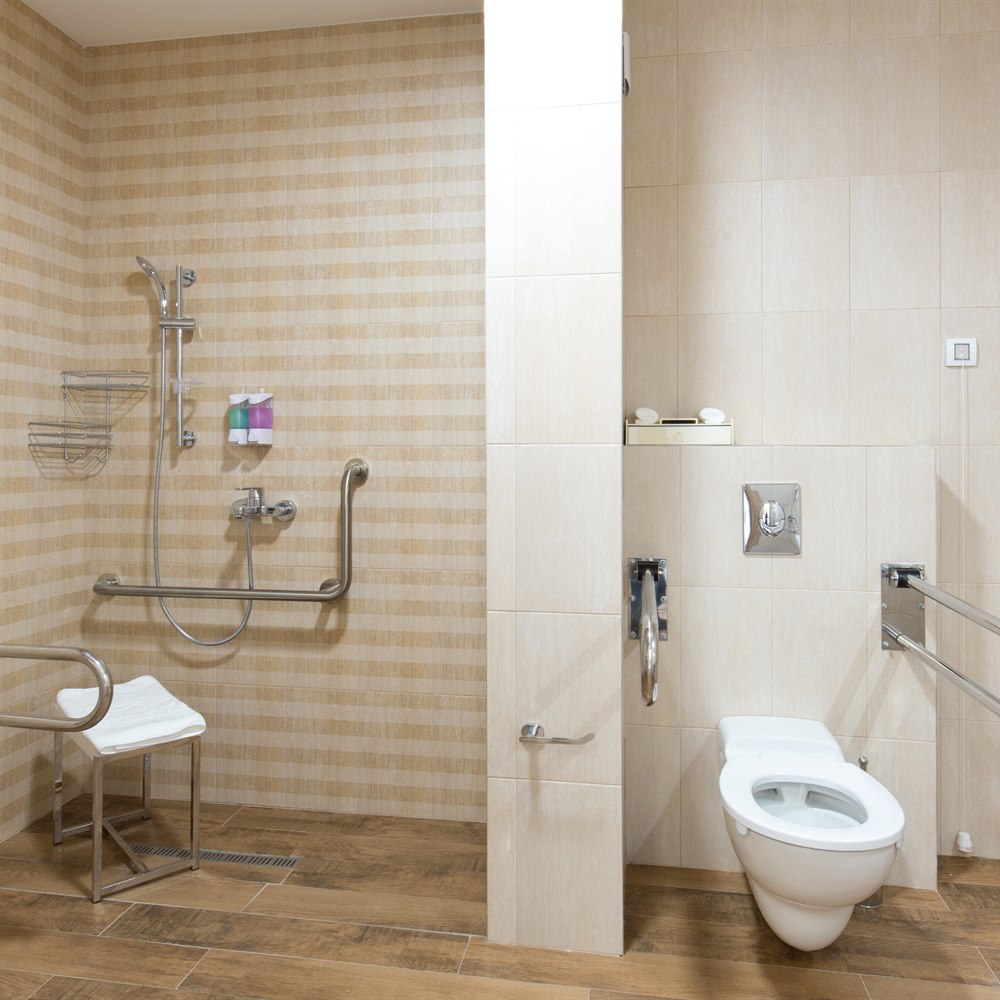
Shower size, material and fixture grade, accessibility features such as a bench or grab bars, and any hidden damage found once the tub comes out all move the number. Hidden damage is the least predictable: water damage or rot behind a long-installed tub only becomes visible after demolition, which is why an experienced installer builds in a contingency rather than promising a fixed figure sight-unseen. (For more on this, see Hidden Costs of Tub-to-Shower Conversion.) The CDC’s STEADI initiative treats home modification as a core part of reducing fall risk for older adults.
On timing, a prefab unit installs in 1 to 2 days. A custom tile conversion without curbless modification takes 5 to 10 days, since tile work needs curing time between setting and grouting. A custom curbless conversion requiring subfloor modification takes 7 to 14 days. Plan for the bathroom to be out of service for the full duration.
Permits follow the plumbing. Drain relocation and valve replacement require a plumbing permit in most jurisdictions, while a purely cosmetic swap that reuses the existing connections often does not. Confirm with your local building department before work starts.
Is the Conversion the Right Move?
Convert if you never use the tub, which describes most American adults who bathe in the shower rather than the tub, if the tub occupies space that would be more useful as a walk-in shower, or if the surround is dated and needs full replacement anyway. Think twice if this is the only tub in the home and families with young children are the likely buyer profile, or if you genuinely use and value the tub for soaking. A shower conversion is also one of the highest-value aging-in-place changes you can make to a bathroom, particularly with a curbless entry and a non-slip floor. (For more on this, see What Makes a Tub-to-Shower Conversion Cost More (or Less)?.)
Getting an Accurate Quote
A prefab conversion that keeps the plumbing in place is an affordable project; a custom tiled curbless shower with a moved drain is a mid-range one. Get at least two written quotes on an equivalent defined scope after an in-home assessment, and confirm what each includes: demolition and disposal, waterproofing method, drain work, glass, permits, and the labor warranty. Ask specifically how the contractor handles hidden damage found after the tub comes out, since that is the most common source of a change order on this project. (For more on this, see What Affects Tub-to-Shower Conversion Cost?.)
Frequently Asked Questions
$1,500 to $15,000, averaging $6,000. A standard prefab acrylic unit installed in the existing tub alcove runs $1,500 to $3,500, a custom tiled shower $3,500 to $10,000, and a curbless tiled shower with frameless glass $5,000 to $15,000. Plumbing changes add $1,000 to $3,000.
A prefabricated shower unit installed where the tub was, reusing the existing drain location, at $1,500 to $3,500. It avoids both the labor of custom tile work and the cost of relocating plumbing.
Prefab units are manufactured to standard tub-opening sizes, so the installer fits and seals a finished product instead of building and waterproofing a shower from scratch. That removes skilled tile labor and most of the build time, often finishing the job in a day.
$500 to $1,500 to relocate the drain, and $1,000 to $3,000 for plumbing modifications overall once valve replacement and supply line moves are included. On a concrete slab the relocation means breaking and repouring concrete, which is why most conversions reuse the tub's existing drain position.
$1,000 to $3,000 above a standard tiled shower. The zero-threshold entry requires building up, recessing, or re-sloping the subfloor so the floor drains properly, which is structural work rather than a fixture upgrade.
1 to 2 days for a prefab unit. A custom tile conversion takes 5 to 10 days because tile work needs curing time between setting and grouting, and a curbless conversion requiring subfloor modification takes 7 to 14 days. The bathroom is out of service the whole time.
Plumbing changes such as drain relocation or valve replacement require a plumbing permit in most jurisdictions. A purely cosmetic conversion that installs a new prefab surround over the existing connections often does not. Confirm with your local building department before starting.
Porcelain tile is the most durable, offers the widest design range, and holds value best. Acrylic or fiberglass prefab panels are durable, low-maintenance, and less expensive; solid surface such as Swanstone or Corian is seamless and mid-range; natural stone is premium but needs regular sealing. For aging in place, specify a non-slip floor tile with a DCOF of 0.60 or higher.