What Should You Ask a Tree Removal Service?
Tree removal is dangerous, skilled work where hiring the wrong service can lead to injury, property damage, or liability. The right questions before hiring reveal whether a service is qualified, insured, and trustworthy. Here’s what to ask.
Are You Licensed and Insured?
This is the most important question. Confirm the service carries liability insurance (for property damage) and workers’ compensation (for worker injury), and ask for proof, a certificate of insurance. Tree work’s danger makes this essential: without it, you could be liable for accidents. A properly insured service protects you; an uninsured one exposes you to serious risk. Never hire a tree service without verifying insurance. This is non-negotiable. Insist on seeing the certificate of insurance itself rather than accepting a verbal assurance, and confirm it’s current and covers both general liability, which pays if your property is damaged, and workers’ compensation, which covers an injured crew member so the cost and liability don’t land on you, because in a trade this hazardous a lapsed or missing policy is the difference between a mishap being the contractor’s problem and becoming yours.
Do You Have a Certified Arborist?
Ask whether the service employs a certified arborist (such as an ISA-certified arborist). A certified arborist has proven training in tree care and can properly assess the tree, whether removal is needed, and how to do it safely. For anything beyond a simple removal, arborist credentials signal expertise. A service with a certified arborist is more likely to do quality, knowledgeable work. Certification reflects genuine tree-care expertise. The most recognized credential is the ISA-certified arborist, awarded by the International Society of Arboriculture to those who pass an exam on tree biology, care, and safety and maintain it through continuing education, so a service that employs one brings genuine diagnostic knowledge to the job, able to judge whether a tree truly needs removal and how to take it down safely, rather than simply cutting whatever they’re pointed at. (For more on this, see How to Find the Best Tree Removal Service.) The International Society of Arboriculture’s tree owner resources cover proper pruning practice and why topping damages a tree.
What’s Included in the Price?
Ask exactly what the quote covers, felling, cutting up, stump grinding, debris haul-away, and cleanup. This avoids surprise costs and a stump or debris left behind. A clear, itemized answer lets you compare quotes and know what you’re getting. A service that spells out the full scope is transparent; vagueness invites disputes. Confirm the complete scope before agreeing. Getting the scope itemized in writing does double duty, it ensures the stump, debris, chips, and cleanup are handled the way you expect, and it puts every bidder on the same footing so you’re comparing like with like, because a quote that quietly omits the stump and haul-away will always look cheaper than one that includes them until the leftover stump and pile of brush reveal the true difference.
How Will You Handle the Removal Safely?
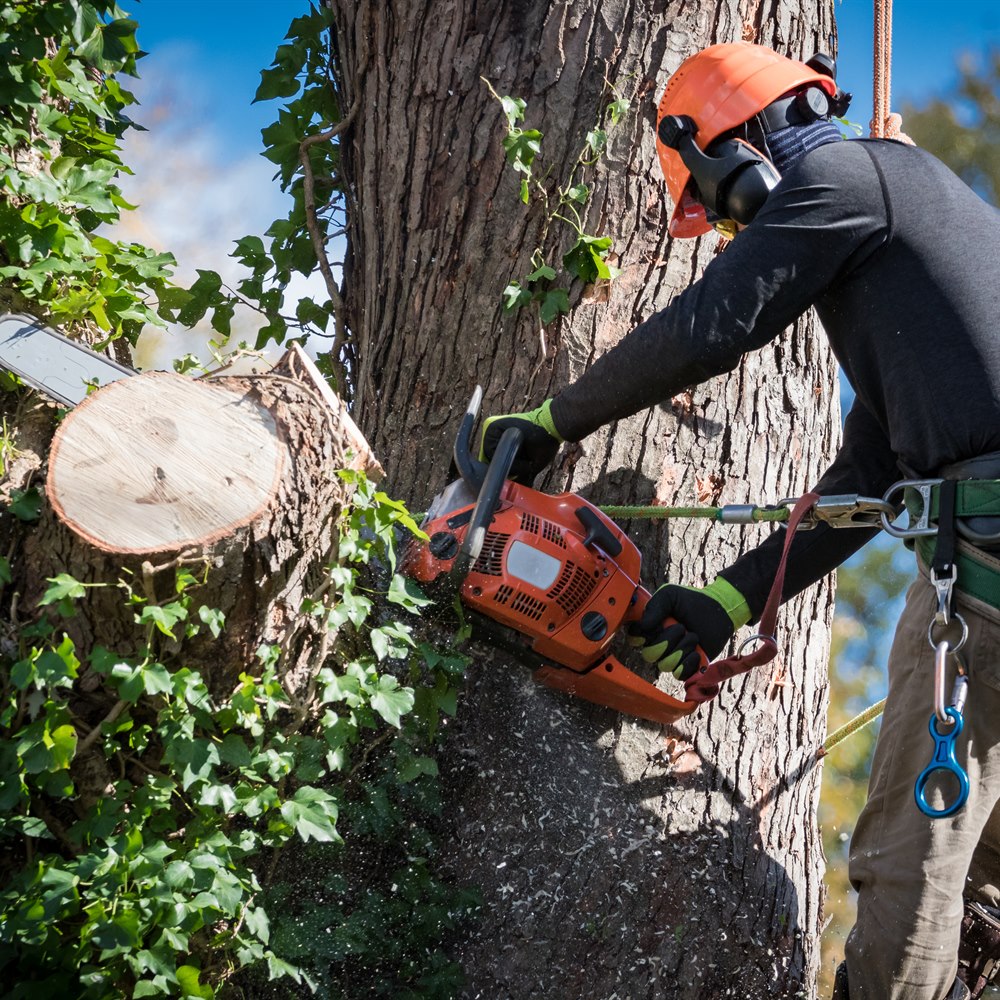
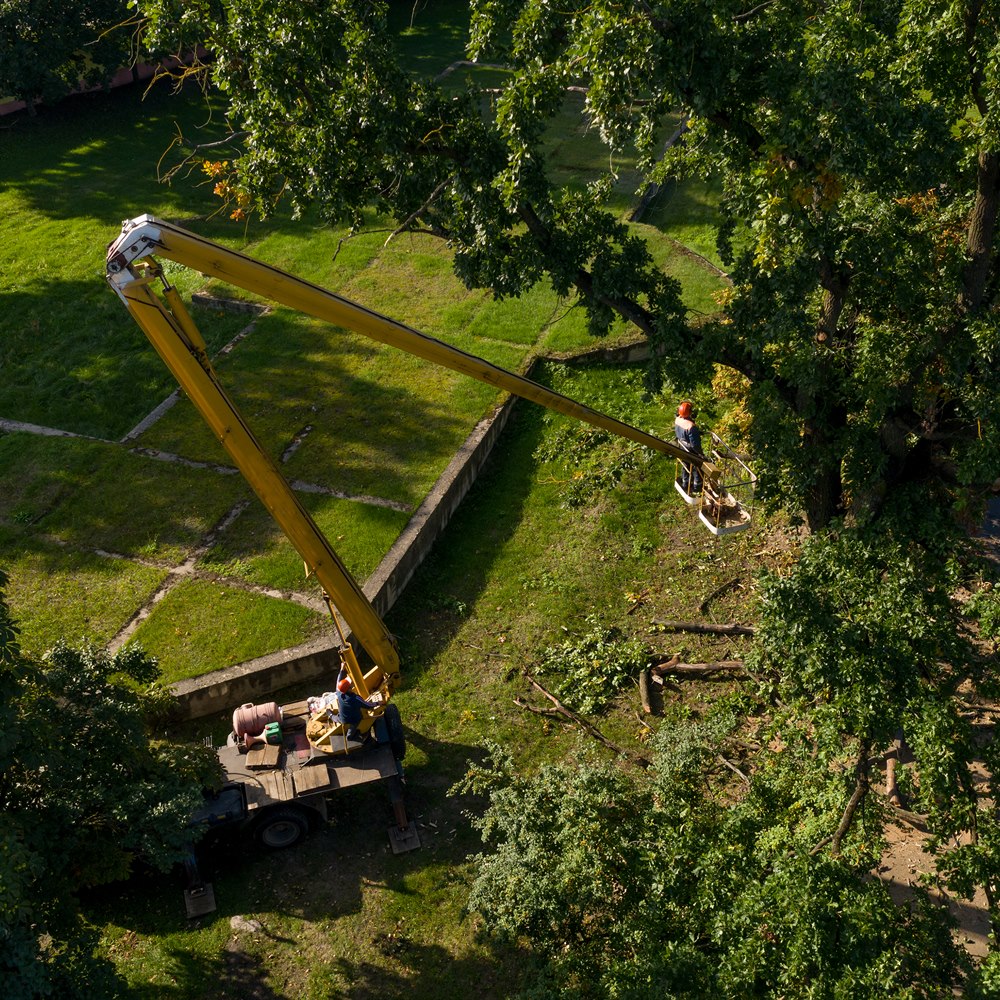
For a tree near structures or power lines, ask how they’ll remove it safely, felling, climbing and rigging, piece-by-piece dismantling. A knowledgeable service explains their approach and how they’ll protect your property. Their answer reveals their competence and planning for a hazardous removal. A service with a clear, safe plan for a tricky tree is one you can trust. Safe methodology matters for hazardous removals. A capable service should be able to walk you through the plan in concrete terms, whether they’ll climb or bring a bucket truck or crane, how they’ll rig and lower sections away from your roof or fence, and how they’ll protect what’s below, and the clarity and specificity of that answer is itself a test, since a crew that has genuinely thought through a tricky removal can describe it, while vagueness suggests they haven’t. (For more on this, see Common Tree Removal Mistakes and How to Avoid Them.)
Can You Provide References or Reviews?
Ask for references or check reviews, especially for larger jobs. A reputable service has satisfied customers and can point to past work. Reviews and references reveal reliability, quality, and whether they cleaned up and avoided damage. A service with a solid track record is safer than an unknown. Past performance is a good indicator for tree work. References and reviews are especially telling for tree services because the things that separate a good crew from a bad one, finishing without damaging the lawn or house, cleaning up thoroughly, and working safely, are exactly what past customers comment on, so a service that can point to satisfied neighbors and a solid review history is offering evidence of the careful, complete work you’re hoping to get. (For more on this, see How to Find a Reputable Tree Removal Company.)
Will You Get Any Required Permits?
In some areas, removing certain trees (protected species, large trees, or trees in certain zones) requires a permit. Ask whether a permit is needed and whether the service handles it. A knowledgeable local service knows the local rules and can advise. Their awareness of permit requirements reflects local expertise and keeps you compliant. Some tree removals have regulatory requirements worth confirming. Local rules catch many homeowners off guard, since some municipalities protect certain species, heritage or large-diameter trees, or trees in setbacks and conservation zones, and require a permit before removal, so asking whether one applies and whether the service will handle it both keeps you on the right side of the ordinance and signals a genuinely local, experienced operator who knows the area’s rules.
Putting It Together
These questions, especially about insurance, arborist credentials, and safe methodology, separate a qualified, trustworthy tree service from a risky one. For dangerous work, insurance and competence matter most. When you’re ready to get quotes from qualified local pros, connect below.
Frequently Asked Questions
Are you licensed and insured? Confirm they carry liability insurance (for property damage) and workers' compensation (for worker injury), and ask for proof. Tree work's danger makes this essential, without it, you could be liable for accidents. Never hire a tree service without verifying insurance. It's non-negotiable.
Ideally, yes. A certified arborist (such as an ISA-certified arborist) has proven training in tree care and can properly assess whether removal is needed and how to do it safely. For anything beyond a simple removal, arborist credentials signal expertise and more knowledgeable work. Certification reflects genuine tree-care expertise.
Exactly what the quote covers, felling, cutting up, stump grinding, debris haul-away, and cleanup. This avoids surprise costs and a stump or debris left behind. A service that spells out the full scope is transparent; vagueness invites disputes. Confirm the complete scope before agreeing.
Ask how they'll remove a tree near structures or power lines safely, felling, climbing and rigging, or piece-by-piece dismantling, and how they'll protect your property. A knowledgeable service explains their approach clearly. Their answer reveals their competence and planning. A clear, safe plan for a tricky tree signals a service you can trust.
Sometimes, in some areas, removing certain trees (protected species, large trees, or trees in certain zones) requires a permit. Ask whether one is needed and whether the service handles it. A knowledgeable local service knows the rules and can advise, which reflects local expertise and keeps you compliant.