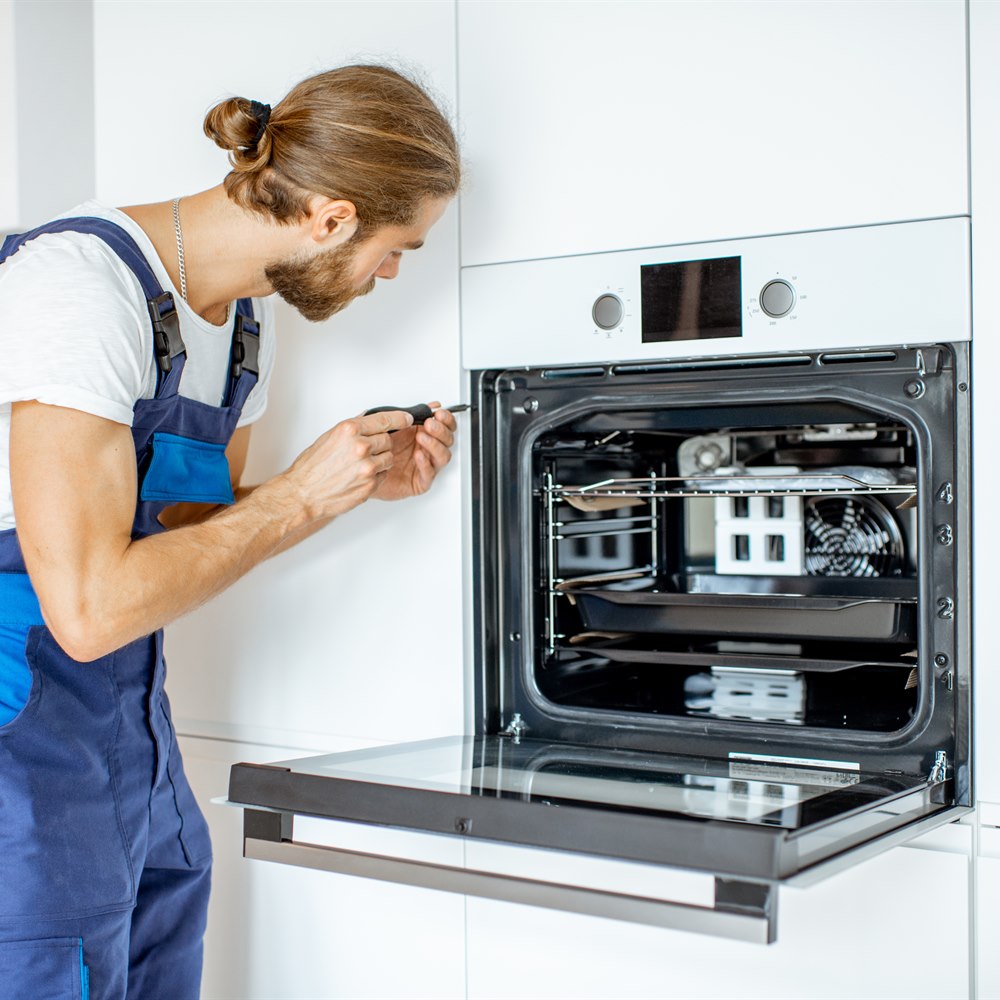
How Do You Maintain an Oven and Stove?
Clean spills before they carbonize, run the self-clean cycle no more than twice a year, clean gas burner caps monthly, and replace the oven door gasket when it stops sealing. Oven and stove maintenance is primarily about cleanliness, because food debris and grease cause component failures and create fire risks.
Clean Spills Immediately
Spills on oven elements, around gas burners, and in the oven cavity should be cleaned before they carbonize and harden. Carbonized food debris on heating elements creates hot spots that accelerate element burnout. Food debris in gas burner ports blocks the gas flow and ignition. Clean fresh spills when the appliance has cooled a damp cloth is all that is needed for fresh spills, avoiding the need for heavy chemical cleaners and the long cleaning cycles of the self-clean function. (For more on this, see How Long Does Oven and Stove Repair Take?.)
Use the Self-Clean Function Sparingly
The self-clean function heats the oven to 900 to 1,000 degrees F to incinerate food residue. This extreme heat accelerates component wear, particularly on the control board and oven door latch mechanism. Use self-clean no more than once or twice per year. For routine maintenance, manual cleaning with a damp cloth or non-abrasive oven cleaner after the oven has cooled is less stressful on the oven’s components and electronics.
Clean Gas Burner Caps and Ports
Gas stovetop burner caps accumulate food debris and grease that blocks the gas ports, causing weak or uneven flame and ignition difficulty. Remove the burner caps after they cool and wash in warm soapy water monthly or as needed. Use a toothpick to clear debris from the small ignition port and gas ports around the burner ring. Dry completely before replacing a wet burner cap prevents ignition.
Check and Replace Oven Door Gasket
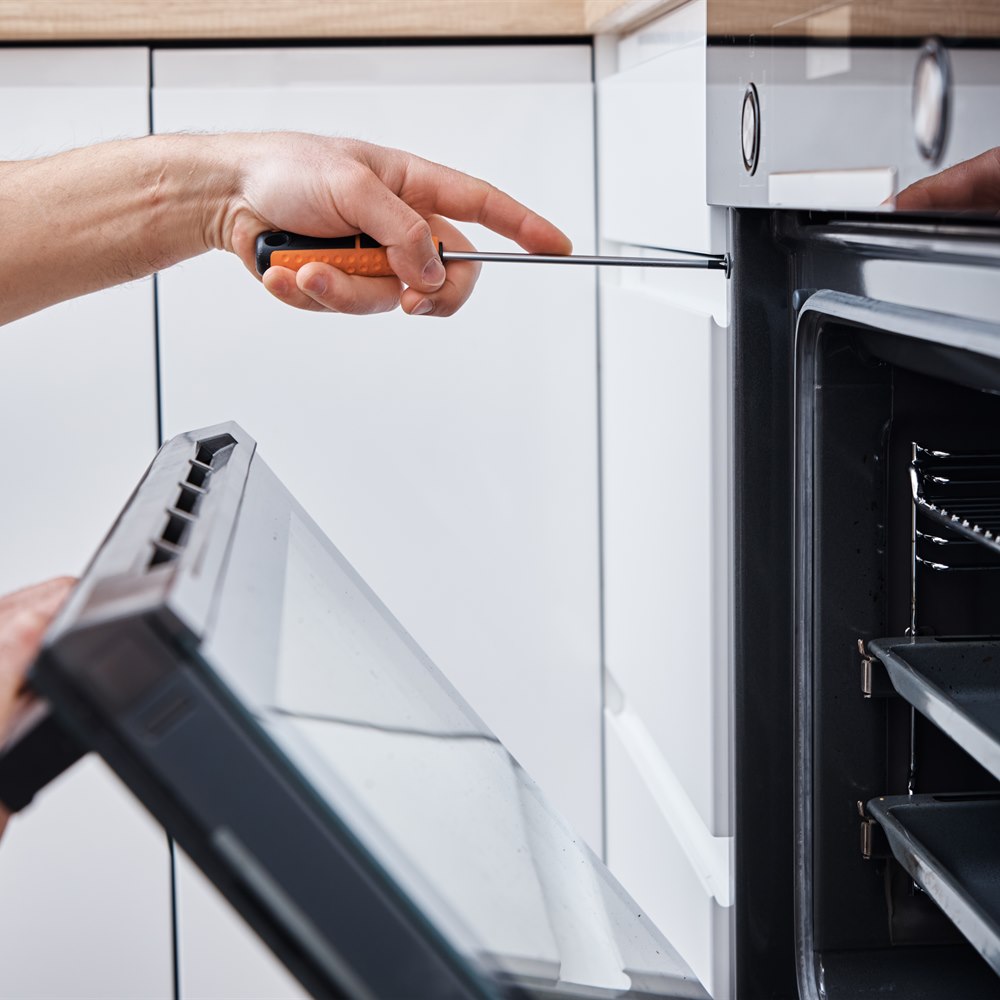
The oven door gasket (the fiber or silicone seal around the door perimeter) degrades over time, allowing heat to escape and making the oven less efficient and accurate. Test the seal by closing the door on a piece of paper if it slides out easily, the gasket is failing. Replace gaskets every 5 to 7 years or when damage is visible. Replacement cost is $25 to $110 in parts and is a DIY-appropriate task. (For more on this, see DIY Oven and Stove Repairs vs. When to Call a Pro.)
Working With a Contractor on This Project
Getting the right outcome on any home services project starts before the work begins. A few consistent practices make the difference between a smooth project and a frustrating one.
Get at least two or three quotes. A single quote gives you no basis for comparison. Two or three quotes reveal the market rate for the work, expose scope differences between bidders, and let you assess contractor communication quality before any commitment is made. The lowest bid is not automatically the best value if the scope is thin or the materials are underspecified.
Ask for licenses and insurance before work starts. Verify current general liability insurance and, for any work involving workers on your property, workers compensation coverage. Licensing requirements vary by state and trade; confirm the specific requirements in your jurisdiction. A licensed contractor who carries appropriate insurance protects both parties if something goes wrong during the project.
Get the scope in writing. A written proposal that specifies materials, labor scope, timeline, what is included (permits, cleanup, disposal), and warranty terms is the foundation of a professional engagement. Verbal agreements on any of these points invite misunderstanding. For any project over $500, written scope is non-negotiable.
Clarify the payment schedule upfront. A reasonable payment schedule ties major payments to project milestones: a deposit at signing, a payment at material delivery or project start, and a final payment at completion after a walkthrough confirms satisfaction. A contractor who requires full payment upfront before work begins is a red flag in any trade.
Making a Confident Decision
The information in this article is designed to help you ask better questions of the professionals you work with, evaluate their answers with more confidence, and understand the decisions involved in this type of home services project. It is not a substitute for professional assessment of your specific home. (For more on this, see Questions to Ask an Oven and Stove Repair Technician.)
Every home is different. Roof slopes, local weather, tree exposure, soil conditions, and existing system condition all affect what the right solution is for your specific situation. The general principles here apply broadly, but a professional who assesses your home in person will give you guidance that accounts for the details that general articles cannot.
When you are ready to move forward, getting at least two or three quotes from licensed, insured, local contractors is the most important practical step. It lets you compare approaches, assess contractor quality, and confirm that the solution proposed matches your specific situation and budget.
Cost figures on this page were checked against published pricing on September 1, 2026. How we source cost data.