
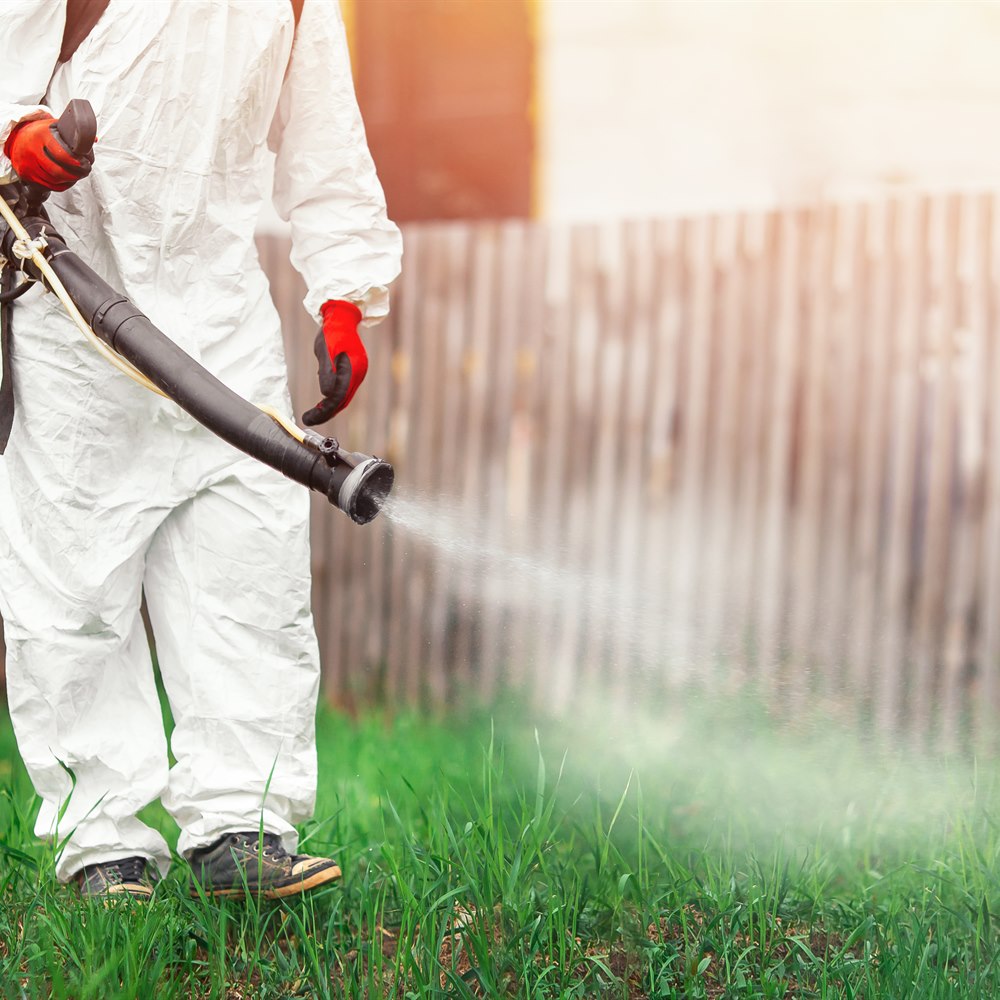
Natural vs. Chemical Mosquito Spray: Which Is Right for Your Yard?
Natural mosquito sprays knock down adults nearly as well as synthetics but break down in 14 to 21 days instead of 21 to 30, so a season-long natural program needs 30 to 50 percent more treatments. Synthetic pyrethrins hold a 5 to 10 percent edge on immediate knockdown. Plant-derived mosquito control has grown fast, and the honest assessment is that the effectiveness gap is modest while the cost and frequency difference is not.
How Natural Mosquito Sprays Work
Natural mosquito control products use plant-derived compounds cedar oil, peppermint oil, rosemary oil, garlic extract, and geraniol that repel and kill mosquitoes through disruption of their nervous and respiratory systems. These compounds are effective at knocking down adult mosquitoes and have a shorter residual effect than synthetic pyrethrins. Most professional natural mosquito spray applications use concentrated professional-grade formulations that are more potent than over-the-counter retail products.
Effectiveness Comparison
Studies comparing natural and synthetic mosquito spray effectiveness find that synthetic pyrethrins produce 5 to 10 percent better knockdown of adult mosquitoes immediately after application, and maintain a meaningful residual effect for 21 to 30 days. Natural products provide effective knockdown at a comparable level initially but break down faster in UV light and heat, losing effectiveness in 14 to 21 days in most conditions. This shorter residual requires more frequent application in a seasonal program (every 14 to 21 days vs. 21 to 30 days for synthetic), increasing the annual treatment cost by 30 to 50 percent for equivalent season-long coverage. (For more on this, see How to Find the Best Mosquito Spraying Company.) The CDC sets out integrated mosquito management, including removing standing water as the first step.
When to Choose Natural
Natural mosquito spraying is the preferred choice for: households with young children who play frequently on treated turf. Pet owners with dogs or cats that spend significant time in treated areas. Beekeepers or properties with significant pollinator habitat. Homeowners who prefer to minimize synthetic pesticide use. The performance trade-off (shorter residual, more frequent treatment) is real but manageable for homeowners willing to accept slightly higher cost for reduced synthetic exposure. (For more on this, see What Affects the Cost of Mosquito Spraying?.) The EPA recommends integrated pest management — removing food, water and entry points before reaching for pesticides.
Working With a Contractor on This Project
Getting the right outcome on any home services project starts before the work begins. A few consistent practices make the difference between a smooth project and a frustrating one.
Get at least two or three quotes. A single quote gives you no basis for comparison. Two or three quotes reveal the market rate for the work, expose scope differences between bidders, and let you assess contractor communication quality before any commitment is made. The lowest bid is not automatically the best value if the scope is thin or the materials are underspecified.
Ask for licenses and insurance before work starts. Verify current general liability insurance and, for any work involving workers on your property, workers compensation coverage. Licensing requirements vary by state and trade; confirm the specific requirements in your jurisdiction. A licensed contractor who carries appropriate insurance protects both parties if something goes wrong during the project. (For more on this, see Questions to Ask Before Hiring a Mosquito Spraying Company.)
Get the scope in writing. A written proposal that specifies materials, labor scope, timeline, what is included (permits, cleanup, disposal), and warranty terms is the foundation of a professional engagement. Verbal agreements on any of these points invite misunderstanding. For any project over $500, written scope is non-negotiable.
Clarify the payment schedule upfront. A reasonable payment schedule ties major payments to project milestones: a deposit at signing, a payment at material delivery or project start, and a final payment at completion after a walkthrough confirms satisfaction. A contractor who requires full payment upfront before work begins is a red flag in any trade.
Making a Confident Decision
The information in this article is designed to help you ask better questions of the professionals you work with, evaluate their answers with more confidence, and understand the decisions involved in this type of home services project. It is not a substitute for professional assessment of your specific home.
Every home is different. Roof slopes, local weather, tree exposure, soil conditions, and existing system condition all affect what the right solution is for your specific situation. The general principles here apply broadly, but a professional who assesses your home in person will give you guidance that accounts for the details that general articles cannot.
When you are ready to move forward, getting at least two or three quotes from licensed, insured, local contractors is the most important practical step. It lets you compare approaches, assess contractor quality, and confirm that the solution proposed matches your specific situation and budget.
Mosquito Spraying Cost at a Glance
| Cost Factor | Typical Range | Notes |
|---|---|---|
| One-time treatment | $75 to $150 | for a single application for a small to average yard |
| Seasonal plan, 6 to 8 treatments | $400 to $1,000 per season | sprays about 21 days apart from April through October, with most full-season customers paying $600 to $750 |
| Large lot | $300 to $500 per treatment | a small yard runs $100 to $150 and a medium yard $150 to $300 per treatment |
| All-natural or botanical spray | $450 to $1,200 per season | $90 to $175 per visit against $80 to $150 for synthetic, on the same 21-day cycle rather than more frequent visits |
| Overall range | $400 to $1,000 per season, averaging $600 | a single treatment is a different purchase at $75 to $150, and an installed misting system is a separate capital cost these figures do not cover |
Cost figures on this page were checked against published pricing on August 29, 2026. How we source cost data.