Interior or Exterior French Drain, Which Do You Need?
An interior French drain costs $6,000 to $15,000 for a full basement perimeter and manages water that reaches the foundation; an exterior French drain costs $30 to $90 per linear foot and intercepts water before it gets there. A French drain is a gravel-and-pipe channel that collects and redirects water, and either placement works for a foundation — interior is the common, practical choice for an existing wet basement, exterior for severe problems or new construction.
The Quick Answer
An interior French drain is less disruptive, managing water that reaches the foundation, it’s the common, practical choice for a wet basement. An exterior French drain is priced by the foot and, on an established home, more expensive once the excavation and landscape restoration are counted, but it intercepts water before it reaches the foundation, protecting the foundation itself, preferable for severe problems or new construction. Cost, severity, and whether you want to manage or intercept water decide it. These factors tend to align, since a severe, water-prone situation both justifies the higher cost and calls for intercepting water at the source, while a moderate wet basement in an existing home is well served by the cheaper, less disruptive interior approach, so being honest about the severity and whether the foundation is already accessible usually settles the cost and the manage-versus-intercept question together. (For more on this, see The Best Foundation Drainage Solution for Your Situation.)
Side by Side
| Interior French Drain | Exterior French Drain | |
|---|---|---|
| Cost | $6,000-$15,000 (full perimeter) | $30-$90 per linear foot |
| Location | Inside basement perimeter | Excavated outside foundation |
| Approach | Manages water inside | Intercepts water outside |
| Disruption | Basement floor edge | Excavation, yard |
| Relies on | Sump pump | Gravity or discharge |
Cost figures on this page were checked against published pricing on August 25, 2026. How we source cost data.
Why Choose an Interior French Drain
An interior French drain is the practical, cost-effective choice for many wet basements. It’s installed inside, a channel around the basement floor’s perimeter that collects water reaching the foundation and directs it to a sump pump, without excavating the yard. It’s less expensive, less disruptive to the exterior, and effectively manages water. For most homeowners with a wet basement, an interior French drain solves the problem affordably. It’s the sensible choice when you want to manage water without major excavation. The appeal of skipping excavation is as much practical as financial, because an interior drain installs from inside without opening the yard, so there’s no dismantling of patios, decks, or mature plantings and no weeks-long open trench along the house, which makes it the natural fit for an existing, landscaped home where the disruption and restoration of exterior work would rival the drainage itself in cost and hassle. (For more on this, see How Much Does Foundation Drainage Cost?.)
Why Choose an Exterior French Drain
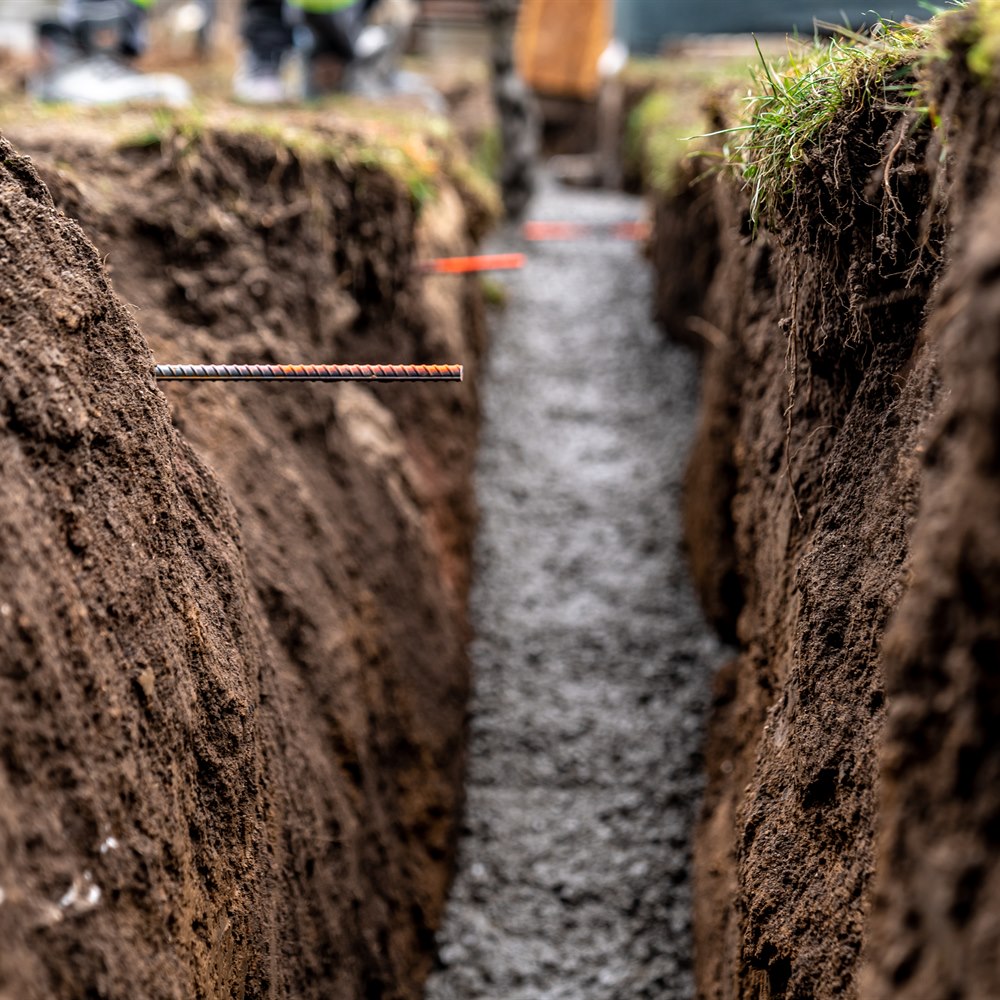
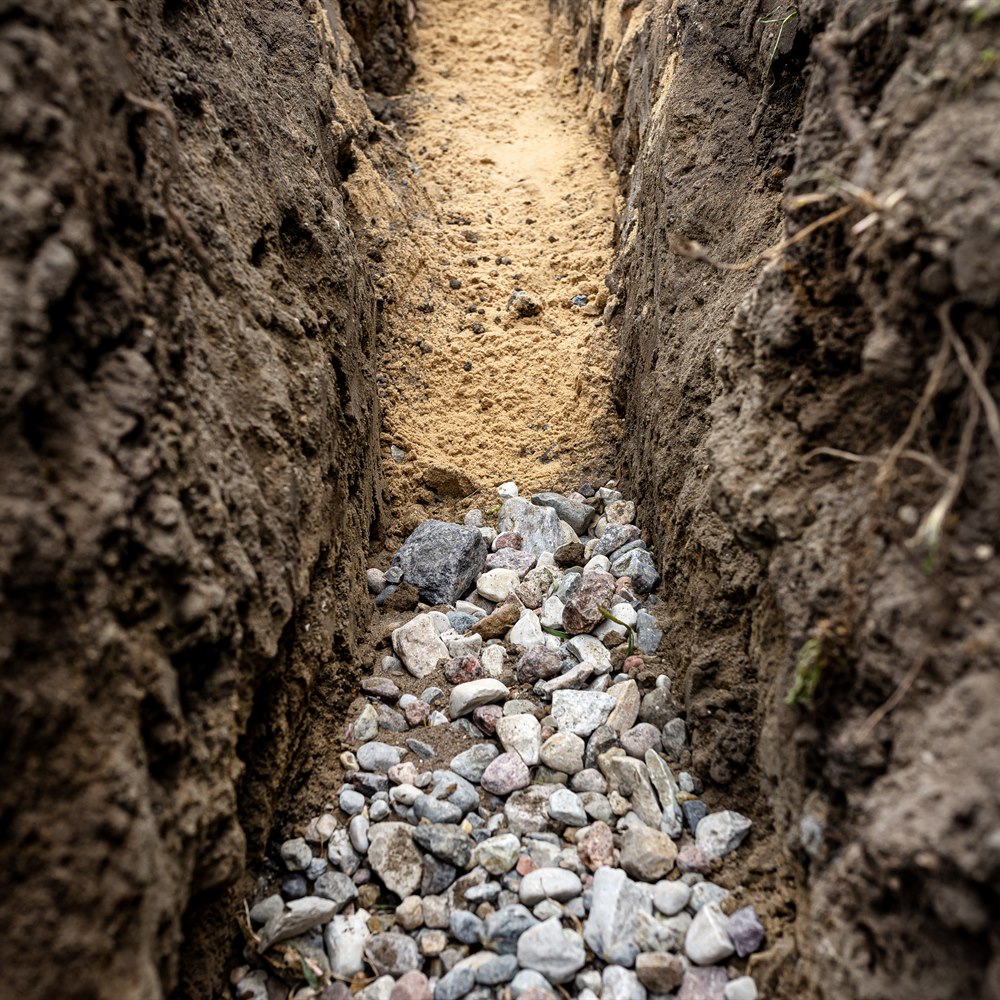
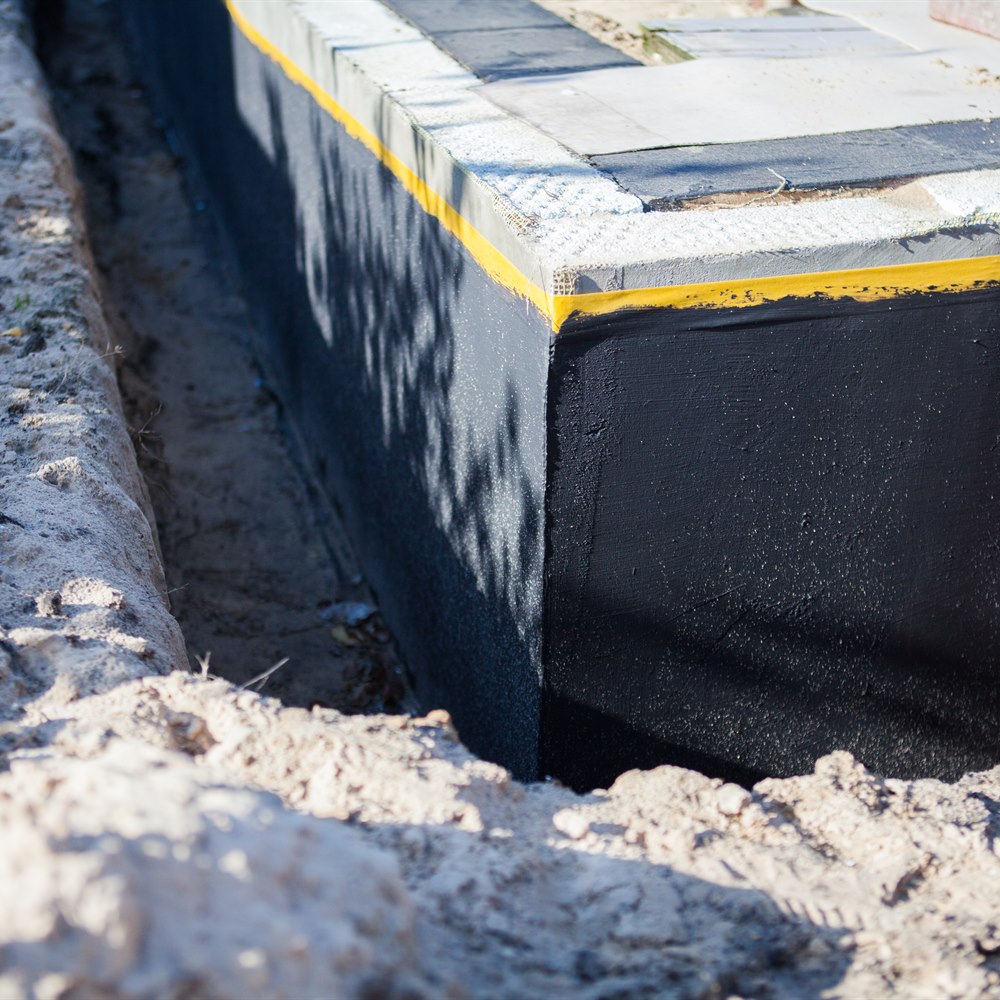
An exterior French drain is the more thorough, source-intercepting approach. By excavating a gravel-and-pipe trench around the foundation’s exterior, it collects and redirects water before it reaches the foundation, protecting the foundation itself. It’s priced per linear foot, so cost scales with perimeter, and on an existing home the excavation and landscape restoration are what make it the more expensive route, and the more disruptive one, but it stops water at the source. For a severe problem, new construction (when the foundation is already exposed), or to protect the foundation, exterior is preferable. It intercepts water before it becomes a basement problem. What the added cost and excavation buy is protection of the foundation itself, because catching water in a footing-depth trench outside the wall keeps it off the foundation entirely rather than collecting it after entry, so for a severe problem, or where relieving the wall of constant water contact matters, the exterior drain offers a preventive protection an interior system, which manages water only once it’s arrived, can’t match. (For more on this, see What Makes Foundation Drainage Cost More (or Less)?.)
The Disruption and Discharge Difference
Interior drains disturb the basement floor’s edge (and rely on a sump pump to discharge water). Exterior drains disturb the yard through excavation but can often discharge by gravity to a downhill outlet, without a pump. Which suits you depends on your basement, yard, and site (an exterior drain needs somewhere for gravity discharge to go). The disruption is interior versus yard; the discharge is pump versus gravity. Your site conditions influence which works better. The gravity-versus-pump distinction is a real practical factor, because an exterior drain that can fall to a daylight outlet downhill moves water without any powered pump and so has nothing to fail in an outage, whereas an interior drain must lift water out with a sump pump, so a sloping lot with somewhere for gravity discharge to go favors the exterior approach, while a flat lot with no downhill outlet may make the pumped interior system the only workable option.
When Exterior Makes Extra Sense
An exterior French drain is especially sensible during new construction or when the foundation is already exposed (during other work), because the excavation is already done or easier, and it protects the foundation from the start. Retrofitting an exterior drain later means excavating an established yard, which is why interior is often chosen for existing homes. Timing and whether the foundation is exposed influence the choice. Exterior is easiest when the foundation is accessible. Timing is often the deciding practical factor, because the excavation that makes an exterior drain costly and disruptive is already done, or nearly so, during new construction or when the foundation is exposed for other work, so that’s the moment an exterior drain makes the most sense, while for an established home with a finished, landscaped yard the interior drain usually wins simply by avoiding the dig.
Making the Call
Choose an interior French drain for an affordable, less-disruptive way to manage water in an existing wet basement. Choose an exterior French drain to intercept water at the source, protect the foundation, or during new construction, accepting higher cost and excavation. The deciding factors are cost, the severity, whether the foundation is exposed, and whether you want to manage or intercept water. An honest professional recommends the right one. When you’re ready for that guidance, connect with a local pro below.
Frequently Asked Questions
Interior costs $6,000-$15,000 for a full basement perimeter and is the less disruptive option, managing water that reaches the foundation, the common choice for a wet basement. Exterior ($30-$90 per linear foot) is disruptive and, on an established home, more expensive once excavation and landscape restoration are counted, but it intercepts water before it reaches the foundation, preferable for severe problems or new construction. Cost, severity, and manage-vs-intercept decide it.
It's the practical choice for many wet basements: a channel around the basement floor's perimeter collects water reaching the foundation and directs it to a sump pump, without excavating the yard. It's less disruptive to the exterior and effectively manages water. The sensible choice for most existing homes.
It's the thorough, source-intercepting approach: a gravel-and-pipe trench around the foundation's exterior collects and redirects water before it reaches the foundation, protecting the foundation itself. It's priced by the foot and disruptive (excavation) but stops water at the source, preferable for severe problems or new construction.
Often not, it can frequently discharge by gravity to a downhill outlet, unlike an interior drain which relies on a sump pump. But an exterior drain needs somewhere for gravity discharge to go. The discharge difference is pump (interior) versus gravity (exterior), and your site conditions influence which works better.
During new construction or when the foundation is already exposed (during other work), because the excavation is already done or easier, and it protects the foundation from the start. Retrofitting an exterior drain later means excavating an established yard, which is why interior is often chosen for existing homes.