How Do You Find a Reliable Handyman?
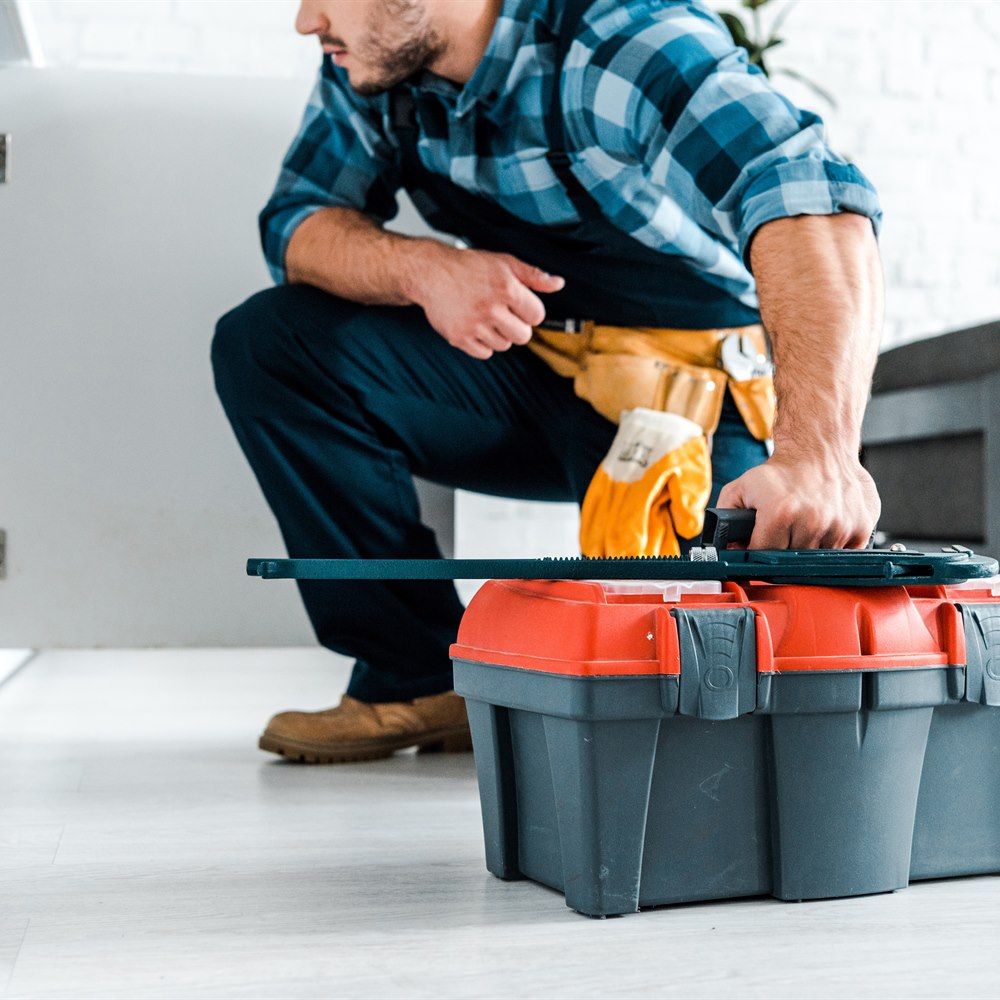
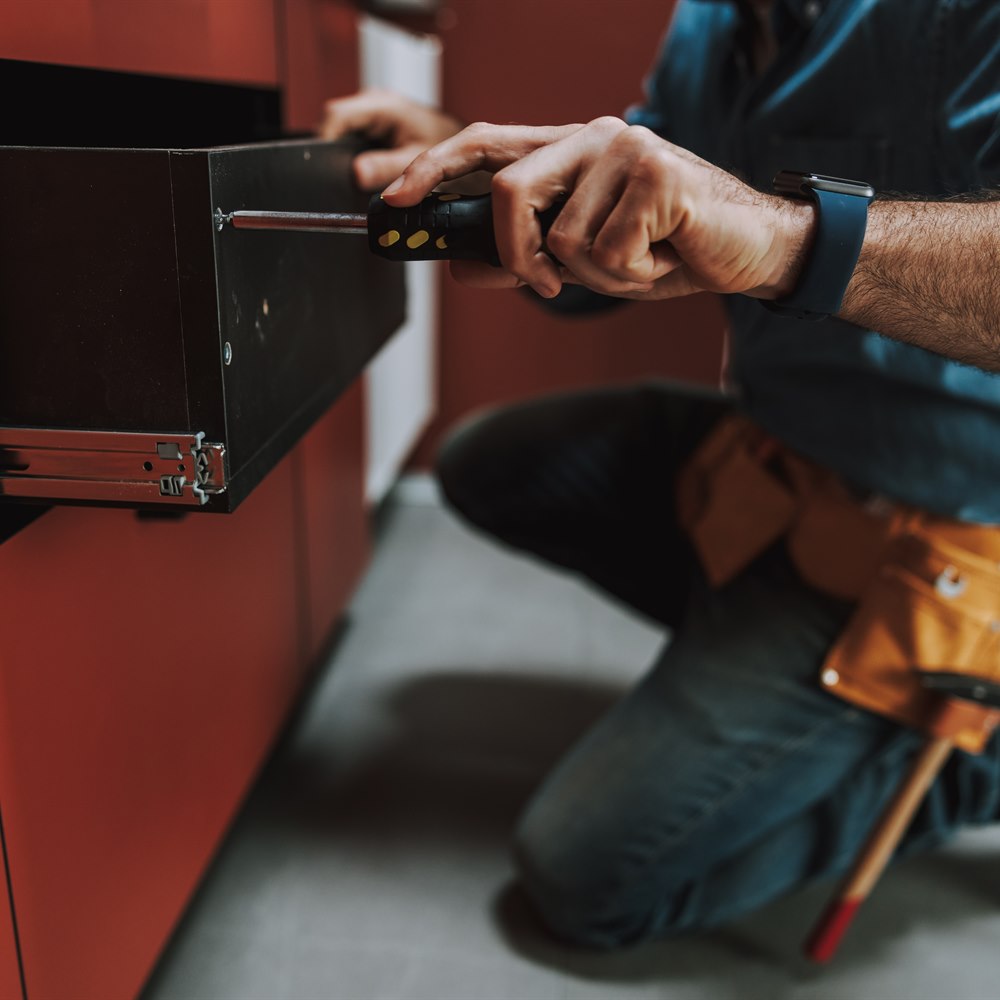
Start with neighbor referrals and verify general liability insurance before any work begins — $300,000 per occurrence is the minimum, and $1 million is more common. A reliable handyman who shows up on time, charges fairly, and does quality work is one of the most valuable home service relationships a homeowner can build. Read Google and Yelp reviews for recency and specificity, and start with one small task before booking a full day.
Ask for Referrals First
Neighbor and friend referrals are the highest-quality source for handyman leads. A handyman who has worked in your neighborhood knows the local housing stock, has a relationship with nearby supply houses, and has already earned trust from someone whose home context is similar to yours. Post in a neighborhood app (Nextdoor, for example) asking for handyman recommendations — a question that receives 5 to 10 responses within a few hours reveals the most in-demand local handymen. The handymen with the most consistent recommendations are more likely to be reliable than those found through a cold search.
Check Online Reviews Critically
Google and Yelp reviews for handymen should be evaluated for: recency (reviews from the past 12 months carry more weight than 3-year-old reviews), specificity (reviews that describe the specific task completed and the quality of the result are more informative than generic praise), and response to negative reviews (a handyman who responds constructively to criticism demonstrates professionalism). A handyman with 50 reviews averaging 4.7 stars and no response to any negative reviews is less credible than one with 30 reviews averaging 4.8 stars who has responded thoughtfully to the 2 negative reviews they received. (For more on this, see What Makes a Handyman Cost More (or Less)?.)
Verify Insurance and Start Small
Ask any handyman for a certificate of general liability insurance before they begin work in your home. The minimum: $300,000 per occurrence; $1 million is more appropriate for access to a private home. Without insurance: the homeowner’s insurance may need to cover any accidental damage the handyman causes, and any injury the handyman sustains on your property creates personal liability. For a new handyman relationship: start with a single small task (a door adjustment, a faucet replacement) before booking a full day. A handyman who performs a small task well, arrives when promised, and charges fairly is a good candidate for the longer booking.
Working With a Contractor on This Project
Getting the right outcome on any home services project starts before the work begins. A few consistent practices make the difference between a smooth project and a frustrating one.
Get at least two or three quotes. A single quote gives you no basis for comparison. Two or three quotes reveal the market rate for the work, expose scope differences between bidders, and let you assess contractor communication quality before any commitment is made. The lowest bid is not automatically the best value if the scope is thin or the materials are underspecified.
Ask for licenses and insurance before work starts. Verify current general liability insurance and, for any work involving workers on your property, workers compensation coverage. Licensing requirements vary by state and trade; confirm the specific requirements in your jurisdiction. A licensed contractor who carries appropriate insurance protects both parties if something goes wrong during the project. (For more on this, see Questions to Ask a Handyman Before Hiring.)
Get the scope in writing. A written proposal that specifies materials, labor scope, timeline, what is included (permits, cleanup, disposal), and warranty terms is the foundation of a professional engagement. Verbal agreements on any of these points invite misunderstanding. For any project over $500, written scope is non-negotiable.
Clarify the payment schedule upfront. A reasonable payment schedule ties major payments to project milestones: a deposit at signing, a payment at material delivery or project start, and a final payment at completion after a walkthrough confirms satisfaction. A contractor who requires full payment upfront before work begins is a red flag in any trade.
Making a Confident Decision
The information in this article is designed to help you ask better questions of the professionals you work with, evaluate their answers with more confidence, and understand the decisions involved in this type of home services project. It is not a substitute for professional assessment of your specific home. (For more on this, see Questions to Ask Before Hiring a Handyman.)
Every home is different. Roof slopes, local weather, tree exposure, soil conditions, and existing system condition all affect what the right solution is for your specific situation. The general principles here apply broadly, but a professional who assesses your home in person will give you guidance that accounts for the details that general articles cannot.
When you are ready to move forward, getting at least two or three quotes from licensed, insured, local contractors is the most important practical step. It lets you compare approaches, assess contractor quality, and confirm that the solution proposed matches your specific situation and budget. The FTC advises hiring only licensed, insured contractors, getting the full scope in writing, and never paying the full amount up front.
Ranges here are national ballpark figures, not quotes. Actual pricing varies by region, home condition, materials, and contractor. How we source cost data.