How Do You Find a Quality Window and Door Installer?
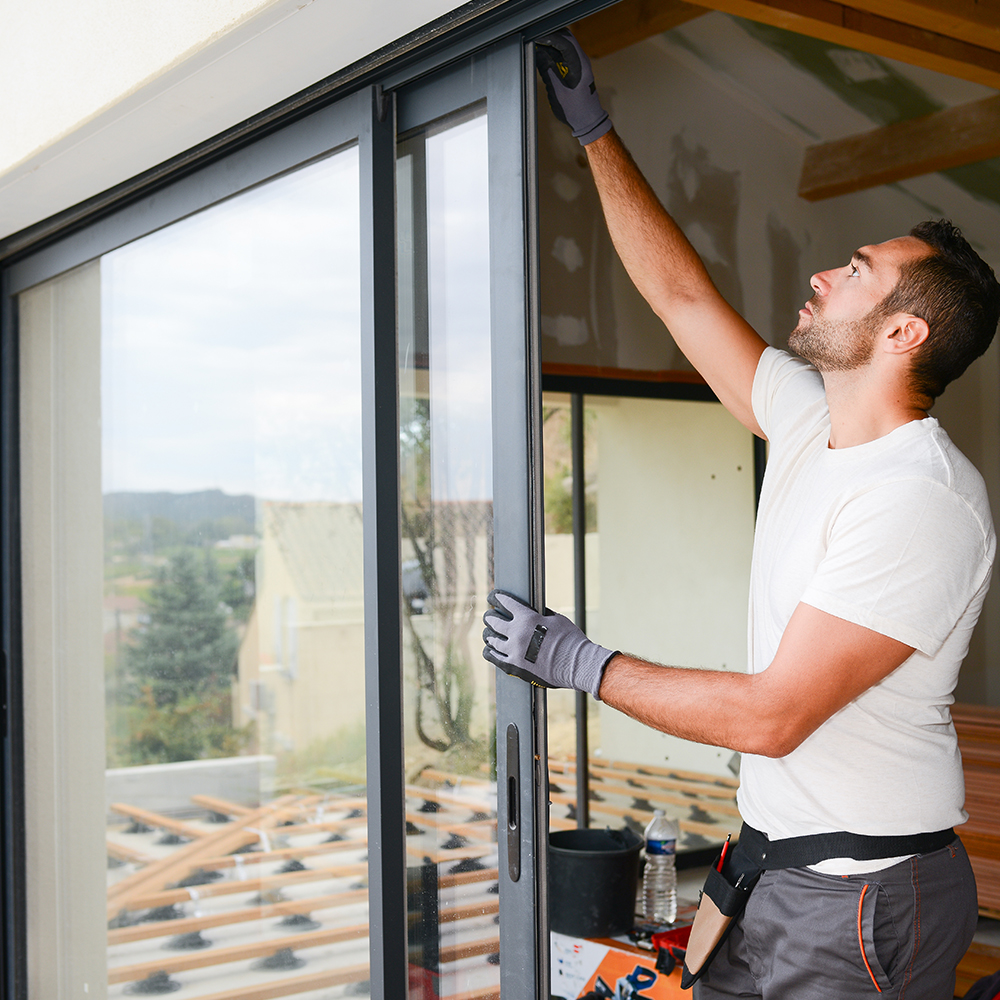
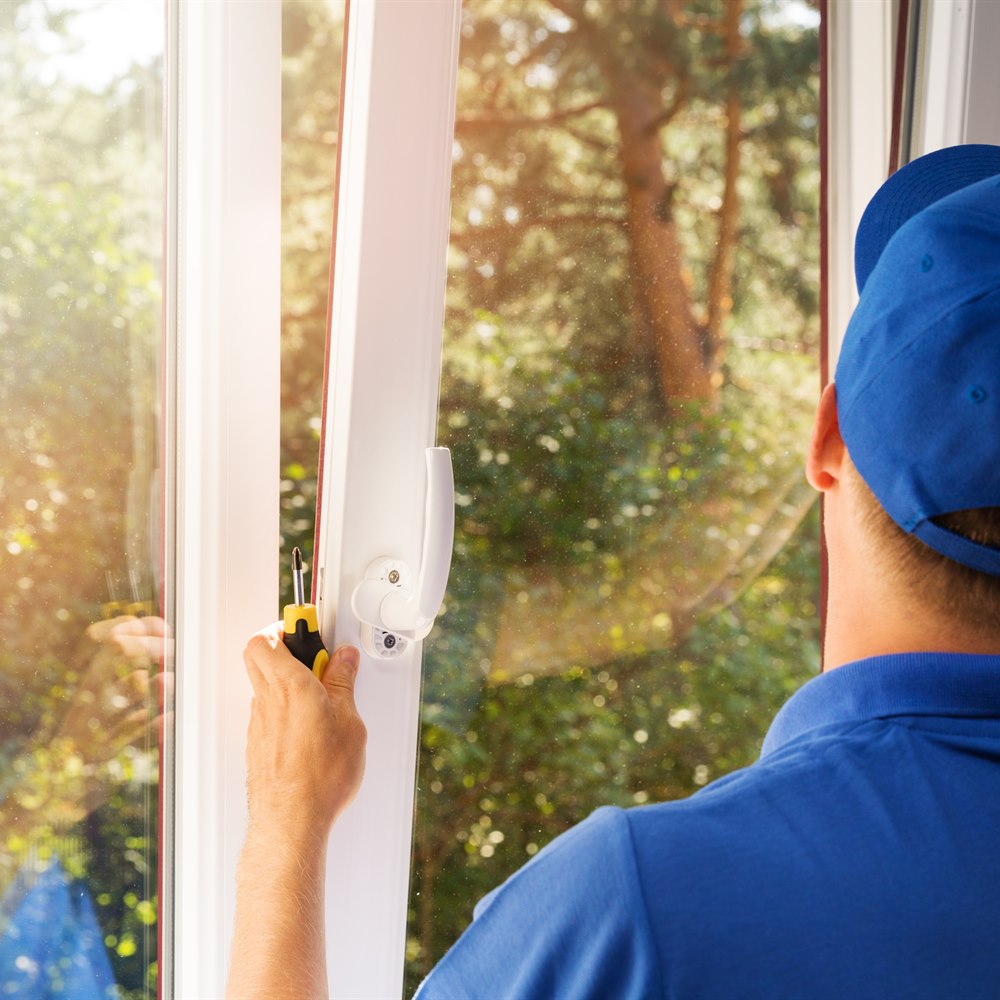
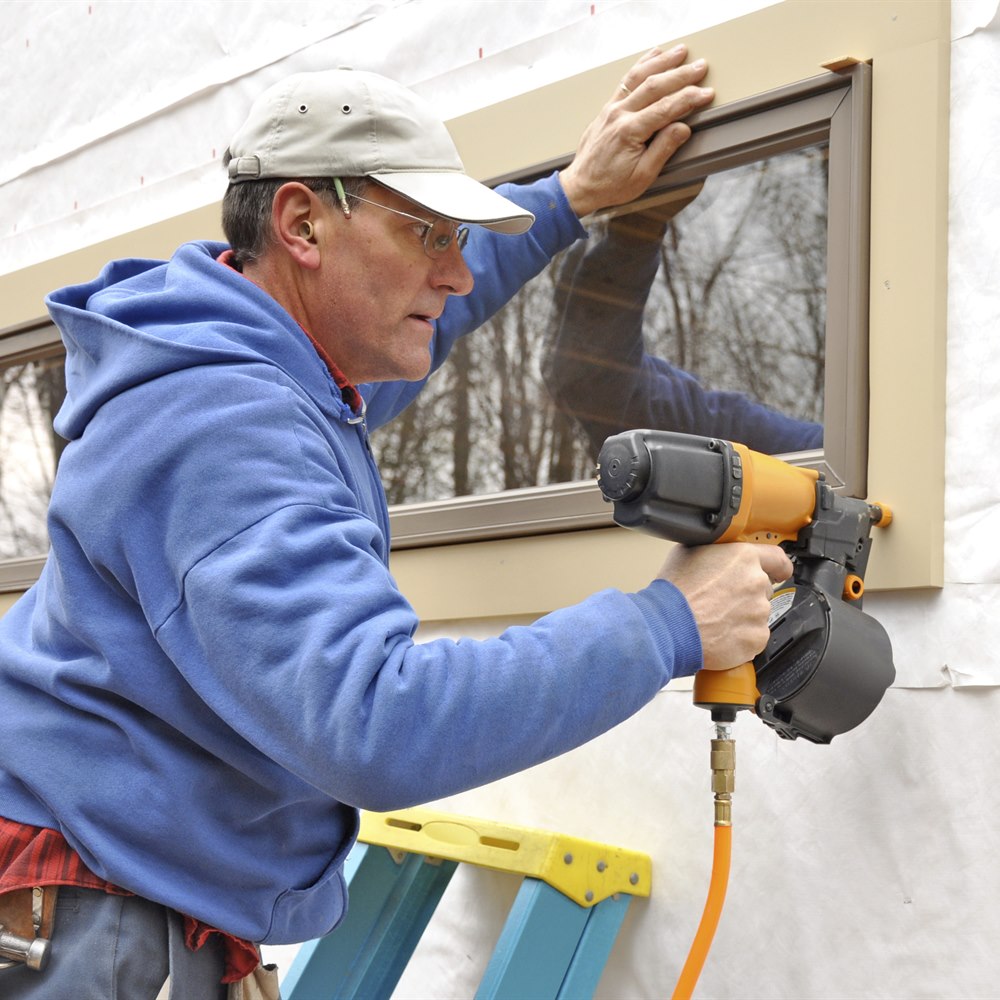
The best window and door installers measure on-site before quoting, pull the required permits, include trim in the scope, and back the work with a labor warranty separate from the product warranty. Installation quality directly affects energy performance, weather resistance, and long-term durability, so the installer matters as much as the window.
They Measure Before They Quote
Accurate measurement is the foundation of window replacement. A quality installer visits the home, measures each opening precisely, and provides a quote specific to your actual window sizes and conditions not an average per-window estimate based on a phone description. Installers who quote without measuring are guessing at sizes and may order wrong-sized windows or quote for a different scope than the actual job.
They Pull Permits When Required
Licensed contractors in most jurisdictions are required to pull permits for structural work and often for window and door replacement when opening sizes change. A contractor who suggests skipping permits to save money is asking you to carry the liability of unpermitted work that may surface at resale. A quality installer pulls permits as a standard practice, and the permit cost is included in the quote rather than treated as an unexpected add-on. (For more on this, see Hidden Costs of Window and Door Replacement.)
They Offer a Labor Warranty
Window and door manufacturers warrant the product frame, glass, and hardware. The installer is responsible for the quality of the installation: the seal against the rough opening, flashing, and interior finishing. A quality installer offers a labor warranty of at least 1 to 2 years on the installation work, separate from the product warranty. This matters because installation failures (air leaks, water infiltration) often show up in the first winter or after heavy rain, not immediately. (For more on this, see What Affects the Cost of Window and Door Replacement?.)
Working With a Contractor on This Project
Getting the right outcome on any home services project starts before the work begins. A few consistent practices make the difference between a smooth project and a frustrating one.
Get at least two or three quotes. A single quote gives you no basis for comparison. Two or three quotes reveal the market rate for the work, expose scope differences between bidders, and let you assess contractor communication quality before any commitment is made. The lowest bid is not automatically the best value if the scope is thin or the materials are underspecified.
Ask for licenses and insurance before work starts. Verify current general liability insurance and, for any work involving workers on your property, workers compensation coverage. Licensing requirements vary by state and trade; confirm the specific requirements in your jurisdiction. A licensed contractor who carries appropriate insurance protects both parties if something goes wrong during the project. (For more on this, see Questions to Ask Before Replacing Your Windows.)
Get the scope in writing. A written proposal that specifies materials, labor scope, timeline, what is included (permits, cleanup, disposal), and warranty terms is the foundation of a professional engagement. Verbal agreements on any of these points invite misunderstanding. For any project over $500, written scope is non-negotiable.
Clarify the payment schedule upfront. A reasonable payment schedule ties major payments to project milestones: a deposit at signing, a payment at material delivery or project start, and a final payment at completion after a walkthrough confirms satisfaction. A contractor who requires full payment upfront before work begins is a red flag in any trade.
How to Use This Guide
Finding the right contractor is the most important decision in any home services project. The criteria in this article reflect what distinguishes contractors who deliver excellent work from those who do not, based on the specific quality factors that matter for this type of work.
Use the criteria here as a screening framework, not a checklist to be completed mechanically. A contractor who scores well on the criteria that matter most for your specific project, home, and concerns is a better match than one who technically checks every box but does not communicate clearly or does not have local experience with your type of home.
The right contractor is one who provides a clear, written proposal with specific materials and scope, is licensed and insured, has verifiable local references from similar work, and backs their installation with a meaningful warranty. When you are ready to compare your options, use the button below to connect with qualified local professionals in your area.
Windows and Doors Cost at a Glance
Replacement window: $400 to $2,500 each installed, varying by type, size, and glass; volume-installer vinyl sits at the floor and premium brands or larger units at the top.
Exterior door: $700 to $5,000 each installed, from basic steel to premium wood and custom designs, covering the slab, the jambs, and the labor.
Energy-efficient or custom features: Triple-pane glass adds $300 to $800 per window, and a bay or bow unit runs $1,600 to $4,000 installed.
Overall range: $400 to $5,000 per opening installed, averaging $2,200. Whole-house work multiplies from there — ten windows run $15,000 to $27,000.
Cost figures on this page were checked against published pricing on August 29, 2026. How we source cost data.