
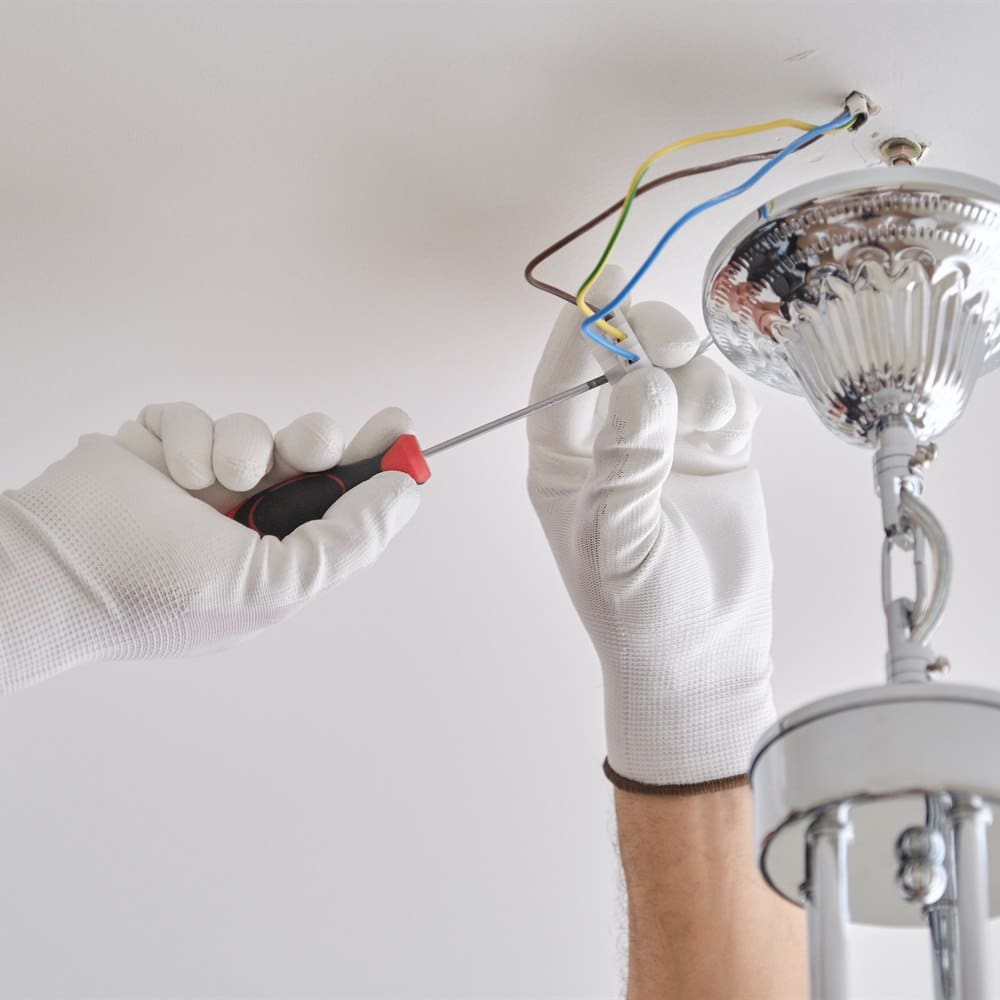
How Long Does Home Electrical Wiring Work Take?
Electrical wiring project timelines depend on the scope and the permit and inspection sequence. Here is an accurate timeline by project type.
Panel Upgrade: 1 Workday for Electrical + 1 to 4 Weeks for Utility
The electrical work of a panel upgrade takes one workday. The electrician installs the new panel, transfers all circuits, and tests the system. The time-limiting factor is utility scheduling: the utility must disconnect power at the service entry point, which requires their crew. In busy seasons, utility scheduling takes 1 to 4 weeks. Total elapsed time from contract signing to project complete: 1 to 5 weeks, most of which is waiting for the utility appointment. (For more on this, see How to Budget for a Home Electrical Wiring Project.) The Electrical Safety Foundation covers where GFCI and AFCI protection is required and which jobs need a licensed electrician.
Partial Rewire: 2 to 5 Days of Electrical Work
Rewiring a kitchen, basement, or specific area of the home takes 2 to 5 workdays. The rough-in inspection (2 to 5 days after the rough-in is complete) is the timeline milestone that controls when drywall can proceed. Total elapsed time including inspection scheduling and drywall: 2 to 4 weeks.
Whole-Home Rewire: 5 to 10 Days of Electrical Work
Whole-home rewiring for a 1,500 to 2,500-square-foot home takes 5 to 10 workdays for the electrical crew. The rough-in inspection occurs at the midpoint; the final inspection after device installation at the end. Drywall and painting after rough-in adds 1 to 2 weeks. Total elapsed project time including inspection and finishing: 3 to 6 weeks. (For more on this, see Home Electrical Wiring: What to Expect During the Project.)
What Determines Whether You Are in the Shorter or Longer Range
Open construction (unfinished basement, renovation with walls already open) dramatically reduces wiring time a wire fishing is not needed. Finished home with intact drywall adds 30 to 60 percent to labor time. Inspection wait times vary by municipality a some schedule in 2 to 3 days; others take 2 weeks. Utility scheduling for service entry work is the most unpredictable variable, ranging from same-week to 4 weeks. (For more on this, see Hidden Costs of Home Electrical Wiring.)
Working With a Contractor on This Project
Getting the right outcome on any home services project starts before the work begins. A few consistent practices make the difference between a smooth project and a frustrating one.
Get at least two or three quotes. A single quote gives you no basis for comparison. Two or three quotes reveal the market rate for the work, expose scope differences between bidders, and let you assess contractor communication quality before any commitment is made. The lowest bid is not automatically the best value if the scope is thin or the materials are underspecified.
Ask for licenses and insurance before work starts. Verify current general liability insurance and, for any work involving workers on your property, workers compensation coverage. Licensing requirements vary by state and trade; confirm the specific requirements in your jurisdiction. A licensed contractor who carries appropriate insurance protects both parties if something goes wrong during the project.
Get the scope in writing. A written proposal that specifies materials, labor scope, timeline, what is included (permits, cleanup, disposal), and warranty terms is the foundation of a professional engagement. Verbal agreements on any of these points invite misunderstanding. For any project over $500, written scope is non-negotiable.
Clarify the payment schedule upfront. A reasonable payment schedule ties major payments to project milestones: a deposit at signing, a payment at material delivery or project start, and a final payment at completion after a walkthrough confirms satisfaction. A contractor who requires full payment upfront before work begins is a red flag in any trade.
How to Use This Guide
Finding the right contractor is the most important decision in any home services project. The criteria in this article reflect what distinguishes contractors who deliver excellent work from those who do not, based on the specific quality factors that matter for this type of work.
Use the criteria here as a screening framework, not a checklist to be completed mechanically. A contractor who scores well on the criteria that matter most for your specific project, home, and concerns is a better match than one who technically checks every box but does not communicate clearly or does not have local experience with your type of home.
The right contractor is one who provides a clear, written proposal with specific materials and scope, is licensed and insured, has verifiable local references from similar work, and backs their installation with a meaningful warranty. When you are ready to compare your options, use the button below to connect with qualified local professionals in your area.
Electrical Wiring Cost at a Glance
| Cost Factor | Typical Range | Notes |
|---|---|---|
| Small wiring work | $250 to $900 per dedicated circuit | a single outlet, switch, or fixture is $100 to $300+ per opening |
| Panel (breaker box) upgrade | $1,300 to $4,500 | installed, for upgrading service capacity |
| Partial rewiring | $600 to $10,000 | one room $600 to $2,500; kitchen $1,500 to $4,000; one to two floors $3,000 to $10,000 |
| Whole-home rewire | $10,000 to $30,000 | installed, or $5 to $17 per sq ft |
| Drywall and plaster repair after rewiring | $300 to $1,500+ per patch | usually excluded from the rewire quote; adds 20 to 30% to the labor |
| Knob-and-tube or aluminum wiring | $8,000 to $40,000 | aluminum remediation $8,000 to $20,000; knob-and-tube replacement $12,000 to $40,000 |
| Permit and municipal inspection | $75 to $1,500 per permit | paid to the jurisdiction rather than to the electrician |
| Overall range | $1,500 to $30,000, averaging $2,500 |
Cost figures on this page were checked against published pricing on August 27, 2026. How we source cost data.