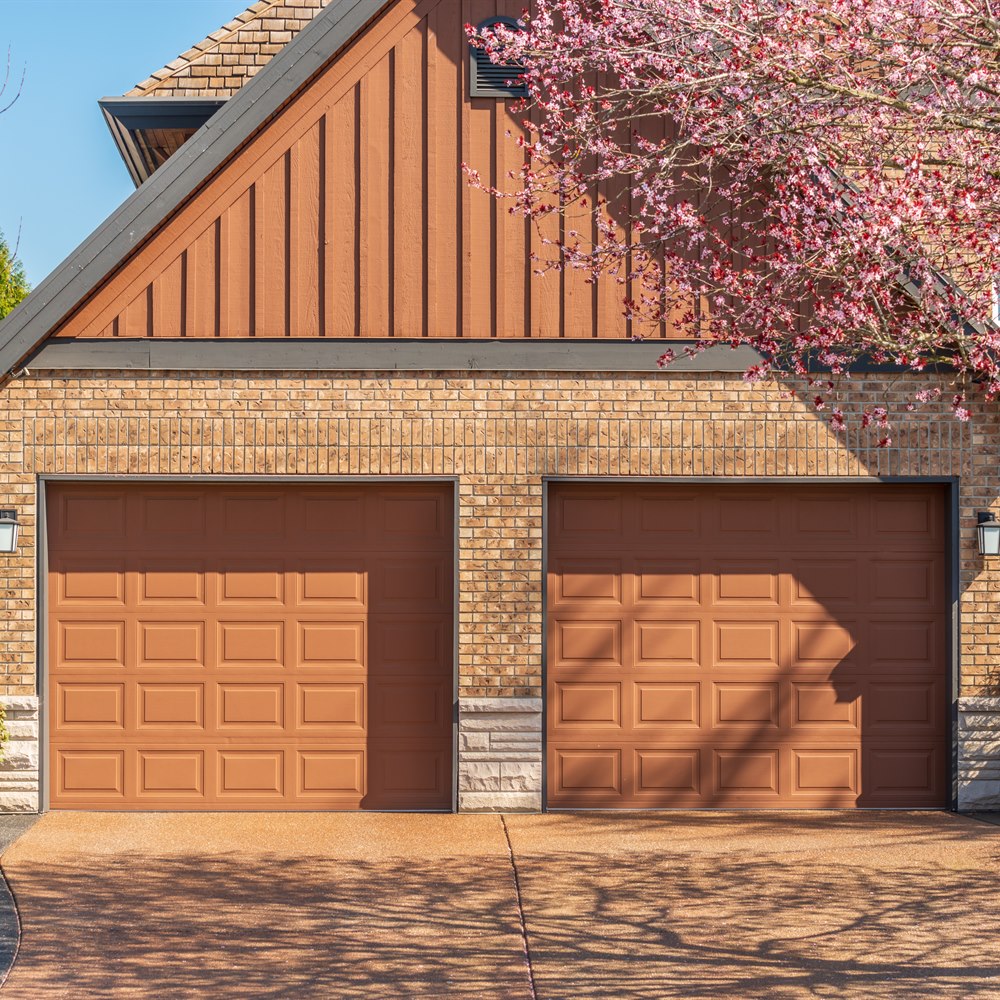
Which Garage Door Material Is Right?
Garage door material affects cost, appearance, maintenance, and durability. Here is how the four main options compare.
Steel: Most Popular, Best Value
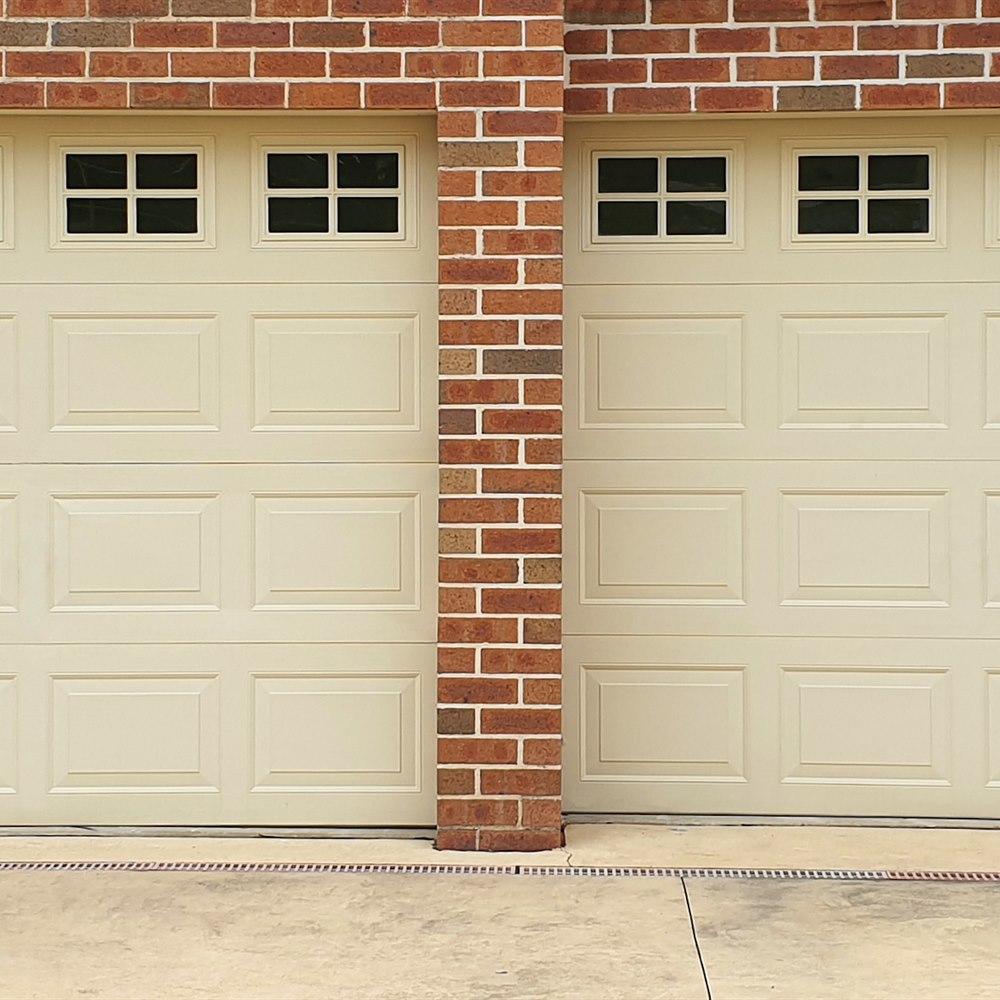
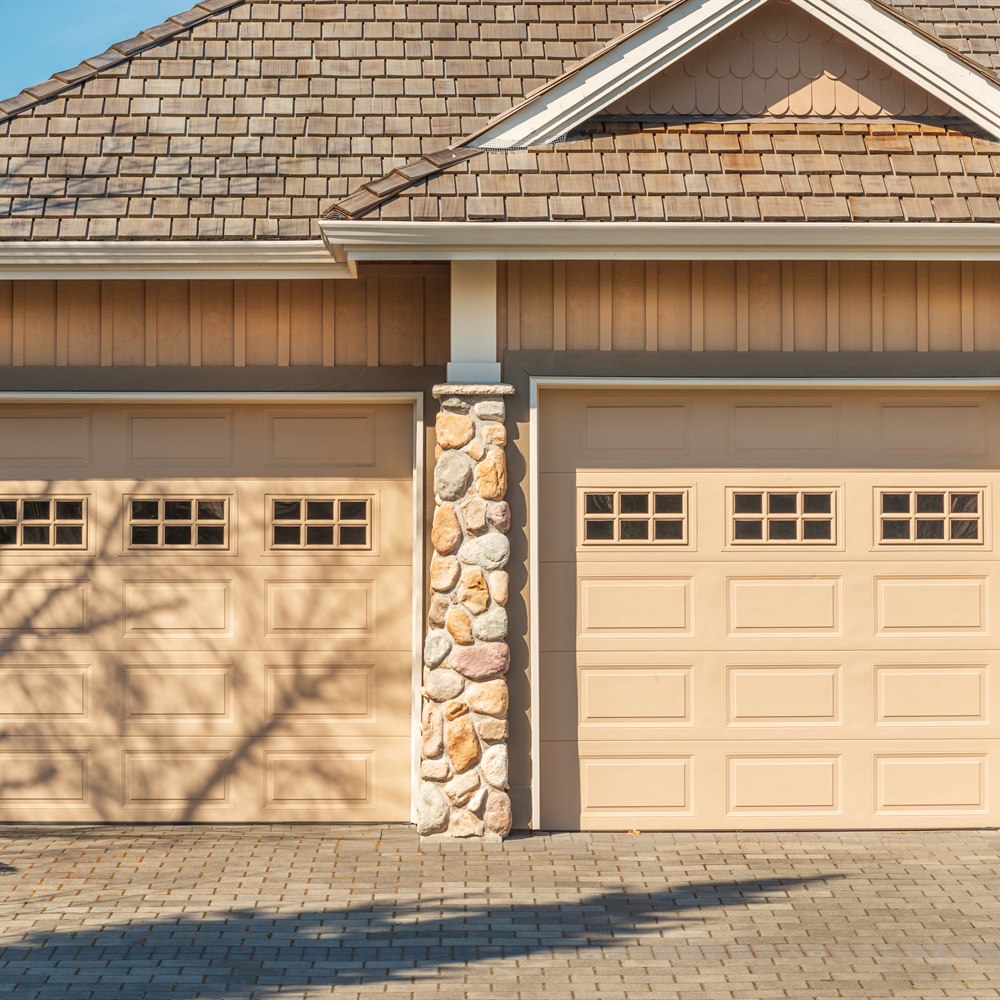
Steel is the most widely installed garage door material for good reason: it is durable (20 to 30 year service life), available in any style, color, and insulation level, resistant to weather, and the lowest maintenance of any material (touch-up paint for scratches, washing with mild detergent). Cost: $700 to $3,000 installed depending on insulation level, size, and style. Limitation: steel can dent from vehicle impacts (though steel doors with polyurethane fill are more dent-resistant than polystyrene-insulated or non-insulated doors) and can rust at exposed scratches in coastal environments. Steel is the correct choice for most residential applications. (For more on this, see How Much Does a New Garage Door Cost?.)
Wood: Highest Curb Appeal, Most Maintenance
A cedar or redwood garage door provides warmth, grain, and visual character that no manufactured material can replicate. Cost: $4,000 to $10,000 installed for a solid wood door — Home Depot posts the wood door alone at $5,100 before installation. Maintenance: painting or staining every 3 to 5 years, immediate attention to any moisture damage (particularly at the bottom rail where the door contacts the weather seal — a primary rot point). Service life: 20 to 30 years with consistent maintenance; significantly less without it. Wood is appropriate for homes where curb appeal is the primary investment driver and the maintenance commitment is genuine. (For more on this, see Garage Door Buying Guide: Choosing the Right Door.)
Aluminum and Composite: Specialty Applications
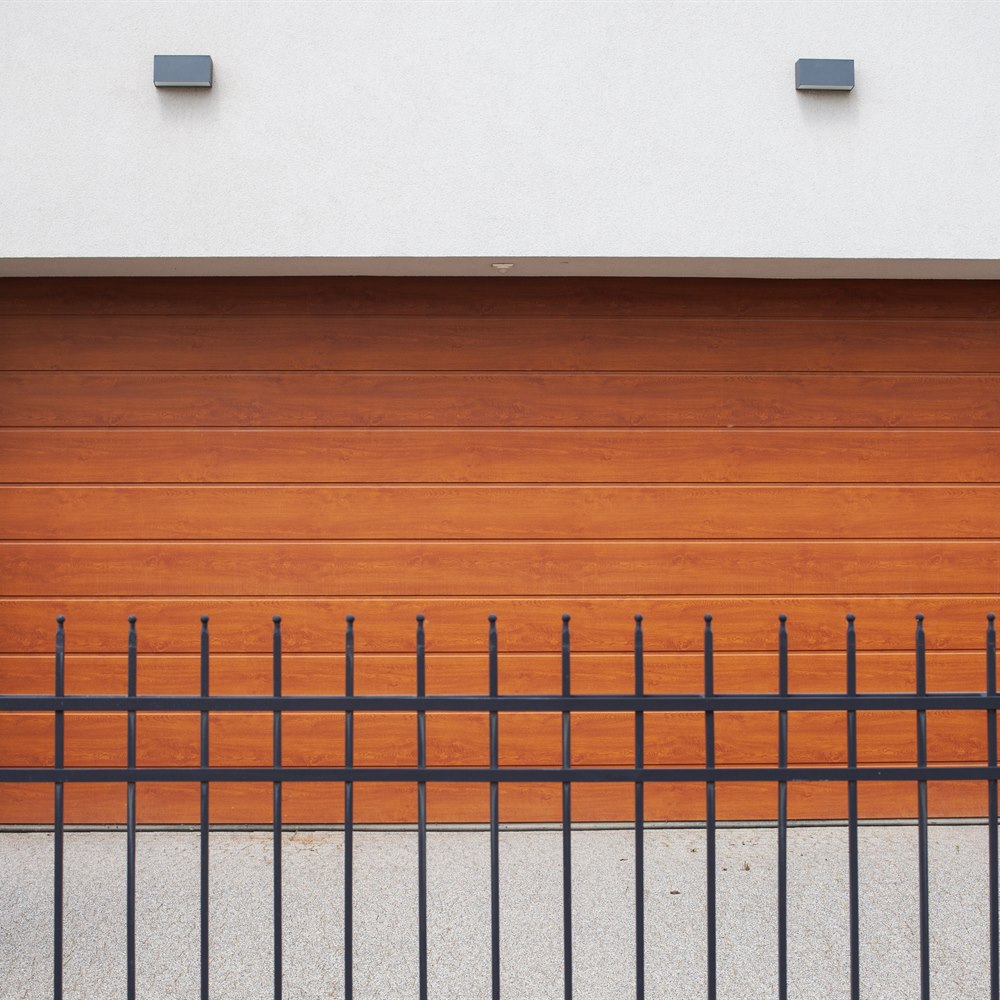
Aluminum (powder-coated extruded aluminum): used primarily for full-view (glass panel) doors because the material allows the slim, rigid frame that supports large glass sections. It does not rust, making it the preferred material for coastal climates. Cost: $4,000 to $10,000 installed for full-view aluminum-glass doors — Home Depot posts the glass door alone at $7,640 before installation. Composite (engineered wood-look panels over a steel frame): provides approximately 85 to 90 percent of wood’s visual character with significantly less maintenance (no painting, no rot risk). Cost: $4,000 to $10,000 installed — Home Depot posts the composite door alone at $4,680 before labor. Composite is the practical alternative to real wood for homeowners who want the wood aesthetic without the maintenance commitment.
Garage Door Cost at a Glance
| Cost Factor | Typical Range | Notes |
|---|---|---|
| Basic steel single-car door installed | $700 to $1,500 | |
| Insulated or double-car door installed | $1,500 to $3,000 | |
| Custom or premium material door | $4,000 to $10,000 | Installed, per door |
| Overall range | $700 to $6,000 | Averaging $2,000 for a standard single-door installation; custom doors run above this range |
Cost figures on this page were checked against published pricing on September 2, 2026. How we source cost data.
Planning Your Project Budget
The cost ranges in this article are based on industry data and are intended as planning benchmarks, not fixed prices. The actual cost for your project depends on your specific home, your local labor market, the current price of materials, and the scope the contractor confirms after a site inspection. (For more on this, see Garage Door Styles and Materials: What Is Right for Your Home?.)
Always get at least two written quotes on equivalent defined scope before committing to any home services project. Wide price variation between quotes usually reflects differences in material quality, scope completeness (what is included and what is not), or contractor overhead and experience level rather than simple price competition.
Use the cost data in this article to ask better questions during the quoting process: What material is included? What does that per-square-foot or per-linear-foot rate include and exclude? Are permits, cleanup, and disposal included? What is the warranty on labor? These questions turn a quote into a comparable basis for decision-making.
Working With a Contractor on This Project
Getting the right outcome on any home services project starts before the work begins. A few consistent practices make the difference between a smooth project and a frustrating one.
Get at least two or three quotes. A single quote gives you no basis for comparison. Two or three quotes reveal the market rate for the work, expose scope differences between bidders, and let you assess contractor communication quality before any commitment is made. The lowest bid is not automatically the best value if the scope is thin or the materials are underspecified.
Ask for licenses and insurance before work starts. Verify current general liability insurance and, for any work involving workers on your property, workers compensation coverage. Licensing requirements vary by state and trade; confirm the specific requirements in your jurisdiction. A licensed contractor who carries appropriate insurance protects both parties if something goes wrong during the project.
Get the scope in writing. A written proposal that specifies materials, labor scope, timeline, what is included (permits, cleanup, disposal), and warranty terms is the foundation of a professional engagement. Verbal agreements on any of these points invite misunderstanding. For any project over $500, written scope is non-negotiable.
Clarify the payment schedule upfront. A reasonable payment schedule ties major payments to project milestones: a deposit at signing, a payment at material delivery or project start, and a final payment at completion after a walkthrough confirms satisfaction. A contractor who requires full payment upfront before work begins is a red flag in any trade.