Why Does Furnace Maintenance Matter?
An annual furnace tune-up is one of the most cost-effective things you can do as a homeowner, preventing breakdowns, catching safety problems, maintaining efficiency, and extending the furnace’s life. Because furnaces involve combustion, maintenance has a safety dimension that most home upkeep doesn’t. Here’s what it involves and why it pays off.
What Furnace Maintenance Involves
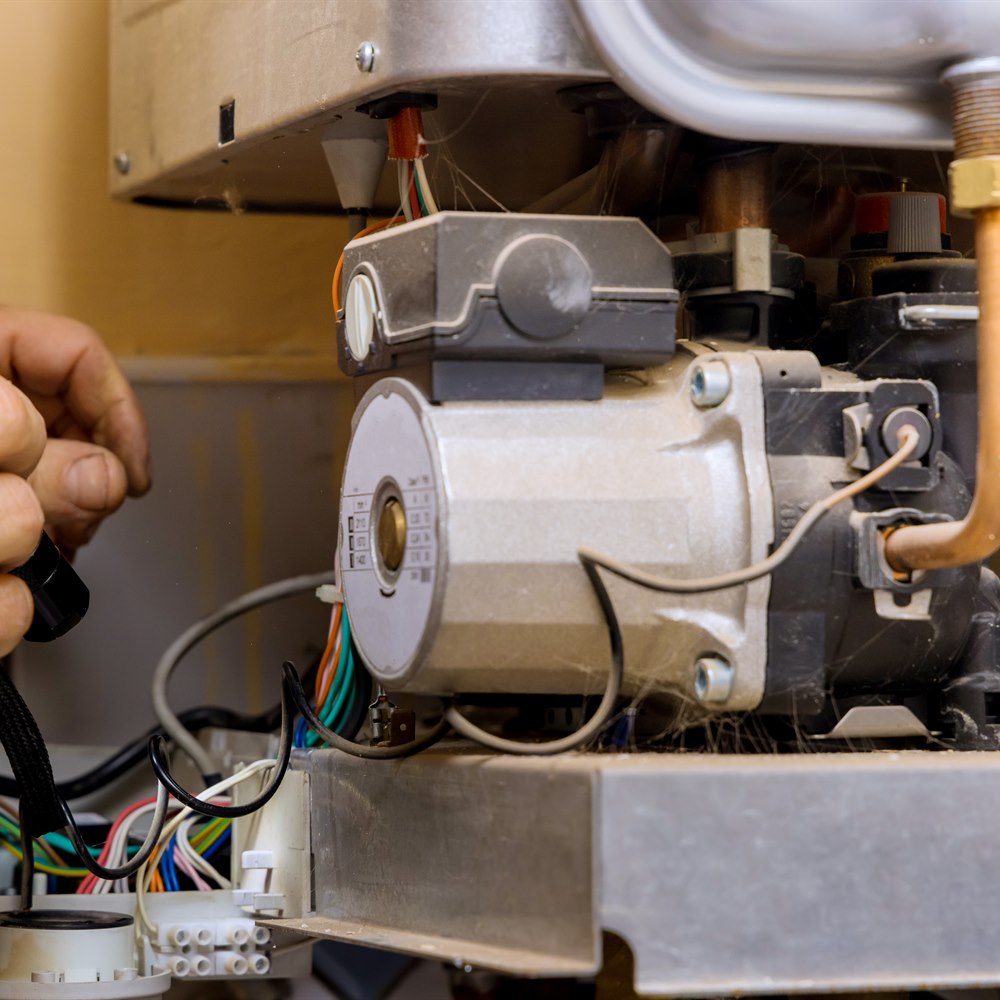
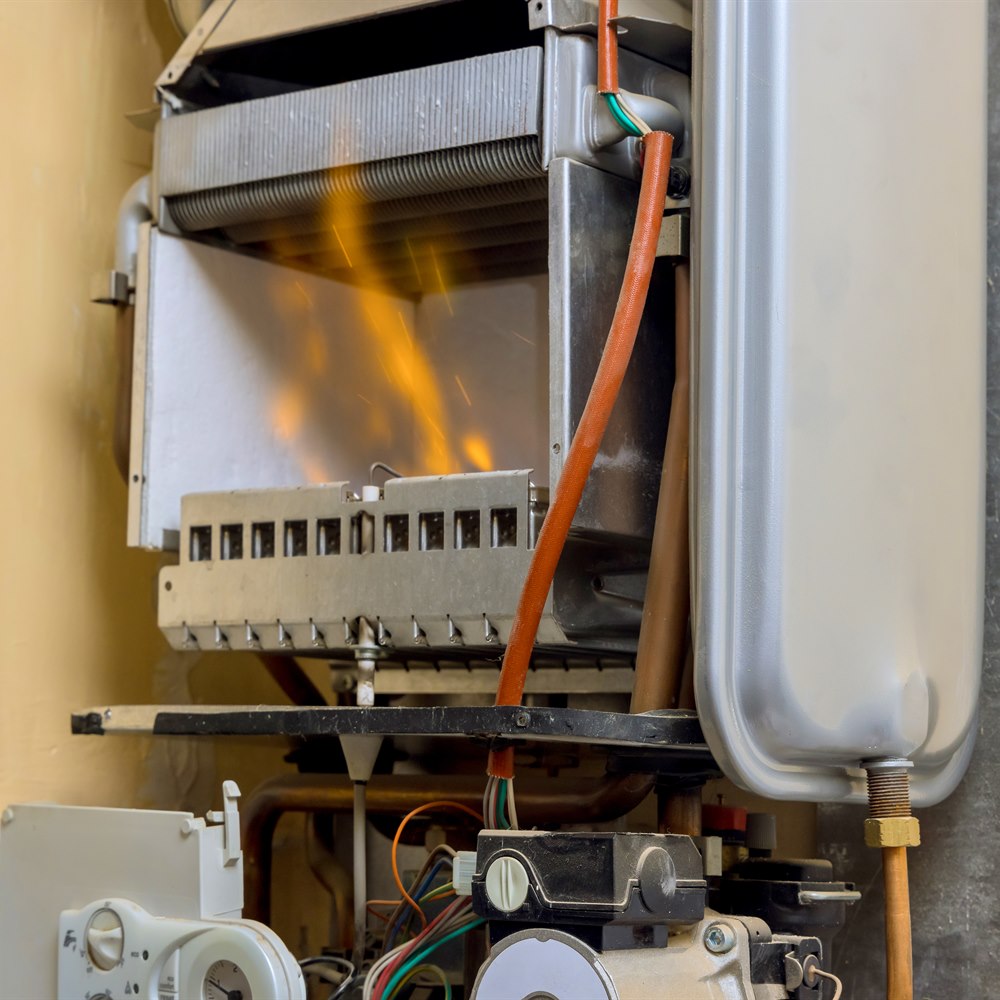
A professional furnace tune-up typically includes cleaning and inspecting the burners, cleaning the flame sensor, inspecting the heat exchanger for cracks, checking and testing safety controls and limit switches, inspecting the venting and flue, testing the ignition sequence, checking the blower and motor, inspecting electrical connections, verifying gas pressure and combustion, and replacing or checking the filter. Done annually, ideally before heating season, this comprehensive check catches developing problems and confirms the furnace is operating safely and efficiently before you depend on it through winter. ENERGY STAR publishes certified efficiency ratings for heating and cooling equipment, which is the cleanest way to compare models.
Catching Safety Problems Early
The safety dimension sets furnace maintenance apart. During a tune-up, a technician inspects the heat exchanger for cracks, checks venting for blockage or deterioration, verifies proper combustion, and tests safety controls, all of which relate to carbon monoxide risk. These are problems you cannot detect yourself and that can be genuinely dangerous. An annual inspection provides a professional check on the combustion safety of an appliance that burns fuel inside your home, which is reason enough for maintenance independent of the repair savings it also provides. (For more on this, see How to Budget and Pay for Furnace Repair.)
Preventing Breakdowns When You Need Heat
Maintenance prevents the breakdowns that tend to happen at the worst times. During a tune-up, technicians catch worn igniters, dirty flame sensors, failing blower components, and airflow problems before they cause a mid-winter no-heat failure. Because emergency furnace service in freezing weather carries premium pricing and considerable discomfort, preventing those failures has real value beyond the repair cost itself. A furnace that’s been inspected and serviced before the season is far less likely to leave you without heat during a cold snap. (For more on this, see Furnace Maintenance That Prevents Breakdowns.)
Maintaining Efficiency and Lowering Bills
A clean, properly adjusted furnace uses less fuel to produce the same heat. Dirty burners, restricted airflow, and improper combustion all make the furnace work harder, raising heating bills. Annual maintenance restores and maintains efficiency, and over a heating season, the fuel savings from an efficient furnace can offset a meaningful portion of the maintenance cost. Because heating is a significant household expense, keeping the furnace operating at its designed efficiency has ongoing financial value alongside the reliability and safety benefits.
Extending the Furnace’s Life and Protecting the Warranty
Maintenance extends the furnace’s service life by reducing strain and catching problems that would otherwise cause cascading damage. Overheating from restricted airflow, for instance, stresses the heat exchanger and can shorten its life dramatically. Additionally, many manufacturer warranties require documented annual maintenance, so skipping it can jeopardize coverage on an expensive component. Regular maintenance therefore protects both the equipment itself and the warranty protection you’re relying on, deferring the substantial expense of replacement.
The Value Equation
Weighing a modest annual tune-up cost against the alternative, emergency repairs at premium rates, higher fuel bills, undetected combustion hazards, voided warranty coverage, and a shortened equipment life, makes the case straightforward. Maintenance converts unpredictable, expensive problems into a small predictable expense, while adding a professional safety check on a combustion appliance. For most homeowners, annual furnace maintenance is among the highest-value routine home services available.
When to Schedule and What to Do Between Visits
Getting the full benefit from furnace maintenance depends on timing it well and complementing it with simple upkeep between professional visits. On timing, the best practice is scheduling the annual tune-up before heating season begins, typically in early fall, rather than after the furnace has already been running for weeks or, worse, after it has failed. A pre-season inspection catches worn components, combustion problems, and airflow issues while there’s no urgency, meaning you get standard pricing, flexible scheduling, and the confidence of entering winter with a furnace that has been checked and serviced. It also means that if the technician finds something significant, a heat exchanger concern or a unit near the end of its life, you learn about it with time to plan rather than during a no-heat emergency in freezing weather.
Between professional visits, the most valuable thing a homeowner can do is change the filter on a regular schedule. Because restricted airflow sits at the root of so many furnace problems, causing overheating, short cycling, blower strain, and thermal stress on the heat exchanger, keeping a clean filter in place prevents a meaningful share of furnace failures for very little cost or effort. How often depends on the filter type, household conditions, pets, and how heavily the system runs, so checking it monthly during heating season and replacing it when it looks loaded is a reasonable practice. Beyond filters, keeping the area around the furnace clear of stored items, ensuring supply and return vents throughout the house stay unblocked by furniture and rugs, and keeping combustion air openings and exterior vent terminations clear of obstruction, including snow and ice on high-efficiency furnace vents, all support proper operation. It’s also worth testing carbon monoxide detectors regularly and replacing them per the manufacturer’s schedule, since they’re the backstop for combustion problems that develop between inspections. Finally, paying attention to how the furnace behaves, noting new noises, changes in heating performance, or unusual smells, and reporting these at your annual visit or calling sooner if they seem significant, helps the technician catch developing issues. This combination of a well-timed annual professional tune-up and consistent simple upkeep between visits is what actually delivers maintenance’s benefits: reliable heat, safer operation, lower fuel bills, and a furnace that reaches its full service life rather than failing early. (For more on this, see Common Furnace Problems and What Causes Them.)
Protecting Your Furnace and Your Home
Annual furnace maintenance prevents breakdowns, catches safety problems including heat exchanger and venting issues, maintains efficiency, extends equipment life, and often preserves warranty coverage, all for a modest cost. Schedule it before heating season and change filters regularly between visits. When you’re ready to schedule furnace maintenance, connect with a local pro below.
Frequently Asked Questions
It prevents breakdowns (catching worn igniters, dirty flame sensors, and failing components before a mid-winter failure), catches safety problems (heat exchanger cracks, venting issues, combustion problems relating to carbon monoxide risk), maintains efficiency and lowers fuel bills, extends equipment life, and often preserves warranty coverage that requires documented maintenance, all for a modest annual cost.
Cleaning and inspecting the burners, cleaning the flame sensor, inspecting the heat exchanger for cracks, checking and testing safety controls and limit switches, inspecting venting and flue, testing the ignition sequence, checking the blower and motor, inspecting electrical connections, verifying gas pressure and combustion, and replacing or checking the filter, done annually, ideally before heating season.
Yes, and this sets it apart from most home upkeep. During a tune-up a technician inspects the heat exchanger for cracks, checks venting for blockage or deterioration, verifies proper combustion, and tests safety controls, all relating to carbon monoxide risk. These are problems you cannot detect yourself and that can be genuinely dangerous, so an annual professional combustion safety check is reason enough for maintenance.
Yes. A clean, properly adjusted furnace uses less fuel to produce the same heat, while dirty burners, restricted airflow, and improper combustion make it work harder, raising bills. Annual maintenance restores and maintains efficiency, and over a heating season the fuel savings can offset a meaningful portion of the maintenance cost, giving ongoing financial value alongside reliability and safety benefits.
It can. Many manufacturer warranties require documented annual maintenance, so skipping it can jeopardize coverage on expensive components. Along with reducing strain and catching problems that would cause cascading damage, such as overheating from restricted airflow stressing the heat exchanger, regular maintenance protects both the equipment and the warranty protection you're relying on.