Foundation Repair or Replacement, Which Do You Need?
When a foundation has problems, the question is whether it can be repaired, stabilized, sealed, or reinforced, or whether it needs full or partial replacement. The answer depends on the severity and nature of the damage, and it’s a big cost difference. Here’s how they compare and which your situation likely calls for.
The Quick Answer
The vast majority of foundation problems are repaired, not replaced. Cracks, settling, and even significant structural movement can usually be addressed through sealing, piering, stabilization, or underpinning. Full replacement is rare and reserved for foundations so severely deteriorated or failed that repair isn’t viable. If you’re facing a foundation problem, repair is far more likely than replacement. It helps to know this going in because replacement is both the rarest and by far the most expensive outcome, so a homeowner who understands that the overwhelming majority of foundation problems are repairable is better positioned to react calmly to an alarming diagnosis and to recognize that a straight-to-replacement recommendation is the unusual case that most warrants an independent second look. (For more on this, see How to Budget and Pay for Foundation Repair.)
When Repair Is the Answer (Most of the Time)
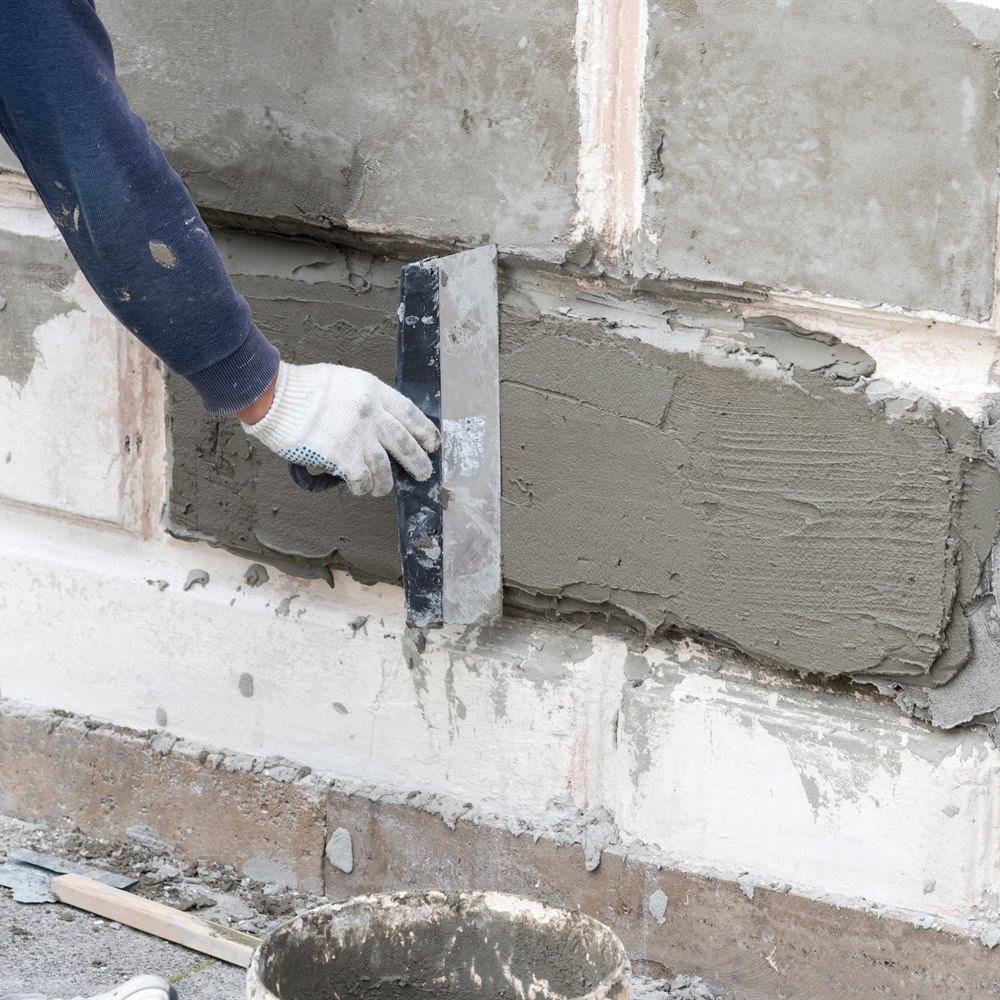
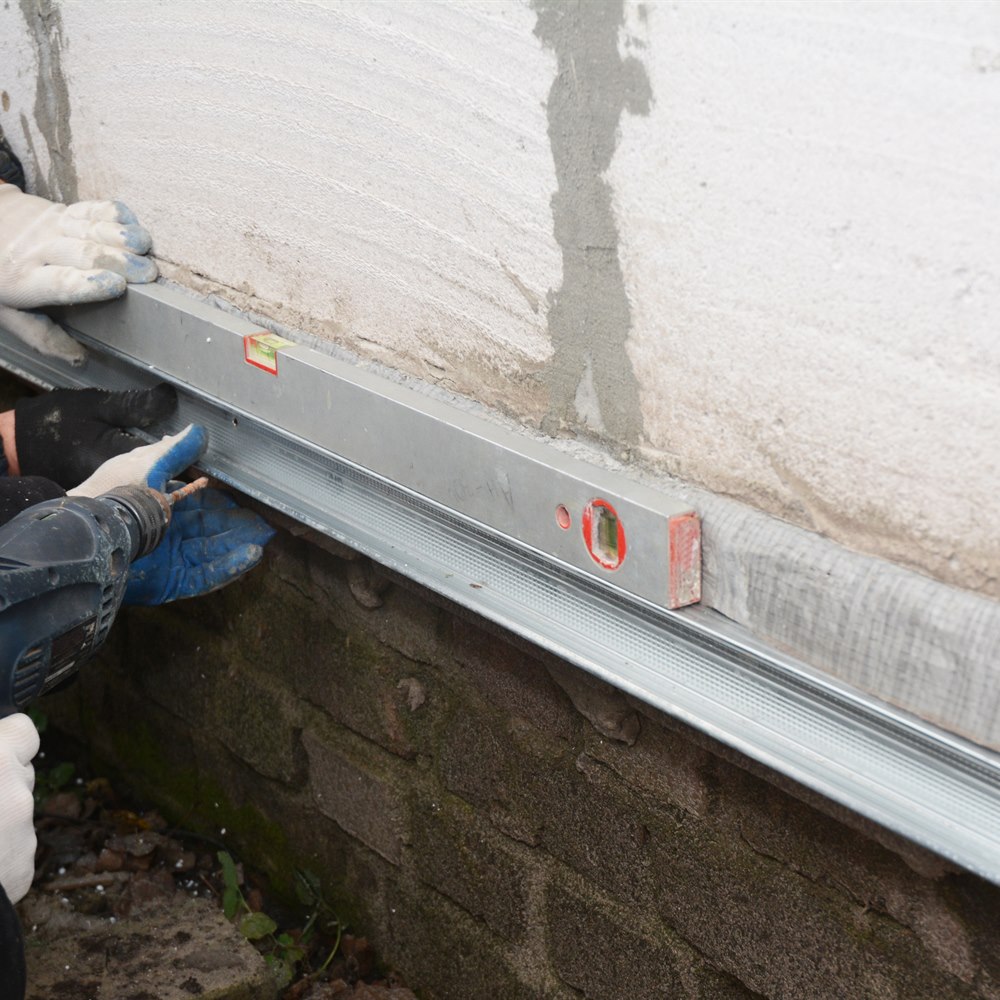
Most foundation issues are repairable. Cracks are sealed or injected; settling is corrected with piers that stabilize and lift the foundation; bowing walls are reinforced or braced; drainage problems are addressed with drainage systems. Even serious structural settling is typically fixed by underpinning, reinforcing the existing foundation, rather than replacing it. Repair preserves the existing foundation while correcting the problem, and it’s almost always more cost-effective than replacement. For the great majority of foundation problems, repair is the right and sufficient answer. The reason repair covers so much ground is that the available methods address the full range of common failures without disturbing the existing foundation, injection for cracks, piers to lift and stabilize settling, bracing or anchoring for bowing walls, and drainage systems for the water that often causes them all, so even problems that feel catastrophic to a homeowner usually map to one of these established, foundation-preserving repairs. (For more on this, see How Much Does Foundation Repair Cost?.)
When Replacement Becomes Necessary
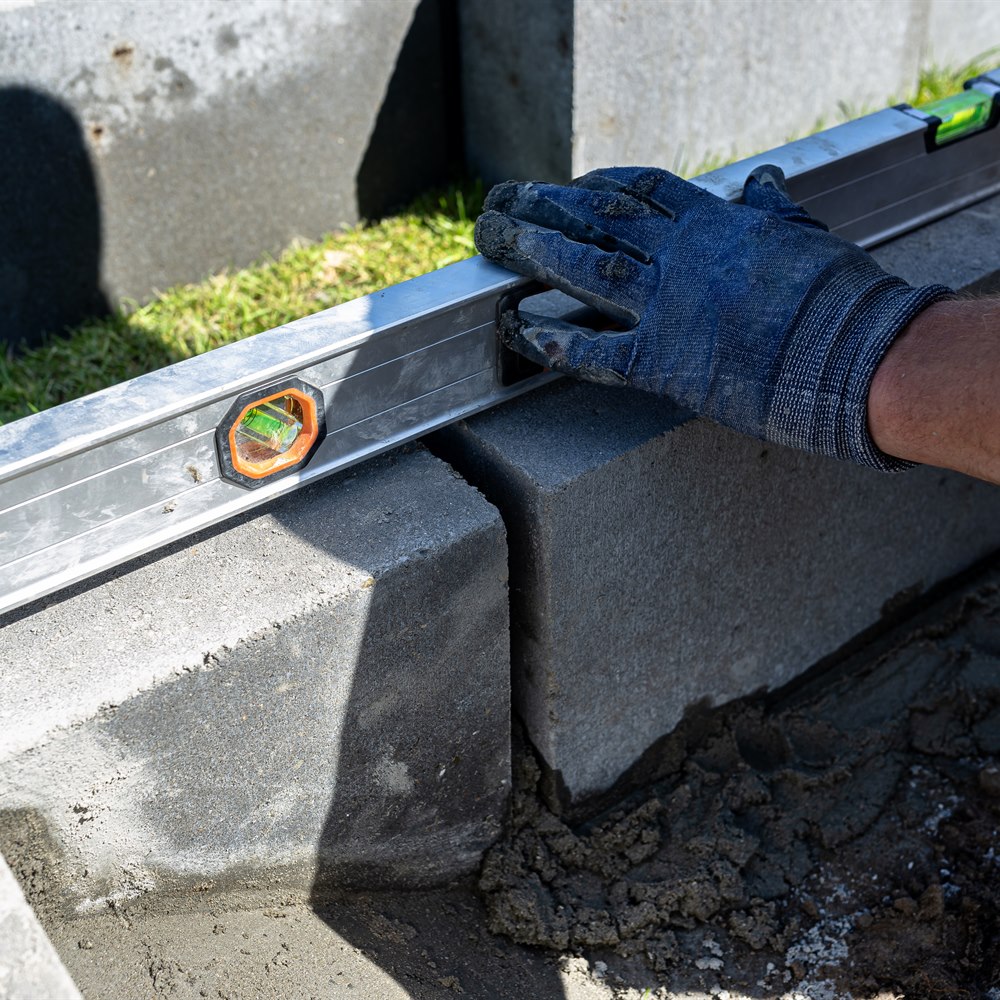
Full or partial foundation replacement is reserved for the most severe cases, a foundation so badly deteriorated (crumbling concrete, extensive failure) or so fundamentally failed that repairing it isn’t structurally sound or cost-effective. This is uncommon and involves major work: supporting the house, removing the old foundation, and building a new one. It’s a last resort for a foundation that’s beyond repair. If you’re told you need full replacement, it’s especially worth an independent second opinion, given how rare and costly it is. Replacement is genuinely a rebuild, the house has to be supported and lifted off its foundation, the old foundation removed, and a new one constructed beneath it before the house is set back down, which is why it’s reserved for concrete that is crumbling or a foundation that has failed so comprehensively that stabilizing what remains isn’t sound, a condition far less common than the word replacement, once spoken, tends to make a worried homeowner assume. (For more on this, see What Makes Foundation Repair Cost More (or Less)?.)
The Cost Difference
Repair is dramatically cheaper than replacement. Most repairs, even significant structural ones, cost a fraction of what replacing a foundation would. Because replacement means lifting the house and rebuilding the foundation, it’s a major, expensive undertaking. This cost gap is a big reason repair is almost always preferred when it’s viable, and why a replacement recommendation deserves scrutiny. When repair can solve the problem, it’s the far more economical path. The gap is large enough to change decisions, since even significant structural repairs typically run a fraction of a full replacement, which involves lifting the entire house and rebuilding from the ground, so when a repair method can genuinely address the problem, the economics point overwhelmingly toward it, and a replacement recommendation deserves scrutiny partly because so much money rides on whether it’s truly necessary.
Get an Independent Opinion on Replacement
Because replacement is rare, costly, and a much bigger job than repair, a recommendation to fully replace a foundation especially warrants an independent structural engineer’s assessment. An unbiased expert can confirm whether replacement is truly necessary or whether repair would suffice, potentially saving an enormous sum. For any replacement recommendation, independent verification is strongly worth it. Don’t accept a costly replacement without a second, unbiased opinion. The independent engineer is the right check precisely because replacement is where the incentives and the stakes are largest, an assessor with no repair or rebuild to sell can confirm whether the foundation is genuinely beyond repair or whether stabilization would suffice, and given the enormous cost difference, that one unbiased opinion is among the highest-value dollars a homeowner facing a replacement recommendation can spend.
Making the Call
For nearly all foundation problems, repair, sealing, piering, stabilization, or underpinning, is the appropriate, cost-effective answer, and it’s what the vast majority of homeowners need. Full replacement is a rare last resort for a foundation beyond repair, and any replacement recommendation deserves independent verification. A trustworthy professional will tell you honestly which you need. When you’re ready for that honest assessment, connect with a local pro below.
Frequently Asked Questions
Almost certainly repair, the vast majority of foundation problems are repaired, not replaced. Cracks, settling, and even significant structural movement are usually addressed through sealing, piering, stabilization, or underpinning. Full replacement is rare, reserved for foundations so severely failed that repair isn't viable.
Rarely, only when a foundation is so badly deteriorated (crumbling concrete, extensive failure) or fundamentally failed that repairing it isn't structurally sound or cost-effective. It's a last resort involving major work: supporting the house, removing the old foundation, and building a new one. Most problems don't require it.
Dramatically, yes. Most repairs, even significant structural ones, cost a fraction of replacing a foundation, which means lifting the house and rebuilding, a major, expensive undertaking. This cost gap is why repair is almost always preferred when viable, and why a replacement recommendation deserves scrutiny.
Strongly, yes. Because replacement is rare, costly, and a much bigger job than repair, a recommendation to fully replace a foundation warrants an independent structural engineer's assessment. An unbiased expert can confirm whether replacement is truly necessary or repair would suffice, potentially saving an enormous sum.
Usually yes. Even serious structural settling is typically fixed by underpinning, reinforcing and stabilizing the existing foundation, rather than replacing it. Repair preserves the existing foundation while correcting the problem and is almost always more cost-effective. Replacement is reserved for foundations truly beyond repair.