Fire Pit or Outdoor Fireplace: Which Should You Choose?
Both create an outdoor fire experience, but they differ in cost, social function, and visual impact.
Fire Pit: More Social, Lower Cost
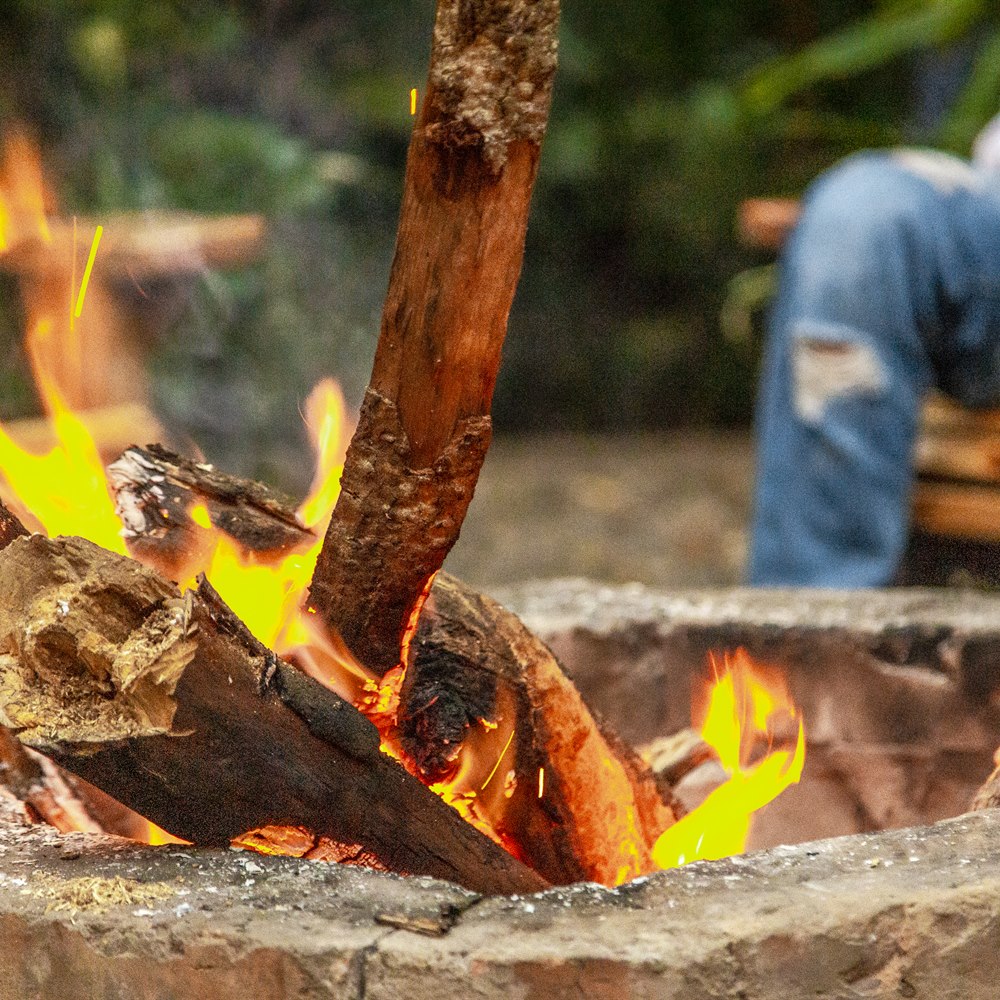
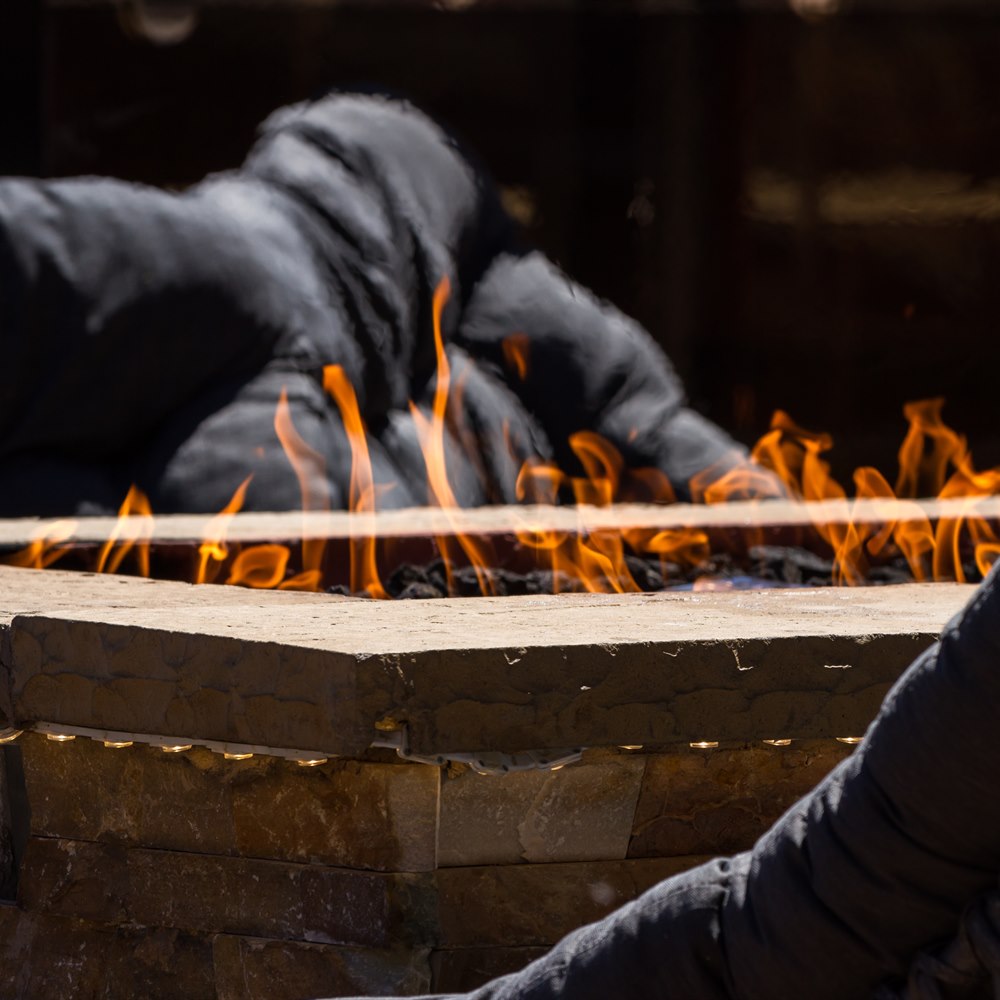
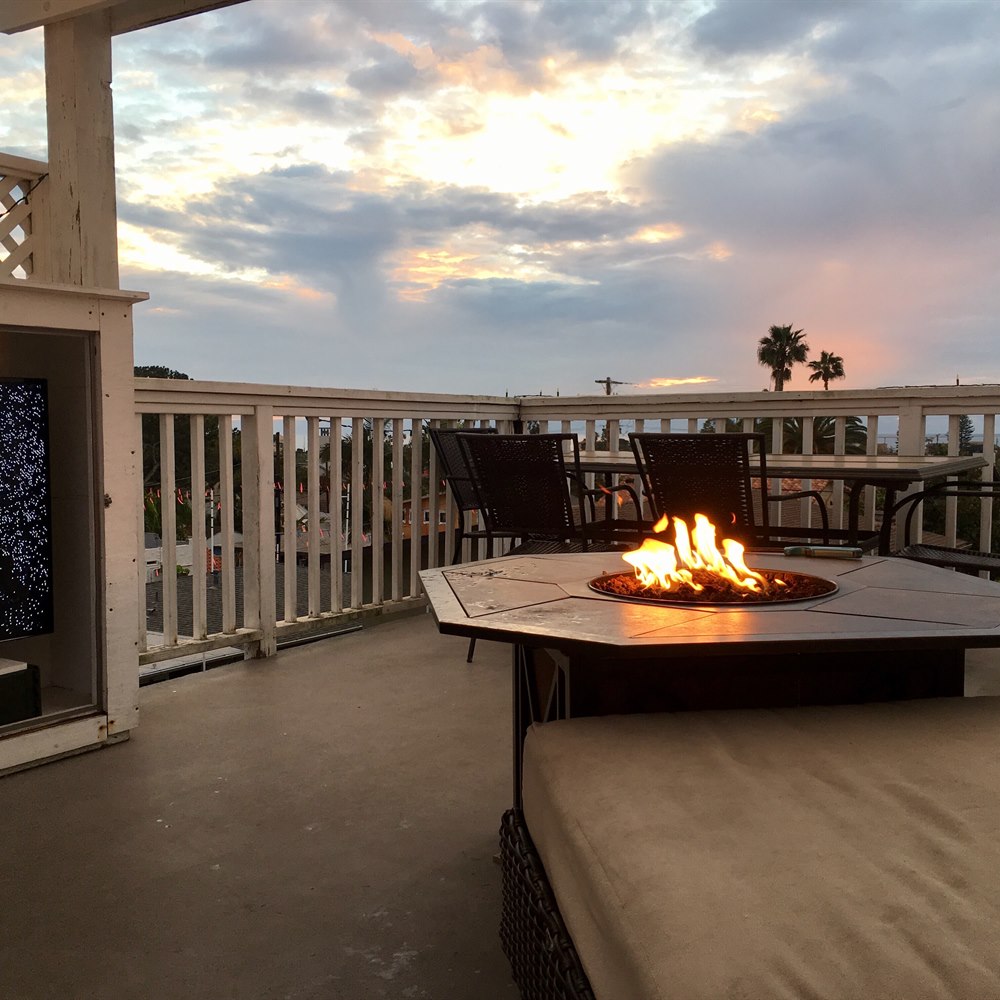
A fire pit (whether built-in or portable) allows 360-degree seating — guests gather around the fire from all directions, creating the most social outdoor fire experience. A wood-burning fire pit: $700 to $2,000. A gas fire pit: $2,000 to $4,000. The open format means guests on any side of the fire can interact with each other across the flame — no one has their back to anyone else. The limitation: fire pits produce smoke in all directions (wind determines which guests get the smoke) and have limited containment (a fireplace has a chimney and an enclosed firebox that manages smoke more effectively).
Outdoor Fireplace: Dramatic Focal Point, Higher Cost
An outdoor fireplace (a vertical structure with a firebox, a mantel, and a chimney flue) creates an architectural focal point that anchors an outdoor living area. The chimney draws smoke upward, reducing the smoke management issue of an open fire pit. The fireplace radiates heat from one direction (the firebox opening), making it effective for a more formal seating arrangement facing the fireplace. Cost: $5,000 to $15,000 for a masonry outdoor fireplace, including the foundation, the masonry structure, and the chimney. A pre-fabricated steel or cast-aluminum outdoor fireplace: $2,000 to $6,000 installed. Gas outdoor fireplace: adds $500 to $1,500 for the gas burner and gas line over the wood-burning cost. The formal, architectural character of an outdoor fireplace suits covered outdoor living areas, formal outdoor dining rooms, and homes with traditional or formal architectural styles. (For more on this, see How Much Does a Fire Pit Cost?.)
Which to Choose
Choose a fire pit when: the social gathering experience is the priority, the budget is limited, and the informal outdoor style suits the home. Choose an outdoor fireplace when: a dramatic architectural focal point is the goal, the outdoor living area is formal or covered, and the smoke management of a chimney is important for the site conditions. (For more on this, see How to Budget and Pay for a Fire Pit.)
Working With a Contractor on This Project
Getting the right outcome on any home services project starts before the work begins. A few consistent practices make the difference between a smooth project and a frustrating one.
Get at least two or three quotes. A single quote gives you no basis for comparison. Two or three quotes reveal the market rate for the work, expose scope differences between bidders, and let you assess contractor communication quality before any commitment is made. The lowest bid is not automatically the best value if the scope is thin or the materials are underspecified.
Ask for licenses and insurance before work starts. Verify current general liability insurance and, for any work involving workers on your property, workers compensation coverage. Licensing requirements vary by state and trade; confirm the specific requirements in your jurisdiction. A licensed contractor who carries appropriate insurance protects both parties if something goes wrong during the project. (For more on this, see Fire Pit Questions to Ask Before Installation.)
Get the scope in writing. A written proposal that specifies materials, labor scope, timeline, what is included (permits, cleanup, disposal), and warranty terms is the foundation of a professional engagement. Verbal agreements on any of these points invite misunderstanding. For any project over $500, written scope is non-negotiable.
Clarify the payment schedule upfront. A reasonable payment schedule ties major payments to project milestones: a deposit at signing, a payment at material delivery or project start, and a final payment at completion after a walkthrough confirms satisfaction. A contractor who requires full payment upfront before work begins is a red flag in any trade.
Making a Confident Decision
The information in this article is designed to help you ask better questions of the professionals you work with, evaluate their answers with more confidence, and understand the decisions involved in this type of home services project. It is not a substitute for professional assessment of your specific home.
Every home is different. Roof slopes, local weather, tree exposure, soil conditions, and existing system condition all affect what the right solution is for your specific situation. The general principles here apply broadly, but a professional who assesses your home in person will give you guidance that accounts for the details that general articles cannot.
When you are ready to move forward, getting at least two or three quotes from licensed, insured, local contractors is the most important practical step. It lets you compare approaches, assess contractor quality, and confirm that the solution proposed matches your specific situation and budget.
Fire Pit Cost at a Glance
| Cost Factor | Typical Range | Notes |
|---|---|---|
| Wood-burning stone or block pit | $700 to $2,000 installed | |
| Gas fire pit (includes gas line) | $2,000 to $4,000 installed | |
| Custom fire feature | $4,000 to $5,000+ | |
| Overall range | $700 to $5,000+, averaging $2,500 | Gas line installation adds $300 to $800 to any gas fire pit project. |
Cost figures on this page were checked against published pricing on September 2, 2026. How we source cost data.