Does Duct Cleaning Improve Indoor Air Quality?
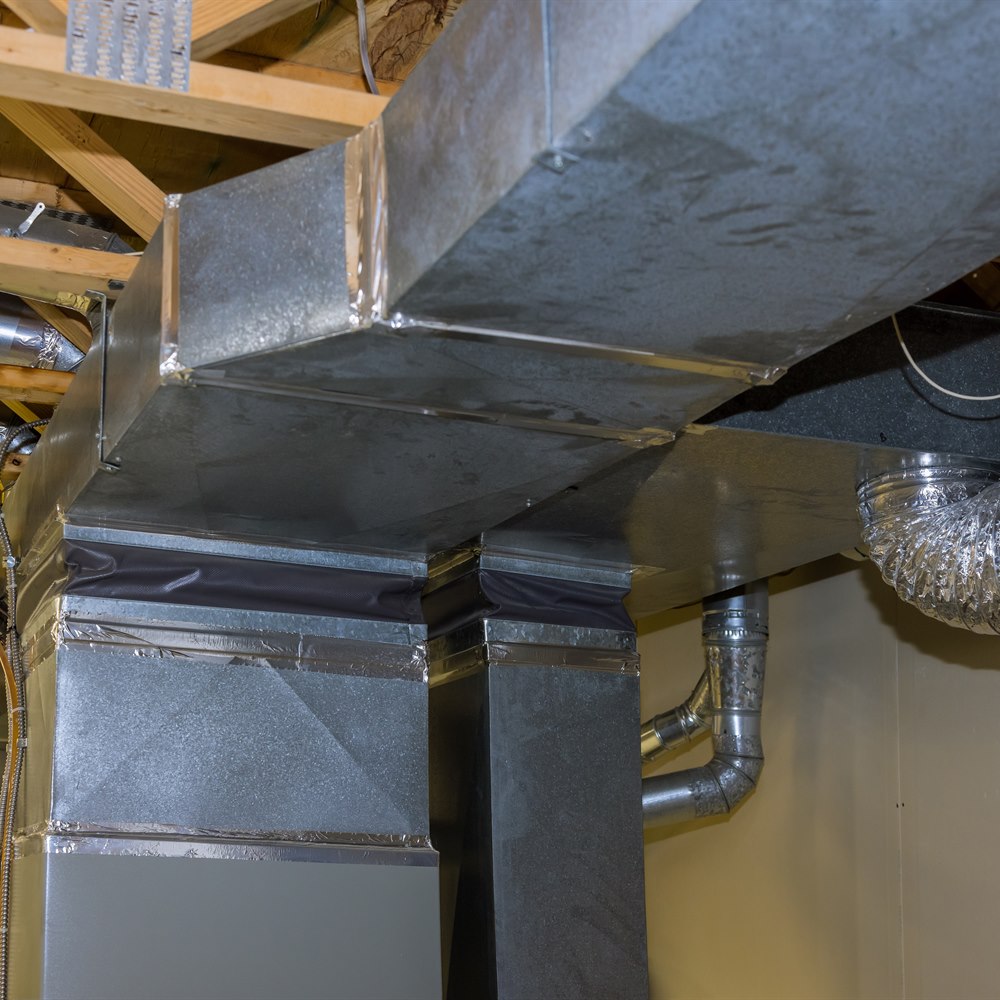
Duct cleaning works when there is a specific problem to remove: visible mold, vermin nesting in the ductwork, debris heavy enough to restrict airflow, construction dust, or water damage. The EPA does not recommend it as a routine practice for homes without those conditions, and no scientific evidence supports health benefits there. A MERV 8 to 13 filter changed every 3 months protects the duct system more consistently than periodic cleaning. Here is the honest assessment of duct cleaning.
When Duct Cleaning Is Clearly Beneficial
The EPA, NADCA, and HVAC professionals agree that duct cleaning provides clear benefit when: visible mold growth is present inside the ducts or on HVAC components. Vermin (rodents, insects) have infested and nested in the ductwork. Ducts are substantially clogged with debris that restricts airflow. Significant construction dust from renovation has entered the duct system. After flood or water damage where ductwork was wet and may harbor mold. In these conditions, cleaning removes a real contamination source that affects indoor air quality and HVAC function. (For more on this, see Does Air Duct Cleaning Actually Work? What to Know.) The U.S. Fire Administration found failure to clean was the leading ignition factor in home clothes dryer fires, at 31 percent.
When Routine Cleaning Is Not Well Supported
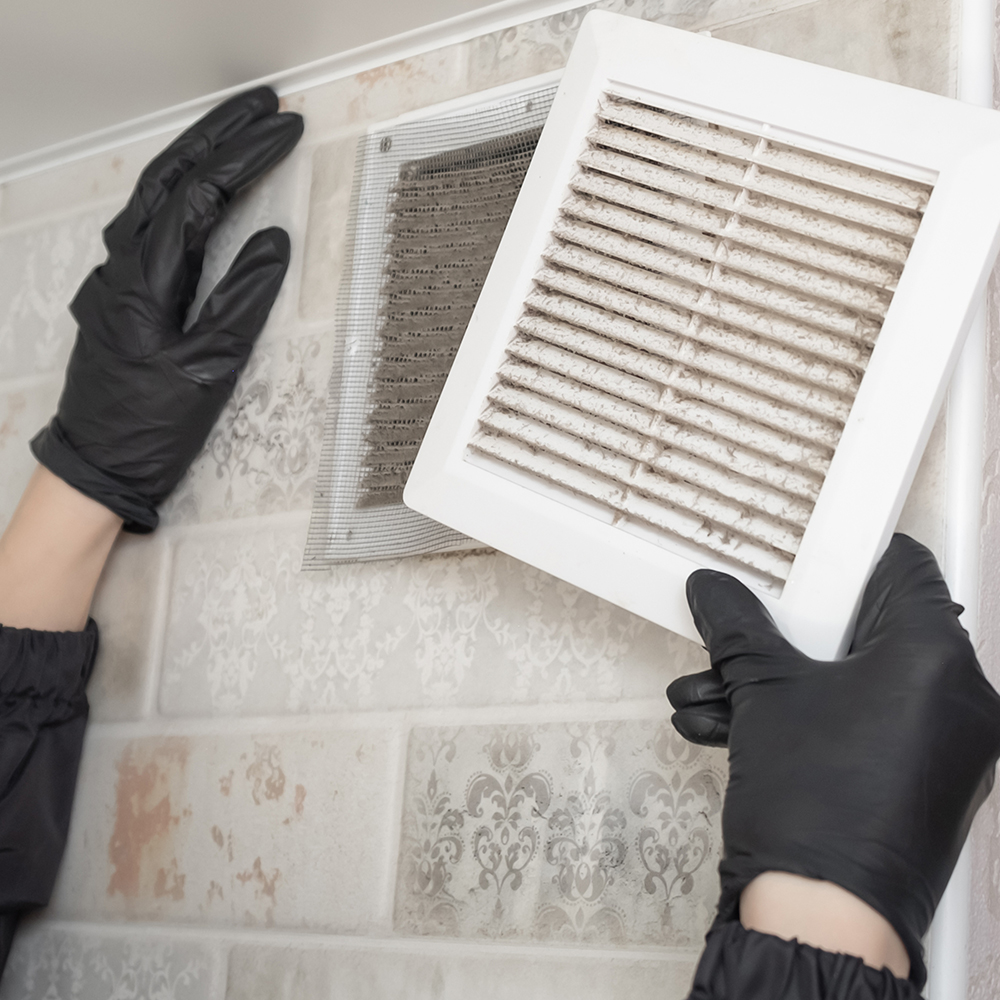
The EPA’s guidance (updated most recently in 2021) states that it does not recommend duct cleaning as a routine practice and that no scientific evidence supports health benefits from cleaning ducts in homes without the specific conditions above. Dust visible inside a duct register which many homeowners observe does not necessarily indicate that the duct system is a significant source of indoor air quality problems, as most dust sits on surfaces rather than becoming airborne through the HVAC system. (For more on this, see What Affects the Cost of Duct Cleaning?.) The EPA makes no blanket recommendation for routine duct cleaning, advising it mainly for visible mold, pest infestation, or heavy debris.
The Filter Effectiveness Point
A high-quality HVAC filter (MERV 8 to 13) changed on schedule (every 3 months) is more effective at continuously protecting the duct system from dust accumulation than periodic duct cleaning. Homes that maintain good filter discipline typically have clean duct systems that do not need frequent cleaning. Homes that run without filters or with poor-quality filters accumulate dust in the ducts more rapidly. (For more on this, see Duct Cleaning vs. Air Filter Replacement: Which Matters More?.)
Duct Cleaning Cost at a Glance
| Cost Factor | Typical Range | Notes |
|---|---|---|
| Standard whole-home cleaning | $300 to $700 | for a typical 10-15 vent single-family home |
| Per-vent pricing | $25 to $50 per vent | as an alternative pricing model |
| Dryer vent cleaning | $100 to $250 | priced on its own, and often about $100 when booked alongside a duct cleaning |
| Sanitizing or antimicrobial treatment | $200 to $550 per system | charged per HVAC system on top of the cleaning, never included in it |
| Overall range | $300 to $700, averaging $475 |
Cost figures on this page were checked against published pricing on August 25, 2026. How we source cost data.
Planning Your Project Budget
The cost ranges in this article are based on industry data and are intended as planning benchmarks, not fixed prices. The actual cost for your project depends on your specific home, your local labor market, the current price of materials, and the scope the contractor confirms after a site inspection.
Always get at least two written quotes on equivalent defined scope before committing to any home services project. Wide price variation between quotes usually reflects differences in material quality, scope completeness (what is included and what is not), or contractor overhead and experience level rather than simple price competition.
Use the cost data in this article to ask better questions during the quoting process: What material is included? What does that per-square-foot or per-linear-foot rate include and exclude? Are permits, cleanup, and disposal included? What is the warranty on labor? These questions turn a quote into a comparable basis for decision-making.
Working With a Contractor on This Project
Getting the right outcome on any home services project starts before the work begins. A few consistent practices make the difference between a smooth project and a frustrating one.
Get at least two or three quotes. A single quote gives you no basis for comparison. Two or three quotes reveal the market rate for the work, expose scope differences between bidders, and let you assess contractor communication quality before any commitment is made. The lowest bid is not automatically the best value if the scope is thin or the materials are underspecified.
Ask for licenses and insurance before work starts. Verify current general liability insurance and, for any work involving workers on your property, workers compensation coverage. Licensing requirements vary by state and trade; confirm the specific requirements in your jurisdiction. A licensed contractor who carries appropriate insurance protects both parties if something goes wrong during the project.
Get the scope in writing. A written proposal that specifies materials, labor scope, timeline, what is included (permits, cleanup, disposal), and warranty terms is the foundation of a professional engagement. Verbal agreements on any of these points invite misunderstanding. For any project over $500, written scope is non-negotiable.
Clarify the payment schedule upfront. A reasonable payment schedule ties major payments to project milestones: a deposit at signing, a payment at material delivery or project start, and a final payment at completion after a walkthrough confirms satisfaction. A contractor who requires full payment upfront before work begins is a red flag in any trade.