How Do You Finance a Custom Home?
Custom home financing differs significantly from purchasing an existing home — there is no existing asset to appraise and the funds must be disbursed over the 12 to 24-month construction period.
Construction Loan Mechanics
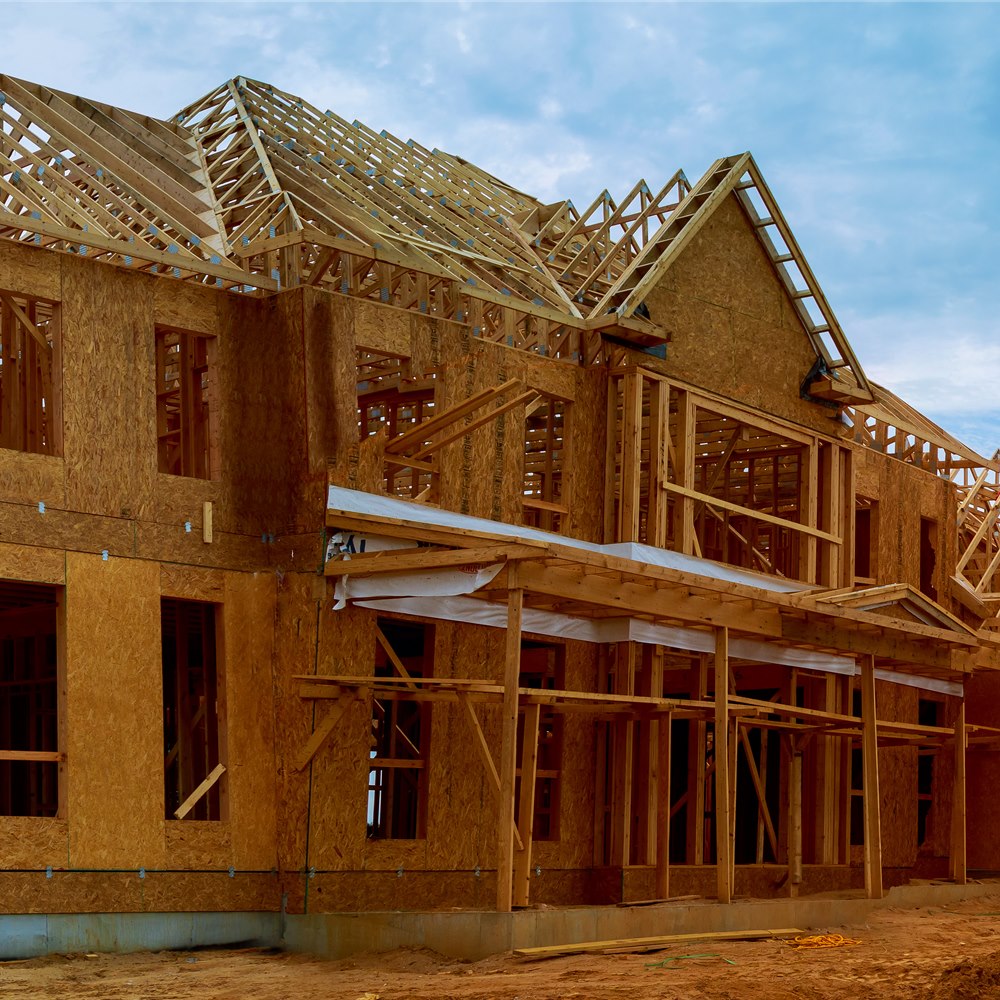
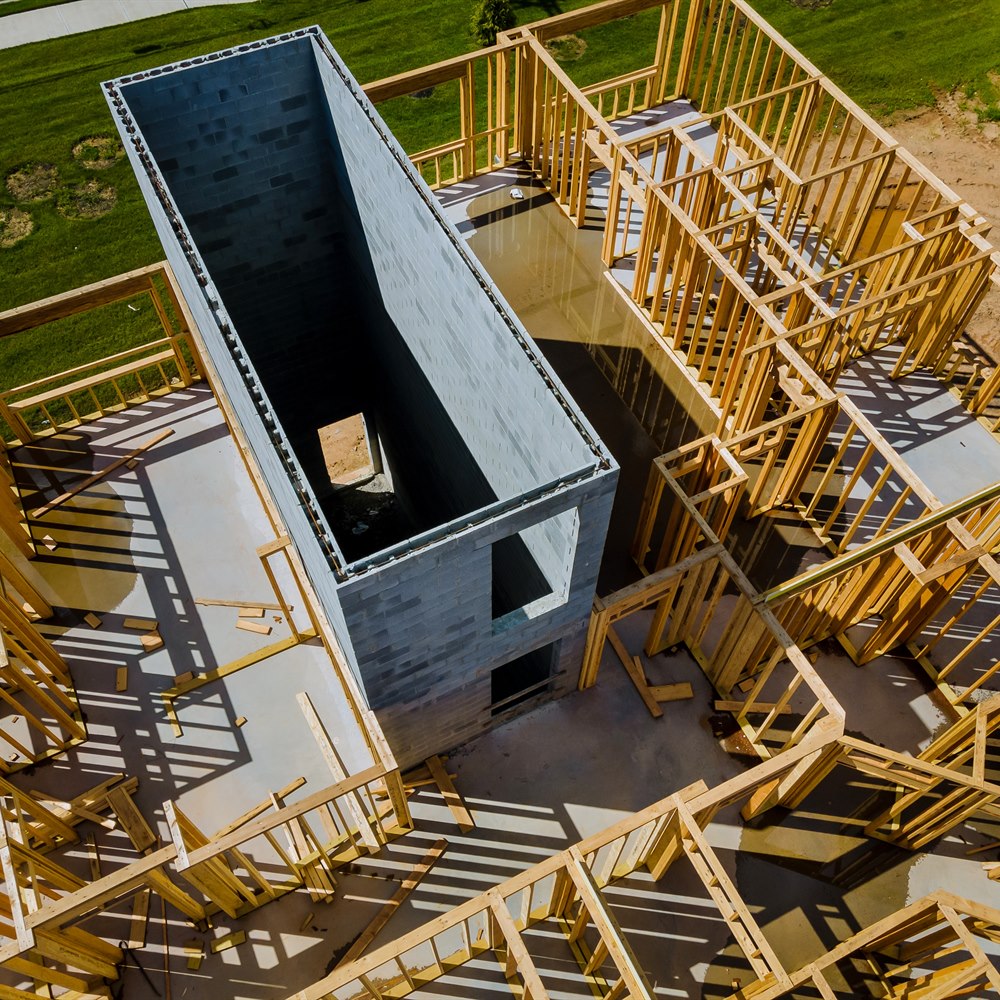
A construction loan disburses funds in stages (draws) as construction milestones are completed. The lender sends an inspector to verify that each stage is complete before releasing the draw. Typical draw schedule: site preparation and foundation, framing, rough mechanical, drywall, finish work, and final completion — 5 to 7 draws over the construction timeline. Interest during construction is charged only on the drawn balance, not the full loan commitment. This draw structure prevents the builder from using funds intended for later phases on earlier costs.
Construction-to-Permanent Loan
The most common custom home financing structure: a single loan that funds construction and then converts to a permanent mortgage at completion. Advantages: one application, one set of closing costs, and a locked long-term rate at loan origination. The conversion happens automatically at certificate of occupancy — the construction loan balance becomes the permanent mortgage balance. Qualification requirements: detailed construction plans, contractor credentials approved by the lender, builder’s license and insurance verification, and appraisal of the home’s completed value. Lenders will only lend up to a specified percentage of the completed appraised value — if the construction cost exceeds the appraised value, the owner must fund the difference with additional equity. (For more on this, see How to Budget and Pay for a Custom Home.)
Down Payment Requirements
Construction loans typically require 20 to 25 percent down payment — higher than a standard purchase mortgage. On a $600,000 project: $120,000 to $150,000 down payment. This equity requirement reflects the lender’s risk on a project that does not yet exist as an asset. Some portfolio lenders (local banks and credit unions that hold their loans rather than selling them) offer construction loans at 10 to 20 percent down for well-qualified borrowers with strong relationships. A large down payment also reduces the permanent mortgage balance and the associated monthly payment.
Draw Management
The owner is responsible for ensuring that draws are requested and released on the appropriate timeline to keep construction funded. A draw that is requested late delays the builder’s payment to subcontractors — which can create subcontractor cash flow problems that slow the project. Working with a lender who has a streamlined draw process (online submission, fast inspector scheduling) reduces the administrative burden. Some design-build firms manage the draw process as part of their service — a convenience for owners who prefer not to manage this detail directly.
Working With a Contractor on This Project
Getting the right outcome on any home services project starts before the work begins. A few consistent practices make the difference between a smooth project and a frustrating one.
Get at least two or three quotes. A single quote gives you no basis for comparison. Two or three quotes reveal the market rate for the work, expose scope differences between bidders, and let you assess contractor communication quality before any commitment is made. The lowest bid is not automatically the best value if the scope is thin or the materials are underspecified.
Ask for licenses and insurance before work starts. Verify current general liability insurance and, for any work involving workers on your property, workers compensation coverage. Licensing requirements vary by state and trade; confirm the specific requirements in your jurisdiction. A licensed contractor who carries appropriate insurance protects both parties if something goes wrong during the project.
Get the scope in writing. A written proposal that specifies materials, labor scope, timeline, what is included (permits, cleanup, disposal), and warranty terms is the foundation of a professional engagement. Verbal agreements on any of these points invite misunderstanding. For any project over $500, written scope is non-negotiable.
Clarify the payment schedule upfront. A reasonable payment schedule ties major payments to project milestones: a deposit at signing, a payment at material delivery or project start, and a final payment at completion after a walkthrough confirms satisfaction. A contractor who requires full payment upfront before work begins is a red flag in any trade.
Making a Confident Decision
The information in this article is designed to help you ask better questions of the professionals you work with, evaluate their answers with more confidence, and understand the decisions involved in this type of home services project. It is not a substitute for professional assessment of your specific home. (For more on this, see Questions to Ask Before Building a Custom Home.)
Every home is different. Roof slopes, local weather, tree exposure, soil conditions, and existing system condition all affect what the right solution is for your specific situation. The general principles here apply broadly, but a professional who assesses your home in person will give you guidance that accounts for the details that general articles cannot. (For more on this, see Custom Home vs. Buying Existing: How to Decide.)
When you are ready to move forward, getting at least two or three quotes from licensed, insured, local contractors is the most important practical step. It lets you compare approaches, assess contractor quality, and confirm that the solution proposed matches your specific situation and budget. The FTC advises hiring only licensed, insured contractors, getting the full scope in writing, and never paying the full amount up front.
Ranges here are national ballpark figures, not quotes. Actual pricing varies by region, home condition, materials, and contractor. How we source cost data.