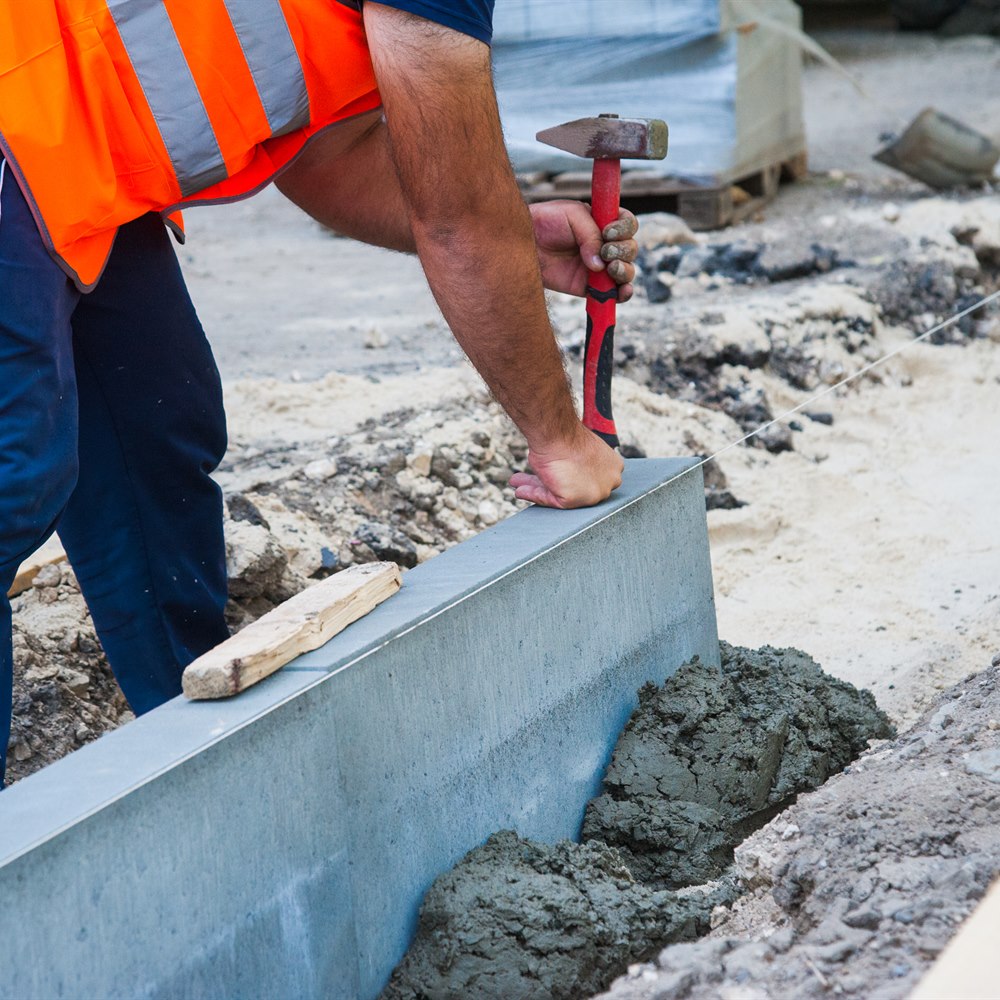
What Goes Wrong With Foundation Installation?
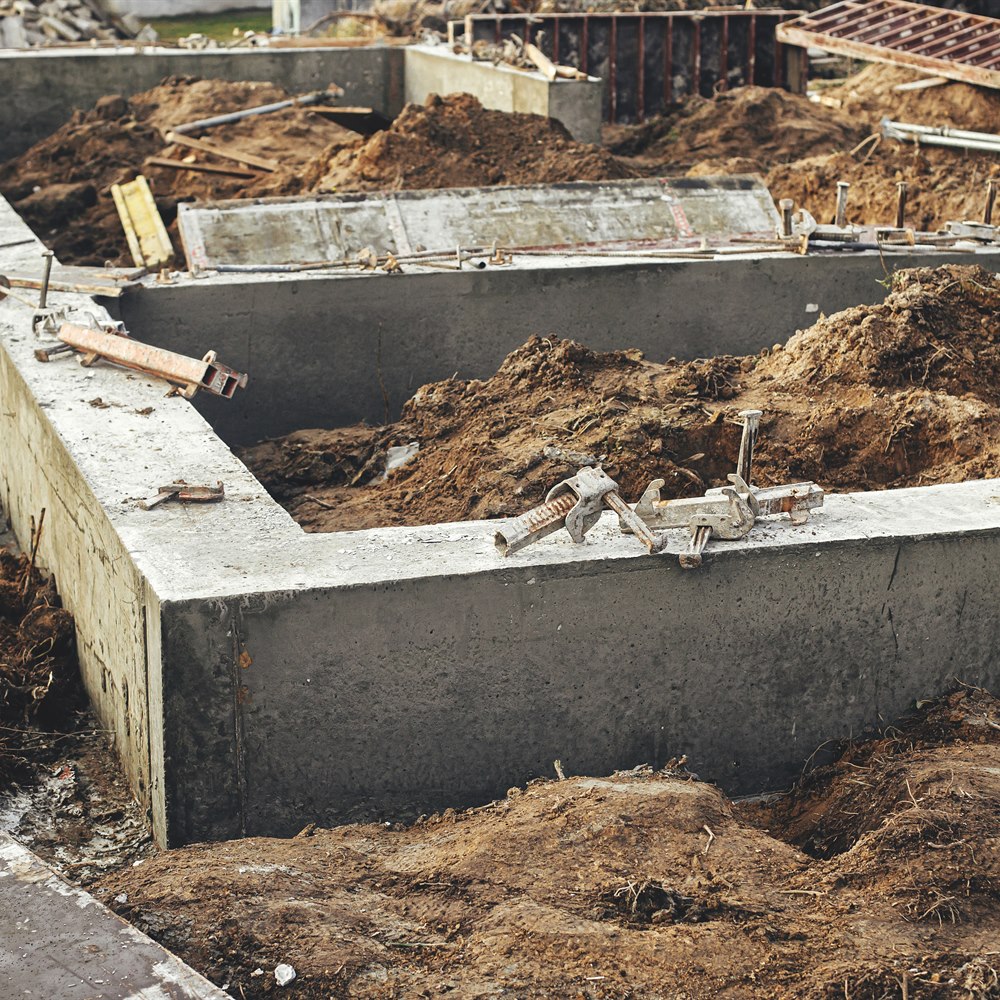
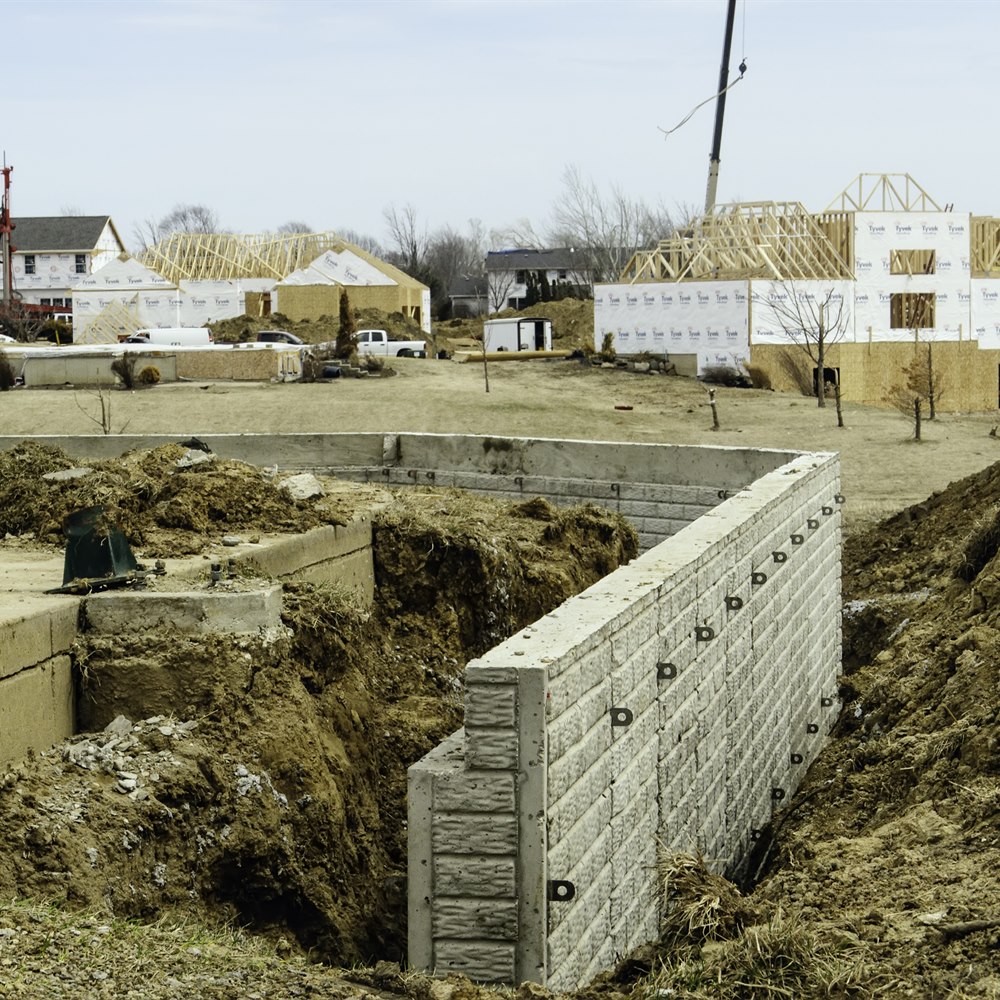
A foundation supports everything above it, so mistakes in its installation are among the most serious and expensive in construction, and the hardest to fix later. Avoiding them is essential because a foundation problem affects the entire structure for its life. Here’s what goes wrong and how to avoid it.
Mistake: Skipping Soil Testing
How to avoid it: Building a foundation without understanding the soil beneath it risks settling, cracking, and failure, because the soil determines what foundation is needed. Avoid it by having proper soil testing done (especially on unknown or potentially problematic soil), so the foundation is designed for the actual conditions. Expansive clay, poor bearing soil, or a high water table all require specific approaches that soil testing reveals. Know what you’re building on before you build. A geotechnical soil test is what turns this from guesswork into engineering, because it measures the soil’s bearing capacity and flags expansive clay, weak layers, or a high water table, letting the foundation be designed for what’s actually underground, whereas building without it gambles that the soil is adequate, a gamble that surfaces as settling and cracking only after the structure is up and the mistake is expensive to correct.
Mistake: Inadequate Site Preparation
How to avoid it: A foundation built on poorly prepared ground, improper compaction, poor grading, inadequate excavation, can settle or fail. Avoid it by ensuring thorough site preparation: proper excavation, compacted base, and correct grading before the foundation goes in. The ground the foundation sits on must be properly prepared. Rushing or skimping on site prep undermines everything built on it. Good preparation is the base of a good foundation. Compaction is the step most often shortchanged and most quietly consequential, because a foundation poured over loose, poorly-compacted fill will settle unevenly as that fill consolidates under load, so properly excavating to firm ground and compacting the base in controlled lifts is what ensures the foundation bears evenly, and skimping on it undermines everything above no matter how good the concrete work is.
Mistake: Poor Drainage and Waterproofing
How to avoid it: A foundation (especially a basement) without proper drainage and waterproofing invites water problems, a wet basement, hydrostatic pressure, and eventual damage. Avoid it by including proper drainage (footing drains, grading) and waterproofing from the start. It’s far cheaper to waterproof during construction than to fix a wet foundation later. Build in water protection, don’t leave it as an afterthought. Water is a foundation’s enemy. The reason building water protection in from the start is so much cheaper is one of access, while the excavation is open and the foundation exposed, applying waterproofing and laying a footing drain is straightforward, whereas retrofitting the same protection after the home is finished and the yard landscaped means re-excavating down to the footing all over again, so treating drainage as an afterthought converts a modest construction-phase cost into a major future one. Before any digging begins, call 811 — the free national before-you-dig service — to have underground utilities located and marked.
Mistake: Insufficient Reinforcement
How to avoid it: A foundation without adequate reinforcement (rebar, proper footings) for its soil and load can crack and fail. Avoid it by ensuring the foundation is engineered and reinforced appropriately for your soil, structure, and local requirements (seismic, frost depth). Proper reinforcement is what gives a foundation its strength and longevity. Don’t let a foundation be under-built for its conditions. Adequate reinforcement is essential to a lasting foundation. Reinforcement works by giving concrete the tensile strength it inherently lacks, since concrete is strong in compression but weak in tension, embedded rebar carries the pulling and bending forces that soil movement and structural loads impose, so a foundation under-reinforced for its soil and load is prone to cracking under exactly the stresses the steel was meant to absorb, which is why the reinforcement is engineered to conditions rather than guessed.
Mistake: Improper Curing
How to avoid it: Concrete needs proper time and conditions to cure and reach full strength, rushing it (building on it too soon, or pouring in bad conditions without precautions) weakens the foundation. Avoid it by ensuring the concrete is given proper curing time and conditions. A foundation rushed to keep a schedule can be compromised. Let the concrete cure properly. Patience during curing pays off in strength. Concrete gains strength through a chemical hydration process that takes time and the right moisture and temperature, reaching much of its strength over the first weeks rather than instantly, so loading a foundation too soon or pouring in freezing or excessively hot conditions without precautions can leave the concrete weaker than designed, which is why proper curing time and conditions are a structural requirement, not a scheduling nicety.
Mistake: Cutting Corners to Save Money
How to avoid it: Because a foundation is expensive and buried, it’s tempting to cut corners, but a compromised foundation causes expensive structural problems for the life of the building. Avoid it by never sacrificing foundation quality for short-term savings. This is the one place in a build where cutting corners is most costly. A sound foundation is worth doing right. Don’t economize on what holds up everything else. The buried, load-bearing nature of the foundation is precisely what makes cutting corners here uniquely costly, because a defect stays hidden until it manifests as cracking or settling in the finished structure, at which point the remedy means working beneath a completed building at a multiple of what doing it right would have cost, so the very fact that a foundation is hard to see is the reason it’s the wrong place to save. (For more on this, see Hidden Costs of Foundation Installation.)
Staying Ahead of Mistakes
The common foundation mistakes, skipping soil testing, poor site prep, inadequate drainage, insufficient reinforcement, improper curing, and cutting corners, all come down to doing a foundation right because everything depends on it. A reputable, qualified contractor helps you avoid them. When you’re ready to connect with trustworthy local pros, connect below. (For more on this, see How to Find the Best Foundation Installation Contractor.)
Frequently Asked Questions
Skipping soil testing. Building without understanding the soil risks settling, cracking, and failure, because the soil determines what foundation is needed. Proper soil testing (especially on unknown or problematic soil) lets the foundation be designed for actual conditions like expansive clay, poor bearing soil, or a high water table. Know what you're building on.
Because a foundation built on poorly prepared ground, improper compaction, poor grading, inadequate excavation, can settle or fail. Thorough site prep (proper excavation, compacted base, correct grading) is the base a good foundation sits on. Rushing or skimping on it undermines everything built above.
Include proper drainage (footing drains, grading) and waterproofing from the start, especially for a basement. Without them, a foundation invites water problems, a wet basement, hydrostatic pressure, eventual damage. It's far cheaper to waterproof during construction than to fix a wet foundation later. Build in water protection.
Yes, appropriate to its soil, structure, and local requirements (seismic, frost depth). A foundation without adequate reinforcement (rebar, proper footings) can crack and fail. Ensure it's engineered and reinforced for your conditions, proper reinforcement gives a foundation its strength and longevity. Don't let it be under-built.
No. Concrete needs proper time and conditions to cure and reach full strength, rushing it (building too soon, or pouring in bad conditions without precautions) weakens the foundation. Ensure proper curing time and conditions. A foundation rushed to keep a schedule can be compromised. Patience during curing pays off in strength.