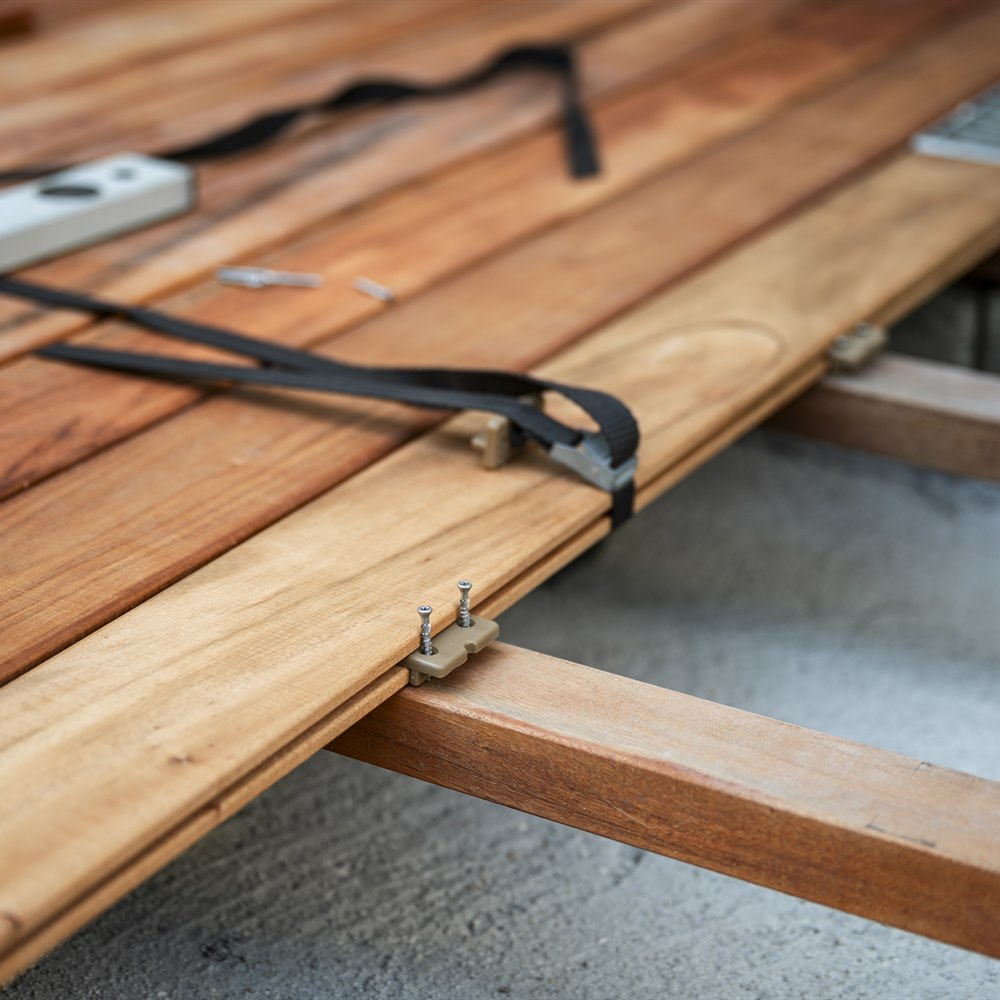
What Goes Wrong With Deck and Fence Projects?
Deck and fence mistakes are expensive to correct because they’re structural or material issues installed in place. Understanding the common errors, whether you’re working with a contractor or evaluating a quote, prevents problems that are far cheaper to avoid than fix. Here’s what goes wrong.
Mistake: Building Without Permits
How to avoid it: Unpermitted decks are a real problem: they can require removal or expensive remediation when the home is sold, may not be covered by homeowner’s insurance if something goes wrong, and aren’t inspected for structural safety. Avoid it by insisting that the contractor pull required permits as part of the project. A contractor who suggests skipping permits to reduce cost or timeline is creating a liability you’ll bear. Permitted, inspected construction is protected by the code review that caught errors before they were buried.
Mistake: Undersizing the Structural Elements
How to avoid it: Decks are structural, and undersized joists, beams, posts, or inadequate footings create safety hazards that aren’t visible until failure. Deck structural requirements are specified by code based on span, load, and height, and they exist because deck collapses cause serious injuries. Avoid it by working with a contractor who follows local code requirements for structural elements and pulls permits so the structure is inspected, rather than one who builds to minimize material cost without code compliance.
Mistake: Wrong Material for the Climate
How to avoid it: Material performance varies by climate. Pressure-treated wood that performs well in dry climates can have issues with certain treatment types in high-moisture environments. Vinyl can become brittle in extreme cold. Some composite products expand and contract significantly with temperature swings and require specific gapping. Avoid it by choosing materials proven to perform well in your specific climate, working with a contractor who knows local conditions, and following manufacturer installation requirements for gapping, fastening, and support spacing.
Mistake: Fence Posts Not Set Deep Enough
How to avoid it: Fence posts that aren’t set below the frost line heave in freeze-thaw cycles, leaning over time until the fence is unstable. Posts in soft soil without adequate concrete anchoring fail under wind load. Avoid it by confirming posts are set to the required depth for your frost zone (typically below the local frost line) with concrete footings, and that post material is rated for ground contact. This is invisible after installation, making it one of the most important things to confirm upfront with a fence contractor. (For more on this, see What Affects the Cost of Deck and Fence Installation?.)
Mistake: Ignoring Drainage Around Deck Footings
How to avoid it: Water pooling around deck footings and posts causes rot and structural deterioration. A deck framed too close to grade without adequate clearance for air circulation under the deck promotes moisture accumulation that accelerates wood decay. Avoid it by ensuring proper drainage away from footing locations, maintaining adequate clearance between the deck framing and grade, and using materials rated for ground contact where any wood contacts or approaches the soil.
The Long-Term Cost of Cutting Corners
Deck and fence shortcuts that save money at construction tend to cost significantly more in remediation, earlier replacement, or safety consequences. The math on the most common shortcuts makes this clear. Skipping permits on a deck costs nothing upfront but can require full demolition and reconstruction to code when the home is sold, since buyers’ lenders and inspectors routinely flag unpermitted structures. Undersizing joists saves a few hundred dollars in lumber but can produce a deck that feels bouncy and eventually requires structural reinforcement, costing more than proper sizing would have. Fence posts set too shallow are fine until the first heavy winter, when freeze-thaw heaving tilts them, requiring post-pulling and resetting that costs more than setting them correctly the first time. (For more on this, see Questions to Ask Before Building a Deck or Fence.)
The pattern is consistent: the shortcuts that save meaningful money at installation are the structural ones, permits, footings, and framing, that are invisible until they fail, at which point they’re expensive and disruptive to correct. Cosmetic choices, decking species, fence picket spacing, paint color, are the appropriate places to manage budget rather than structural elements. A homeowner who insists on premium composite decking but accepts undersized joists to reduce the total has made the budget decision in the wrong place. Structural adequacy is the non-negotiable component of any deck or fence project, and the incremental cost of getting it right is invariably less than the cost of correcting it later. (For more on this, see Hidden Costs of Deck and Fence Installation.)
Building It Right
Pull permits, follow structural code requirements, choose materials suited to your climate, set fence posts below frost line, and ensure drainage around structural elements. These basics protect the investment and prevent the safety and financial problems that result from cutting corners. Connect with a qualified local contractor below.
Frequently Asked Questions
Unpermitted decks can require removal or expensive remediation when the home is sold, may not be covered by homeowner's insurance if something fails, and aren't inspected for structural safety. A contractor who suggests skipping permits to reduce cost or timeline is creating a liability the homeowner bears. Permitted, inspected construction is protected by code review.
Undersized joists, beams, or posts, and inadequate footings are the common culprits. Deck structural requirements are code-specified based on span, load, and height, and they exist because deck collapses cause serious injuries. Code-compliant construction and permits that require structural inspection prevent these failures.
Below the local frost line, typically 30 to 48 inches depending on region, with concrete footings. Posts not set below the frost line heave in freeze-thaw cycles, leaning over time until the fence is unstable. Confirm post depth and concrete anchoring with any fence contractor, since this is invisible after installation.
Yes. Vinyl can become brittle in extreme cold. Some composite products expand and contract significantly with temperature swings and require specific gapping. Pressure-treated wood performs differently in high-moisture versus dry climates. Choose materials proven in your climate and follow manufacturer installation requirements for your conditions.
Water pooling around footings and posts causes rot and structural deterioration. A deck framed too close to grade without adequate air circulation promotes moisture accumulation. Ensure proper drainage away from footing locations, maintain clearance between framing and grade, and use ground-contact-rated materials where wood approaches soil.