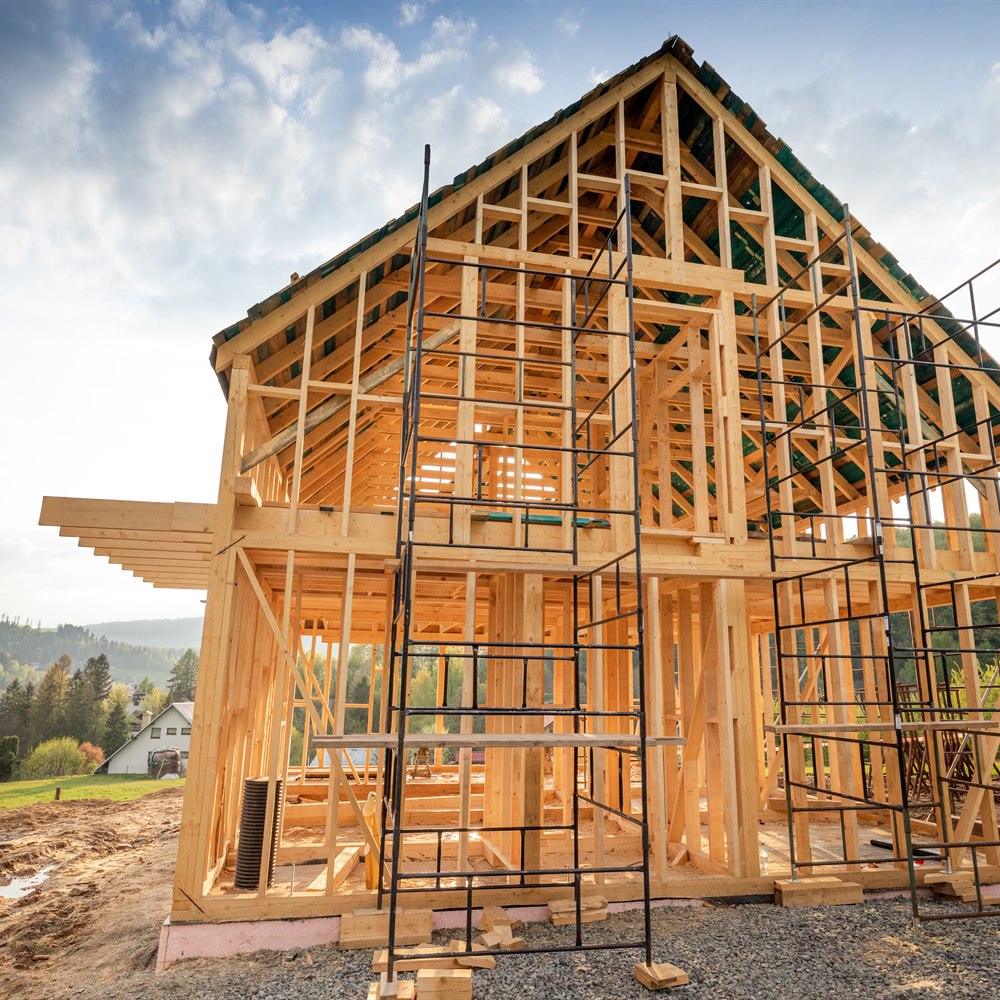
What Goes Wrong When Building a Custom Home?
Building a custom home is a huge, complex undertaking, and mistakes, in budgeting, planning, builder choice, or decision-making, can cost enormous amounts of money, time, and stress. Avoiding the common ones is what keeps a dream home from becoming a nightmare. Here’s what goes wrong and how to avoid it.
Mistake: Underestimating the Total Cost
How to avoid it: The most common and costly mistake is budgeting only for construction and underestimating the total, land, design, permits, fees, site work, finishes, landscaping, and contingency. Avoid it by building a complete, realistic budget that captures every cost, and including a substantial contingency for surprises. Anchoring on a per-square-foot construction figure alone leads to a budget that’s blown before you finish. A comprehensive budget with real contingency is the foundation of a project that doesn’t run into financial trouble partway through.
Mistake: Not Planning Thoroughly Before Building
How to avoid it: Rushing into construction without fully planning, leaving finishes, features, or layout undecided, leads to expensive change orders and delays. Avoid it by finalizing decisions as completely as possible before breaking ground. The more you decide upfront, the fewer costly mid-construction changes you’ll make. Thorough planning front-loads the effort but saves money and time throughout the build. Investing the time to plan completely, before construction, is one of the highest-value things you can do to control both cost and timeline on a custom home.
Mistake: Constant Change Orders
How to avoid it: Continually changing your mind during construction, upgrading finishes, moving walls, adding features, racks up expensive change orders and delays the project. Avoid it by making decisions thoroughly upfront and then resisting the temptation to change things once construction begins. Some changes are unavoidable, but a pattern of constant changes is a budget and schedule killer. Discipline about sticking to the plan once construction starts, having done the thinking beforehand, is essential to keeping a custom home on budget and on time. (For more on this, see How to Budget and Pay for a Custom Home.)
Mistake: Choosing the Wrong Builder
How to avoid it: Choosing a builder poorly, on price alone, without checking reputation, or without a clear detailed contract, is a serious mistake given how much you’re entrusting to them over many months. Avoid it by thoroughly vetting builders: their reputation, references, past work, financial stability, and the completeness of their contracts and quotes. A custom home is a huge project and a long relationship, so the builder’s competence, integrity, and reliability matter enormously. Choosing the right builder is one of the most consequential decisions in the whole project. (For more on this, see How to Find the Best Custom Home Builder.) The FTC advises hiring only licensed, insured contractors, getting the full scope in writing, and never paying the full amount up front.
Mistake: Skimping on Design and Getting It Wrong
How to avoid it: Rushing or skimping on the design, or not thinking carefully about how you’ll actually live in the home, leads to a house that doesn’t function well for you, an expensive mistake to live with. Avoid it by investing properly in thoughtful design, considering your lifestyle, how rooms will be used, flow, storage, and future needs. Since you’ll live in this home for years, getting the design right, functional and suited to you, matters more than almost anything. Thoughtful design is worth the time and cost, since design flaws are permanent and costly to fix later.
Mistake: Overbuilding for the Neighborhood or Your Needs
How to avoid it: Building far larger or more expensive than your needs, or than the neighborhood supports, can be a financial mistake, both in overspending and in potential resale value if the home is over-improved for its area. Avoid it by building a home that fits your genuine needs and is reasonable for its location. A home much larger or more lavish than you need wastes money on space and finishes you won’t use, and one that far exceeds neighboring homes may not return its cost at resale. Building sensibly for your needs and area protects your investment.
The Mistake of Poor Communication With Your Builder
Underlying many custom-home problems is a mistake that’s less about any single decision and more about the ongoing relationship: poor communication with your builder throughout the months-long project. A custom home is built through a sustained partnership requiring constant coordination, decisions, and information flow, and when communication breaks down, misunderstandings about scope or finishes, decisions not made in time, expectations not aligned, the result is delays, mistakes, frustration, and sometimes disputes. Assuming the builder “knows what you want” without clearly communicating it, or failing to stay in regular contact as questions and decisions arise, is a mistake that quietly undermines even a well-planned project with a good builder. (For more on this, see Questions to Ask a Custom Home Builder.)
Avoiding this means treating communication as an active, ongoing responsibility rather than something that happens automatically. Establish clear communication with your builder from the start, how you’ll stay in touch, how often you’ll get updates, how decisions and changes will be documented, and then maintain it throughout, responding promptly to questions, being clear and specific about what you want, and raising concerns early rather than letting them fester. Good builders communicate well, but the relationship is a two-way street, and your engagement matters as much as theirs. Documenting important decisions and changes in writing, rather than relying on verbal understandings over a long project, prevents the “I thought we agreed” disputes that arise from memory and assumption. The homeowners who have smooth custom-home experiences are consistently those who communicated clearly and stayed engaged with their builder throughout, while many of the horror stories trace back, at least partly, to communication that broke down. Recognizing communication as a genuine responsibility, and investing in it throughout the build, is one of the most effective ways to avoid the misunderstandings and misalignments that cause so many custom-home problems.
Staying Ahead of Mistakes
The common custom home mistakes, underestimating cost, not planning thoroughly, constant change orders, choosing the wrong builder, skimping on design, and overbuilding, are all avoidable with careful planning, realistic budgeting, and the right builder. When you’re ready to connect with a qualified local pro, connect below.
Frequently Asked Questions
Underestimating the total cost by budgeting only for construction and overlooking land, design, permits, fees, site work, finishes, landscaping, and contingency. Build a complete, realistic budget capturing every cost, and include a substantial contingency for surprises. Anchoring on a per-square-foot construction figure alone leads to a budget that's blown before you finish, so comprehensiveness is essential.
Make decisions thoroughly upfront and then resist changing things once construction begins. Continually changing your mind mid-build, upgrading finishes, moving walls, adding features, racks up expensive change orders and delays. Some changes are unavoidable, but a pattern of constant changes is a budget and schedule killer. Discipline about sticking to the plan, having done the thinking beforehand, is essential to staying on budget and on time.
Enormously, it's one of the most consequential decisions in the project. Given how much you're entrusting to them over many months, choosing poorly, on price alone, without checking reputation, or without a clear detailed contract, is a serious mistake. Thoroughly vet builders: reputation, references, past work, financial stability, and the completeness of their contracts. The builder's competence, integrity, and reliability matter greatly.
Because you'll live in the home for years, and getting the design wrong, a house that doesn't function well for how you actually live, is an expensive mistake to live with, and design flaws are permanent and costly to fix later. Invest properly in thoughtful design, considering your lifestyle, room use, flow, storage, and future needs. Thoughtful design is worth the time and cost.
Yes, and it can be a financial mistake, both overspending on space and finishes you won't use, and risking resale value if the home is over-improved for its neighborhood. Build a home that fits your genuine needs and is reasonable for its location. A home much larger or more lavish than you need or than neighboring homes support may not return its cost at resale, so build sensibly.