
What Bathroom Flooring Is Best for a Remodel?
Porcelain tile is the best bathroom floor for most remodels, at $5 to $15 per square foot installed, with luxury vinyl plank the practical alternative at $4 to $8. Natural stone is the premium option and the highest-maintenance one. Bathroom flooring has to handle moisture, foot traffic, and temperature cycling, and here is how the main options compare.
Porcelain Tile: The Gold Standard
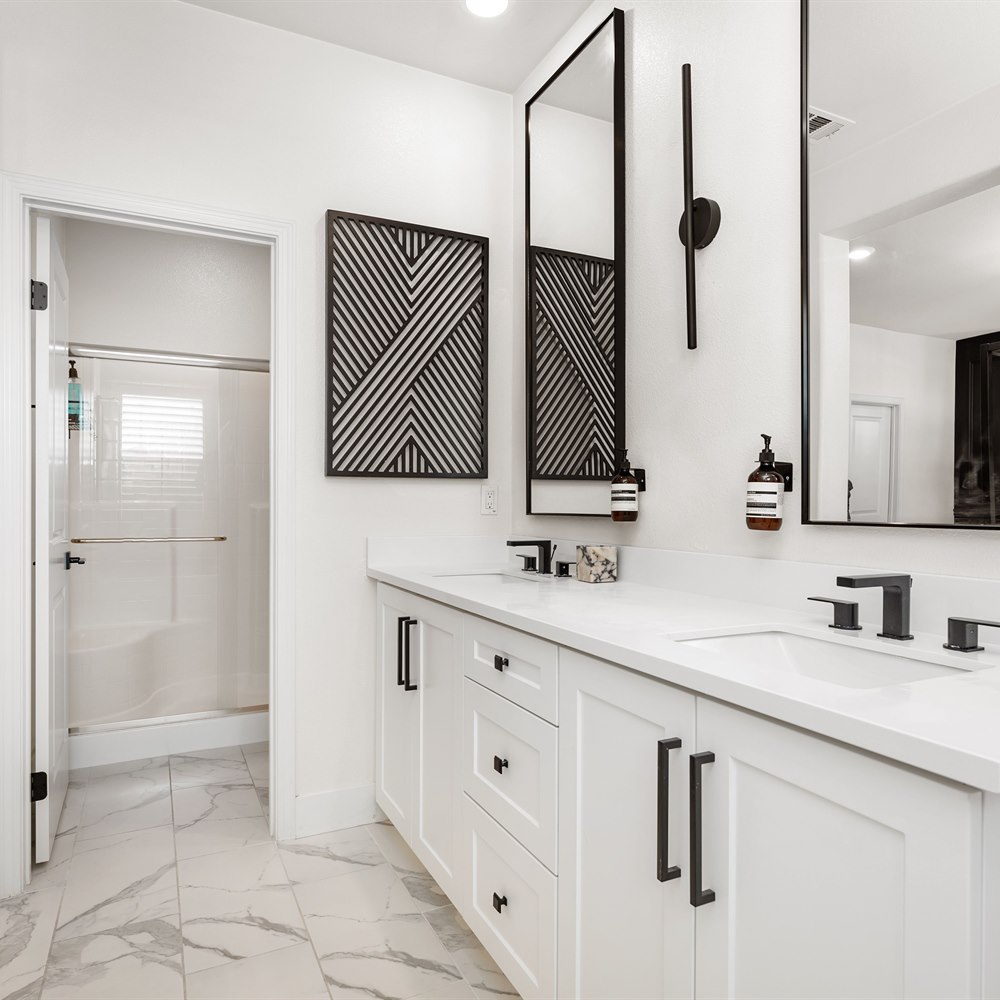
Porcelain tile is the most popular and most recommended bathroom flooring material for good reason: it is fully waterproof, extremely durable, available in an unlimited range of styles and sizes, and resistant to staining. Modern large-format porcelain (12×24, 24×24) creates a contemporary look with fewer grout lines. For floor tile: specify a wet DCOF (coefficient of friction) rating of 0.42 or higher (ANSI A137.1 standard) to ensure slip resistance on a wet bathroom floor. Installed cost: $5 to $15 per square foot. Porcelain wears virtually indefinitely in bathroom applications.”),
Luxury Vinyl Plank (LVP): Practical and Waterproof
LVP has become the dominant bathroom flooring for remodels outside of tile-focused projects. It is 100 percent waterproof from surface to core (on quality products with a waterproof SPC core), comfortable underfoot, available in wood and stone looks, and easier to install than tile — reducing labor cost. Installed cost: $4 to $8 per square foot. The limitation: LVP cannot be installed in the shower itself (only in the dry areas outside the shower) and does not tolerate very high temperatures (steam rooms or heated floor applications above 80 degrees). For bathroom floors adjacent to a tile shower: LVP with a clean transition to the tile at the shower threshold is a practical and economical choice. (For more on this, see Tub vs. Shower: Which Is Right for Your Bathroom Remodel?.)
Natural Stone: Premium and High-Maintenance
Marble, travertine, and slate create beautiful bathroom floors with genuine luxury appeal. The trade-offs: all natural stone requires periodic sealing (annually to every 3 years depending on the stone and sealer used), is porous and susceptible to staining from bath products if not properly sealed, and is cold underfoot (radiant floor heating beneath stone is the luxury solution for this). Installed cost: $10 to $30+ per square foot. Natural stone is appropriate for premium master bath remodels where the aesthetic and the maintenance commitment are both desired.
Working With a Contractor on This Project
Getting the right outcome on any home services project starts before the work begins. A few consistent practices make the difference between a smooth project and a frustrating one.
Get at least two or three quotes. A single quote gives you no basis for comparison. Two or three quotes reveal the market rate for the work, expose scope differences between bidders, and let you assess contractor communication quality before any commitment is made. The lowest bid is not automatically the best value if the scope is thin or the materials are underspecified.
Ask for licenses and insurance before work starts. Verify current general liability insurance and, for any work involving workers on your property, workers compensation coverage. Licensing requirements vary by state and trade; confirm the specific requirements in your jurisdiction. A licensed contractor who carries appropriate insurance protects both parties if something goes wrong during the project.
Get the scope in writing. A written proposal that specifies materials, labor scope, timeline, what is included (permits, cleanup, disposal), and warranty terms is the foundation of a professional engagement. Verbal agreements on any of these points invite misunderstanding. For any project over $500, written scope is non-negotiable.
Clarify the payment schedule upfront. A reasonable payment schedule ties major payments to project milestones: a deposit at signing, a payment at material delivery or project start, and a final payment at completion after a walkthrough confirms satisfaction. A contractor who requires full payment upfront before work begins is a red flag in any trade.
Making a Confident Decision
The information in this article is designed to help you ask better questions of the professionals you work with, evaluate their answers with more confidence, and understand the decisions involved in this type of home services project. It is not a substitute for professional assessment of your specific home.
Every home is different. Roof slopes, local weather, tree exposure, soil conditions, and existing system condition all affect what the right solution is for your specific situation. The general principles here apply broadly, but a professional who assesses your home in person will give you guidance that accounts for the details that general articles cannot.
When you are ready to move forward, getting at least two or three quotes from licensed, insured, local contractors is the most important practical step. It lets you compare approaches, assess contractor quality, and confirm that the solution proposed matches your specific situation and budget.
Bathroom Remodel Cost at a Glance
| Cost Factor | Typical Range | Notes |
|---|---|---|
| Basic refresh (fixtures, vanity, paint, flooring, no tile or layout change) | $5,000 to $12,000 | Roughly $80 to $120 per square foot turnkey. |
| Mid-range remodel (new tub or shower, tile, vanity, flooring, lighting, same plumbing footprint) | $18,000 to $35,000 | $150 to $250 per square foot; 2025 national average $26,138. The tub or shower swap alone runs $10,000 to $18,000. |
| Upscale or primary bath (custom tile, premium fixtures, layout changes) | $35,000 to $80,000 | $250 to $400 per square foot; a luxury primary suite runs beyond this at $400 to $600. |
| Overall range | $18,000 to $35,000 | , averaging $26,138 for a mid-range full bathroom remodel |
Cost figures on this page were checked against published pricing on August 24, 2026. How we source cost data.