
What Does an Interior Designer Do?
Interior designers do far more than choose colors and furniture, they plan, design, and often manage the transformation of a space to be both beautiful and functional. Understanding what a designer actually does helps you know what you’re getting and whether one would help your project. Here’s what interior designers do.
They Plan Space and Function
A core part of design is planning how a space works, the layout, flow, and function. Designers consider how you use a space and plan the furniture arrangement, traffic flow, and functionality to make it work well, not just look good. They optimize layouts, solve awkward spaces, and ensure the room functions for your life. This space planning, making a room work better, is a fundamental part of what designers do, going beyond aesthetics to how the space actually serves you. A designer’s ability to plan function and flow is one of their most valuable contributions, creating spaces that work as well as they look.
They Develop a Cohesive Design Vision
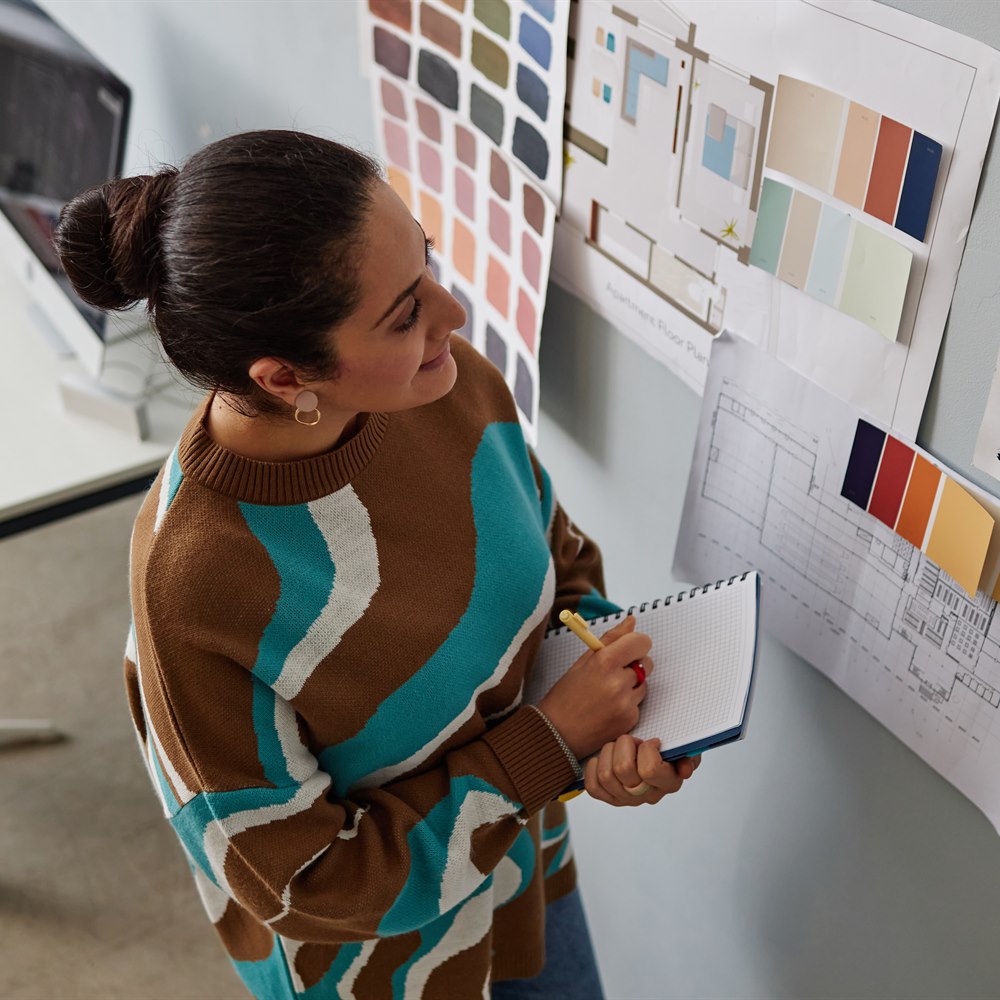
Designers develop a cohesive design vision, style, color palette, materials, furnishings, and details, that ties a space together into a unified, intentional look. Rather than a collection of unrelated pieces, a designer creates a coherent design where everything works together, colors, textures, furniture, lighting, and decor in harmony. This cohesive vision, hard to achieve on your own, is what makes a professionally designed space feel polished and intentional. Developing and executing a unified design that reflects your taste while achieving a coherent, elevated result is central to what a designer does, and it’s a key reason to hire one.
They Select and Source Furnishings and Materials
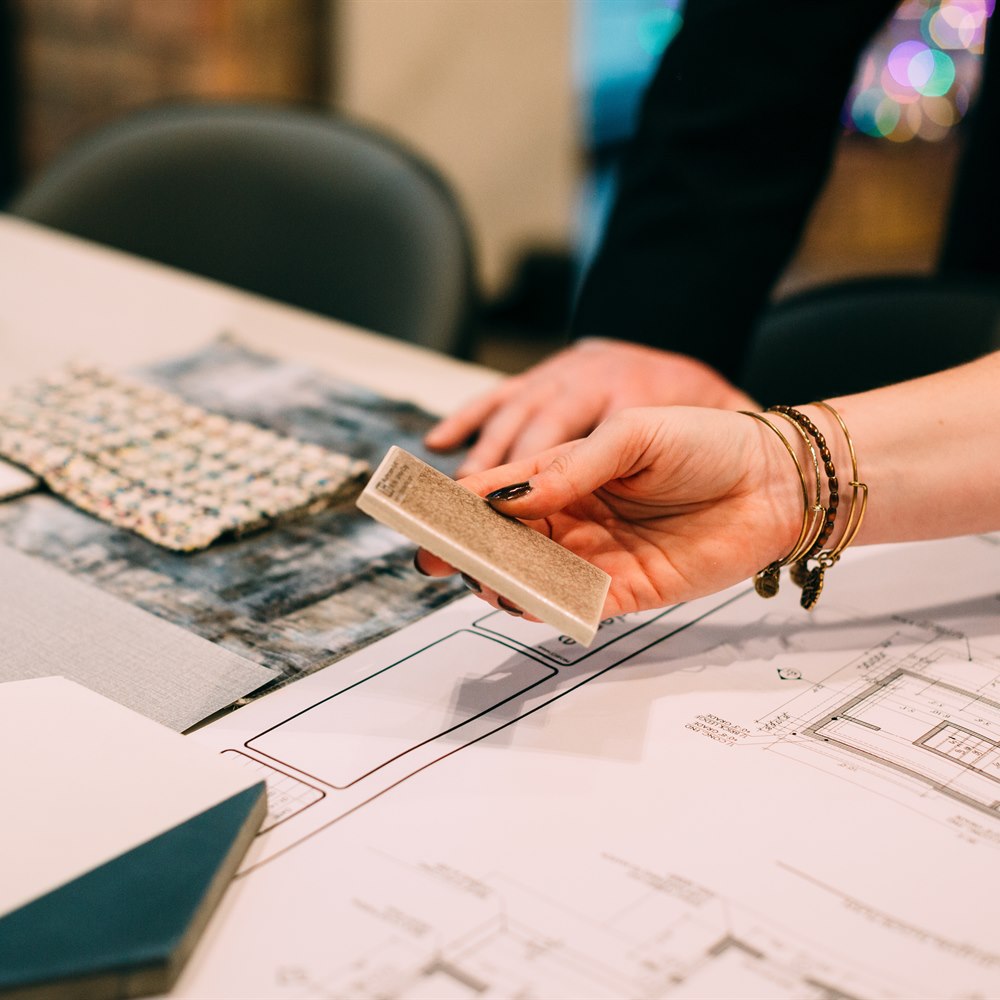
Designers select and source the furnishings, materials, and finishes, furniture, fabrics, lighting, flooring, paint, decor, that realize the design. They know products, brands, and sources, including trade-only resources unavailable to the public, and can find the right pieces for the design and budget. This selection and sourcing, drawing on their knowledge and access, is a major part of their work, saving you from endless searching and helping you find quality pieces that fit the design. A designer’s ability to select and source the right furnishings and materials, often with access to resources you don’t have, is a significant value they provide. (For more on this, see How to Budget for and Work With an Interior Designer.)
They Provide Expertise and Prevent Mistakes
Designers bring expertise that prevents costly mistakes, wrong-sized furniture, clashing choices, poor layouts, bad proportions, expensive errors. Their trained eye and experience help you make good decisions and avoid the missteps that waste money and disappoint. They know what works, what sizes and proportions fit, how elements combine, and how to achieve a professional result. This expertise, and the mistakes it prevents, is real value, especially given how costly furnishing and design errors can be. A designer’s knowledge and eye help ensure your investment in the space is well-spent and the result is right, avoiding the pitfalls of going it alone. (For more on this, see Common Mistakes When Hiring an Interior Designer.)
They Often Manage the Project
Many designers, especially full-service, manage the project, coordinating contractors, overseeing work, handling purchasing and deliveries, and ensuring the design is executed properly. They act as the point person, managing the various trades and elements so the project comes together as designed. This project management, overseeing the execution, saves you time and stress and ensures the design is realized correctly. For a complex project, a designer’s management, coordinating everything so you don’t have to, is a major value. Not all engagements include full management, but for those that do, the designer handles the complexity of bringing the design to life.
They Tailor the Design to You
Good designers tailor the design to your taste, needs, lifestyle, and budget, creating a space that’s right for you, not just a generic look. They listen to your preferences, understand how you live, and design accordingly, balancing your vision with their expertise. The result should reflect you while benefiting from professional skill. This personalization, a design made for your life and taste rather than a template, is central to good design. A designer’s ability to understand you and create a space that’s both beautiful and truly yours, suited to your life and preferences, is what makes design personal and valuable.
Is a Designer Right for Your Project?
Interior designers plan space and function, develop a cohesive vision, select and source furnishings, provide expertise, often manage the project, and tailor it all to you, far more than picking colors. If you want a space that’s beautifully and functionally transformed, and value the expertise and time savings, a designer can be well worth it. When you’re ready to explore working with a designer, connect with a local pro below. (For more on this, see How to Find the Best Interior Designer for Your Project.)
Frequently Asked Questions
Far more than pick colors, they plan space and function (layout, flow, functionality), develop a cohesive design vision (style, palette, furnishings tied together), select and source furnishings and materials (often with trade-only access), provide expertise that prevents costly mistakes, often manage the project (coordinating contractors and execution), and tailor the design to your taste, needs, lifestyle, and budget. They transform a space to be both beautiful and functional.
No, that's a small part. They plan how a space works (layout, flow, function), develop a cohesive design vision tying everything together, source furnishings from resources including trade-only ones, bring expertise that prevents costly mistakes, and often manage the project's execution. The color and furniture selection is part of a much larger role of planning, designing, sourcing, and often managing the transformation of a space to work and look better.
Yes, it's a core part of what they do. Designers consider how you use a space and plan the furniture arrangement, traffic flow, and functionality to make it work well, not just look good, optimizing layouts and solving awkward spaces. This space planning, making a room work better and function for your life, goes beyond aesthetics and is one of a designer's most valuable contributions, creating spaces that work as well as they look.
Their trained eye and experience help you avoid costly errors, wrong-sized furniture, clashing choices, poor layouts, bad proportions, that waste money and disappoint. They know what works, what sizes and proportions fit, how elements combine, and how to achieve a professional result. This expertise is real value, especially given how costly furnishing and design errors can be, helping ensure your investment in the space is well-spent and the result is right.
Many do, especially full-service designers. They coordinate contractors, oversee work, handle purchasing and deliveries, and ensure the design is executed properly, acting as the point person managing the various trades and elements. This project management saves you time and stress and ensures the design is realized correctly. Not all engagements include full management, but for complex projects, a designer's coordination of everything is a major value.