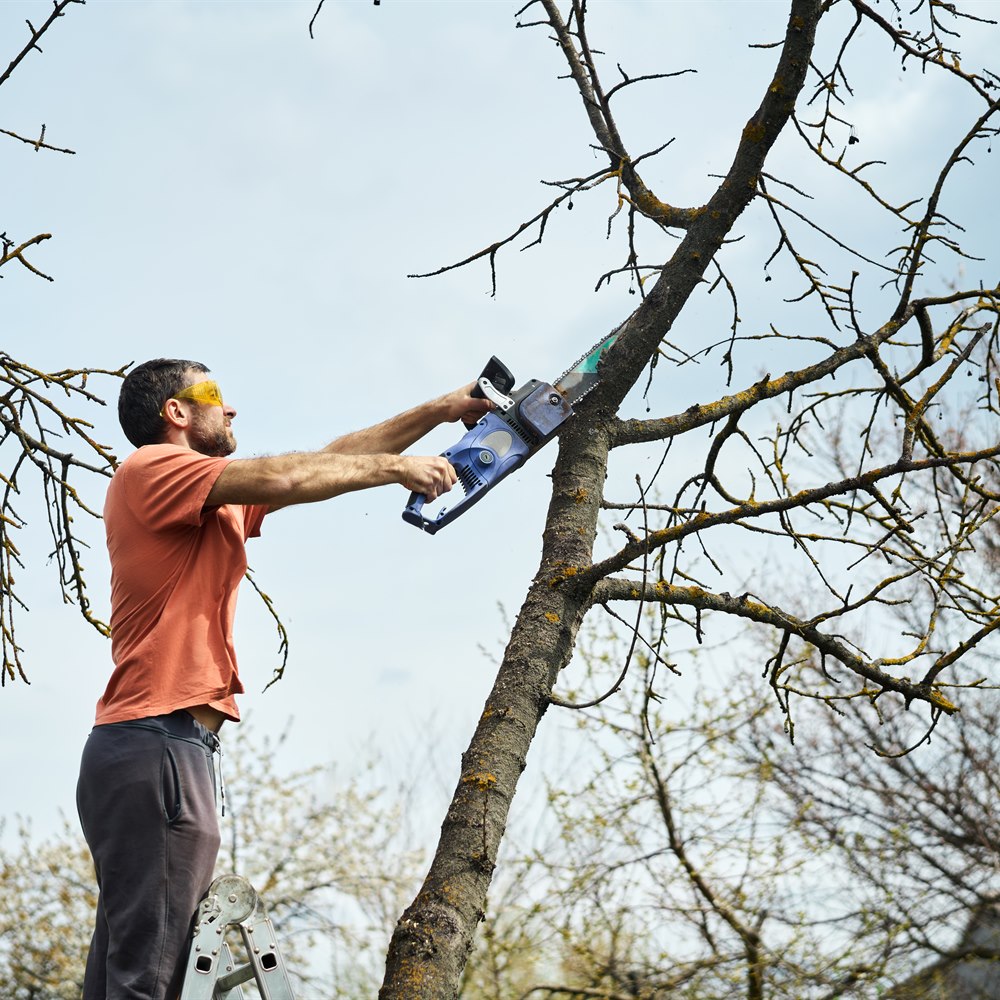
What Should You Ask a Tree Trimming Service?
Tree trimming done wrong harms trees and can be dangerous, so hiring the right service matters. The right questions before hiring reveal whether a service prunes properly, works safely, and is qualified. Here’s what to ask.
Are You Licensed and Insured?
This is essential. Confirm the service carries liability insurance (for property damage) and workers’ compensation (for worker injury), and ask for proof. Tree work at height is dangerous, without insurance, you could be liable for accidents. A properly insured service protects you; an uninsured one is a serious risk. Never hire a tree service without verifying insurance. This is non-negotiable. Ask to see the certificate of insurance itself rather than accept a verbal assurance, and confirm it’s current and covers both general liability, which pays if a falling limb damages your property, and workers’ compensation, which covers a crew member hurt on your land so the injury and its cost don’t become your liability, because in work this hazardous a lapsed or absent policy is the difference between an accident being the contractor’s problem and becoming yours. (For more on this, see Storm Damage Pruning: What to Do After a Tree Is Damaged.)
Do You Have a Certified Arborist?
Ask whether the service employs a certified arborist (such as an ISA-certified arborist). Proper pruning requires knowledge, of tree biology, proper cuts, timing, and how much to remove, and a certified arborist has it. A service with an arborist prunes for the tree’s health, not just its appearance. Arborist credentials signal proper, knowledgeable pruning. Certification reflects genuine tree-care expertise. The most recognized credential is the ISA-certified arborist, earned by passing an exam on tree biology, pruning, and safety and kept current through continuing education, and it matters for trimming specifically because proper pruning is knowledge-intensive, knowing where to cut, how much to remove, and when, so a service with a certified arborist is far likelier to prune in ways that improve the tree’s health rather than simply cutting it back. (For more on this, see How to Find the Best Tree Trimming Service.) The International Society of Arboriculture’s tree owner resources cover proper pruning practice and why topping damages a tree.
How Will You Prune My Tree?
Ask about their pruning approach, they should describe selective, proper cuts to improve health, safety, and structure, not “topping” or indiscriminate cutting. If a service proposes topping the tree, that’s a major red flag, walk away. Their answer reveals whether they know proper pruning. A service that describes thoughtful, proper pruning knows what it’s doing. How they’ll prune tells you a lot. Listen for whether they describe selective, purposeful cuts, removing specific dead, crossing, or hazardous limbs and thinning to improve structure and light, versus vague talk of cutting the tree back or, worst of all, topping it, because the language a service uses about its own work reveals whether it understands proper pruning, and a proposal to top the tree is a definitive red flag that should end the conversation.
What’s Included, and Will You Clean Up?
Ask what the quote includes, the pruning scope, and debris haul-away and cleanup. This avoids surprise costs and a mess left behind. A clear answer lets you compare quotes and know what you’re getting. A service that spells out the scope and cleanup is transparent. Confirm the debris and cleanup are handled. Clarify what’s included before agreeing. Pinning down the scope and cleanup in writing does double duty, it ensures you’re not left with a yard full of brush or surprised by a haul-away charge, and it lets you compare competing quotes on equal terms, since a bid that quietly excludes cleanup will always look cheaper than one that includes it until the pile of cuttings left behind reveals the real difference.
When Should My Tree Be Pruned?
Ask about timing, a knowledgeable service knows the best time to prune your species (often dormancy for many trees) for the tree’s health. Their attention to timing reflects real expertise and care for the tree. A service mindful of proper timing prunes for the tree’s benefit. Timing awareness signals a quality service. A service that raises timing unprompted, noting that your species is best pruned in dormancy, or that pruning it now might invite a particular disease, is demonstrating exactly the biological knowledge that separates genuine tree care from mere cutting, so their attentiveness to when the work should happen, not just their willingness to do it whenever you call, is a useful signal of the expertise you’re hoping to hire. When they’ll prune matters.
Can You Provide References or Reviews?
Ask for references or check reviews, especially about proper pruning, safe work, and cleanup. Reviews reveal quality, reliability, and whether they harmed trees or property. A service with a solid track record of proper, safe work is safer than an unknown. Past performance is a good indicator for tree work. A good reputation reassures. References and reviews are especially telling for trimming because the qualities that matter, pruning that kept trees healthy rather than harming them, safe work, and thorough cleanup, are exactly what customers notice and mention, so a service with a consistent record of neighbors reporting proper, tidy, damage-free work offers real evidence you’ll get the same, and a reassuring counterweight to the risk that improper pruning can quietly harm a tree for years. (For more on this, see How to Find a Good Tree Trimming Service.)
Putting It Together
These questions, especially about insurance, arborist credentials, and their pruning approach, separate a qualified service that cares for your trees from one that harms them. For proper, safe work, qualifications and technique matter most. When you’re ready to get quotes from qualified local pros, connect below.
Frequently Asked Questions
Are you licensed and insured? Confirm liability insurance (for property damage) and workers' compensation (for worker injury), and ask for proof. Tree work at height is dangerous, without insurance, you could be liable for accidents. Never hire a tree service without verifying insurance. It's non-negotiable.
Ideally, yes. Proper pruning requires knowledge of tree biology, proper cuts, timing, and how much to remove, and a certified arborist (such as ISA-certified) has it. A service with an arborist prunes for the tree's health, not just appearance. Arborist credentials signal proper, knowledgeable pruning.
Ask how they'll prune your tree, they should describe selective, proper cuts to improve health, safety, and structure, not 'topping' or indiscriminate cutting. If a service proposes topping, that's a major red flag, walk away. A service that describes thoughtful, proper pruning knows what it's doing.
The pruning scope, and debris haul-away and cleanup. This avoids surprise costs and a mess left behind. A service that spells out the scope and cleanup is transparent; vagueness invites disputes. Confirm the debris and cleanup are handled before agreeing, and use it to compare quotes on equal terms.
Yes. Ask for references or check reviews, especially about proper pruning, safe work, and cleanup. Reviews reveal quality, reliability, and whether they harmed trees or property. A service with a solid track record of proper, safe work is safer than an unknown. Past performance is a good indicator for tree work.