How Do You Know If You Have a Main Sewer Line Clog?
Multiple fixtures backing up at once means the main sewer line; one slow fixture with everything else draining normally means that fixture’s own drain. The distinction determines the equipment, the urgency, and the cost: roughly $199 to $400 to snake a single fixture, $269 to $700 to clear a main line, and $349 to $1,097 if the main line needs hydro-jetting rather than cabling. It is the first diagnostic step.
Individual Fixture Clog: One Drain Affected
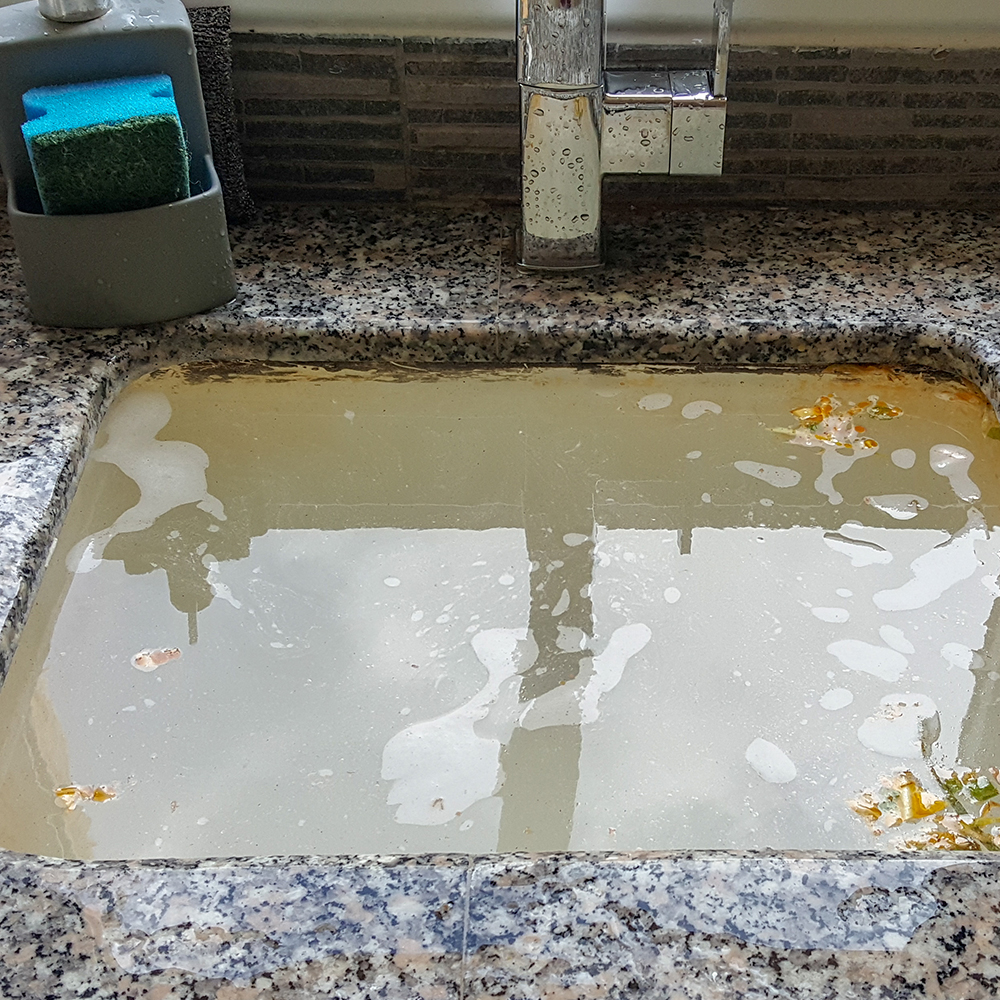
If only one fixture is slow or blocked one sink, one shower, or one toilet and all other fixtures drain normally: the clog is in the individual fixture’s drain or in the branch line serving that fixture. This is the most common residential drain scenario. The repair involves snaking or clearing the specific drain with a short cable (25 to 50 feet) a straightforward, lower-cost service call.
Main Sewer Line Clog: Multiple Fixtures Affected
A main sewer line clog affects all fixtures because all household waste flows through the main line. Classic signs: flushing the toilet causes water to back up in the shower or tub (the most definitive indicator). Multiple drains slow or back up simultaneously. Water backs up from a floor drain in the basement when other fixtures are used. Gurgling sounds from drains or the toilet when other water is draining. Any one of these symptoms involving multiple fixtures strongly indicates a main sewer line clog requiring main line equipment. (For more on this, see What Affects Drain Cleaning Cost?.)
How the Repair Differs
Individual fixture clog: a plumber’s hand snake or electric snake with a 25 to 50-foot cable clears the drain in 30 to 60 minutes at $199 to $400. Main sewer line clog: requires a drum machine with a 75 to 100-foot cable with cutting or root-clearing head at $269 to $700, or a hydro-jetter for thorough cleaning at $349 to $1,097. The main line access point is the cleanout a threaded plug at the main line visible in the basement, crawlspace, or on the exterior of the home or the toilet is removed to access the drain system from above. (For more on this, see How Much Does Drain Cleaning Cost?.)
Working With a Contractor on This Project
Getting the right outcome on any home services project starts before the work begins. A few consistent practices make the difference between a smooth project and a frustrating one.
Get at least two or three quotes. A single quote gives you no basis for comparison. Two or three quotes reveal the market rate for the work, expose scope differences between bidders, and let you assess contractor communication quality before any commitment is made. The lowest bid is not automatically the best value if the scope is thin or the materials are underspecified.
Ask for licenses and insurance before work starts. Verify current general liability insurance and, for any work involving workers on your property, workers compensation coverage. Licensing requirements vary by state and trade; confirm the specific requirements in your jurisdiction. A licensed contractor who carries appropriate insurance protects both parties if something goes wrong during the project. (For more on this, see Questions to Ask Before Booking Drain Cleaning.)
Get the scope in writing. A written proposal that specifies materials, labor scope, timeline, what is included (permits, cleanup, disposal), and warranty terms is the foundation of a professional engagement. Verbal agreements on any of these points invite misunderstanding. For any project over $500, written scope is non-negotiable.
Clarify the payment schedule upfront. A reasonable payment schedule ties major payments to project milestones: a deposit at signing, a payment at material delivery or project start, and a final payment at completion after a walkthrough confirms satisfaction. A contractor who requires full payment upfront before work begins is a red flag in any trade.
Making a Confident Decision
The information in this article is designed to help you ask better questions of the professionals you work with, evaluate their answers with more confidence, and understand the decisions involved in this type of home services project. It is not a substitute for professional assessment of your specific home.
Every home is different. Roof slopes, local weather, tree exposure, soil conditions, and existing system condition all affect what the right solution is for your specific situation. The general principles here apply broadly, but a professional who assesses your home in person will give you guidance that accounts for the details that general articles cannot.
When you are ready to move forward, getting at least two or three quotes from licensed, insured, local contractors is the most important practical step. It lets you compare approaches, assess contractor quality, and confirm that the solution proposed matches your specific situation and budget.
Drain Cleaning Cost at a Glance
| Cost Factor | Typical Range | Notes |
|---|---|---|
| Simple sink or tub clog | $199 to $400 | Cleared at the fixture or its branch cleanout |
| Toilet clog | $179 to $345 | Hand auger at the low end; pull and reset the toilet at the high end |
| Main sewer line clog | $269 to $700 | Cabled through an accessible cleanout; top of the range includes a camera inspection |
| Hydro-jetting | $349 to $1,097 | A separate, heavier method for grease or roots |
| Camera line inspection | $320 to $325 | About $99 when added to a clearing on the same visit |
| Overall range | $179 to $700, averaging $325 | Excludes hydro-jetting, which is priced on its own |
Cost figures on this page were checked against published pricing on August 27, 2026. How we source cost data.