How Long Does an Interior Design Project Take?
Interior design projects typically take weeks to months, depending on the scope, the extent of furnishing and renovation, the designer’s process, and factors like lead times for furnishings and custom items. Understanding the timeline and what drives it helps you plan and set realistic expectations. Here’s what to expect and what affects how long your interior design project takes.
The Typical Range: Weeks to Months
An interior design project generally takes weeks to months. A simple project, a single room refresh with readily available furnishings, may take weeks, while a comprehensive project, multiple rooms, extensive furnishing, custom items, or renovation, takes months. The design phase itself is part of it, but much of the timeline comes from sourcing, ordering, and receiving furnishings, and executing any work. Because design projects involve creating the design, sourcing and ordering items, and executing the plan, they naturally span a meaningful period, with the scope being the biggest factor in where your project lands in this range. (For more on this, see How to Budget for and Work With an Interior Designer.)
The Design Phase
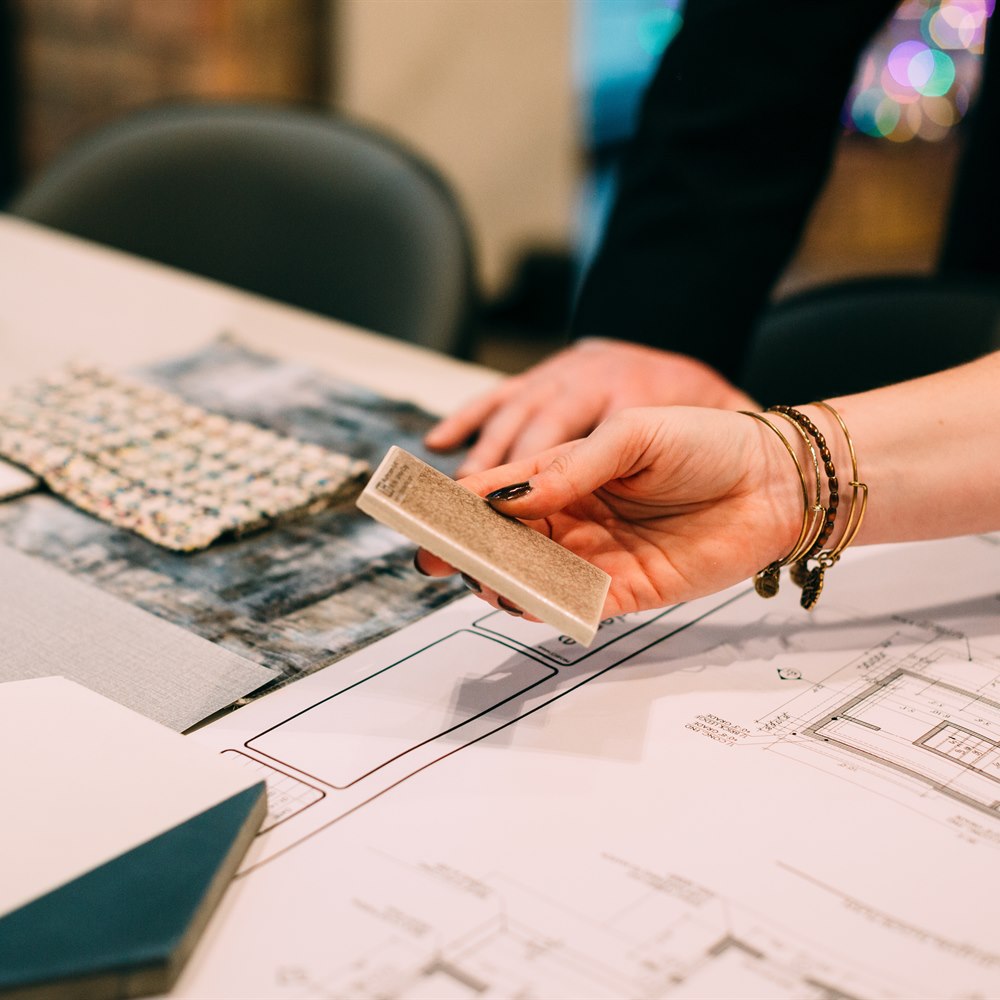
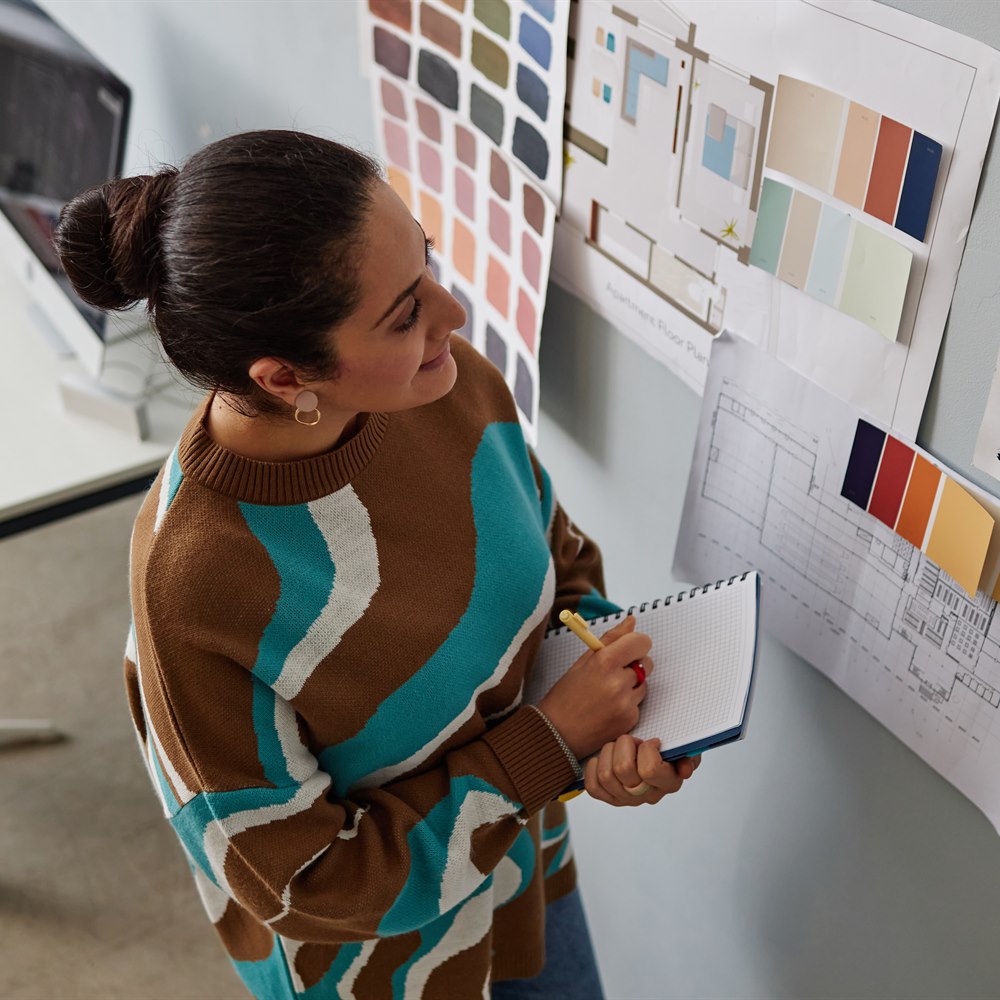
The first phase is developing the design, the consultation, understanding your needs and taste, space planning, creating the design concept, selecting furnishings and materials, and presenting and refining the design. This design phase, involving the designer’s creative work and collaboration with you, takes time, from days for a simple room to weeks for a comprehensive project, plus time for your input and revisions. The design phase is where the vision is created, and its duration depends on the scope and the back-and-forth of refining the design to your satisfaction. This creative, collaborative phase is the foundation before execution begins. (For more on this, see Questions to Ask an Interior Designer Before Hiring.)
Sourcing and Ordering Furnishings
A major part of the timeline is sourcing and ordering the furnishings and materials, which often involves significant lead times. Furniture, especially custom or made-to-order pieces, can take weeks or months to arrive after ordering, and fabrics, custom items, and special orders add lead time. This ordering and waiting period is frequently the longest part of a design project, and it’s largely outside the designer’s control, dictated by manufacturers and suppliers. Understanding that sourcing and receiving furnishings, especially custom pieces, can take substantial time helps explain why design projects span months, the waiting for ordered items is often the biggest timeline factor.
Executing Any Work
If the design involves work, painting, flooring, renovations, installations, that execution adds to the timeline. Coordinating and completing contractor work takes time, and a renovation especially extends the project significantly. This physical work, part of realizing a design that involves changes beyond furnishings, has its own timeline that adds to the overall project. For a design involving renovation or substantial work, this execution phase can be a major part of the timeline. Understanding that a design’s physical work, beyond just furnishing, takes time to execute helps you plan for the full duration of a project that involves changes to the space itself.
Installation and Finishing
The final phase is installation and finishing, placing the furnishings, styling the space, adding decor and finishing touches, once everything has arrived and any work is complete. This bringing-it-all-together phase, where the design is realized, is exciting but comes after the sourcing and any work. Its duration depends on the scope, from a day for placing a room’s furnishings to longer for a comprehensive install. This final phase, when the design comes to life, is the culmination, and it happens once the preceding phases, design, sourcing, and any work, are complete. Understanding that installation is the last step, after the longer sourcing period, helps set expectations.
What Can Affect the Timeline
Several factors affect the timeline. A larger scope (more rooms, more extensive) takes longer. Custom and made-to-order furnishings add significant lead time. Renovation or construction work extends it substantially. The designer’s process and your responsiveness (timely decisions and feedback keep it moving) affect it. And supplier and contractor availability and delays factor in. Because these vary, and because furnishing lead times especially are often lengthy and outside anyone’s control, the weeks-to-months range is typical but can extend. A good designer gives you a realistic timeline and keeps you informed as the project progresses. (For more on this, see How to Work with an Interior Designer: Tips for Homeowners.)
Planning Around the Timeline
Expect an interior design project to take weeks to months, through design, sourcing and ordering, any work, and installation, with the scope, custom furnishings, and any renovation driving the timeline. Understanding the phases, especially the often-lengthy sourcing, helps you set realistic expectations. When you’re ready to plan your project, connect with a local pro below.
Frequently Asked Questions
Typically weeks to months, depending on the scope, the extent of furnishing and renovation, the designer's process, and lead times for furnishings and custom items. A simple single-room refresh with available furnishings may take weeks, while a comprehensive project (multiple rooms, extensive furnishing, custom items, or renovation) takes months. Much of the timeline comes from sourcing, ordering, and receiving furnishings and executing any work, not just the design phase.
Developing the design (consultation, space planning, concept, selecting furnishings, refining), sourcing and ordering furnishings and materials (often with significant lead times), executing any work (painting, flooring, renovations), and installation and finishing (placing furnishings, styling, finishing touches). Each phase takes time, with sourcing and ordering furnishings often being the longest part, and the scope driving the overall duration.
Largely because of sourcing and receiving furnishings, which often involves significant lead times, furniture, especially custom or made-to-order pieces, can take weeks or months to arrive after ordering, and this waiting is frequently the longest part of a project and largely outside the designer's control. Any renovation or work also extends the timeline. So the design itself may be relatively quick, but ordering furnishings and executing work make projects span months.
Yes, significantly, it's often the biggest timeline factor. Furniture, especially custom or made-to-order pieces, can take weeks or months to arrive after ordering, and fabrics, custom items, and special orders add lead time. This ordering and waiting period is frequently the longest part of a design project and largely outside the designer's control, dictated by manufacturers and suppliers. It's a major reason design projects span months rather than weeks.
A larger scope (more rooms, more extensive), custom and made-to-order furnishings (significant lead times), renovation or construction work (which extends it substantially), the designer's process, your responsiveness (timely decisions keep it moving), and supplier and contractor availability and delays. Because furnishing lead times especially are often lengthy and outside anyone's control, the weeks-to-months range is typical but can extend, so a good designer gives a realistic timeline.