Hardwood, Laminate, or LVP: How Do You Choose?
These three popular flooring options look similar but perform very differently. Here is how to choose.
Solid and Engineered Hardwood: Best Long-Term Value
Solid hardwood (3/4-inch solid wood planks): can be sanded and refinished 3 to 5 times over its life — a 50 to 100-year flooring lifespan. Cost: $8 to $15 per sq ft installed. Best rooms: living rooms, dining rooms, and bedrooms on above-grade floors (hardwood swells in high moisture environments). Engineered hardwood (a real wood veneer over a plywood core): more dimensionally stable than solid hardwood, appropriate for radiant heat floors and some below-grade installations. Cost: $6 to $12 per sq ft installed. Can typically be refinished 1 to 3 times.
Laminate: Best Budget Wood Look (Not Waterproof)
Laminate flooring is a high-density fiberboard (HDF) core with a photographic image layer under a clear wear layer — it mimics the appearance of wood at $3 to $8 per sq ft installed. It is more scratch-resistant than hardwood but cannot be refinished when worn. Critical limitation: laminate is not waterproof. Water that infiltrates the seams causes the HDF core to swell and permanently delaminate. Not appropriate for kitchens, bathrooms, or basements.
Luxury Vinyl Plank (LVP): Best for Moisture-Prone Areas
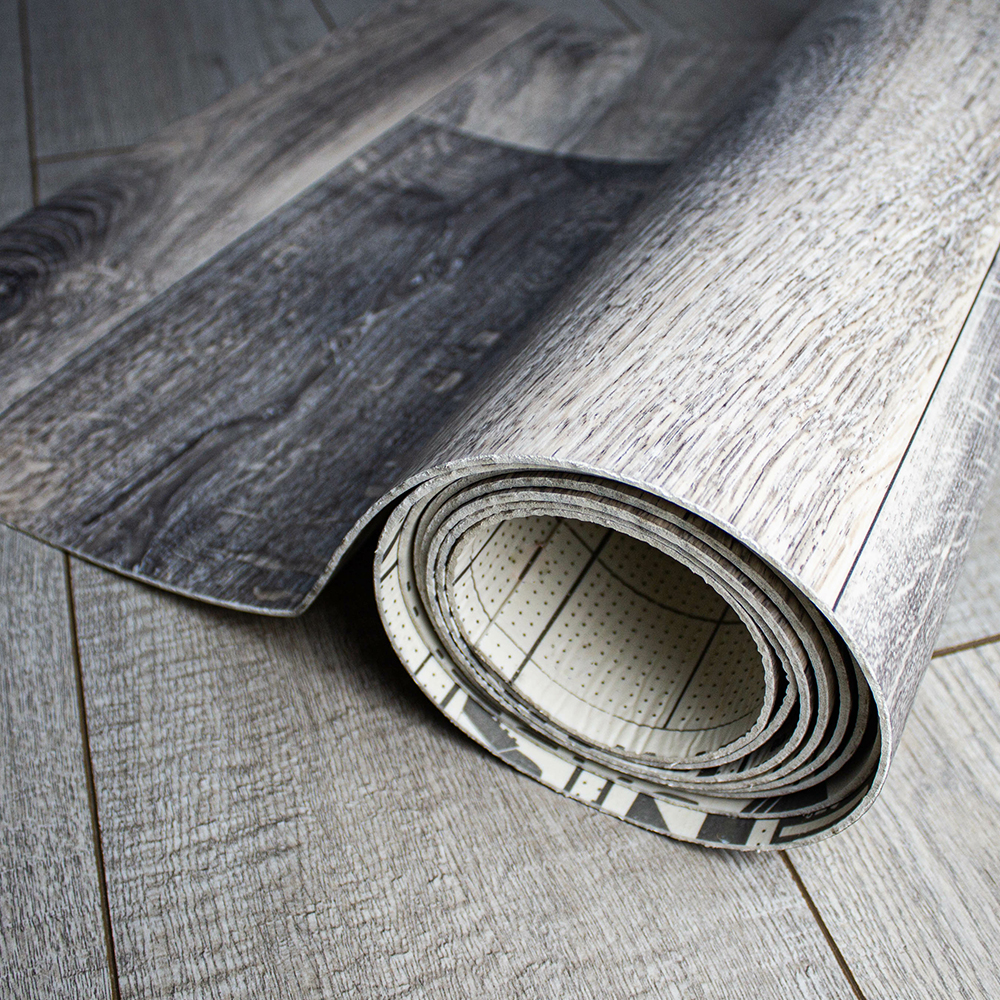
LVP is 100 percent waterproof, dimensionally stable, and comfortable underfoot. The wear layer is more scratch-resistant than laminate in most residential grades. At $3 to $8 per sq ft installed: comparable to laminate in cost but appropriate for kitchens, bathrooms, mudrooms, and basements where laminate is not. Cannot be refinished, but the realistic wood looks available in LVP have dramatically improved in recent years. WPC (wood-plastic composite) core LVP: the thicker, more rigid version that provides better sound attenuation and underfoot comfort.
Working With a Contractor on This Project
Getting the right outcome on any home services project starts before the work begins. A few consistent practices make the difference between a smooth project and a frustrating one.
Get at least two or three quotes. A single quote gives you no basis for comparison. Two or three quotes reveal the market rate for the work, expose scope differences between bidders, and let you assess contractor communication quality before any commitment is made. The lowest bid is not automatically the best value if the scope is thin or the materials are underspecified.
Ask for licenses and insurance before work starts. Verify current general liability insurance and, for any work involving workers on your property, workers compensation coverage. Licensing requirements vary by state and trade; confirm the specific requirements in your jurisdiction. A licensed contractor who carries appropriate insurance protects both parties if something goes wrong during the project.
Get the scope in writing. A written proposal that specifies materials, labor scope, timeline, what is included (permits, cleanup, disposal), and warranty terms is the foundation of a professional engagement. Verbal agreements on any of these points invite misunderstanding. For any project over $500, written scope is non-negotiable.
Clarify the payment schedule upfront. A reasonable payment schedule ties major payments to project milestones: a deposit at signing, a payment at material delivery or project start, and a final payment at completion after a walkthrough confirms satisfaction. A contractor who requires full payment upfront before work begins is a red flag in any trade.
Making a Confident Decision
The information in this article is designed to help you ask better questions of the professionals you work with, evaluate their answers with more confidence, and understand the decisions involved in this type of home services project. It is not a substitute for professional assessment of your specific home.
Every home is different. Roof slopes, local weather, tree exposure, soil conditions, and existing system condition all affect what the right solution is for your specific situation. The general principles here apply broadly, but a professional who assesses your home in person will give you guidance that accounts for the details that general articles cannot.
When you are ready to move forward, getting at least two or three quotes from licensed, insured, local contractors is the most important practical step. It lets you compare approaches, assess contractor quality, and confirm that the solution proposed matches your specific situation and budget.
Flooring Cost at a Glance
Sheet vinyl: $2 to $5 per sq ft installed. LVP or LVT: $3 to $8 per sq ft, the most widely installed residential flooring type. Laminate: $3 to $8 per sq ft, not waterproof. Carpet: $2 to $8 per sq ft for most residential grades, 7 to 15-year service life. Engineered hardwood: $6 to $12 per sq ft, more stable than solid, appropriate over radiant heat. Solid hardwood: $8 to $15 per sq ft, refinishable over 50 to 100 years, adds the most home value. Ceramic or porcelain tile: $6 to $13 per sq ft installed, waterproof and durable, standard for kitchens and bathrooms.
A 500-square-foot main living area costs $1,500 to $7,500 depending on material. A whole-home project covering 1,500 sq ft runs $4,500 to $22,500. Old flooring removal adds $0.50 to $2.00 per sq ft. Always get at least two written quotes specifying the material by manufacturer, product name, and wear-layer thickness so bids are directly comparable.
Frequently Asked Questions
Hardwood is real wood -- it can be sanded and refinished multiple times over 50 to 100 years. LVP is synthetic vinyl -- completely waterproof and easier to install but cannot be refinished. Hardwood: $8 to $15 per sq ft. LVP: $3 to $8 per sq ft. Hardwood adds the most appraised home value; LVP is the most practical choice for moisture-prone areas.
For most applications: yes. Both look similar and cost similarly, but LVP is 100 percent waterproof (laminate is not). LVP can be used in kitchens, bathrooms, and basements; laminate cannot. Laminate is slightly harder and more scratch-resistant than most LVP at the same price point, but the waterproof advantage of LVP outweighs this for most homeowners.
Solid hardwood: not recommended directly over concrete (moisture from concrete causes warping). Engineered hardwood: can be installed over concrete with a moisture barrier (either floating or glue-down). LVP: can be installed over concrete with no special preparation beyond leveling. Laminate: technically installable over concrete but the moisture risk from concrete makes LVP the better choice in most basement and slab situations.
Yes -- hardwood flooring is consistently cited by real estate agents as one of the top value-adding interior improvements. The National Association of Realtors reports that hardwood flooring adds dollar-for-dollar or better value in many markets. LVP also adds value but is viewed by buyers as a quality feature rather than a premium feature. Laminate adds least value -- buyers recognize it as a budget material.
For high-traffic families: porcelain tile (most scratch and water resistant but hard and cold underfoot), commercial-grade LVP with a thick wear layer (4 to 6 mil for pets, 12 to 20 mil for commercial grade), or hardwood with a polyurethane finish. Avoid: laminate in wet areas, soft wood flooring (pine, fir), and light-colored carpet in high-traffic areas.