
How Do You Design a Closet for Maximum Storage?
A well-designed closet holds far more and works far better than a poorly organized one, making the most of the available space. Good closet design, whether a reach-in or walk-in, balances hanging space, shelving, drawers, and specialty storage to fit your belongings and habits. Understanding the principles helps you design a closet that maximizes storage and function. Here’s how.
Use Vertical Space Fully
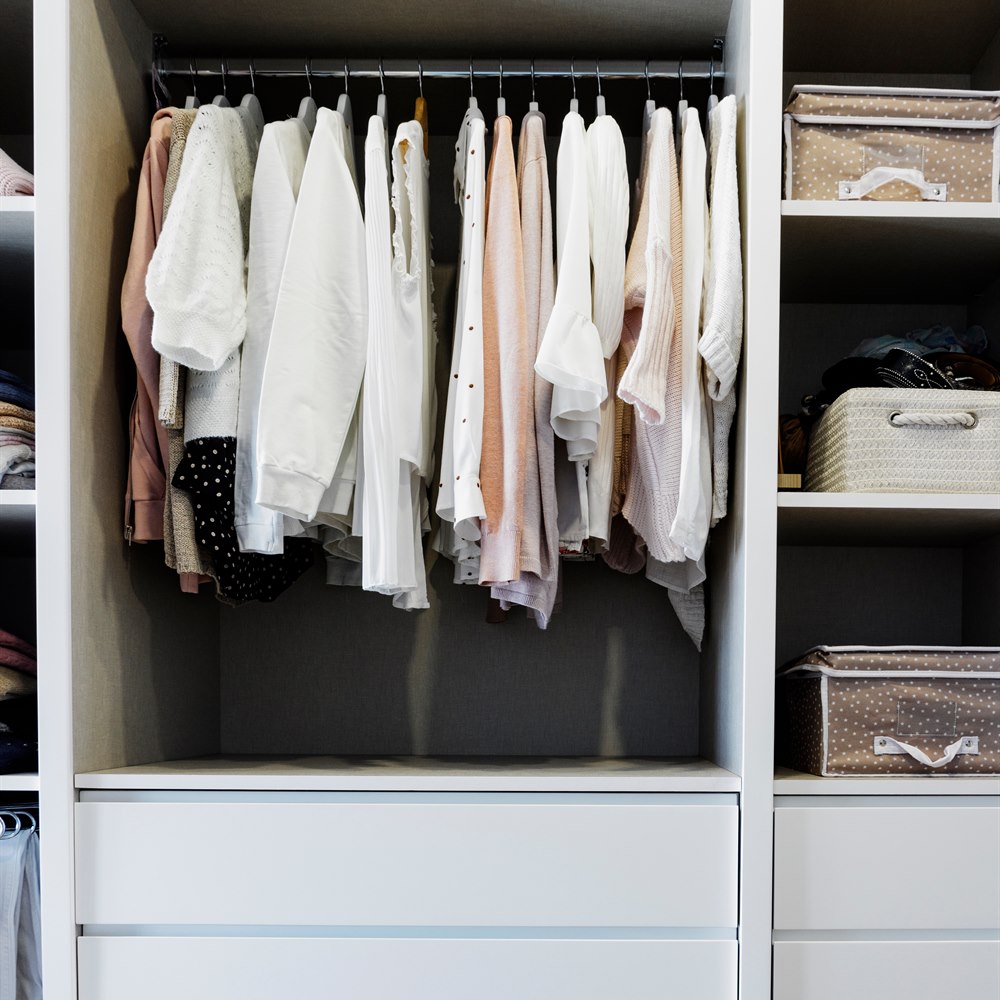
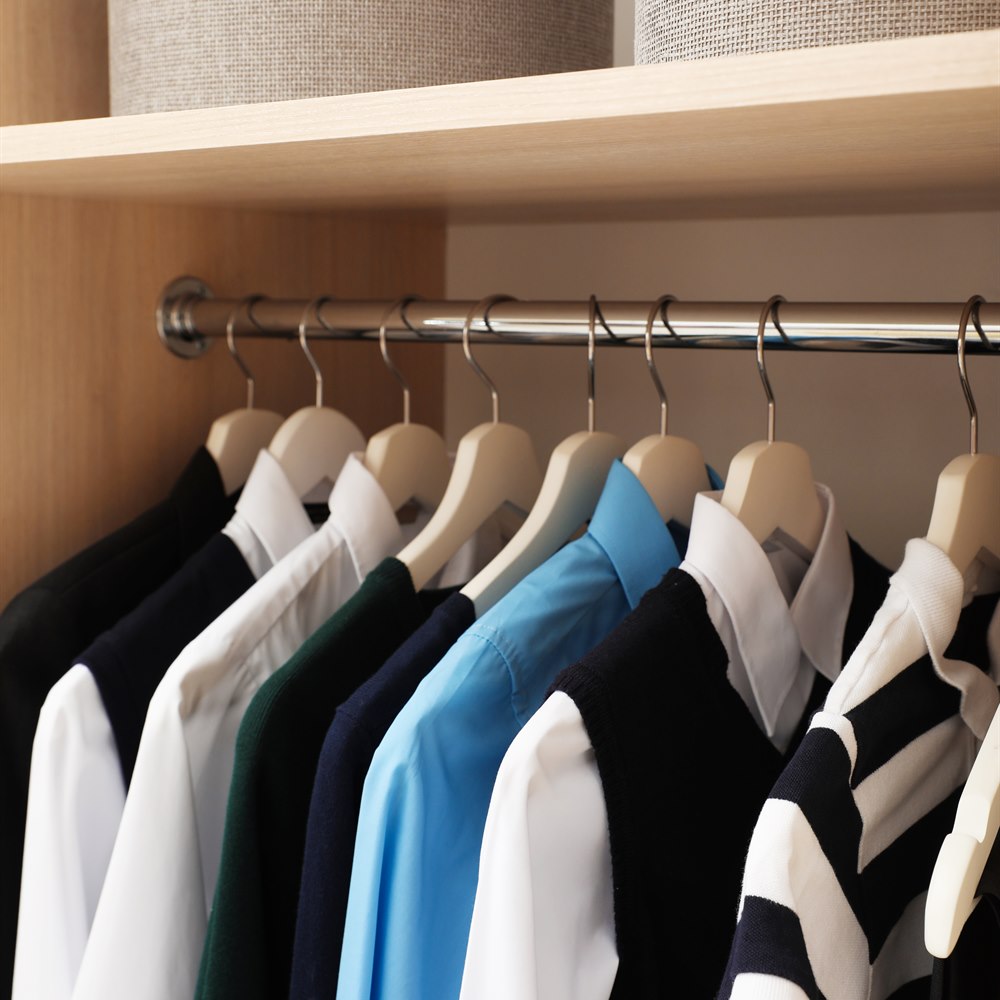
A key principle is using the full vertical space, floor to ceiling, since closets often waste the upper and lower areas. Adding shelving above the hanging rods, using the high space for less-frequently-accessed items, and utilizing the floor area (shoe storage, drawers, bins) captures storage that a single rod-and-shelf setup wastes. Double-hanging rods (two levels for shorter items) dramatically increase hanging capacity. Making full use of the vertical space, top to bottom, is one of the most effective ways to maximize a closet’s storage, turning wasted air into usable space. Good design exploits the full height of the closet. (For more on this, see Common Closet Design and Installation Mistakes.)
Balance Hanging, Shelving, and Drawers
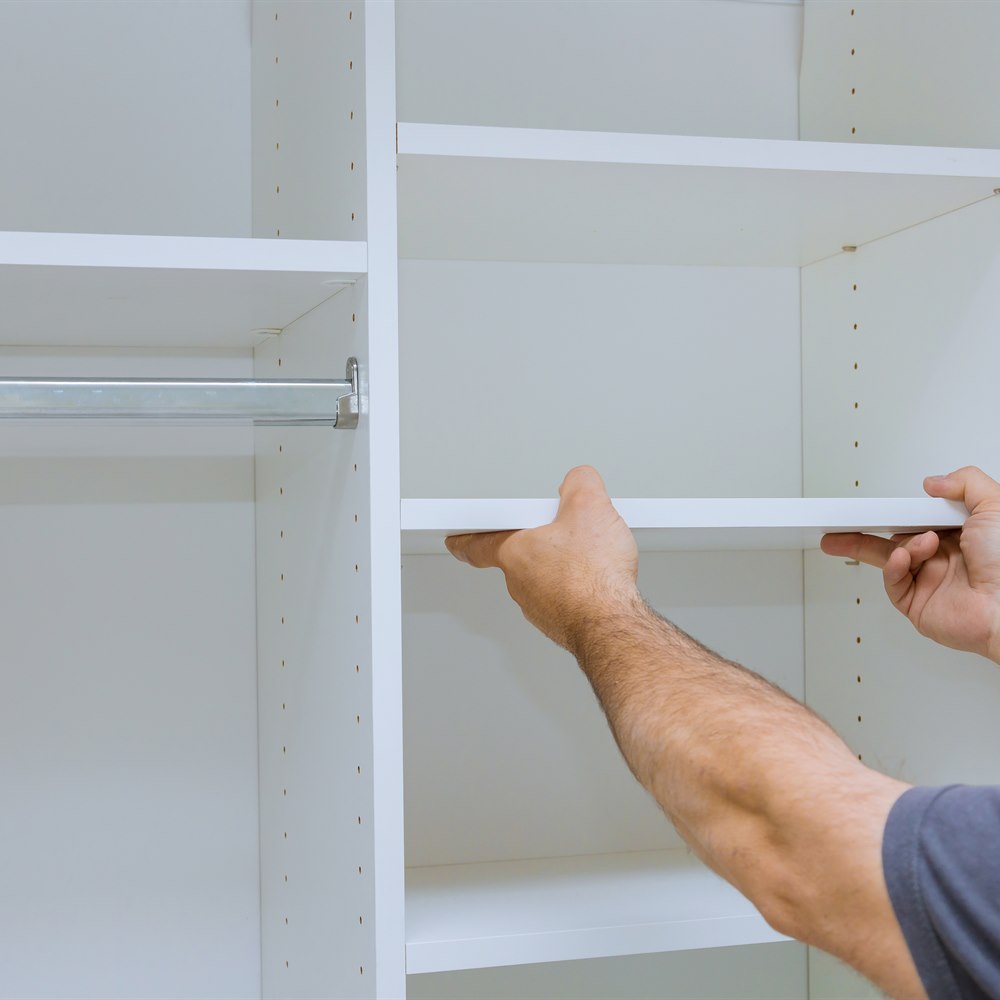
Good design balances the storage types, hanging space (long and short), shelving, and drawers, to match your belongings. Assess what you own, how much hangs (and how much is long versus short), what folds onto shelves, and what needs drawers, then allocate the space accordingly. A closet that’s all hanging wastes space for folded items, while one that’s all shelves lacks hanging. Tailoring the mix of hanging, shelving, and drawers to your actual wardrobe maximizes both storage and usability. Designing the right balance of storage types for what you own is central to a closet that holds everything and functions well.
Add the Right Specialty Storage
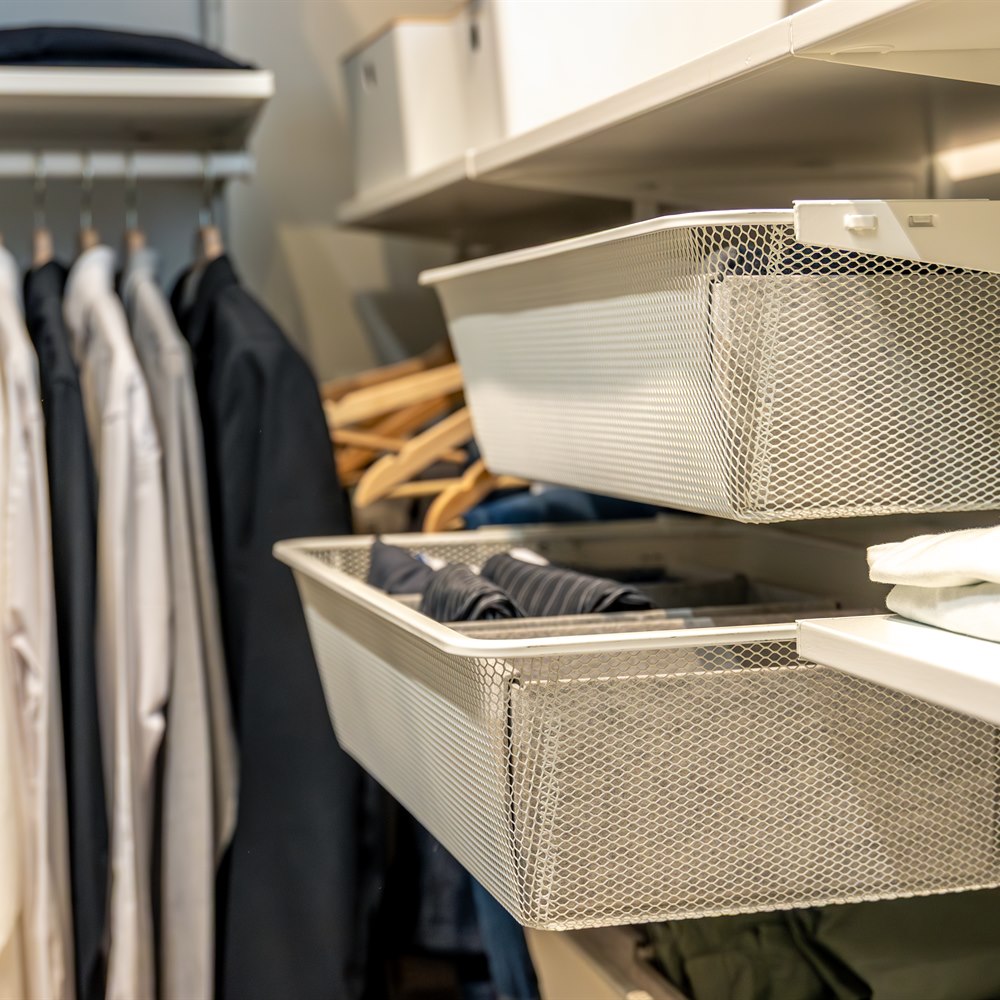
Specialty storage, tailored to specific items, greatly improves organization and capacity. Shoe racks or cubbies organize footwear efficiently; drawers with dividers hold accessories; valet rods, tie and belt racks, jewelry drawers, and pull-outs organize specific items. Adding the specialty storage that suits your belongings, shoe storage if you have many shoes, accessory drawers if you have lots, keeps everything organized and accessible while using space efficiently. Including the right specialty storage for your specific needs, rather than generic shelving alone, both maximizes capacity and makes the closet far more functional and pleasant to use.
Design for How You Use It
Good design considers how you actually use the closet, placing frequently-used items in easy-to-reach spots and less-used items higher or lower. Grouping items logically (work clothes, casual, seasonal), placing daily items at eye and hand level, and organizing by category or frequency makes the closet efficient and pleasant to use. A closet designed around your habits and routines, not just maximizing raw storage, works better daily. Designing for how you use the closet, easy access to what you use most, logical organization, ensures it’s not just spacious but genuinely functional and convenient in daily life, which is the real goal.
Make the Most of the Layout
For walk-ins, the layout, using the walls and corners well, matters. Utilizing all the walls, handling corners efficiently (corner solutions avoid wasted space), and, in larger walk-ins, considering an island (for drawers and folding space) maximizes the usable storage. In reach-ins, using the full width and depth, and the door area, captures space. Thoughtful layout that uses every usable surface and area, walls, corners, and available space, without wasted gaps, maximizes a closet’s capacity. Making the most of the layout, especially in walk-ins where corners and walls can be exploited, is key to fitting the most storage into the available footprint. (For more on this, see Reach-In vs. Walk-In vs. Custom Closets: Which Is Right for You?.)
Include Good Lighting
Good lighting, while not storage, greatly improves a closet’s function and usability. A well-lit closet lets you see and access everything easily, making the storage genuinely usable, while a dark closet wastes its potential (you can’t find or use what you can’t see). Adding overhead lights, LED strips, or motion-activated lighting transforms a closet’s usability. Though lighting doesn’t add storage capacity, it makes the storage you have fully functional, so including good lighting in a closet design ensures the maximized storage is actually usable and pleasant to access. Lighting is an important, often-overlooked part of a well-designed closet. (For more on this, see How to Find the Best Closet Company or Designer.)
Designing Your Closet
Maximize your closet’s storage by using vertical space fully, balancing hanging, shelving, and drawers, adding the right specialty storage, designing for how you use it, making the most of the layout, and including good lighting. A knowledgeable designer or provider can help optimize your specific closet. When you’re ready to design and install your closet, connect with a local pro below.
Frequently Asked Questions
Use the full vertical space (floor to ceiling, with shelving above rods and double-hanging where possible), balance hanging, shelving, and drawers to match your belongings, add the right specialty storage (shoe racks, drawers, organizers), design for how you use it (easy access to frequent items), make the most of the layout (walls, corners, islands in walk-ins), and include good lighting. Using vertical space and tailoring the mix to your wardrobe are especially effective.
Add shelving above the hanging rods, use the high space for less-frequently-accessed items, utilize the floor area (shoe storage, drawers, bins), and use double-hanging rods (two levels for shorter items) to dramatically increase hanging capacity. Closets often waste the upper and lower areas, so making full use of the vertical space, top to bottom, is one of the most effective ways to maximize storage, turning wasted air into usable space.
Assess what you own, how much hangs (long versus short), what folds onto shelves, and what needs drawers, then allocate the space accordingly. A closet that's all hanging wastes space for folded items, while one that's all shelves lacks hanging. Tailoring the mix of hanging, shelving, and drawers to your actual wardrobe maximizes both storage and usability, so designing the right balance of storage types for what you own is central to a functional closet.
Add specialty storage tailored to your belongings: shoe racks or cubbies for footwear, drawers with dividers for accessories, and valet rods, tie and belt racks, jewelry drawers, and pull-outs for specific items. Adding the specialty storage that suits what you own, shoe storage if you have many shoes, accessory drawers if you have lots, keeps everything organized and accessible while using space efficiently, both maximizing capacity and making the closet more functional.
Yes. Good lighting, while not storage, greatly improves a closet's function and usability, a well-lit closet lets you see and access everything easily, while a dark closet wastes its potential since you can't find or use what you can't see. Adding overhead lights, LED strips, or motion-activated lighting transforms a closet's usability, so including good lighting ensures the maximized storage is actually usable and pleasant to access, an important, often-overlooked part of design.