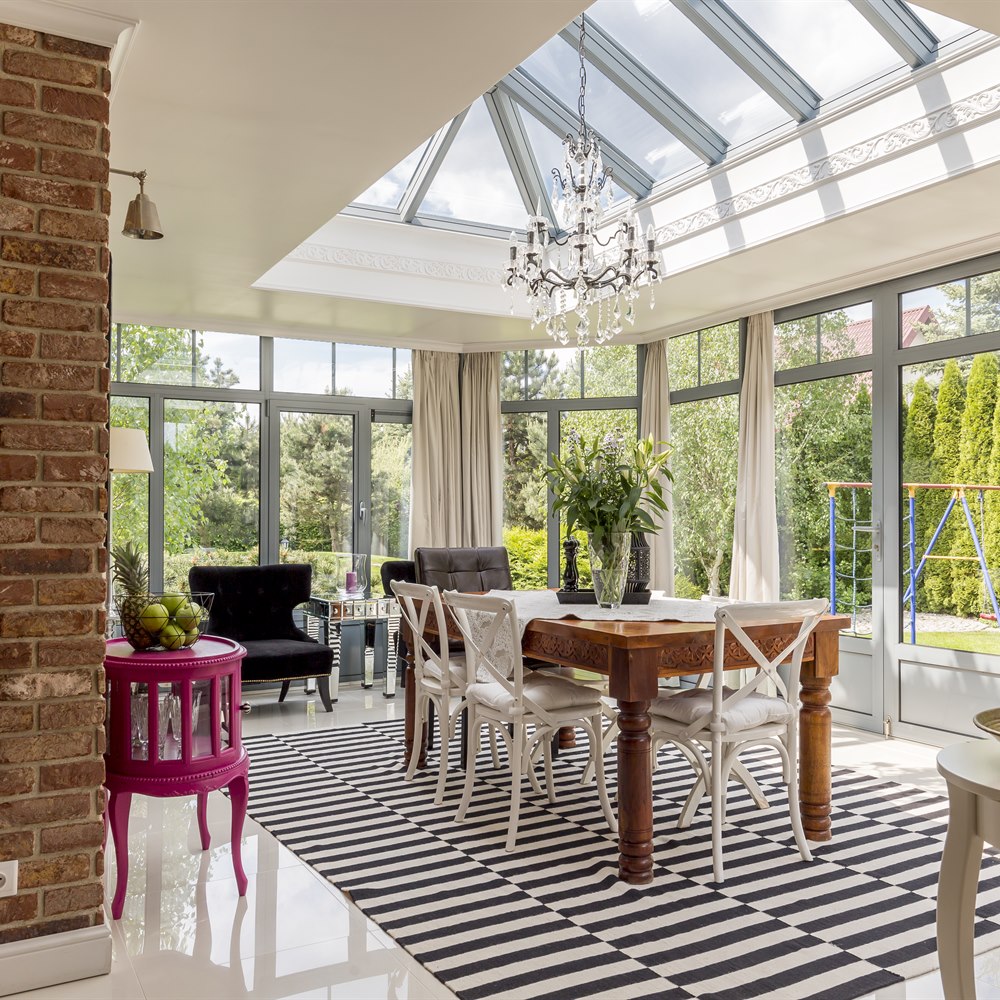
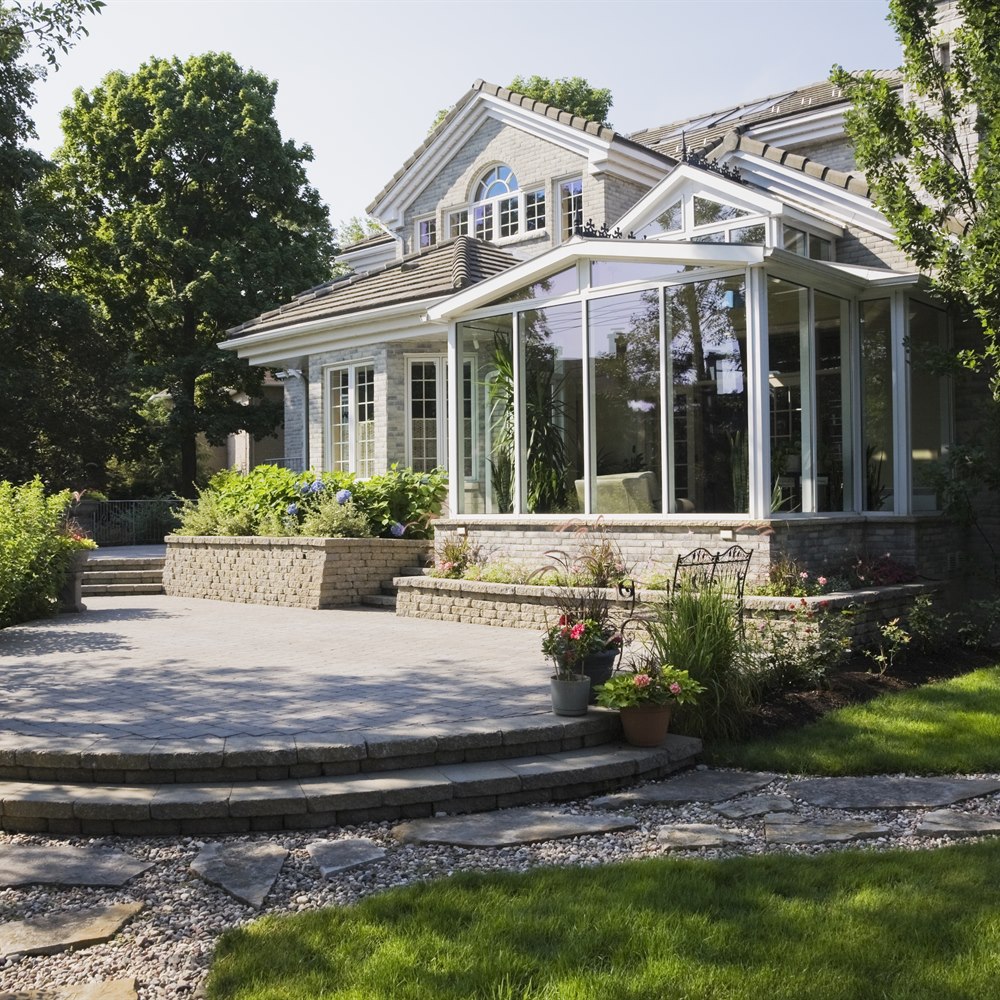
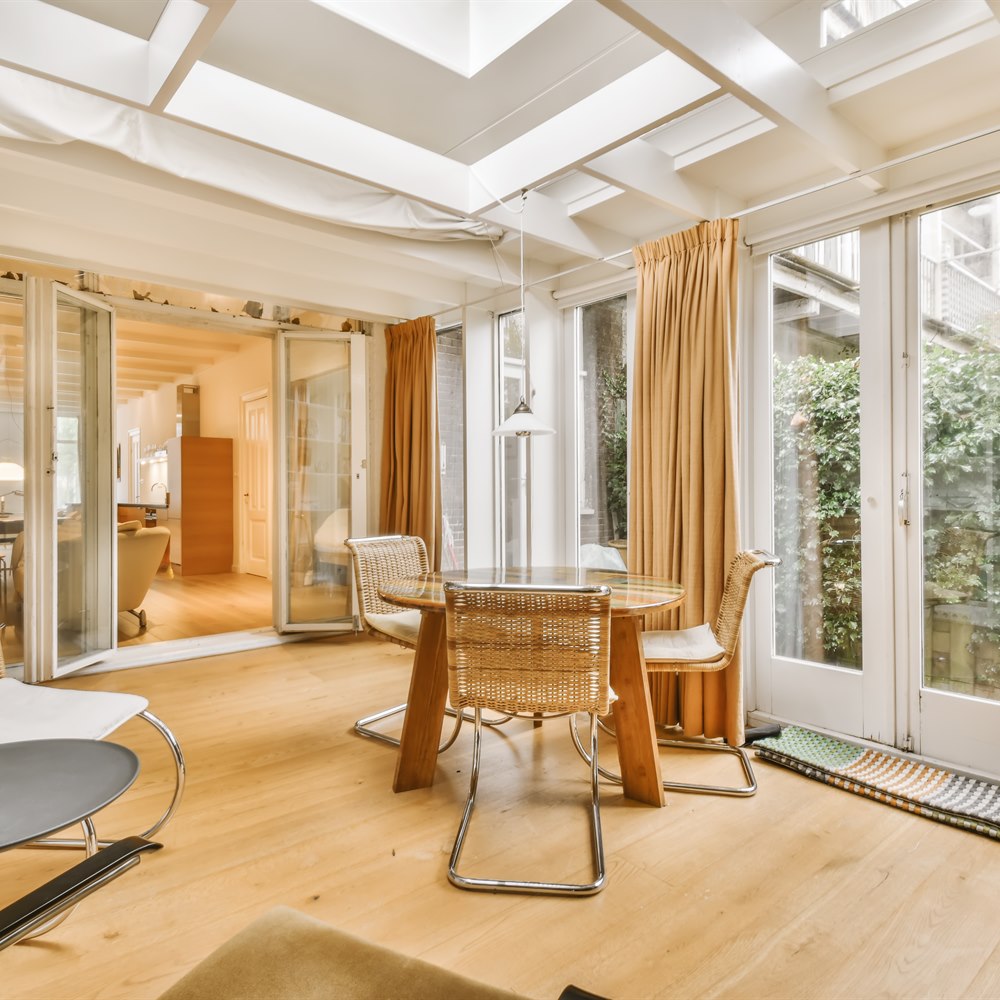
Expanding your living space can be an exciting yet daunting endeavor. Whether you’re dreaming of a new master suite, a larger kitchen, or a cozy sunroom, understanding the costs involved is crucial to making informed decisions. This guide aims to break down the various factors that influence the cost of a home addition, helping homeowners like you budget effectively and avoid unexpected expenses.
What Affects the Cost of a Home Addition?
Three variables drive the cost of a home addition: the size, the materials, and the level of customization. No two projects are identical, and each of these moves the total substantially. (For more on this, see How Much Does a Home Addition Cost?.)
Size matters most, because a larger addition requires more material, more labor, and more structural work. Per square foot, though, the relationship inverts: a small 100-square-foot addition often costs more per square foot than a 500-square-foot expansion, which benefits from economies of scale.
Materials come next. Marble countertops and hardwood flooring cost considerably more than laminate or vinyl, though quality materials add value and last longer. Customization is the third: custom designs, intricate architectural details, and specialized fixtures raise both material and labor costs.
Breaking Down the Cost Categories
To better understand how much a home addition might cost, it’s helpful to break down the expenses into several key categories: (For more on this, see What Affects Home Addition Cost?.)
Design and Planning
Before any construction begins, you’ll need detailed plans. Drawings, structural engineering and permits are one budget line, not three optional ones, and together they run $4,000 to $24,000 — about $4,000 to $7,000 on a bump-out, $8,000 to $14,000 on a first-floor addition, and $14,000 to $24,000 on a second story. This step is essential for ensuring that your addition complies with local building codes and regulations, and the structural engineer’s stamp is not optional once a load-bearing wall or a new floor is involved.
Permits and Inspections
Securing the necessary permits is a crucial part of the process. Permit costs vary widely based on location and the scope of the project, and the permit fee is one component of the $4,000 to $24,000 design, engineering and permitting budget above rather than a separate line on top of it. Inspections throughout the construction process ensure that the work meets safety standards, and in most jurisdictions the inspection fees are folded into the permit fee.
Construction and Labor
The bulk of your budget will go toward construction and labor costs. On average, homeowners can expect to pay between $200 and $500 per square foot for a home addition, all in — above new-construction rates, because the addition has to be tied into the existing structure. That covers everything from foundation work and framing to the roof tie-in, plumbing, electrical and HVAC extension. By project type: $15,000 to $120,000 for a bump-out of 50 to 200 square feet, $70,000 to $240,000 for a single-room addition of 200 to 500 square feet, and $200,000 to $450,000 for a second story.
Materials and Finishes
Material costs can vary greatly depending on your choices, and finish level is largely what decides where inside that per-square-foot band you land rather than what gets added on top of it. Basic materials for a standard addition might cost around $20,000, while high-end finishes and appliances can push this figure up to $50,000 or more. Be sure to consider long-term maintenance and durability when selecting materials.
Additional Costs
Don’t forget to budget for additional costs such as landscaping, interior decoration, and unexpected expenses. Setting aside a contingency fund of around 10-15% of the total project cost can help cover any surprises that arise during construction.
Factors Influencing Regional Cost Variations
One important aspect to consider is regional cost variations. The cost of living, labor rates, and material prices can vary significantly from one area to another. For example, building a home addition in a major city like New York or San Francisco will likely be more expensive than in a rural area due to higher labor costs and material prices.
Additionally, local building codes and regulations can impact costs. Some regions may have stricter requirements for things like energy efficiency or seismic retrofitting, which can add to the overall expense.
Maximizing Your Budget with Smart Choices
While home additions can be costly, there are ways to maximize your budget and ensure you get the best value for your investment. Here are a few tips to help you save money without compromising on quality: (For more on this, see Hidden Costs of Home Additions.)
- Plan Thoroughly: A well-thought-out plan can prevent costly changes and delays during construction. Work closely with your architect or designer to finalize every detail before breaking ground.
- Shop Around: Get multiple quotes from contractors and suppliers to find the best prices. Don’t be afraid to negotiate and ask for discounts.
- Opt for Standard Sizes: Custom sizes and shapes can increase costs. Whenever possible, stick to standard dimensions for windows, doors, and other components.
- Do Some Work Yourself: If you’re handy, consider tackling some of the simpler tasks yourself, such as painting or landscaping. Just be sure to leave the more complex work to the professionals.
- Reuse and Recycle: Salvage materials from your existing home or look for reclaimed materials. This can save money and add character to your addition.
Conclusion
Adding to your home can be a significant investment, but with careful planning and smart choices, it can also be a rewarding one. By understanding the various factors that influence the cost of a home addition, homeowners can budget effectively and avoid unexpected expenses. Remember to plan thoroughly, shop around for the best prices, and consider ways to save money without compromising on quality. Ultimately, a well-executed home addition can enhance your living space and increase the value of your property, making it a worthwhile endeavor for any homeowner.
Cost figures on this page were checked against published pricing on August 25, 2026. How we source cost data.
Frequently Asked Questions
The main variables are the size of the addition, the materials used, and the level of customization, since larger and more custom projects cost more.
Budget $4,000 to $24,000 for drawings, structural engineering and permits together - about $4,000 to $7,000 on a bump-out, $8,000 to $14,000 on a first-floor addition, and $14,000 to $24,000 on a second story.
Not always. Larger projects can benefit from economies of scale, so a 500-square-foot addition may cost less per square foot than a 100-square-foot one.
High-end materials like marble or hardwood cost more than laminate or vinyl, but they can add value and durability to your home.
They ensure your addition complies with local building codes, and their cost is a necessary category in your overall budget.