What Goes Wrong When Installing a Fire Pit?
A fire pit is a rewarding addition, but mistakes, in placement, construction, gas work, or planning, can create safety hazards, code violations, or a fire feature that disappoints. Avoiding the common ones ensures a safe, well-built fire pit you’ll enjoy. Here’s what goes wrong and how to avoid it.
Mistake: Unsafe Placement
How to avoid it: The most dangerous mistake is placing a fire pit too close to the house, under overhanging branches or structures, or near combustible materials. Avoid it by placing the pit a safe distance from your home, fences, trees, and anything flammable, with adequate clearance around and above, following local code clearances. Improper placement is a genuine fire hazard, so getting the location right, well clear of combustibles, is the most important safety decision. Never compromise on placement to fit a fire pit into a tight or convenient but unsafe spot. (For more on this, see Fire Pit Safety: What Every Homeowner Should Know.)
Mistake: DIY Gas Work
How to avoid it: Attempting to run a gas line or connect a gas fire pit yourself without proper qualification is dangerous, gas leaks can cause fire or explosion. Avoid it by having gas work done by a qualified professional. The gas line, connections, and burner must be properly installed and leak-free, and this is not a place for DIY. While you might build a wood-burning pit yourself, gas work requires professional installation for safety and often by code. Leaving the gas system to a qualified pro is essential, the safety stakes far outweigh any savings. (For more on this, see How Long Does a Fire Pit Take to Install?.)
Mistake: Skipping Permits and Code Compliance
How to avoid it: Installing a fire pit without checking whether a permit is required or meeting code (especially for gas pits or permanent structures) can lead to problems, fines, forced removal, or safety issues. Avoid it by checking local requirements before building, including any permit, clearance rules, and restrictions. Some areas regulate fire pits. Ensuring your fire pit is legal and code-compliant, rather than assuming it’s fine, prevents problems down the road and ensures it’s safe. A reputable installer knows the local requirements. (For more on this, see Hidden Costs of Installing a Fire Pit.)
Mistake: Poor Construction or Materials
How to avoid it: Building a fire pit with improper materials (ones that can’t withstand heat) or poor construction leads to a pit that cracks, crumbles, or deteriorates from the heat. Avoid it by using appropriate fire-rated materials and proper construction, a fire pit must be built to withstand high heat, so the materials and construction matter. Using materials not rated for fire, or skimping on construction, produces a pit that fails. Ensuring the pit is built with the right materials and sound construction, whether DIY or professional, is essential to a durable, safe fire feature.
Mistake: Ignoring Drainage in the Pit
How to avoid it: A wood-burning fire pit needs proper drainage so rainwater doesn’t collect in the bottom, which can cause problems and make the pit unusable when wet. Avoid it by ensuring the pit has adequate drainage (a drainage layer or gap at the bottom) so water drains rather than pooling. This detail is easy to overlook but affects the pit’s usability and longevity. Proper drainage in the pit, especially for wood-burning pits exposed to rain, keeps it functional and prevents water-related problems, so it’s part of good construction.
Mistake: Not Planning the Surrounding Space
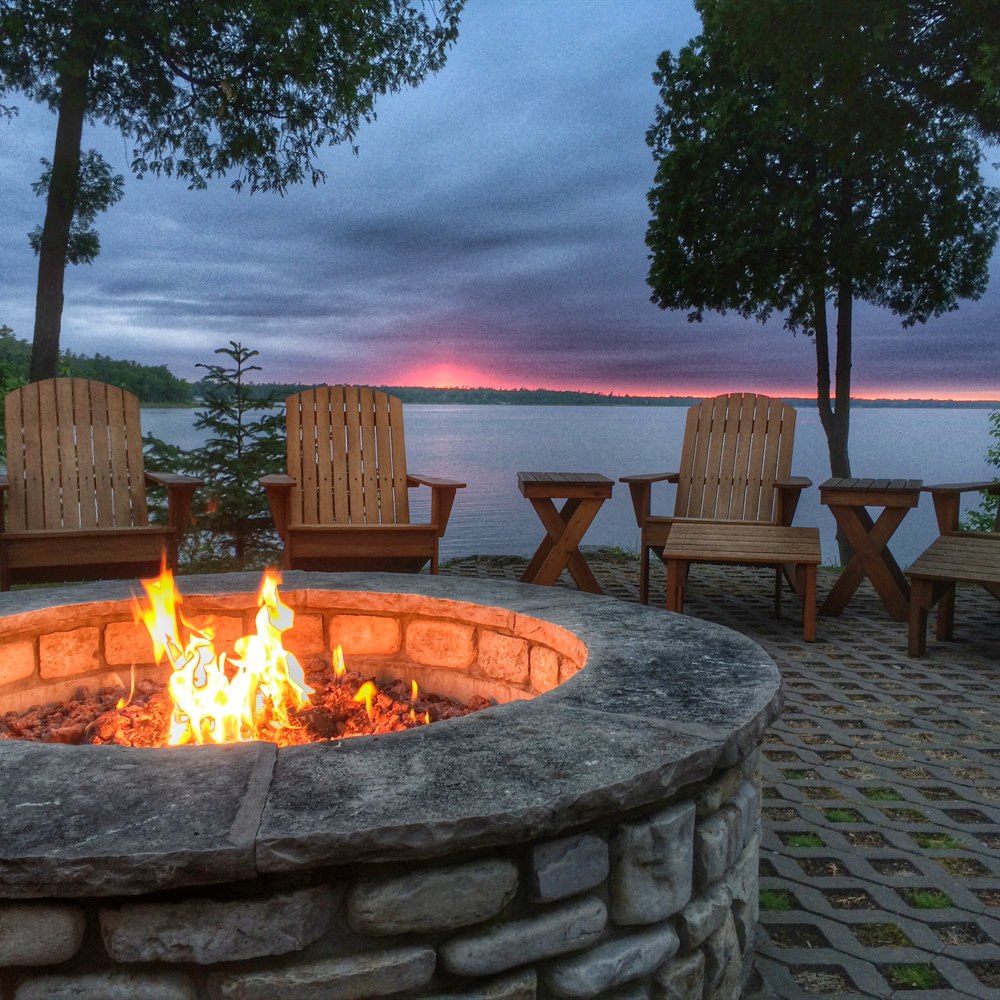
How to avoid it: Installing a fire pit without thinking about the surrounding space, seating, clearance for people, the patio, leaves a fire feature that’s awkward to use. Avoid it by planning the whole fire pit area: adequate space around the pit for seating at a safe, comfortable distance, and how it fits your outdoor space. A fire pit is meant to be gathered around, so the surrounding space and seating matter to its usability. Planning the pit within its space, not in isolation, ensures it’s a comfortable, functional gathering spot rather than an afterthought.
The Mistake of Prioritizing Looks Over Safety and Function
An underlying mistake that can drive several of the others is prioritizing appearance over safety and function when planning a fire pit. It’s natural to focus on how the fire pit will look, its style, materials, and how it fits your outdoor aesthetic, but letting looks override the practical and safety considerations leads to problems. Choosing a location because it looks best rather than because it’s safe (adequate clearances from the house and combustibles), selecting materials for appearance without ensuring they’re fire-rated for the heat, or designing an elaborate feature without proper drainage or construction, all prioritize the visual over the essential. A fire pit that looks stunning but is placed unsafely, built with unsuitable materials, or lacks proper drainage is a mistake no amount of beauty compensates for.
The right approach treats safety and function as non-negotiable foundations, then makes the fire pit as attractive as possible within those constraints. Safe placement with proper clearances comes first, then you can design the pit and its surroundings to look great in that safe location. Fire-rated, heat-appropriate materials are required, and within that requirement there’s plenty of room for attractive stone, brick, or other finishes. Sound construction and, for wood-burning pits, proper drainage are essential, and a well-built pit can still be beautiful. The key is recognizing that safety and function aren’t in conflict with a good-looking fire pit, a properly placed, well-built pit in appropriate materials can absolutely be attractive, but that when a genuine tension arises, safety and function must win. Homeowners who let the desire for a particular look override safe placement, proper materials, or sound construction end up with fire pits that are hazardous, that deteriorate from the heat, or that don’t function well, undermining the very enjoyment they were reaching for. Keeping safety and function as the foundation, and pursuing beauty within those bounds, is how you get a fire pit that’s both attractive and genuinely good, avoiding the mistake of a feature that looks the part but fails where it matters most.
Staying Ahead of Mistakes
The common fire pit mistakes, unsafe placement, DIY gas work, skipping permits, poor materials or construction, ignoring drainage, and not planning the surrounding space, are all avoidable with proper planning and installation. When you’re ready to connect with a qualified local pro, connect below.
Frequently Asked Questions
Unsafe placement, putting a fire pit too close to the house, under overhanging branches or structures, or near combustible materials. Place the pit a safe distance from your home, fences, trees, and anything flammable, with adequate clearance around and above, following local code. Improper placement is a genuine fire hazard, so getting the location right is the most important safety decision, never compromised for convenience.
No, not the gas work. Attempting to run a gas line or connect a gas fire pit yourself without proper qualification is dangerous, gas leaks can cause fire or explosion. Have gas work done by a qualified professional; the line, connections, and burner must be properly installed and leak-free. While you might build a wood-burning pit yourself, gas work requires professional installation for safety and often by code.
Yes. Installing without checking whether a permit is required or meeting code (especially for gas pits or permanent structures) can lead to fines, forced removal, or safety issues. Check local requirements before building, including any permit, clearance rules, and restrictions, since some areas regulate fire pits. Ensuring your fire pit is legal and code-compliant, rather than assuming it's fine, prevents problems and ensures safety.
Appropriate fire-rated materials that can withstand high heat, with proper construction. Building with improper materials (ones that can't handle heat) or poor construction leads to a pit that cracks, crumbles, or deteriorates from the heat. A fire pit must withstand high heat, so the materials and construction matter. Using the right fire-rated materials and sound construction is essential to a durable, safe fire feature.
A wood-burning fire pit does, so rainwater doesn't collect in the bottom, which can cause problems and make the pit unusable when wet. Ensure the pit has adequate drainage (a drainage layer or gap at the bottom) so water drains rather than pooling. This detail is easy to overlook but affects usability and longevity, especially for wood-burning pits exposed to rain, so it's part of good construction.