What Flooring Adds the Most Home Value?
When choosing flooring for its impact on home value at sale, the material, the installation quality, and how it reads to buyers all matter.
Hardwood: The Highest-Value Flooring
Real hardwood (solid or engineered) is consistently cited by real estate agents and appraisers as the flooring material that adds the most value. The National Association of Realtors reports that 54 percent of home buyers are willing to pay more for a home with hardwood floors, and the typical ROI for hardwood installation is close to 100 percent or better in active markets. The best choices for value: 5-inch white oak in a natural or light warm tone with a satin finish. Avoid: trendy wood colors (gray, dark espresso) that feel dated quickly; choose a warm neutral that appeals to the broadest buyer pool.
LVP: The Best Value-to-Cost Choice
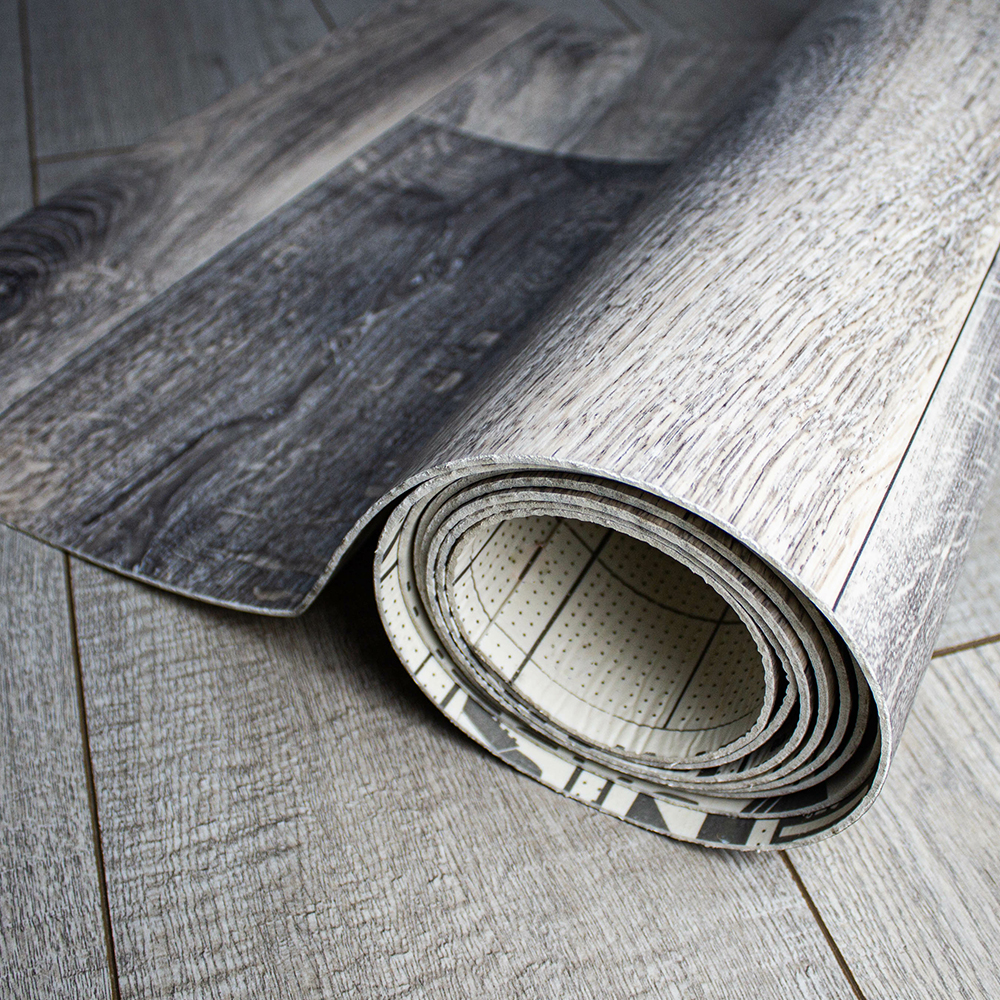
LVP does not command the same premium as hardwood in buyer perception or appraisal, but it is viewed positively as a practical, modern flooring material. A home with quality LVP (thick wear layer, realistic wood look, professional installation) presents better than a home with worn hardwood or old carpet. Cost: $3 to $8 per sq ft installed vs. $8 to $15 per sq ft for hardwood. For homeowners who cannot justify the hardwood cost: LVP throughout the main level presents well to buyers and adds meaningful value over carpet or older flooring materials.
Tile in Kitchens and Bathrooms
Buyers expect tile in bathrooms and consider it a baseline standard — a bathroom without tile (or with sheet vinyl or carpet) is a negative in most markets. Large-format porcelain tile (12×24 or 24×24 inches) in bathrooms: the current buyer expectation in mid-range and above homes. Well-maintained tile (clean grout, no cracked tiles): maximizes the visual impact of this baseline expectation. Cracked or discolored grout: a visible negative that reduces buyer perception of maintenance quality throughout the home.
Working With a Contractor on This Project
Getting the right outcome on any home services project starts before the work begins. A few consistent practices make the difference between a smooth project and a frustrating one.
Get at least two or three quotes. A single quote gives you no basis for comparison. Two or three quotes reveal the market rate for the work, expose scope differences between bidders, and let you assess contractor communication quality before any commitment is made. The lowest bid is not automatically the best value if the scope is thin or the materials are underspecified.
Ask for licenses and insurance before work starts. Verify current general liability insurance and, for any work involving workers on your property, workers compensation coverage. Licensing requirements vary by state and trade; confirm the specific requirements in your jurisdiction. A licensed contractor who carries appropriate insurance protects both parties if something goes wrong during the project.
Get the scope in writing. A written proposal that specifies materials, labor scope, timeline, what is included (permits, cleanup, disposal), and warranty terms is the foundation of a professional engagement. Verbal agreements on any of these points invite misunderstanding. For any project over $500, written scope is non-negotiable.
Clarify the payment schedule upfront. A reasonable payment schedule ties major payments to project milestones: a deposit at signing, a payment at material delivery or project start, and a final payment at completion after a walkthrough confirms satisfaction. A contractor who requires full payment upfront before work begins is a red flag in any trade.
How to Use This Guide
Finding the right contractor is the most important decision in any home services project. The criteria in this article reflect what distinguishes contractors who deliver excellent work from those who do not, based on the specific quality factors that matter for this type of work.
Use the criteria here as a screening framework, not a checklist to be completed mechanically. A contractor who scores well on the criteria that matter most for your specific project, home, and concerns is a better match than one who technically checks every box but does not communicate clearly or does not have local experience with your type of home.
The right contractor is one who provides a clear, written proposal with specific materials and scope, is licensed and insured, has verifiable local references from similar work, and backs their installation with a meaningful warranty. When you are ready to compare your options, use the button below to connect with qualified local professionals in your area.
Flooring Cost at a Glance
Sheet vinyl: $2 to $5 per sq ft installed. LVP or LVT: $3 to $8 per sq ft, the most widely installed residential flooring type. Laminate: $3 to $8 per sq ft, not waterproof. Carpet: $2 to $8 per sq ft for most residential grades, 7 to 15-year service life. Engineered hardwood: $6 to $12 per sq ft, more stable than solid, appropriate over radiant heat. Solid hardwood: $8 to $15 per sq ft, refinishable over 50 to 100 years, adds the most home value. Ceramic or porcelain tile: $6 to $13 per sq ft installed, waterproof and durable, standard for kitchens and bathrooms.
A 500-square-foot main living area costs $1,500 to $7,500 depending on material. A whole-home project covering 1,500 sq ft runs $4,500 to $22,500. Old flooring removal adds $0.50 to $2.00 per sq ft. Always get at least two written quotes specifying the material by manufacturer, product name, and wear-layer thickness so bids are directly comparable.
Frequently Asked Questions
Solid or engineered hardwood adds the most home value per dollar invested in most markets. LVP is the best value-to-cost choice for broad market appeal at lower cost. Porcelain tile in bathrooms is the buyer-expected baseline. Carpet in bedrooms is acceptable but neutral -- it neither adds nor detracts meaningfully from value in most markets.
In markets where comparable homes have hardwood floors: yes. In markets where comparable homes have LVP: LVP may be the more practical pre-sale investment. The decision: compare the cost of hardwood installation vs. the typical sale price premium for hardwood in your specific neighborhood. A real estate agent who has sold homes in your area can provide the most accurate assessment of the expected value increment for hardwood in your specific market.
Generally yes, particularly if the existing flooring is visibly worn, outdated (carpet in the main living areas, old laminate), or damaged. The ROI is typically higher in mid-range homes where floor condition significantly affects buyer perception. In luxury homes: buyers expect high-end flooring and will not pay a premium for standard material; in entry-level homes: any clean, modern flooring is well received.
Buyers react most negatively to: carpet in the main living areas (especially high-traffic entry and living areas), visible pet damage or staining on any flooring, highly stylized flooring that limits buyer appeal (very dark floors, gray-on-gray, highly patterned tile in large areas), and popcorn-pattern or heavily textured surfaces that are difficult to clean.
Most real estate agents recommend replacing flooring before listing rather than offering a credit. Buyers perceive credits as less valuable than the improvement itself (they worry the credit will not cover the actual cost, or they do not want to manage the project). A home with updated flooring photographs better, shows better, and typically generates higher and faster offers than a home with worn flooring and a promised credit.