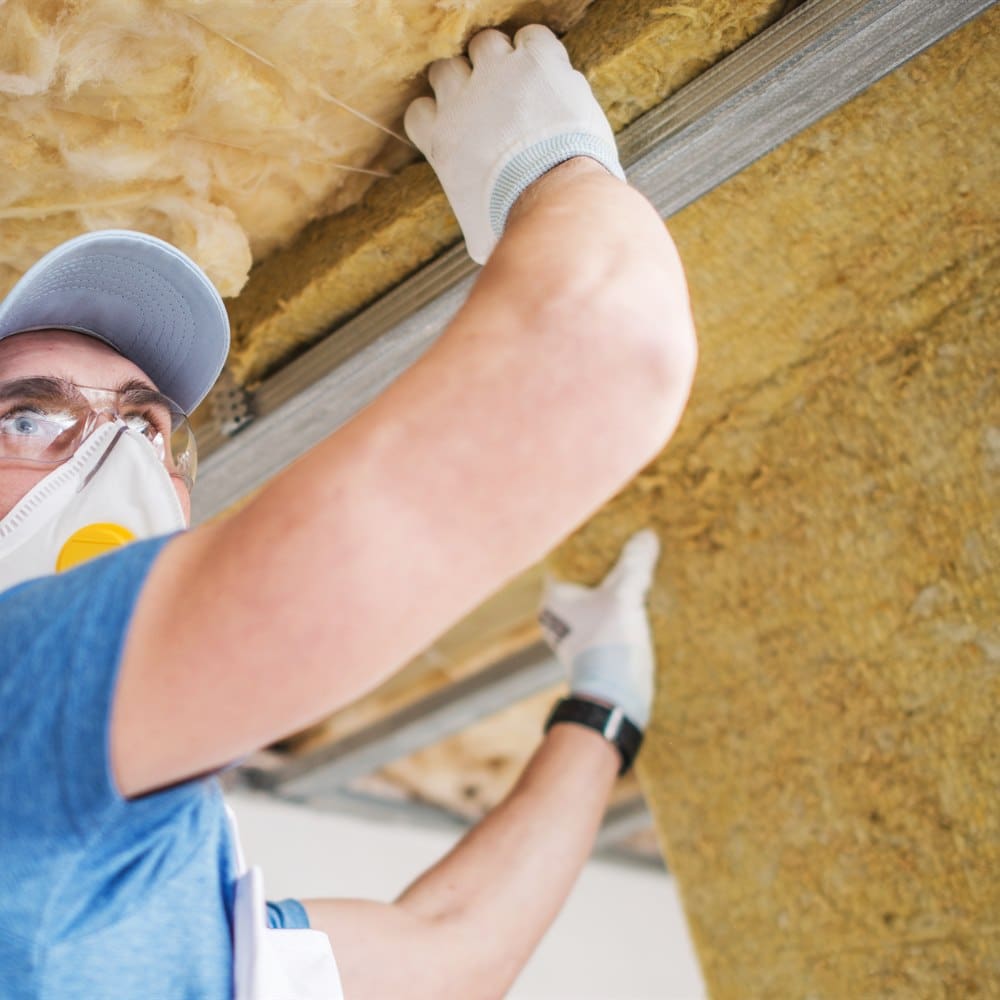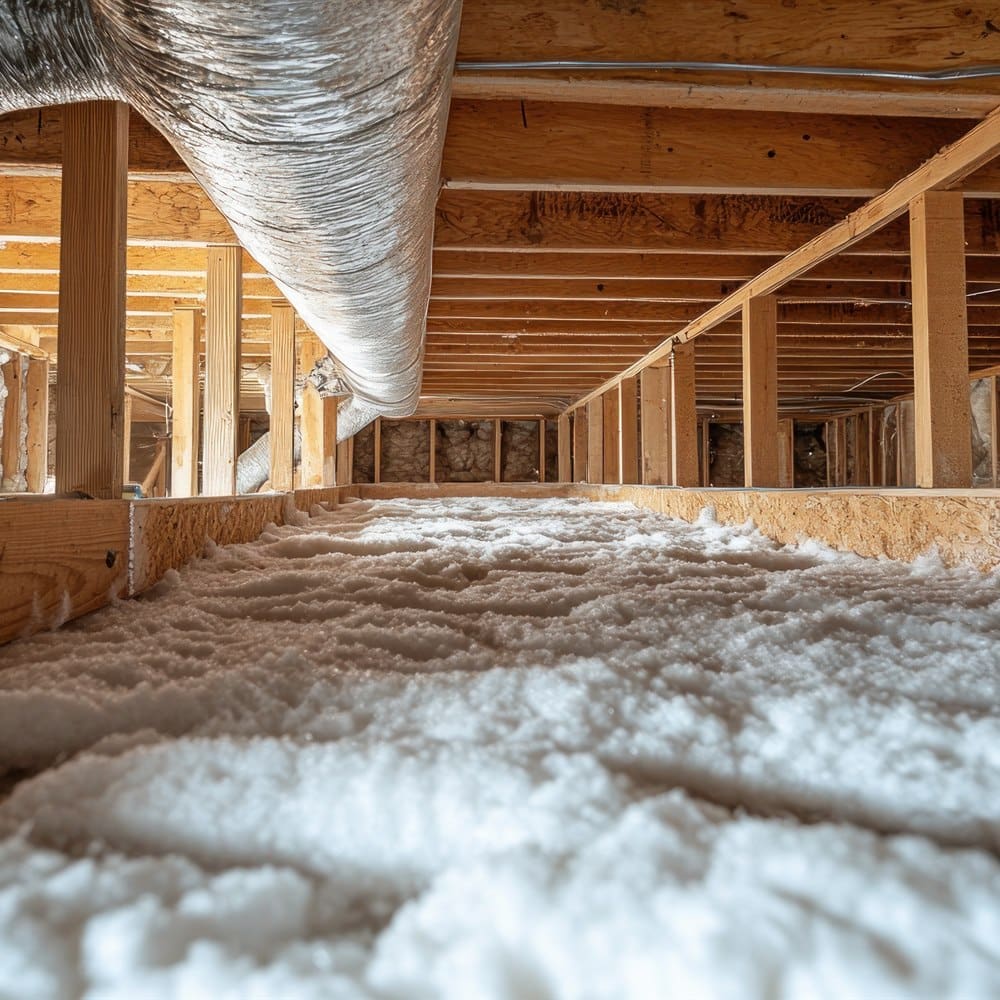
Blown-In Insulation
Fill the Gaps, Cut the Bills
If your home is hard to keep comfortable and your energy bills keep climbing, thin or uneven insulation is often the hidden cause. Blown-in insulation fills gaps and voids that batt insulation leaves behind, creating a continuous thermal barrier that eases the load on your heating and cooling.
Because the loose fill conforms to any space, it's ideal for topping up attics and reaching the awkward cavities in existing homes. A good pro measures where your home is actually losing energy and targets it, rather than blanketing everything.
Abode connects you with local insulation pros for blown-in cellulose, fiberglass, and mineral wool. Compare specialists, understand the payback, and start cutting your bills.

Did You Know?
A poorly insulated attic can be responsible for a large share of a home's heat loss, quietly sending the money you spend on heating straight through the roof.
Blown-In Insulation Cost. How Much Do Projects Cost?
Most projects run between $1,000 and $3,500. The average price is typically around $2,000. The $1,000 to $3,500 range is a whole-project total for a typical attic of roughly 500 to 1,200 square feet, while the table rows are per-square-foot rates, so the two will not add up directly. The first row is material only and the installed rows include labor; air sealing and hauling away old insulation are quoted separately.
Typical duration: A few hours to 1 day
| Cost Factor | Typical Range | Notes |
|---|---|---|
| Material (cellulose or fiberglass) | $0.50-$1.50 per sq ft | The most affordable loose-fill options |
| Blowing existing wall cavities | $1.70-$3.70 per sq ft installed | Drilling and patching siding or drywall costs more than blowing an open attic floor |
| Professional installation | $1.50-$3.00 per sq ft installed | Labor plus material for a complete job |
Cost data verified August 23, 2026. How we source cost data.
08/23/2026
Signs You Need Blown-In Insulation
- High heating and cooling bills
- Rooms that are hard to keep warm or cool
- Uneven temperatures between rooms
- Thin or settled attic insulation
- An older home never re-insulated
Is It Right For You?
Who It's For
- Homeowners topping up attic insulation
- Anyone adding insulation to existing walls or hard-to-reach cavities
Who It's Not For
- New construction better suited to batt or spray foam during the build
- Homes needing air sealing first before adding insulation
What to Watch Out For
Loose fill may compress and lose some R-value over years
Best paired with air sealing for full efficiency gains
Alternatives to Consider
| Alternative | Better When | Worse When |
|---|---|---|
| Batt insulation | Cheaper for open, accessible walls | Leaves gaps and struggles in irregular spaces |
| Spray foam | Superior air sealing and R-value | Considerably more expensive upfront |
Is It Worth It?
For most homes with thin or aging attic insulation, blown-in is a cost-effective upgrade that typically pays for itself in energy savings within a few years.
Questions to Ask Your Pro
- What R-value do you recommend for my climate?
- Should I air-seal before adding insulation?
- Which material is best for my attic versus my walls?
Frequently Asked Questions
Professional installation runs about $1.50 to $3.00 per square foot including labor and materials, with material alone at $0.50 to $1.50 depending on type.
Cellulose and fiberglass run about $0.50 to $1.50 per square foot for material alone, with the top of that range reflecting higher R-value targets. Loose-fill mineral wool is not generally sold at retail for blown-in work, so cellulose and fiberglass are the practical choices.
The main drivers are the material, professional installation and regional labor rates, and the size and scope of the project.
Cellulose is generally the least expensive, with fiberglass close behind. Loose-fill mineral wool is rarely stocked for blown-in applications, so it is not a practical choice for most attic or wall jobs.
Yes. Larger spaces require more material and labor, so a bigger attic or more wall cavities raise the total cost.