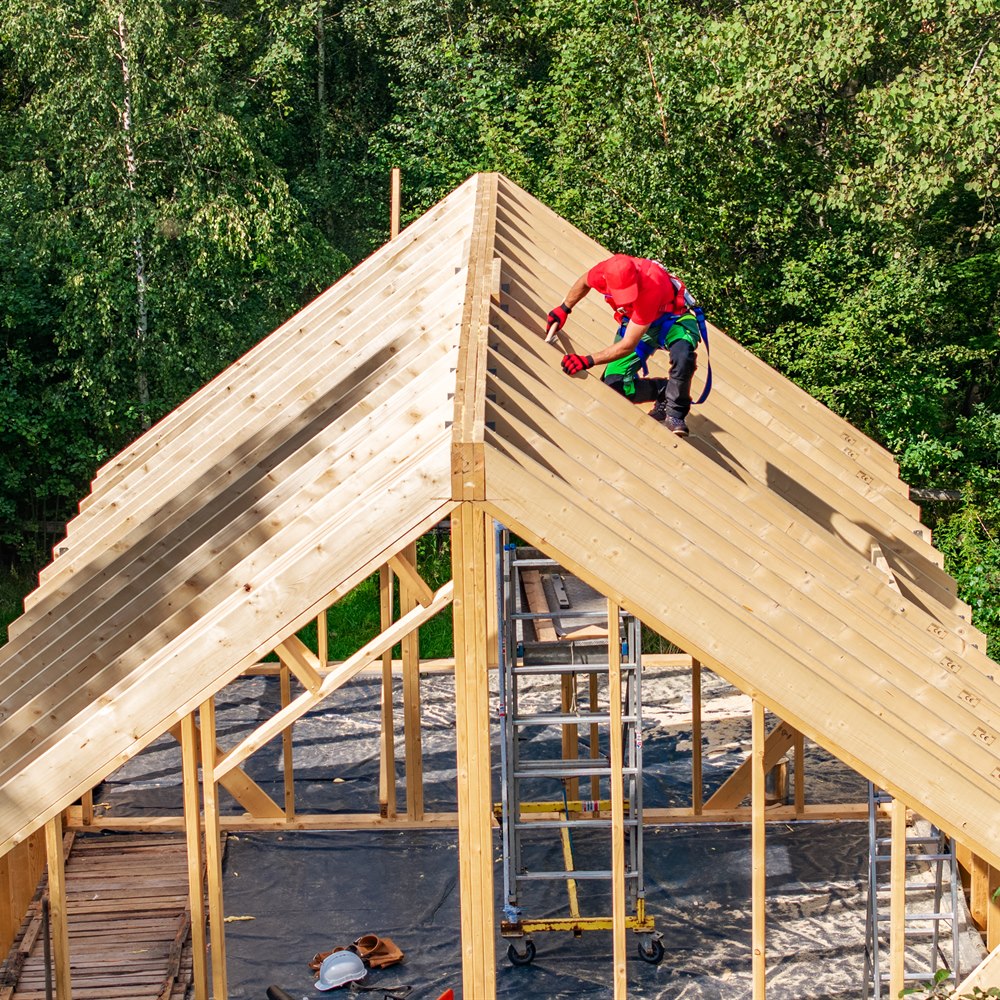
What Drives Shed Costs?
Shed costs from $1,500 to $15,000+ reflect size, material quality, foundation type, and whether functional upgrades are included.
Size: The Primary Driver
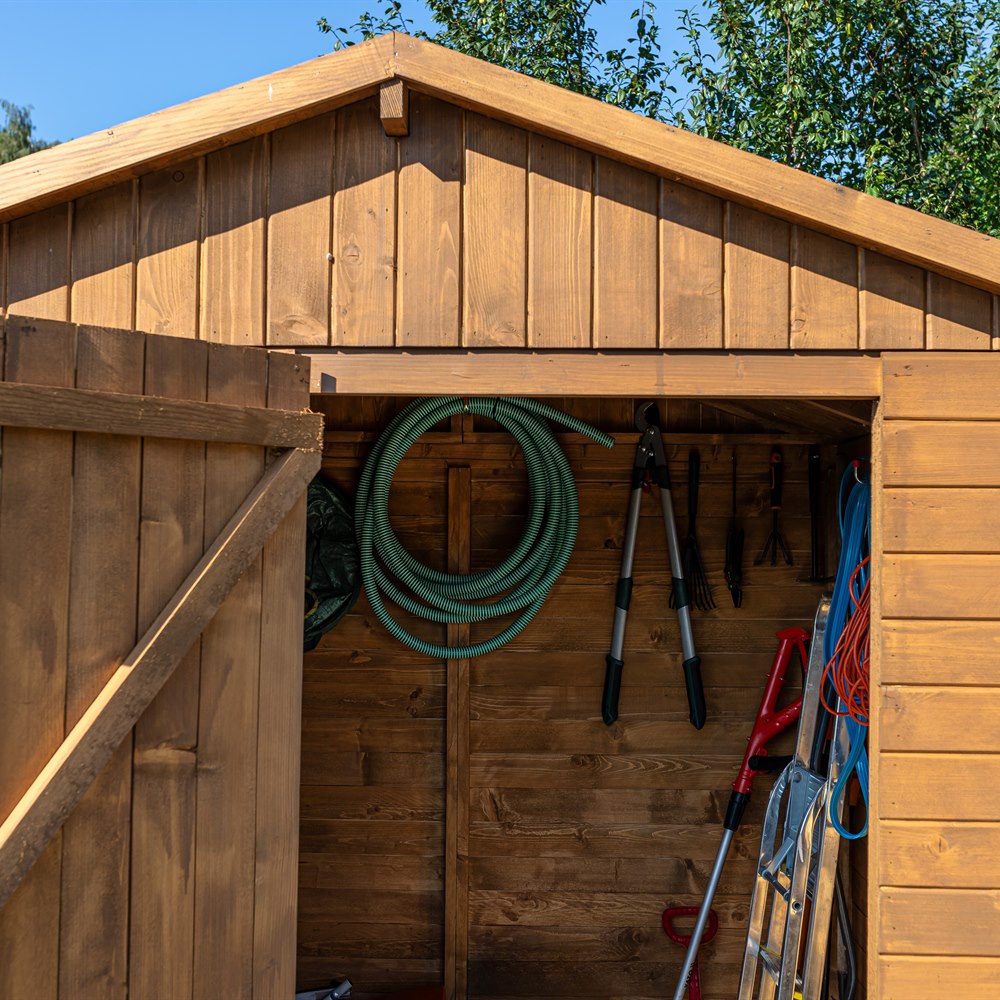
An 8×8-foot shed (64 sq ft): $800 to $2,500. A 10×12-foot shed (120 sq ft): $1,500 to $4,000. A 12×16-foot shed (192 sq ft): $2,500 to $6,000. A 16×24-foot shop (384 sq ft): $6,000 to $15,000. The usable size should account for the intended use: a shed that functions as pure storage can be smaller than one that provides workspace for a workbench and tools. (For more on this, see Shed Organization and Storage Ideas.)
Foundation Type
Plastic blocks or deck piers: $50 to $200 for materials, minimal labor. Appropriate for small, light prefab sheds. Gravel pad: $150 to $500 for a 10×12-foot area. More stable and better drainage. Concrete slab: $800 to $2,500 for a 10×12-foot slab. Required for workshops with heavy equipment. (For more on this, see Shed Foundation Options: Gravel, Concrete, and Piers.)
Material Quality and Functional Upgrades
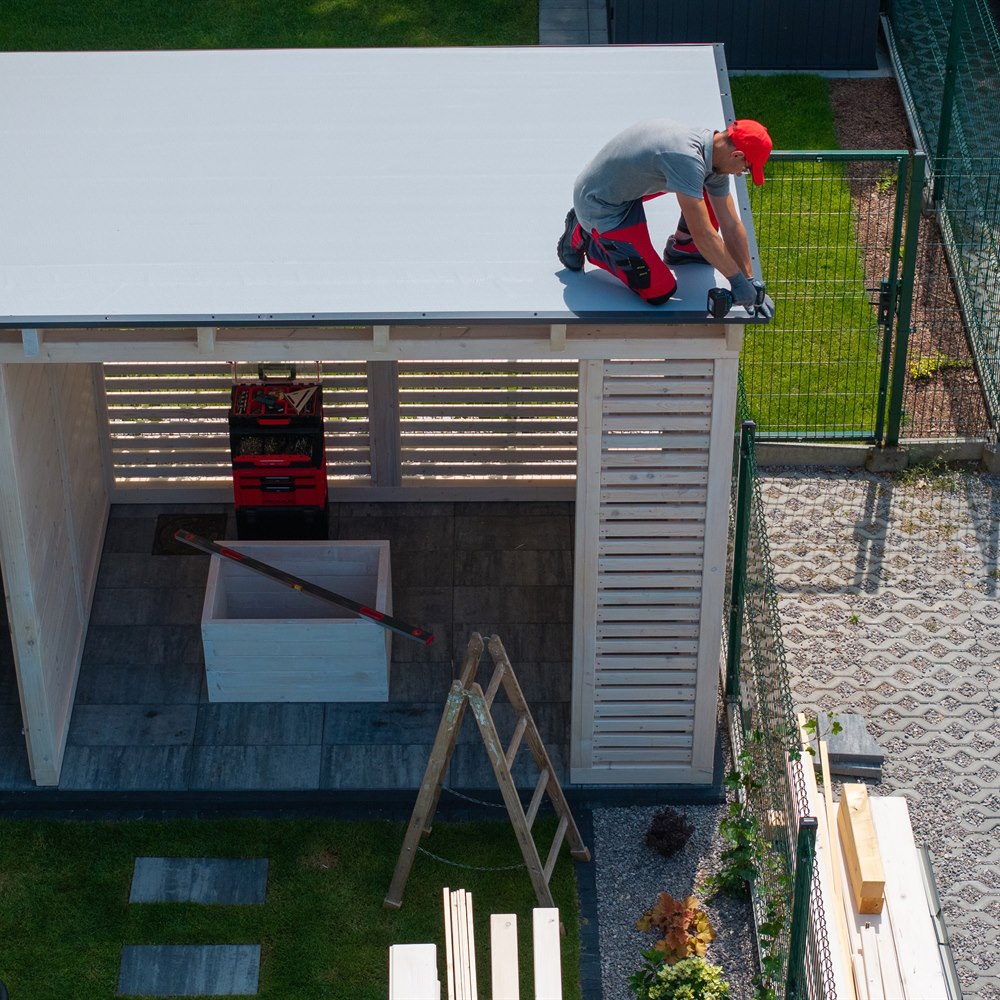
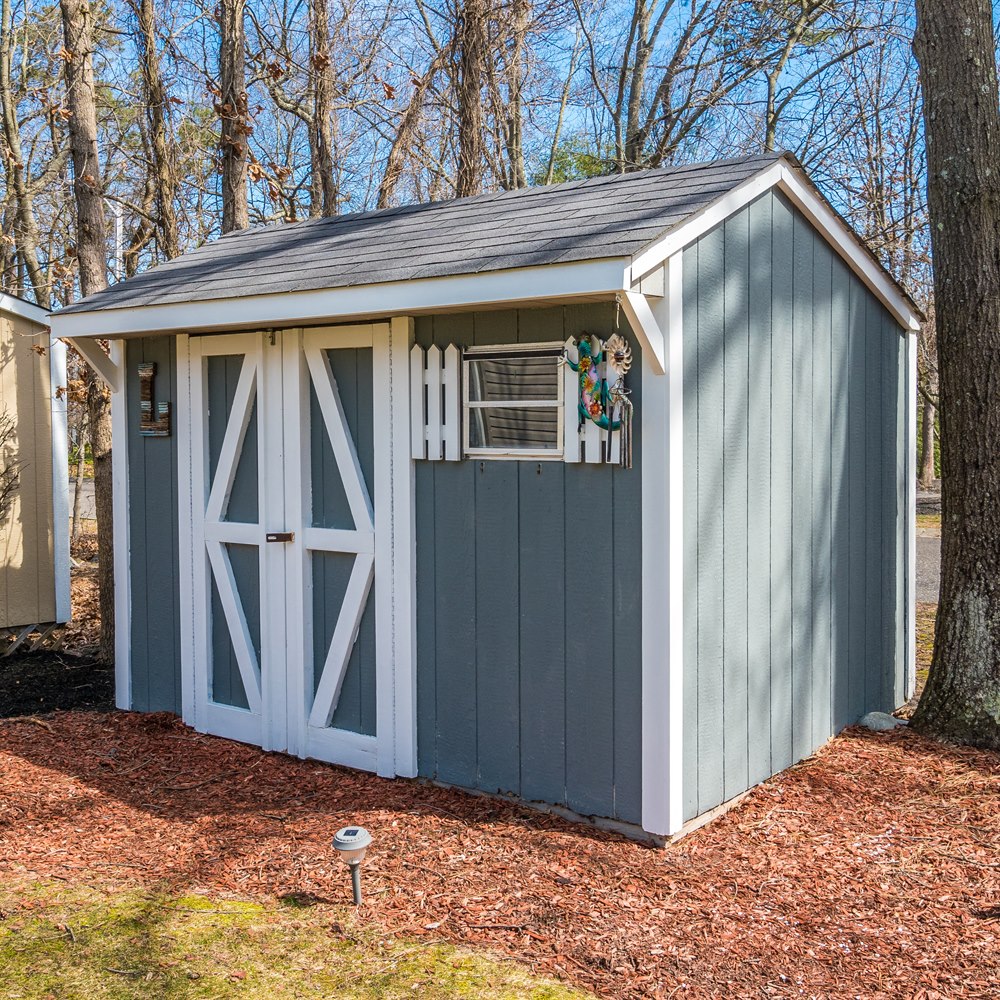
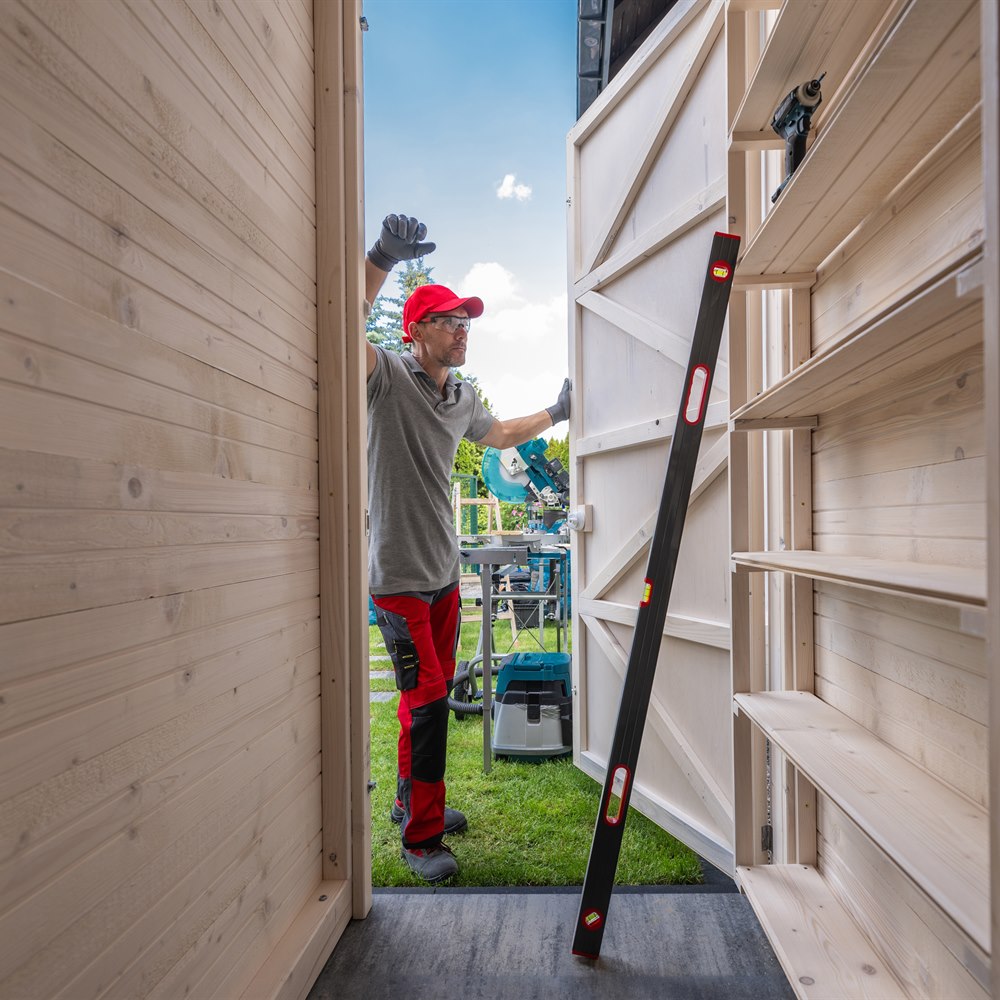
Entry-level prefab (thin metal or basic vinyl): $800 to $2,000 for the unit. Mid-range prefab (thicker vinyl, engineered wood siding, better hardware): $1,500 to $4,000. Premium site-built or delivered wooden shed: $3,000 to $8,000. Electrical subpanel installation: $800 to $2,500. Insulation (closed-cell spray foam or batt insulation): $500 to $2,000. HVAC (mini-split): $1,500 to $4,000. These functional upgrades transform a storage shed into a workshop or studio. Planning electrical and insulation during initial shed construction is significantly more cost-effective than adding them later. Running electrical conduit during framing adds $200 to $400 but eliminates the need to open finished walls later. Adding insulation during initial construction (batt insulation in 2×4 framing: $1 to $2 per square foot) costs far less than retrofitting into a completed shed. The incremental cost of building a functional workshop from the outset is typically $3,000 to $6,000 over a basic storage shed — and the resulting space is significantly more useful for the majority of the shed’s 20-plus year life.
Shed Cost at a Glance
| Cost Factor | Typical Range | Notes |
|---|---|---|
| Prefab storage shed | $1,500 to $4,000 — a kit or delivered unit | |
| Mid-range shed | $4,000 to $8,000 — larger or better-finished | |
| Custom shed or workshop | $8,000 to $15,000 | + — finished, wired, or insulated space |
| Overall range | $1,500 to $15,000 | +, averaging $5,000 for a mid-range installed shed |
Ranges here are national ballpark figures, not quotes. Actual pricing varies by region, home condition, materials, and contractor. How we source cost data.
Planning Your Project Budget
The cost ranges in this article are based on industry data and are intended as planning benchmarks, not fixed prices. The actual cost for your project depends on your specific home, your local labor market, the current price of materials, and the scope the contractor confirms after a site inspection.
Always get at least two written quotes on equivalent defined scope before committing to any home services project. Wide price variation between quotes usually reflects differences in material quality, scope completeness (what is included and what is not), or contractor overhead and experience level rather than simple price competition.
Use the cost data in this article to ask better questions during the quoting process: What material is included? What does that per-square-foot or per-linear-foot rate include and exclude? Are permits, cleanup, and disposal included? What is the warranty on labor? These questions turn a quote into a comparable basis for decision-making. (For more on this, see Questions to Ask Before Buying or Installing a Shed.)
Working With a Contractor on This Project
Getting the right outcome on any home services project starts before the work begins. A few consistent practices make the difference between a smooth project and a frustrating one.
Get at least two or three quotes. A single quote gives you no basis for comparison. Two or three quotes reveal the market rate for the work, expose scope differences between bidders, and let you assess contractor communication quality before any commitment is made. The lowest bid is not automatically the best value if the scope is thin or the materials are underspecified.
Ask for licenses and insurance before work starts. Verify current general liability insurance and, for any work involving workers on your property, workers compensation coverage. Licensing requirements vary by state and trade; confirm the specific requirements in your jurisdiction. A licensed contractor who carries appropriate insurance protects both parties if something goes wrong during the project.
Get the scope in writing. A written proposal that specifies materials, labor scope, timeline, what is included (permits, cleanup, disposal), and warranty terms is the foundation of a professional engagement. Verbal agreements on any of these points invite misunderstanding. For any project over $500, written scope is non-negotiable.
Clarify the payment schedule upfront. A reasonable payment schedule ties major payments to project milestones: a deposit at signing, a payment at material delivery or project start, and a final payment at completion after a walkthrough confirms satisfaction. A contractor who requires full payment upfront before work begins is a red flag in any trade.