What Drives Gazebo Costs?
Gazebo costs, from $1,500 to $12,000+, are driven by structure type, size, materials, and features. Here’s what moves the number most.
Structure Type: Kit vs. Built vs. Custom
The most fundamental cost variable is whether the structure is a prefabricated kit ($1,500 to $4,000), a purpose-built standard design ($4,000 to $8,000), or a fully custom-designed structure ($8,000 to $12,000+). Kits minimize design and fabrication cost by using pre-engineered components. Purpose-built structures provide more flexibility in size and design at higher construction cost. Custom structures maximize design freedom at the highest cost. The right tier depends on how specific your requirements are and how much the structure must integrate with your home’s architecture and yard.
Size and Footprint
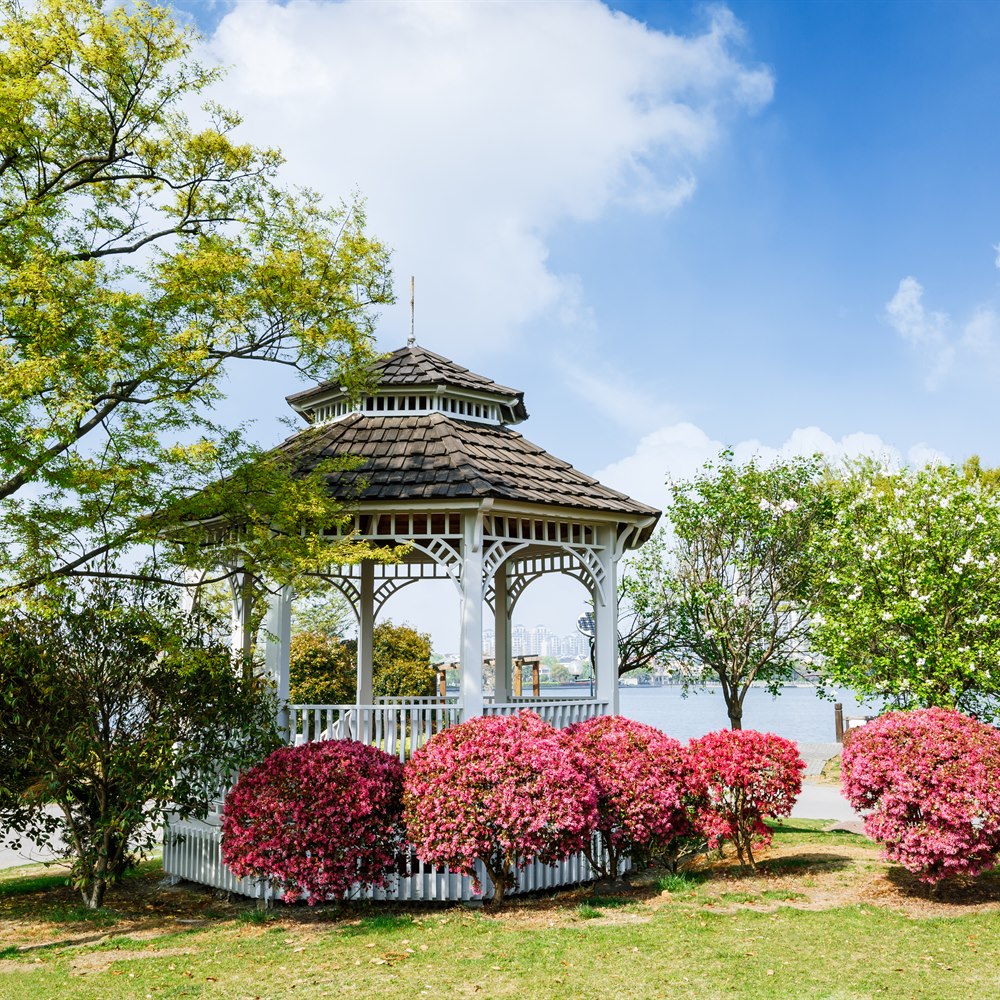
Within any structure type, size scales cost roughly linearly: a larger footprint requires more material and more labor. Octagonal gazebos are traditional but require more complex framing than rectangular structures. Very large footprints, structures exceeding typical residential scale, may require engineering and structural review. The intended use should drive the size: a gazebo for two people having coffee can be modest; one for outdoor dining and entertaining needs significantly more floor area. (For more on this, see Gazebo and Pergola Design: Planning Your Outdoor Structure.)
Roofing System
The roof is a major cost component of any built or custom gazebo. A simple shingled hip roof is the standard option. Metal roofing costs more but lasts longer with less maintenance. Copper and specialty roofing materials add significant premium. For pergolas rather than fully roofed gazebos, the open beam structure eliminates roofing cost but provides no weather protection. The choice between a full roof and a pergola-style structure is primarily about weather protection and appearance, with full roofs providing more year-round usability in most climates. (For more on this, see Gazebo vs. Pergola: Which Is Right for Your Yard?.)
Materials and Finish Quality
Material selection affects both cost and longevity. Cedar and redwood are naturally rot-resistant and take stain well; pressure-treated pine is lower cost but requires more careful finish to look good. Vinyl structures are low-maintenance but limited in style. Aluminum provides a modern look and is essentially maintenance-free. Custom stone or brick columns with wood superstructure represent the highest-cost material combination and the most permanent, architecturally integrated result.
Integrated Features and Electrical
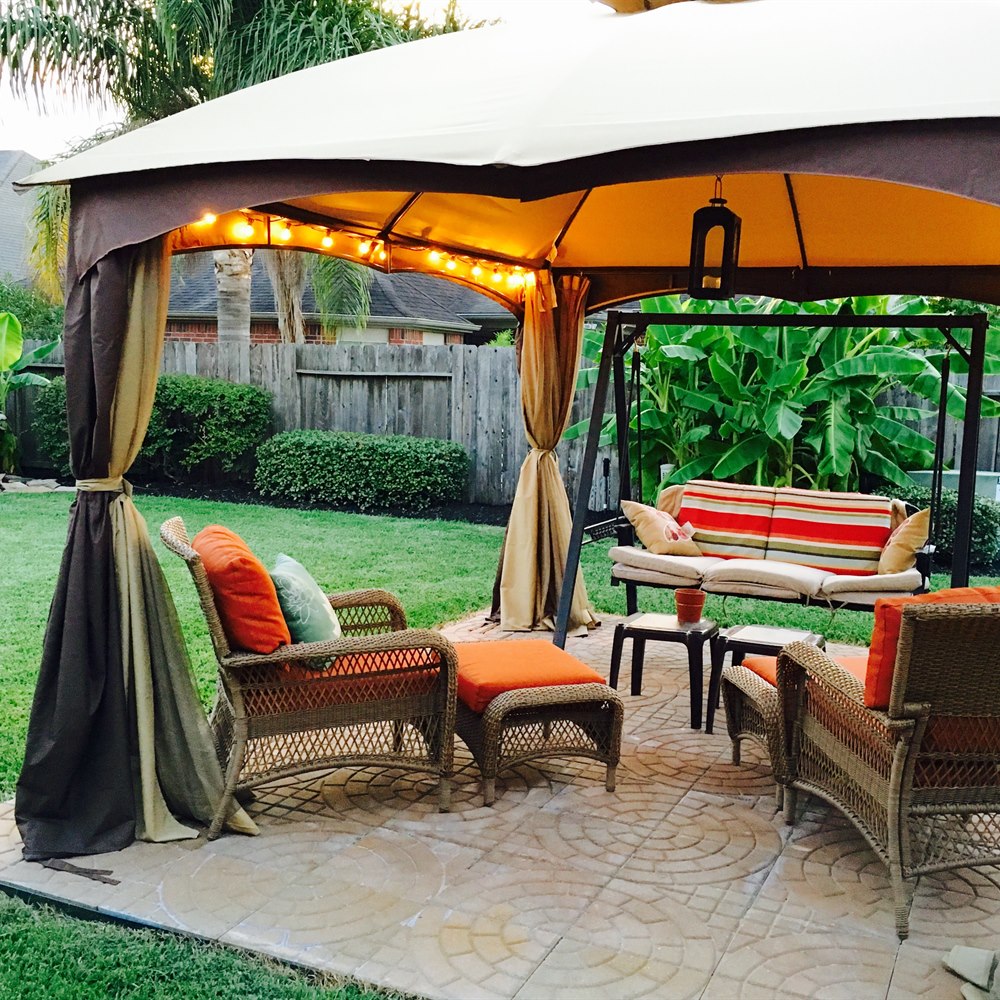
Ceiling fans, lighting, screening, built-in seating, outdoor heaters, and electrical rough-in each add to the structure cost and should be identified upfront. The most cost-effective time to include these is during initial construction, since retrofitting any of them after the structure is complete costs more for the same result.
How Attachment to the Home Changes the Cost
A gazebo or pavilion attached to the house, rather than freestanding, presents additional cost factors. The attachment point requires careful integration with the home’s existing roofline, flashing to prevent water intrusion, and typically a ledger board connection that must be engineered for the structural load. Electrical connection to the home’s panel is shorter and simpler for an attached structure. The permit process for attached structures is often more involved than for freestanding ones, since the attachment affects the structural integrity of the home itself. For homeowners considering an attached versus freestanding gazebo, the structural integration requirements, which are not merely cosmetic but load-bearing, add professional design cost and inspection requirements that a freestanding structure avoids, and the flashing and weatherproofing at the attachment point is the most failure-prone element if not done correctly. (For more on this, see How to Choose the Best Gazebo for Your Home.)
Site Conditions Are the Least Predictable Variable
Subsurface conditions are the one cost factor that cannot be fully estimated before construction begins. Rock, variable bearing capacity, buried debris, or root systems are unknowable without excavation. A contractor who includes a site-condition contingency is being transparent about this uncertainty. A homeowner who reserves 10 to 15 percent in their own budget is prepared for this variable regardless of how the contractor prices it.
Getting an Accurate Price
Structure type, size, roofing, materials, and features all drive the number significantly. Accurate pricing requires a site visit and a defined project scope. When you’re ready for an estimate, connect with a local pro below.
Getting bids that itemize scope rather than providing a single number makes cost drivers visible and allows you to make informed trade-offs, such as choosing a smaller footprint to accommodate electrical, or selecting cedar over pine for a structure expected to last a decade.
The combination of structure type, size, material, features, and site conditions makes gazebo pricing genuinely project-specific, which is why the $1,500 to $12,000 range is accurate across projects while being nearly useless for any individual project without a site assessment and defined scope.
These are the cost realities that experienced gazebo owners consistently wish they had understood before the project started rather than after it was complete.
Ranges here are national ballpark figures, not quotes. Actual pricing varies by region, home condition, materials, and contractor. How we source cost data.
Frequently Asked Questions
Structure type: kit ($1,500-$4,000), purpose-built ($4,000-$8,000), or custom ($8,000-$12,000+). Within any tier, size, roofing system, material quality, and integrated features (electrical, screening, ceiling fans) are the next most significant variables.
Significantly. A shingled hip roof is standard. Metal roofing costs more but lasts longer. Pergola-style open beam structures eliminate roofing cost but provide no weather protection. For year-round usability in most climates, a full roofed gazebo is worth the additional cost over an open pergola.
Cedar and redwood are rot-resistant and take stain well, representing good value at mid-range cost. Pressure-treated pine is lower cost but requires more careful finish to look good. Vinyl is low-maintenance but style-limited. Aluminum is maintenance-free and modern. Custom stone or brick columns represent the highest cost and most permanent result.
During initial construction, since retrofitting them after the structure is complete costs more for the same result. Identifying desired features before signing the contract keeps the project on budget and ensures infrastructure (conduit runs, blocking for fan mounting) is included in the structure design.
Roughly yes within a material type. Larger footprints require more material and labor proportionally. Octagonal structures require more complex framing than rectangular. Very large footprints may require engineering review. The intended use should drive size: entertaining for eight requires significantly more floor area than a space for two.