
How Long Does Epoxy Flooring Installation Take?
Most residential epoxy flooring projects take 1 to 3 days, including cure time before vehicle use. The coating work itself is usually 1 to 2 days; the rest is waiting for the floor to harden enough to park on. Here is what to expect.
Day 1: Surface Preparation
Preparation is the step that determines whether the coating lasts, and it typically fills day one. Diamond grinding or shot blasting opens the concrete surface so the coating can bond. Cracks and damaged areas are repaired. The floor is then vacuumed and cleaned thoroughly. For standard epoxy, the slab must be completely clean and dry before coating, which usually means preparation on day one and coating on day two. Polyurea and polyaspartic systems cure fast enough that preparation and coating sometimes happen the same day. (For more on this, see Epoxy vs. Polyurea vs. Polyaspartic Flooring: Which Is Best?.)
Day 2: Coating Application
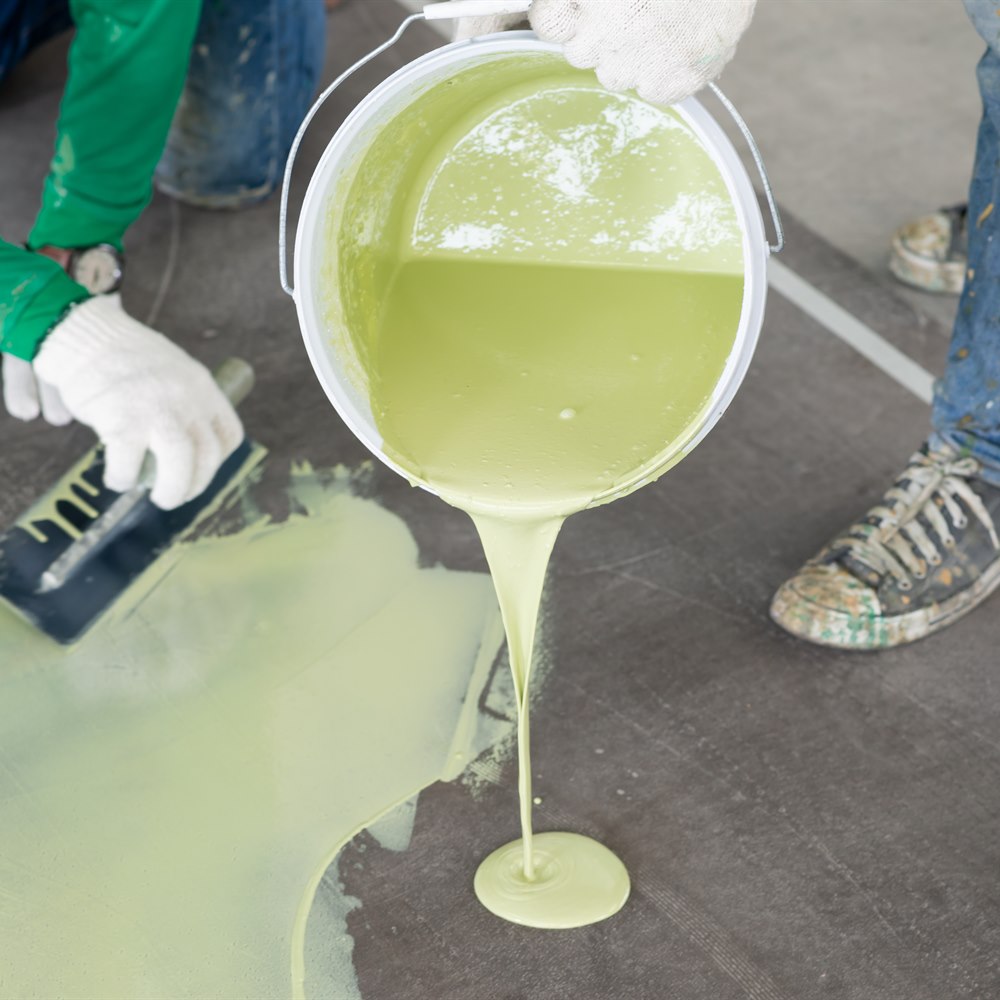
Coating day involves applying the primer (if the system includes one), the basecoat, broadcasting decorative flakes on chip systems, and finally the topcoat. With standard epoxy, each coat needs cure time before the next goes down, which often means an overnight wait between coats. With polyurea and polyaspartic systems, the inter-coat cure is fast enough to apply every coat in a single day.
Cure Time Before You Can Use the Floor
Foot traffic is typically acceptable 24 hours after the final coat. Vehicle traffic should wait 72 hours minimum, and 5 to 7 days is the recommendation for full cure before regular parking. The surface looks and feels dry well before it is fully cured, so avoid dragging objects across it or walking on it in high heels until the full cure period is complete.
| Use | Standard epoxy | Polyurea or polyaspartic |
|---|---|---|
| Light foot traffic | 24 hours after final coat | Same evening |
| Vehicle traffic | 72 hours minimum | 24 to 48 hours |
| Full cure, regular parking | 5 to 7 days | Following day |
One-Day Systems
Many professional garage floor coating companies offer one-day systems built on fast-curing polyurea or polyaspartic chemistry. These complete preparation and every coat in a single day, allow light foot traffic the same evening, and typically return vehicle access the following day. One-day systems are marketed as a convenience advantage, and the chemistry is genuinely suited to the accelerated timeline rather than being a shortcut that compromises quality. If keeping the garage out of service for less than a week is the priority, this is the system to ask about.
Conditions That Affect the Schedule
Weather matters even on an interior floor. Standard epoxy requires the floor surface above 55 degrees F and humidity below 85 percent for a proper cure. Cold or humid conditions slow curing and reduce adhesion, and a professional contractor will monitor those conditions and delay application rather than coat a floor that will not bond. Polyurea and polyaspartic systems are less sensitive to temperature and humidity than standard epoxy, which is part of why they hold to a one-day schedule in shoulder seasons. (For more on this, see Questions to Ask an Epoxy Flooring Contractor.)
The other common schedule extender is the condition of the slab itself. Cracks, pitting, or previous coating that has to come off add preparation time before any new material goes down.
Planning Around the Downtime
Remove all vehicles and stored items from the garage before the crew arrives. Nothing can sit on the floor during preparation or cure, and moving a full garage is often the homeowner’s largest time commitment on the project. For standard epoxy, plan to keep the vehicle out for 2 to 3 days. For a one-day polyurea system, the vehicle is usually back in the following day. (For more on this, see Epoxy vs. Polyurea vs. Tile Garage Flooring: Which Is Right?.)
Schedule the project for a stretch when parking elsewhere is convenient. This is the same planning question that comes up with a driveway installation, which requires seven to ten days before vehicle traffic and needs even more lead time.
Before the project begins, confirm the expected start date, the number of work days required, the specific curing period before use, and how the contractor will communicate if material delivery or conditions affect the schedule. A contractor who sets those expectations up front and updates you proactively is easier to work with than one who leaves you chasing status.
What to Confirm Before You Book
Timeline is one of four things worth pinning down in writing before a coating crew is scheduled.
- The system by name. Standard epoxy, polyurea, and polyaspartic carry different cure schedules and different prices. Know which one the quote covers.
- The preparation method. Diamond grinding or shot blasting, plus how cracks and damaged areas will be repaired before coating.
- Equivalent quotes. Gather site-visit quotes from more than one contractor on the same defined scope, so you are comparing the same system and the same preparation rather than two different projects.
- The warranty. Ask what it covers, how long it runs, and who honors it, then confirm the contractor’s credentials and references before committing.
It also helps to know your own priority order before the conversation starts. If the shortest possible garage downtime matters most, a one-day polyaspartic system answers that. If upfront cost dominates, standard epoxy on a two-day schedule usually costs less. Deciding which of those matters more before you are mid-negotiation produces a better result than working it out on the spot.
Frequently Asked Questions
1 to 3 days including cure time. Day 1 is surface preparation and day 2 is coating application, followed by 24 hours before foot traffic and 72 hours to 7 days before regular vehicle parking for standard epoxy. Polyurea and polyaspartic one-day systems complete in a single day with vehicle access the following day.
Typically 24 hours after the final coat for light foot traffic. The surface appears dry before it is fully cured, so avoid dragging objects or wearing high heels on fresh epoxy until the full cure period of 72 hours to 7 days is complete.
72 hours minimum for standard epoxy, with 5 to 7 days recommended for full cure before regular vehicle parking. Polyurea and polyaspartic systems cure faster, sometimes allowing vehicle traffic within 24 to 48 hours.
A complete floor preparation and coating system finished in a single day using fast-curing polyurea or polyaspartic chemistry. These systems allow light foot traffic the same evening and vehicle access the following day, and the chemistry is suited to the accelerated timeline rather than being a shortcut that compromises quality.
Yes. Standard epoxy requires the floor surface above 55 degrees F and humidity below 85 percent for proper cure, and cold or humid conditions slow curing and reduce adhesion. Polyurea and polyaspartic systems are less sensitive to temperature and humidity.
Yes. Remove all vehicles and stored items before the project begins, since nothing can sit on the floor during preparation or curing. Moving out a full garage is often the largest time commitment the homeowner has on the project.
Plan on 2 to 3 days without the vehicle for standard epoxy, counting the 1 to 2 days of work plus cure time. With a one-day polyurea or polyaspartic system, the vehicle is typically back in the garage the following day.