
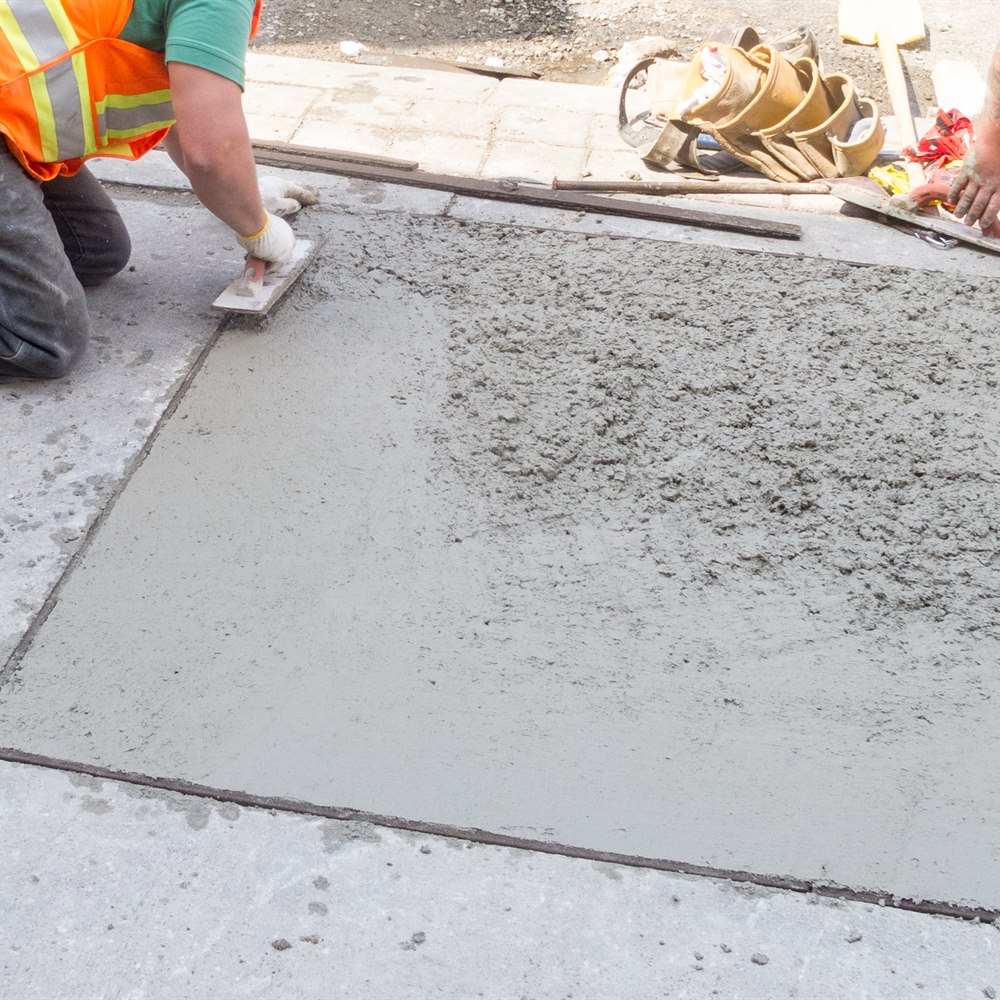
How Long Does Driveway Repair Take?
Most residential driveway repairs take a few hours to 2 days, depending on the repair type, the driveway size, and the curing requirements of the material. The work itself is often shorter than the wait before you can park on it again. Here is what to expect by repair type.
| Repair type | Time on site | Before vehicle traffic |
|---|---|---|
| Crack and edge filling | 1 to 3 hours | 24 hours |
| Asphalt patching | 2 to 6 hours | 24 hours |
| Concrete patching | A few hours | 24 to 72 hours |
| Asphalt resurfacing | 1 to 2 days | 24 to 48 hours |
| Mudjacking or foam injection | 1 to 4 hours | Hours to 24 hours |
Crack and Edge Filling: 1 to 3 Hours
Professional crack sealing and edge repair on an asphalt driveway is a single service call that completes in 1 to 3 hours. The contractor routes and cleans the cracks, applies crack filler or hot-pour sealant, and squeegees it flush. Hot-pour filler sets quickly; cold-pour filler takes longer to cure. The repaired cracks handle foot traffic within a few hours and vehicle traffic within 24 hours. Most crack repair projects are finished in a single morning or afternoon visit, which makes this the fastest and most cost-effective driveway maintenance service available. (For more on this, see DIY Driveway Repair: What You Can Do Yourself.)
Patching: 2 to 6 Hours
Asphalt patching means saw-cutting out the damaged section, removing the old material, compacting the base, and installing new hot mix. A standard patch area takes 2 to 4 hours. Larger patches, or several separate areas on the same driveway, extend the job to 4 to 6 hours. Asphalt patches handle light vehicle traffic within 24 hours. Concrete patching takes longer overall because of cure time: the patch itself may go in within a few hours, but the concrete must cure 24 to 72 hours before you drive on it. (For more on this, see Asphalt Driveway Resurfacing: What to Expect.)
Resurfacing: 1 to 2 Days
Resurfacing involves surface preparation (milling, cleaning, crack filling, edge repair, or a tack coat), then application of the overlay and compaction. On a larger driveway, preparation takes day one and the resurfacing material goes down on day two. On smaller driveways, or where preparation is minimal, many contractors complete a standard two-car driveway in 1 day. A freshly resurfaced asphalt driveway needs 24 to 48 hours of cure before vehicle traffic. Concrete resurfacing is a one-day application with a longer wait afterward: plan on a minimum of 24 to 72 hours, and note that some overlay systems call for a full 7 days before vehicle traffic. Confirm the specific figure with your contractor before the crew leaves. (For more on this, see How Much Does Driveway Repair Cost?.)
Mudjacking and Slab Lifting: 1 to 4 Hours
Mudjacking and polyurethane foam injection are among the fastest driveway repairs. The contractor drills small injection holes, injects the material until the slab rises back to level, then patches the holes. A small area of sunken concrete covering a few slabs takes 1 to 2 hours. Larger areas with many slabs take 3 to 4 hours, and an extensive job can fill a full day. Lifted slabs take foot traffic immediately. For vehicle traffic, polyurethane foam is typically usable within hours because it cures rapidly, while traditional mudjacking grout usually needs 24 hours.
What Extends the Timeline
Four factors account for most schedule overruns on driveway repair.
- Preparation depth. Extensive crack and edge repair before resurfacing can turn a one-day job into a two-day job.
- Weather. Asphalt crack filling, patching, and resurfacing cannot proceed in active rain. Water in the crack or on the surface prevents adhesion and proper bonding.
- Temperature. Cold weather significantly extends the cure time for both asphalt and concrete materials. Crack filling needs dry conditions above freezing.
- Slab count. On a leveling job, the number of sunken slabs drives the hour count more than anything else.
Planning Around Driveway Downtime
The install window is rarely the constraint; the cure window is. Arrange alternative parking before the crew arrives and confirm the exact date you can drive on the surface again. Repairs are forgiving here compared with a full replacement, which requires 7 to 10 days before vehicle traffic, so most homeowners can absorb a repair with one or two days of street parking.
Before the project begins, confirm the expected start date, the number of work days required, the curing period before use, and how the contractor will notify you if rain or material delivery pushes the schedule. A contractor who sets those expectations up front and communicates proactively about changes is easier to work with than one who leaves you chasing status. In hot weather, avoid parking in the same spot for extended periods during the first summer after resurfacing, which prevents tire impressions in fresh asphalt.
Getting the Repair Scheduled Right
Get at least two or three quotes from licensed, insured local contractors. A single quote gives you no basis for comparison; two or three reveal the market rate, expose scope differences between bidders, and let you assess communication quality before you commit. Verify current general liability insurance and workers compensation coverage before work starts.
Get the scope in writing: materials, labor scope, timeline, what is included (permits, cleanup, disposal), and warranty terms. For any project over $500, written scope is non-negotiable. Tie payments to milestones, with a deposit at signing, a payment at material delivery or start, and the balance at completion after a walkthrough. A contractor who demands full payment before work begins is a red flag in any trade.
Ranges here are national ballpark figures, not quotes. Actual pricing varies by region, home condition, materials, and contractor. How we source cost data.
Frequently Asked Questions
A few hours to 2 days depending on the repair. Crack filling and edge repair take a few hours, resurfacing takes 1 to 2 days plus 24 to 48 hours of curing before vehicle use, and mudjacking takes a few hours to 1 day with the driveway usable within hours to 24 hours.
1 to 3 hours for a professional service call covering a standard driveway. The repaired cracks are ready for foot traffic within a few hours and vehicle traffic within 24 hours. This is the most time-efficient driveway maintenance service available.
2 to 4 hours for a standard asphalt patch, and 4 to 6 hours for larger patches or several separate areas. Asphalt patches handle light vehicle traffic within 24 hours, while concrete patches must cure 24 to 72 hours first.
1 day for application on a standard two-car driveway, or 2 days when extensive surface preparation is needed first. Concrete resurfacing is also a one-day application but requires a much longer cure before vehicle traffic.
24 to 48 hours. The fresh layer needs that time to cool and harden. In hot weather, avoid parking in the same spot for extended periods during the first summer to prevent impressions in fresh asphalt.
1 to 4 hours depending on the number of sunken slabs, with 1 to 2 hours typical for a few slabs and 3 to 4 hours for larger areas. Lifted slabs take foot traffic immediately, vehicle traffic within hours for polyurethane foam and within 24 hours for traditional mudjacking grout.
No for asphalt work. Water in the crack or on the surface prevents adhesion, so crack filling, patching, and resurfacing all require dry conditions above freezing. Mudjacking is more tolerant since the slurry is injected into voids beneath the slab, but dry weather is still preferred.
Crack filling properly done lasts 3 to 5 years, resurfacing lasts 8 to 15 years with appropriate maintenance, and mudjacking lasts indefinitely when the underlying soil erosion is also addressed. Repairs that do not address the underlying cause recur faster than these ranges.