Furnace Repair
Reliable Heat When You Need It Most
A furnace that quits in the dead of winter is more than uncomfortable, it can be dangerous in a cold snap. Most furnace problems, from a faulty igniter to a bad control board, are a manageable repair when addressed early.
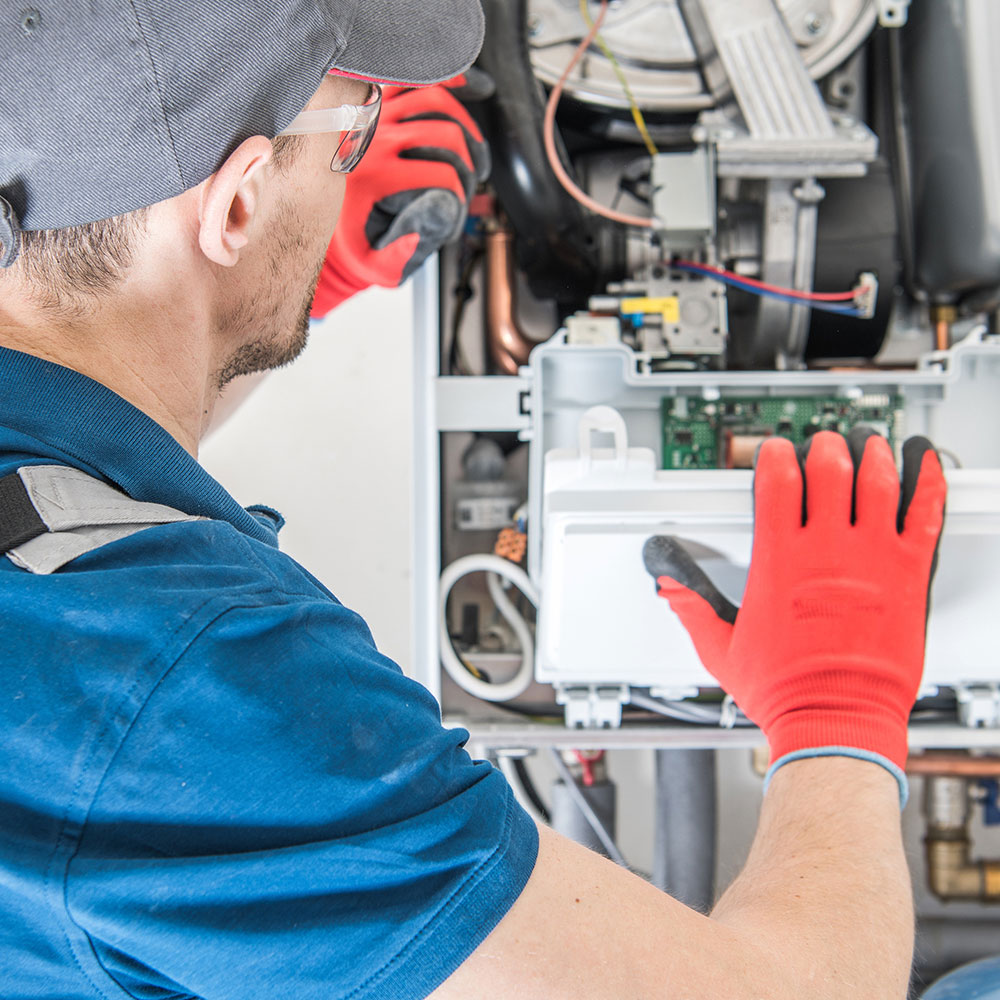
A good HVAC tech diagnoses the issue accurately and, just as important, checks for safety concerns like a cracked heat exchanger that can leak carbon monoxide. They'll give you an honest repair-or-replace read on an aging unit.
Abode connects you with local HVAC pros. Compare specialists, understand the cost, and keep your home warm and safe.

Did You Know?
A cracked heat exchanger can leak carbon monoxide into your home, which is why an annual furnace check is a safety measure, not just a comfort one.
Furnace Repair Cost. How Much Do Projects Cost?
Most projects run between $150 and $2,500. The average price is typically around $450.
| Cost Factor | Typical Range | Notes |
|---|---|---|
| Diagnostic or service call | $75-$200 | Often credited toward the repair if you proceed |
| Common repairs (igniter, flame sensor, blower motor) | $150-$700 | The most frequent furnace fixes |
| Major component (heat exchanger, control board) | $1,000-$2,500 | The most expensive repairs, where replacement may be worth weighing |
Typical duration: 1 to 4 hours
Last reviewed: 03/08/2026
Signs You Need Furnace Repair
- No heat or weak, uneven heat
- The furnace short-cycling on and off
- Strange noises when running
- A yellow instead of blue burner flame
- A carbon monoxide detector alert
Is It Right For You?
Who It's For
- Homeowners with a malfunctioning furnace
- Anyone facing no heat or a safety concern
Who It's Not For
- A tripped breaker or dirty filter a homeowner can address
- Old units better served by replacement
What to Watch Out For
On an old furnace, a big fix may not pay off
A cracked heat exchanger often means a new unit
Alternatives to Consider
| Alternative | Better When | Worse When |
|---|---|---|
| Filter and thermostat checks | Free DIY first steps | Won't fix mechanical or safety issues |
| Full replacement | Best for old, unsafe units | Higher upfront cost than a repair |
Is It Worth It?
For a furnace that isn't near the end of its life and is safe to run, repair is usually worth it, restoring heat for far less than replacement.
Questions to Ask Your Pro
- Is my furnace safe to keep running?
- Is the diagnostic fee credited toward the repair?
- At its age, is repair or replacement the better value?
Frequently Asked Questions
Most furnace repairs run $150 to $700 for common issues, while major components like a heat exchanger or control board can reach $1,000 to $2,500.
Frequent issues include a faulty igniter or flame sensor, a failed blower motor, a clogged filter, and thermostat problems.
Yes, most techs charge a $75 to $200 service fee to diagnose the issue, often credited toward the repair if you proceed.
If your furnace is over 15 years old or the repair approaches replacement cost, or if there's a safety issue, replacement is often smarter.
A cracked heat exchanger can leak carbon monoxide into your home, which is a safety hazard that usually calls for replacement.