Leak Detection
Pinpoint Hidden Leaks Before They Spread
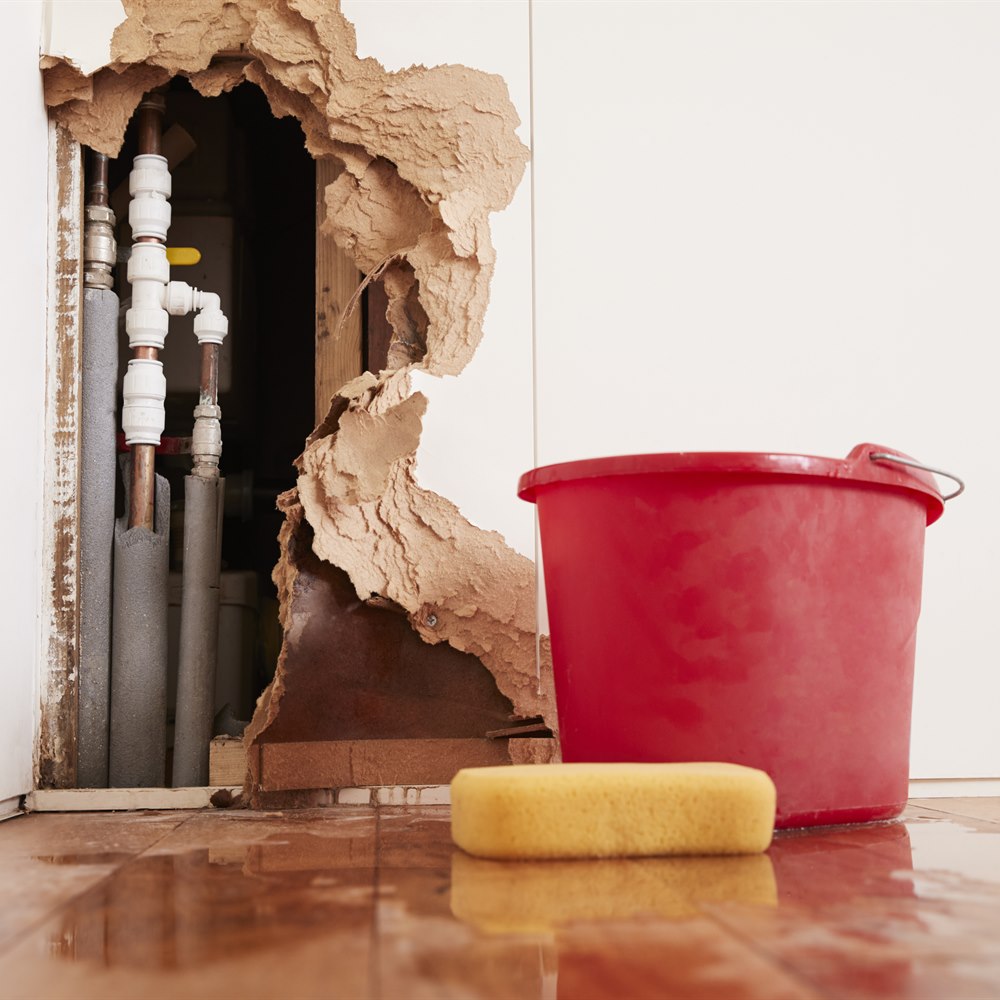
A hidden leak can run for months behind a wall or under a slab before you ever see a stain, quietly driving up your water bill and feeding mold and rot the whole time. Leak detection finds the source without tearing your home apart guessing.
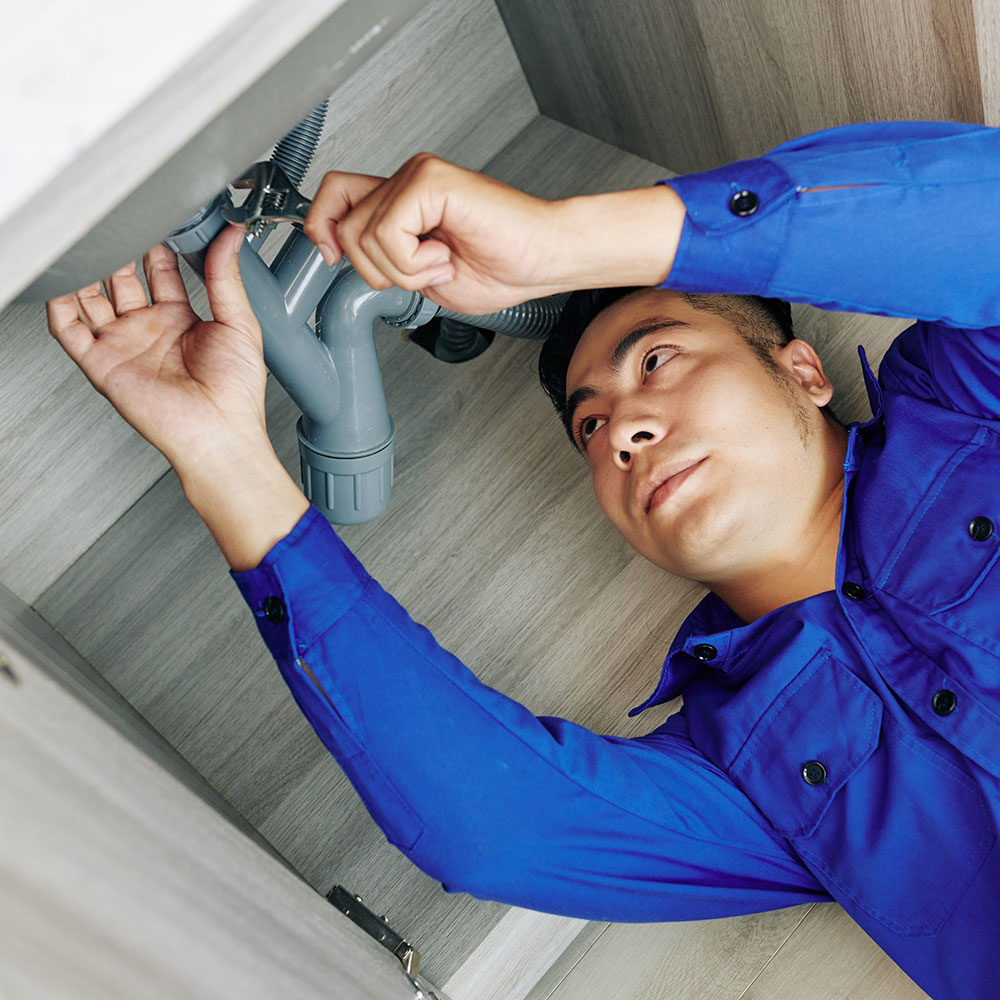
Professionals use acoustic listening equipment, infrared cameras, and pressure testing to locate a leak precisely, so the repair that follows is targeted instead of exploratory. That precision is what saves you money on both the fix and the water damage you avoid.
Abode connects you with local leak detection pros who find the problem fast and explain what they found. Compare specialists, understand the cost, and stop a small leak before it becomes a big one.

Did You Know?
A hidden leak can waste thousands of gallons of water a year and cause structural damage long before you ever spot a visible sign.
Leak Detection Cost. How Much Do Projects Cost?
Most projects run between $150 and $600. The average price is typically around $300. These figures are for detection only: a standalone flat-fee diagnostic visit that locates the leak, quoted before the work starts. The repair is priced separately once the plumber knows what is behind the wall or under the slab, though many credit the detection fee toward the repair if you book both on the same visit, and nothing prices below $150 because that is the floor for putting a technician on site.
Typical duration: 1 to 3 hours
| Cost Factor | Typical Range | Notes |
|---|---|---|
| Visual inspection | $150-$275 | The cheapest posted tier, a standard check of accessible areas; when it is folded into a service call it is not billed separately at all |
| Acoustic detection | $150-$400 | Listening equipment to pinpoint leaks inside walls and floors |
| Infrared thermography | $300-$600 | Thermal imaging and slab-locate equipment for the hardest-to-find hidden leaks |
Cost data verified August 26, 2026. How we source cost data.
08/26/2026
Signs You Need Leak Detection
- Unexplained spike in your water bill
- Sound of running water when everything is off
- Warm or damp spots on floors
- Mold, mildew, or a musty smell with no obvious source
Is It Right For You?
Who It's For
- Homeowners with a high water bill and no visible leak
- Anyone who suspects a leak behind a wall, under a floor, or underground
Who It's Not For
- Obvious, visible leaks that a plumber can go straight to repairing
- Emergencies like a burst pipe that need immediate shutoff and repair
What to Watch Out For
The detection fee locates the leak; fixing it is an additional cost
Infrared and acoustic work best when areas are reachable and quiet
Alternatives to Consider
| Alternative | Better When | Worse When |
|---|---|---|
| DIY water-meter test | Can confirm a leak exists by watching the meter with all water off | Won't tell you where the leak is |
| Wait and watch | Tempting for a slow leak but risky | Hidden water damage compounds the longer it runs |
Is It Worth It?
When your water bill jumps with no visible cause, professional detection almost always pays for itself by preventing far costlier water damage.
Questions to Ask Your Pro
- Does the detection fee apply toward the cost of the repair?
- Which detection methods do you use, and why?
- Will you provide a written report of what you find?
Frequently Asked Questions
Detection runs $150 to $600 as a standalone visit, averaging around $300: roughly $150 to $275 for a standard inspection, $150 to $400 for acoustic listening, and $300 to $600 for infrared or slab-leak work. That is the price to find the leak, not to fix it.
Pros use acoustic listening equipment, infrared thermography, and pressure testing, each suited to different leak types and locations.
Price depends on the type of leak, its location, and the method needed, since accessible surface leaks are far cheaper to find than hidden or underground ones. Most plumbers quote a flat rate for the visit before starting, and no method prices below the $150 minimum.
Yes when you suspect a hidden leak, since early detection prevents mold, structural damage, and inflated water bills that cost far more than the service.
Usually not. The fee covers locating the leak, and the repair is quoted separately once the source is confirmed, though many plumbers credit the detection fee toward the repair if you hire them to fix it on the same visit.