The Best Home Flooring Options to Fit Your Budget
Updating your flooring can transform your space, but understanding the cost can help you make informed decisions. Laminate flooring is a popular choice among homeowners due to its affordability and aesthetic appeal. In this comprehensive guide, we will break down the various factors that influence the cost of laminate flooring, providing you with valuable insights and practical tips to help you budget effectively.
Updating your flooring can transform your space, but understanding the cost can help you make informed decisions. Laminate flooring is a popular choice among homeowners due to its affordability and aesthetic appeal. In this comprehensive guide, we will break down the various factors that influence the cost of laminate flooring, providing you with valuable insights and practical tips to help you budget effectively.
What Influences the Cost of Laminate Flooring?
Several factors play a role in determining the overall cost of laminate flooring. From the type of laminate you choose to the installation process, understanding these elements can help you plan your budget wisely.
Type and Quality of Laminate
The first factor to consider is the type and quality of laminate you choose. Laminate flooring comes in various grades, each offering different levels of durability and appearance. High-quality laminates tend to be more expensive but offer better longevity and a more authentic look. On average, laminate flooring costs between $1 to $5 per square foot, depending on the quality.
Underlayment Costs
Underlayment is an essential component of laminate flooring, providing a smooth surface for installation and offering soundproofing and insulation benefits. The cost of underlayment varies, typically ranging from $0.30 to $0.60 per square foot. While some laminate flooring options come with pre-attached underlayment, others require a separate purchase.
Installation Expenses
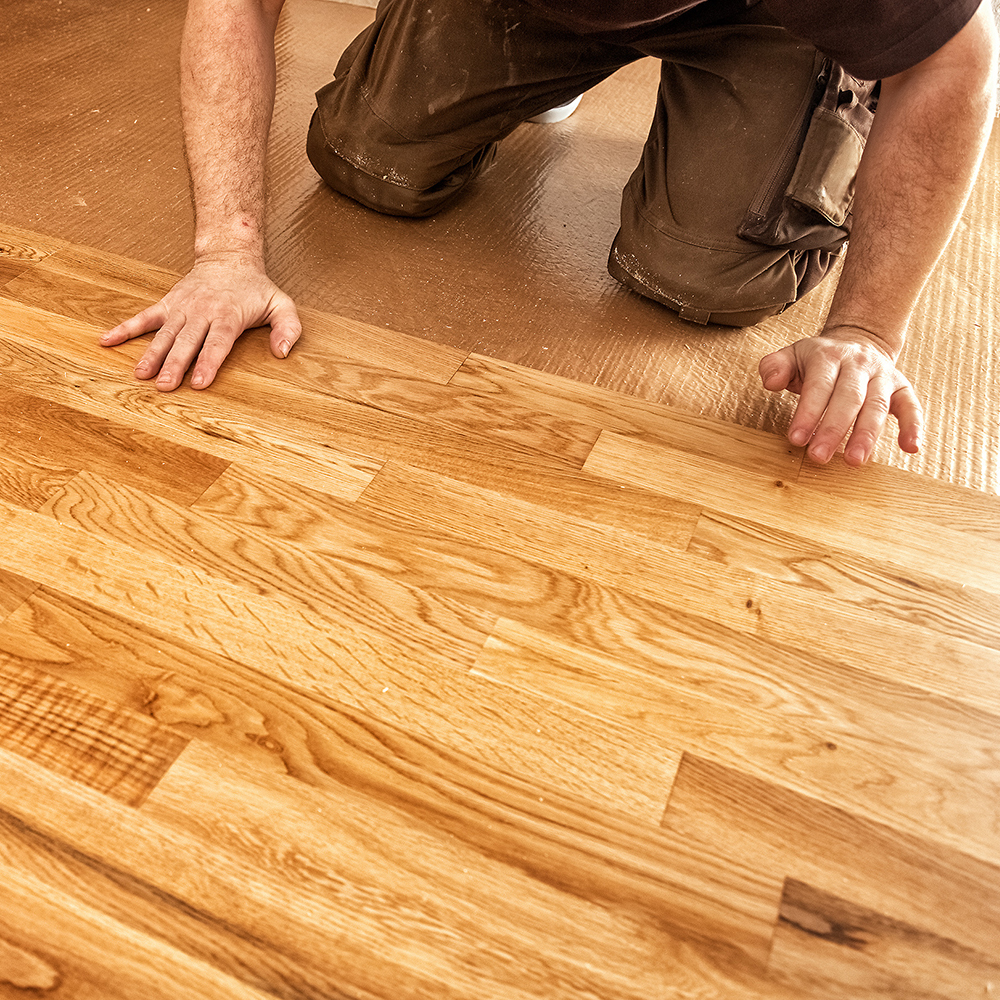
Professional installation is a significant cost factor for laminate flooring. DIY installation can save money, but hiring professionals ensures a flawless finish and can save time and potential hassle. Professional installation costs generally range from $2 to $8 per square foot, including labor and additional materials.
Additional Costs to Consider
Beyond the essential components, several additional costs may arise during your laminate flooring project. Being aware of these can help you avoid any unexpected expenses.
Removal and Disposal of Old Flooring
If you are replacing existing flooring, you will need to account for the cost of removal and disposal of the old material. This can add an extra $1 to $3 per square foot to your overall budget. Some professional installers include this service in their fees, so it’s worth inquiring about.
Subfloor Preparation
Ensuring a level and clean subfloor is crucial for a successful laminate flooring installation. If your subfloor requires significant preparation or repairs, this could add to your total cost. Subfloor preparation costs can range from $1 to $3 per square foot, depending on the extent of the work needed.
Trim and Moldings
Finishing touches like trim and moldings are essential for a polished look. These pieces cover gaps between the flooring and walls, providing a seamless transition. The cost for trim and moldings typically ranges from $2 to $5 per linear foot, depending on the style and material.
Regional Price Variations
Geographical location can also influence the cost of laminate flooring. Prices for materials and labor can vary significantly between urban and rural areas. It’s advisable to get quotes from multiple local suppliers and contractors to ensure you are getting the best deal for your region.
DIY vs. Professional Installation
Deciding between DIY and professional installation depends on your budget and skill level. While DIY can save money upfront, it requires time, effort, and a certain degree of expertise. Professional installation, though more expensive, guarantees quality results and can be more time-efficient.
Benefits of DIY Installation
- Cost Savings: The most significant advantage of DIY installation is saving on labor costs.
- Flexibility: You can work at your own pace and schedule the project around your availability.
- Personal Satisfaction: Completing a DIY project can be highly rewarding and satisfying.
Advantages of Professional Installation
- Expertise: Professionals have the experience and skills to handle any challenges that may arise during installation.
- Time Efficiency: Hiring professionals can significantly reduce the time required to complete the project.
- Quality Assurance: Professional installers can ensure a high-quality finish and may offer warranties on their work.
Tips for Saving on Laminate Flooring Costs
Saving on laminate flooring costs doesn’t mean compromising on quality. Here are some practical tips to help you get the best value for your investment.
Shop During Sales
Many retailers offer significant discounts during seasonal sales or special promotions. Timing your purchase to coincide with these events can result in substantial savings.
Compare Quotes
Getting multiple quotes from different suppliers and installers can help you find the most competitive prices. Don’t hesitate to negotiate for better deals or ask for price matching if you find a lower quote elsewhere.
Opt for Mid-Grade Laminate
Choosing mid-grade laminate flooring can balance cost and quality. These options often provide good durability and appearance without the high price tag of premium laminates.
Conclusion
Understanding the cost of laminate flooring is crucial for homeowners planning a renovation. By considering factors like type and quality of laminate, underlayment, installation, and additional costs, you can create a realistic budget for your project. Whether you choose to go the DIY route or hire professionals, being informed will help you make the best decisions for your home.