When Is the Best Time to Plant a Tree?
Timing matters more than most people realize when planting a tree, the right season gives a tree the best chance to establish, while planting at the wrong time stresses it. Knowing when to plant, and when to wait, protects your investment. Here’s how to time it.
Fall Is Often Ideal
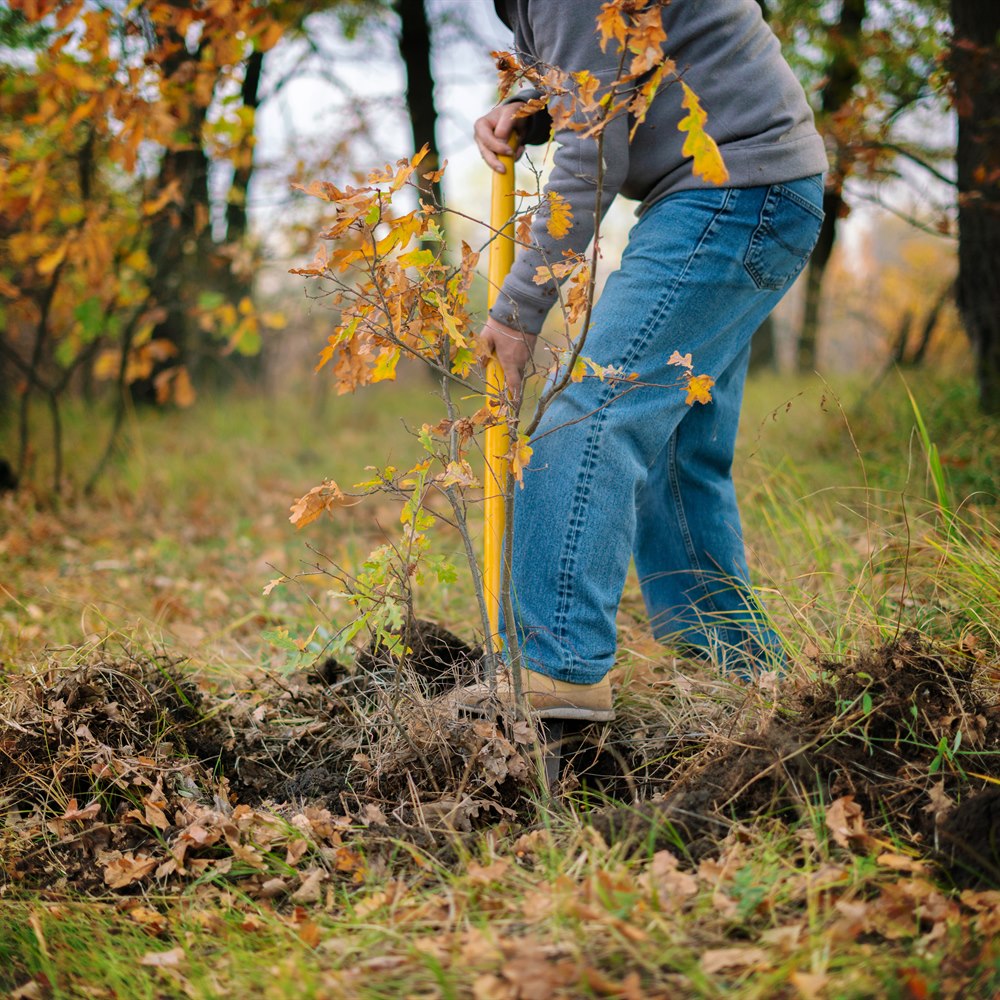
Fall is frequently the best time to plant a tree. The cooler air reduces stress on the tree, while the soil is still warm enough for roots to grow and establish before winter. A fall-planted tree can develop roots over the dormant season and be ready to thrive in spring. In many climates, fall gives a tree the best establishment window. For most trees, fall planting sets them up well. Cool air and warm soil are ideal for root establishment. The reason this combination works so well is that a tree entering dormancy in fall isn’t spending energy on leaves and top growth, so it can direct what it has into root growth, and because soil holds its warmth well after the air cools, those roots keep growing for weeks after the canopy has gone quiet, giving the tree a head start on anchoring before it must support new spring foliage. (For more on this, see How to Budget and Pay for Tree Planting.) The Arbor Day Foundation details correct planting depth and technique for bare-root and containerized stock.
Spring Is Also Good
Early spring, after the ground thaws but before the heat of summer, is another good planting time. It gives the tree a full growing season to establish before facing winter. Spring planting works well, especially in climates with harsh winters where fall planting leaves too little time to establish. Spring is a solid alternative to fall, particularly in cold regions. A full growing season ahead helps a spring-planted tree establish. Spring’s advantage is the long runway it provides, a tree planted after the thaw has the entire growing season to build roots before facing winter, which matters most in cold-winter regions where a fall planting might not leave enough warm-soil time for roots to establish before a hard freeze, so in those climates spring is often the safer of the two dormant-season windows. (For more on this, see Questions to Ask Before Planting a Tree.)
Avoid the Heat of Summer
Planting in the heat of summer stresses a tree, high temperatures and dry conditions make establishment harder, and the tree needs intensive watering to survive. While possible with diligent care, summer is the hardest time to plant. If you must plant in summer, be prepared for heavy watering and extra care. Generally, waiting for cooler weather is better. Summer heat works against a new tree’s establishment. The problem with summer is a mismatch of supply and demand, high heat drives the tree to lose water rapidly through its leaves at exactly the moment its reduced, unestablished roots can least keep up, so without heavy, vigilant watering a summer-planted tree quickly falls into moisture stress, which is why, if it can’t be avoided, summer planting demands a far greater watering commitment than a cooler-season planting.
Avoid Frozen or Waterlogged Ground
Don’t plant when the ground is frozen (roots can’t establish, and digging is impractical) or waterlogged (poor conditions for roots, risk of rot). Wait for workable soil and appropriate conditions. Extreme cold or saturated ground are times to wait. The soil condition, not just the calendar, matters. Plant when the ground is workable and conditions are right. Soil condition is the real gatekeeper regardless of the calendar, frozen ground can’t be dug and won’t let roots establish, while saturated, waterlogged soil starves roots of oxygen and invites rot, so an unusually warm winter spell or a soggy spring can shift the timing either way, and reading the actual state of the soil matters more than the date when deciding whether it’s time to plant. Before any digging begins, call 811 — the free national before-you-dig service — to have underground utilities located and marked.
When to Wait
It’s better to wait if it’s the heat of summer, the ground is frozen or waterlogged, or conditions are extreme, planting then risks the tree. Waiting for the right season (fall or spring) and workable soil gives the tree a far better chance. A tree planted at the right time is a better investment than one rushed into poor conditions. Patience for the right window pays off in a healthier tree. Waiting for good conditions beats a stressed planting. The economics reinforce the horticulture here, because a tree rushed into summer heat or poor soil may need constant rescue watering and still die, wasting both the tree and the planting cost, whereas the same tree held a few weeks for the right window establishes far more reliably, so patience isn’t just kinder to the tree, it protects the money you’ve put into it. (For more on this, see Tree Planting in Fall vs. Spring: Which Is Better?.)
Consider Your Climate
The best timing depends on your climate. In mild climates, the planting window is wider; in areas with harsh winters or hot summers, timing is more critical. A local professional or nursery knows the best planting times for your area and the species. Let your local climate and the specific tree guide the timing. Local knowledge pinpoints the best window for you. Climate turns the general rules into specifics, in a mild region the planting window may stretch across much of the year, while a place with brutal winters or scorching summers narrows it to a few weeks of fall or spring, and different species have their own preferences on top of that, so a local nursery or arborist familiar with your area can name the precise window that gives your particular tree its best start.
Getting the Timing Right
Plant in fall (often ideal) or spring, avoid the heat of summer and frozen or waterlogged ground, and let your climate and the species guide the exact timing. Right timing gives your tree the best start. A local professional can advise the ideal window. When you’re ready to plant at the right time, connect with a local pro below.
Frequently Asked Questions
Fall is often ideal, cooler air reduces stress while the soil is still warm enough for roots to establish before winter. Early spring (after thaw, before summer heat) is also good, giving a full growing season to establish. Avoid the heat of summer and frozen or waterlogged ground.
Because the cooler air reduces stress on the tree while the soil is still warm enough for roots to grow and establish before winter. A fall-planted tree develops roots over the dormant season and is ready to thrive in spring. In many climates, fall gives a tree the best establishment window.
It's possible but the hardest time, high temperatures and dry conditions make establishment harder, and the tree needs intensive watering to survive. If you must plant in summer, be prepared for heavy watering and extra care. Generally, waiting for cooler weather (fall or spring) is better for the tree.
When it's the heat of summer, the ground is frozen or waterlogged, or conditions are extreme, planting then risks the tree. Wait for the right season (fall or spring) and workable soil, which gives the tree a far better chance. A tree planted at the right time is a better investment than one rushed into poor conditions.
Yes. In mild climates the planting window is wider; in areas with harsh winters or hot summers, timing is more critical. A local professional or nursery knows the best planting times for your area and the species. Let your local climate and the specific tree guide the timing.