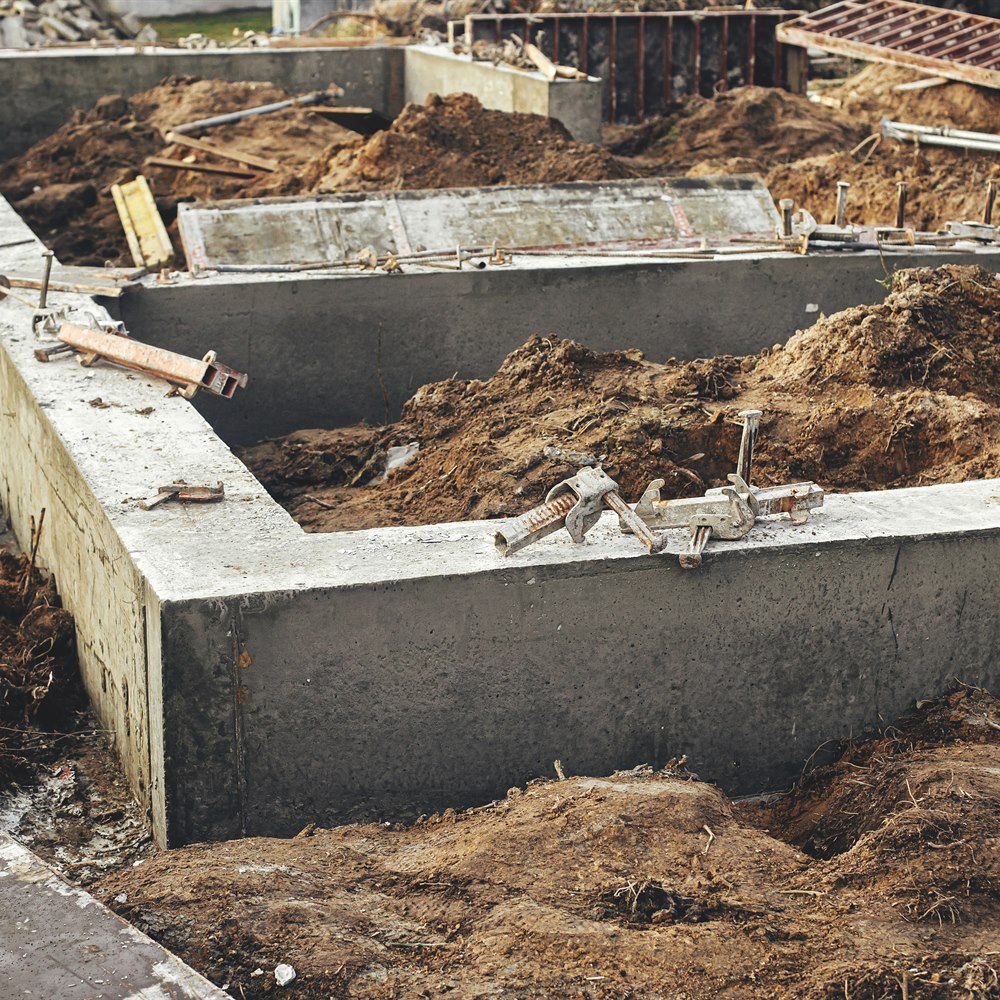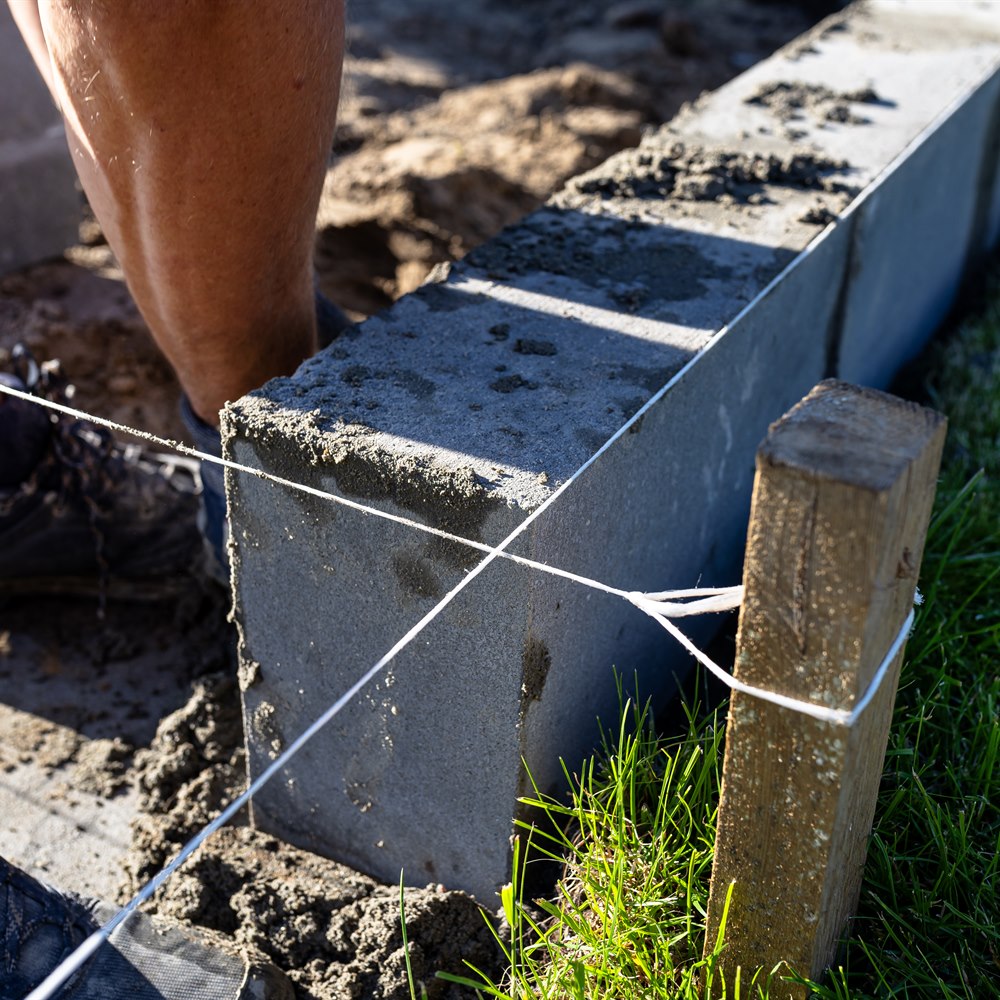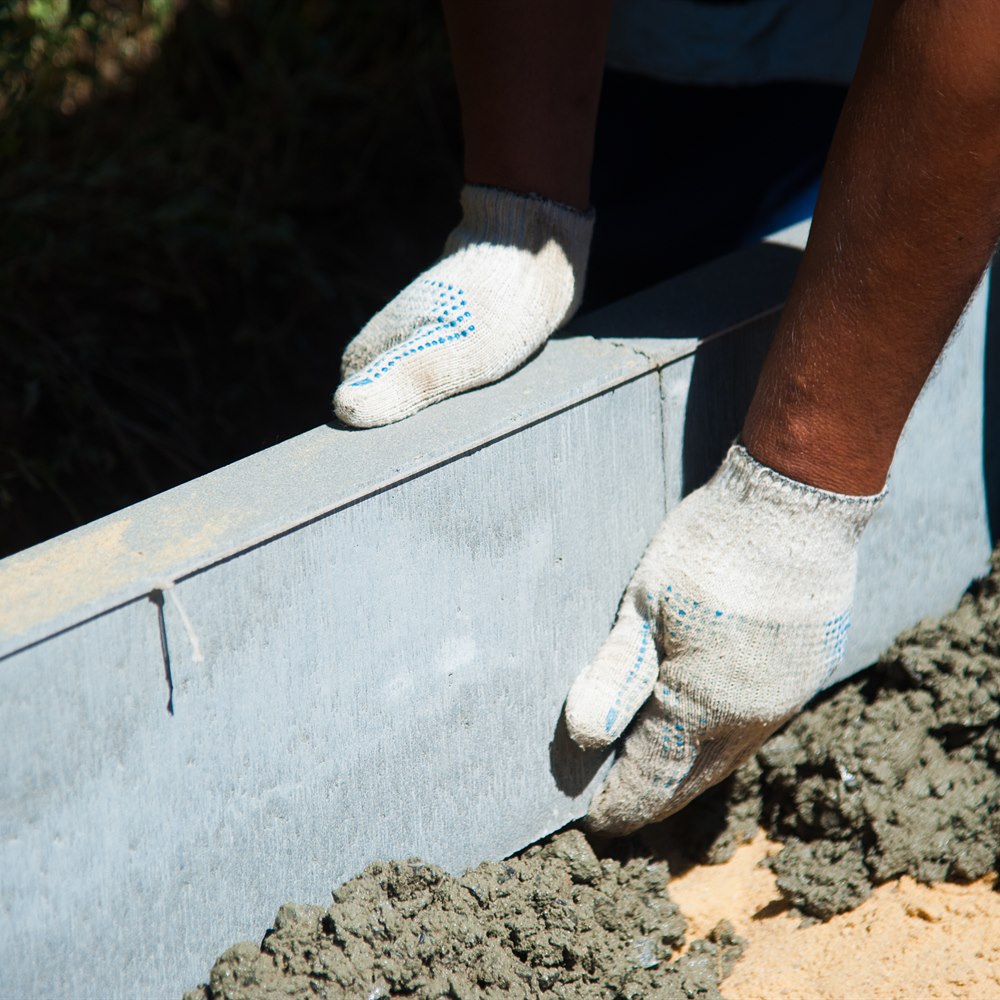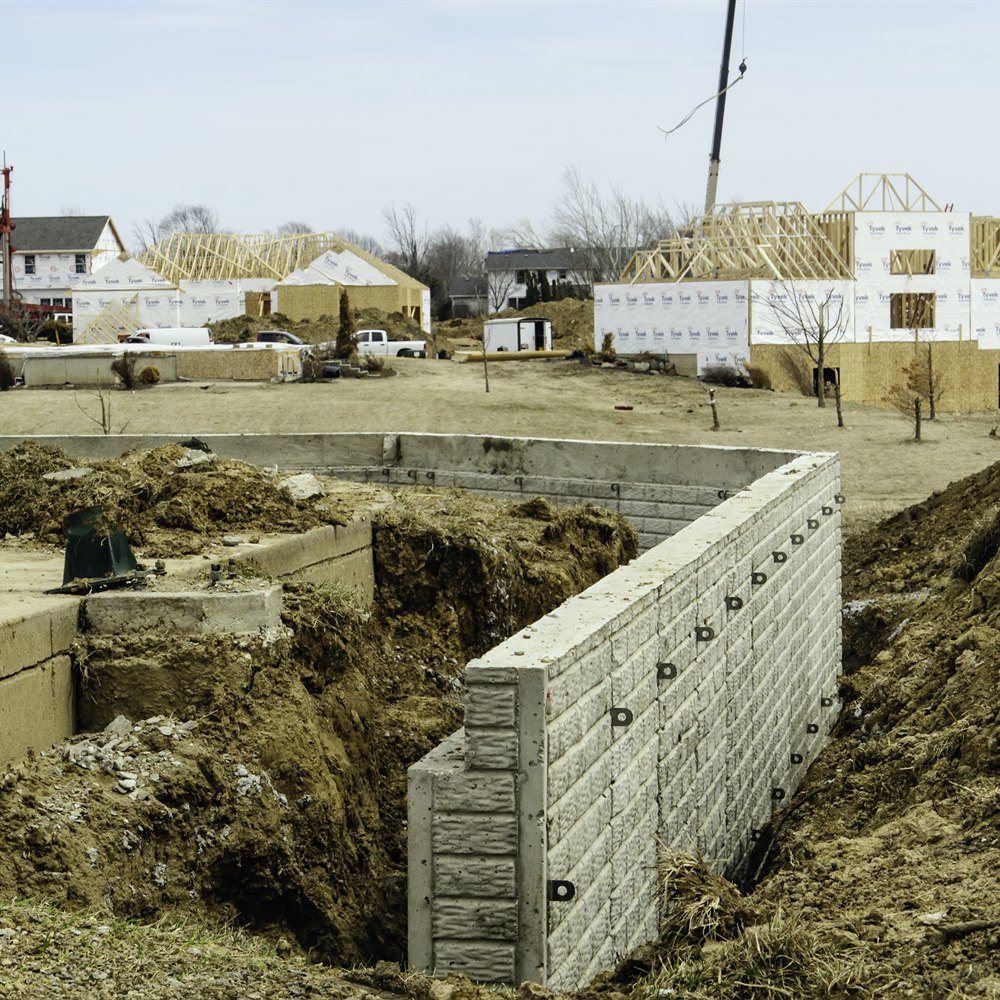
When Is Each Foundation Type the Right Choice?
Choosing a foundation, slab, crawl space, or basement, isn’t about which is “best” but which is right for your climate, site, budget, and needs. Each type shines in certain situations. Here’s when each makes the most sense.
When a Slab Is the Right Choice
A slab foundation is the right choice when budget is a priority, when you’re in a warm climate (where deep frost-depth footings aren’t needed and a cold floor is less of an issue), and for structures like additions, garages, or homes where a basement or crawl space isn’t needed. It’s the economical, straightforward option for the right situation. For a warm climate, a tight budget, or a simple structure, a slab is often the sensible choice. It delivers a solid foundation affordably where its drawbacks don’t matter much. Warm climates suit slabs particularly well for a structural reason as much as a comfort one, because where the ground doesn’t freeze deeply there’s no requirement to extend footings far below grade, so the slab doesn’t have to fight the frost heave that would complicate it in the north, and its cold-floor drawback is largely moot in a place where a cool floor is often welcome rather than a liability. (For more on this, see Slab vs. Crawl Space vs. Basement: Which Foundation Is Best?.)
When a Crawl Space Is the Right Choice
A crawl space is the right choice when you want under-floor access to plumbing and wiring (making future repairs easier), when the site or climate makes a slab less ideal, and when you want to raise the home above the ground (useful in areas with some flood risk or uneven terrain) without the cost of a full basement. It’s the middle-ground option. For access, moderate cost, and raising the structure, a crawl space fits well. It balances cost and function for many homes. Raising the structure is the crawl space’s underrated advantage in the right setting, because lifting the living floor a couple of feet above grade keeps it clear of ground moisture and modest flood risk while leaving the plumbing, wiring, and ductwork in an accessible space beneath, so in areas of uneven terrain or occasional high water it delivers protection and serviceability that a slab can’t, at a cost well below a basement’s.
When a Basement Is the Right Choice
A basement is the right choice when you want the valuable extra space it provides (storage, living space, or finishable square footage), when the climate is cold (a basement is common where deep footings are needed anyway, so the added cost for a full basement is smaller), and when the soil and water table allow it (well-draining soil, no high water table). It’s the space-maximizing option where conditions permit. For usable below-grade space in a suitable climate and site, a basement is the rewarding choice. It adds the most value where it’s feasible. The cold-climate case for a basement is largely an economic one, because where code already requires footings several feet down to clear the frost line, much of the excavation depth a basement needs is being paid for anyway, so extending that hole into full below-grade living space adds proportionally less than it would in a warm region, which is a big part of why basements are common in the north and rare in the deep south. Before any digging begins, call 811 — the free national before-you-dig service — to have underground utilities located and marked.
When Site and Soil Decide It
Sometimes the site dictates the choice. A high water table or wet area may rule out a basement (or make it very costly) and favor a slab or crawl space. Expansive or poor soil requires careful engineering for any type. A sloped lot may favor a particular approach. Your site and soil conditions can make one type clearly right, or another impractical. Let the site’s realities guide the choice. Water is the site factor that most often forecloses a type, because a high water table or a wet, poorly-draining lot can make a basement a constant battle against intrusion, or rule it out entirely, pushing the choice toward a slab or a raised crawl space that keeps the living space above the trouble, so before weighing preferences it’s worth learning what the ground and water conditions will actually permit.
When Climate Decides It
Climate strongly influences the choice. In cold climates where footings must go below the frost line anyway, a full basement adds less incremental cost and makes sense; in warm climates without deep frost requirements, a slab is economical and common. Your climate can tip the decision toward one type. Let the climate inform which foundation makes the most sense. The frost line is the single climatic fact that most shapes the decision, since in cold regions footings must reach below it regardless of type, which both raises the baseline cost of any foundation and makes a basement’s extra depth comparatively cheap to add, whereas in warm regions with shallow or no frost requirement, the slab’s minimal excavation becomes its decisive economic advantage. (For more on this, see The Drawbacks of Each Foundation Type: An Honest Look.)
Making the Right Choice
The right foundation flows from your situation: a slab for budget and warm climates, a crawl space for access and moderate cost, a basement for space where climate and soil allow, with the site and climate often being decisive. There’s no single best type, only the right one for your needs and conditions. An honest professional helps you choose. When you’re ready for that guidance, connect with a local pro below. (For more on this, see Slab vs. Crawl Space vs. Basement: Which Foundation Is Right?.)
Frequently Asked Questions
When budget is a priority, in a warm climate (where deep frost-depth footings aren't needed and a cold floor is less of an issue), and for additions, garages, or homes where a basement or crawl space isn't needed. It delivers a solid foundation affordably where its drawbacks (no under-floor access, cold floors) don't matter much.
When you want under-floor access to plumbing and wiring (easier future repairs), when the site or climate makes a slab less ideal, and when you want to raise the home above the ground (useful with some flood risk or uneven terrain) without a full basement's cost. It balances cost and function for many homes.
When you want the valuable extra space (storage, living, or finishable square footage), in a cold climate (where deep footings are needed anyway, so the added cost for a basement is smaller), and when the soil and water table allow it (well-draining soil, no high water table). It adds the most value where feasible.
Significantly. A high water table or wet area may rule out a basement (or make it very costly) and favor a slab or crawl space. Expansive or poor soil requires careful engineering for any type. A sloped lot may favor a particular approach. Your site and soil can make one type clearly right, or another impractical.
Strongly. In cold climates where footings must go below the frost line anyway, a full basement adds less incremental cost and makes sense; in warm climates without deep frost requirements, a slab is economical and common. Let the climate inform which foundation makes the most sense for your situation.