What Drives Lawn Fertilization Costs?
Lawn fertilization costs, typically $47 to $405 per application, are driven by lawn size, the products used, whether weed control is included, the number of applications, and local rates. Understanding these helps you interpret a quote. Here’s what moves the number.
Lawn Size
Lawn size is the primary driver, since it determines how much product is required and how long application takes. A small or average yard falls in the $47 to $90 range per treatment, while larger properties run $150 to $405. A season-long program of 5 to 7 applications runs $300 to $500 a year. Providers typically measure the turf area rather than the lot size, since driveways, structures, and beds don’t get treated, so a large lot with modest actual turf may cost less than the acreage suggests. Accurate measurement is what makes a quote reliable.
Product Quality and Type
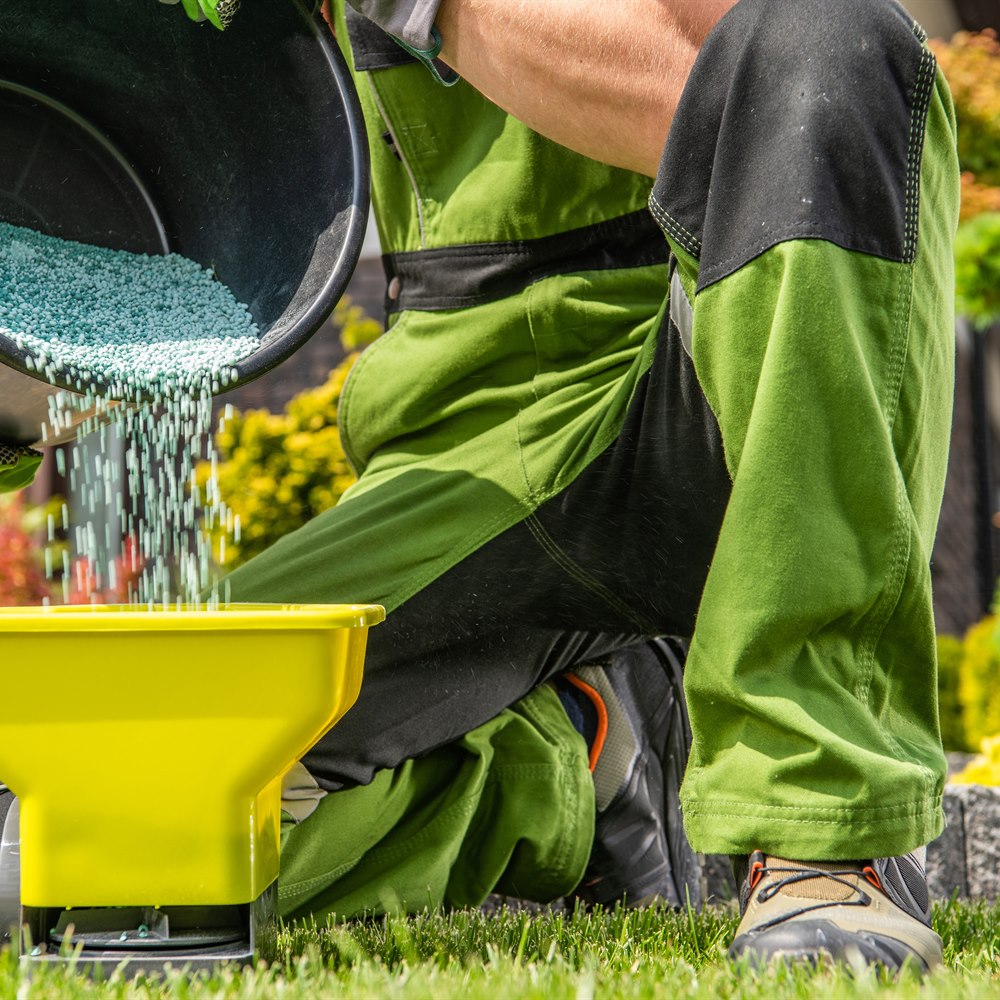
The products used significantly affect cost. Basic quick-release fertilizer is the least expensive but releases nutrients rapidly, producing a surge of growth followed by a decline. Slow-release and controlled-release formulations cost more but feed steadily over weeks, producing more consistent color and growth with less risk of burning. Organic and bio-based products typically cost more still. Specialty blends targeting specific deficiencies or soil conditions also carry a premium. Higher product cost generally correlates with better, more consistent results.
Weed Control Inclusion
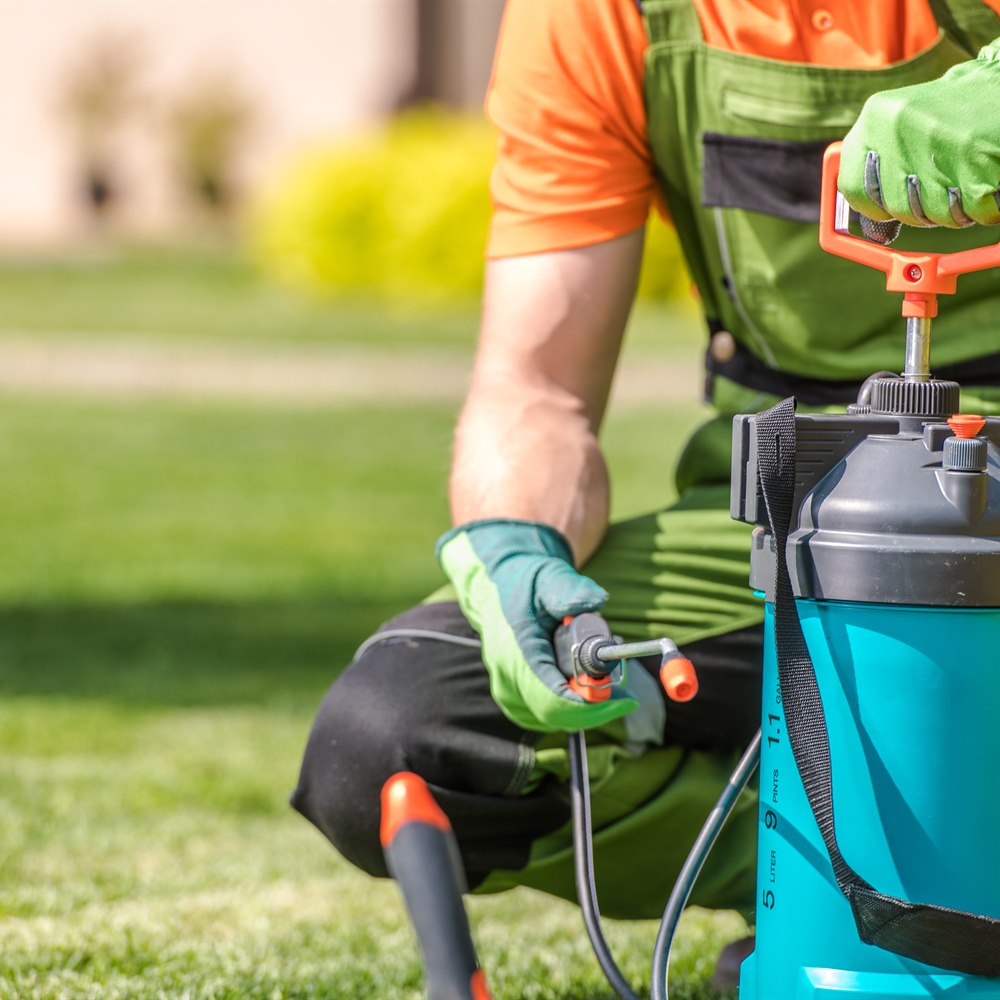
Whether weed control is included, and what kind, affects the price by $50 to $210 per application. Pre-emergent treatments applied early in the season prevent annual weeds like crabgrass from germinating, while post-emergent treatments target weeds already present, and broadleaf versus grassy weed control may require different products. Programs that bundle weed control with fertilization cost more per visit than fertilizer alone, but they address the reality that feeding a weedy lawn feeds the weeds too. (For more on this, see How Much Does Lawn Fertilization Cost?.)
Number of Applications
The number of applications drives the annual total more than any other factor. Programs typically space treatments across the growing season to match the lawn’s changing needs, with early-season, late-spring, summer, and fall applications each serving different purposes. A program with more visits costs more annually but generally produces better results than one or two heavy applications. When comparing providers, matching the application count is essential to a fair comparison. (For more on this, see Lawn Fertilization vs. Lawn Care Programs: What Is the Difference?.)
Grass Type and Regional Conditions
Your grass type and region affect what a program looks like and therefore what it costs. Cool-season and warm-season grasses have different peak growth periods and different nutrient timing, so program schedules differ. Regional soil conditions, common weed pressures, and typical problems like grubs or particular diseases shape which treatments a program includes. A program designed for local conditions may include treatments that wouldn’t be necessary elsewhere, which affects both the value and the price.
Add-On Services and Local Rates
Additional services and market conditions round out the factors. Grub and insect control, disease treatments, lime applications for pH correction, aeration, and overseeding are typically priced separately and can substantially raise the annual total. Local labor and product costs vary by market, as does competitive pressure, so identical programs can be priced differently in different regions. Comparing local providers on matched scope is the only reliable way to gauge value.
How to Get an Accurate Program Quote
Because fertilization pricing depends on lawn size, products, and program scope, getting a quote that will hold up depends on the provider understanding your lawn accurately, which you can help ensure. The most important element is accurate measurement of the actual turf area rather than the lot size, since driveways, structures, patios, and planting beds don’t get treated. A provider who measures, whether on site or using property mapping tools, can price accurately, while one who estimates from a lot-size figure may quote low and adjust after the first visit, or quote high to cover uncertainty. Asking how they arrived at the treated area is a reasonable question. (For more on this, see Questions to Ask a Lawn Fertilization Company.)
It also helps to share what you know about the lawn. Mention the grass type if you know it, since cool-season and warm-season lawns follow different program calendars. Describe problem areas: sections that stay thin, spots that hold water, areas under heavy shade, patches where weeds recur, and any history of grub damage or disease. Note whether the lawn is irrigated, since programs perform differently on watered versus rain-dependent turf. Mention recent work, such as aeration, overseeding, or a new lawn installation, since those change what the lawn needs. And say what your goals are, whether you want a dramatically improved lawn or simply to maintain what you have, since that shapes which program level makes sense. Ask the provider what they observed, what they’d recommend, and why, since their answer reveals both their attentiveness and their approach. Also ask whether the annual price is fixed or subject to change, what happens if the lawn needs an unscheduled treatment, and whether the program adjusts based on how the lawn responds through the season. A quote built on accurate measurement and real knowledge of your lawn’s conditions is far more useful than a low number that gets revised, and the conversation itself tells you whether the provider is doing agronomy or selling a route slot. EPA WaterSense recommends about one inch of water a week, avoiding midday watering, and weather-based controllers to cut waste.
Getting an Accurate Price
Because lawn size, product quality, weed control, application count, grass type, and add-ons all move the number, an accurate quote comes from a provider who has measured your turf and proposed a specific program. When you’re ready for an estimate, connect with a local pro below.
Cost figures on this page were checked against published pricing on August 25, 2026. How we source cost data.
Frequently Asked Questions
Lawn size, since it determines how much product is required and how long application takes, with a small or average yard falling in the $47 to $90 range per treatment and larger properties running $150 to $405. Providers typically measure the turf area rather than lot size, since driveways, structures, and beds don't get treated, so accurate measurement makes a quote reliable.
Significantly. Basic quick-release fertilizer is least expensive but releases nutrients rapidly, producing a surge of growth followed by a decline. Slow-release and controlled-release formulations cost more but feed steadily over weeks, producing more consistent color with less burn risk. Organic and bio-based products typically cost more still, and higher product cost generally correlates with better results.
Because it adds $50 to $210 per application depending on treatment type and lawn size. Pre-emergent treatments applied early prevent annual weeds like crabgrass from germinating, post-emergent treatments target weeds already present, and broadleaf versus grassy weed control may require different products. Programs bundling weed control cost more per visit but address the reality that feeding a weedy lawn feeds the weeds.
Programs typically space several treatments across the growing season to match the lawn's changing needs, with early-season, late-spring, summer, and fall applications each serving different purposes. The number of applications drives the annual total more than any other factor, and a program with more visits generally produces better results than one or two heavy applications.
It affects what the program looks like. Cool-season and warm-season grasses have different peak growth periods and nutrient timing, so program schedules differ, and regional soil conditions, weed pressures, and typical problems like grubs shape which treatments are included. A program designed for local conditions may include treatments unnecessary elsewhere, affecting both value and price.